

Last updated: October 29, 2026
Laser hair removal can hurt, but many people describe brief warm pinpricks or snaps rather than continuous pain. Discomfort varies by treatment area and skin sensitivity, and an individualized plan can make the experience easier to manage.
Does laser hair removal hurt, and what does it feel like?
Laser hair removal usually feels like brief warm pinpricks or a rubber band snapping against the skin. Discomfort is generally manageable, although people experience laser pulses differently. In a 2025 study published in Lasers in Medical Science, patients reported an average pain score of 2 on the study’s 4-point scale.
How painful is laser hair removal on a scale of 1 to 10?
There is no reliable score that applies to everyone on a 1-to-10 scale. Sensitivity, treatment location, hair characteristics and laser settings can all affect how a pulse feels. The American Academy of Dermatology describes patients reporting warm pinpricks or a snapping sensation.
What did a 2025 study find about laser hair removal discomfort?
The linked Lasers in Medical Science study followed a particular rotational treatment protocol, not NW Laser’s treatment plan. Its findings help put discomfort in context, but an average cannot predict how any individual session will feel.
The study reported these protocol details and findings:
| Measure | Finding in the 2025 study |
|---|---|
| Patients | 60 completed treatment. |
| Laser rotation | Three sessions total, using Nd:YAG 1064 nm, diode 808-810 nm and alexandrite 755 nm lasers in rotation. |
| Follow-up | Patients were assessed three and six months after their final session. |
The study authors characterized the discomfort as slight. Their score should not be converted into a 1-to-10 rating or taken as an expected score at NW Laser.
Why does laser hair removal sting, and what happens during a session?
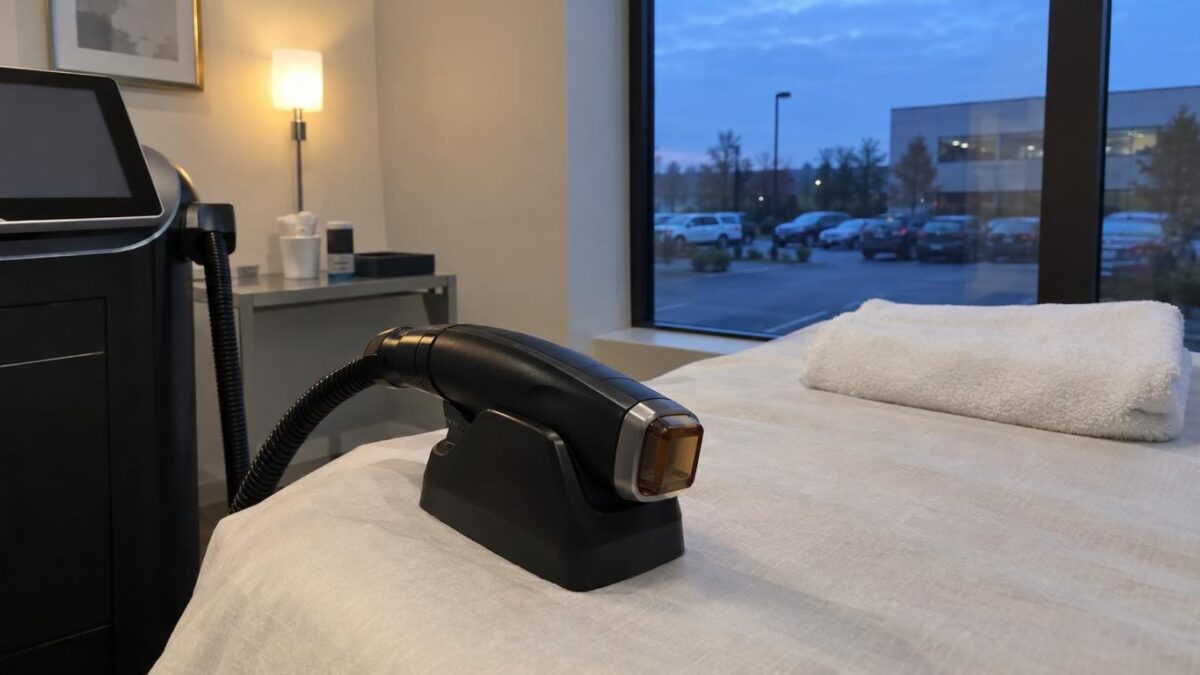
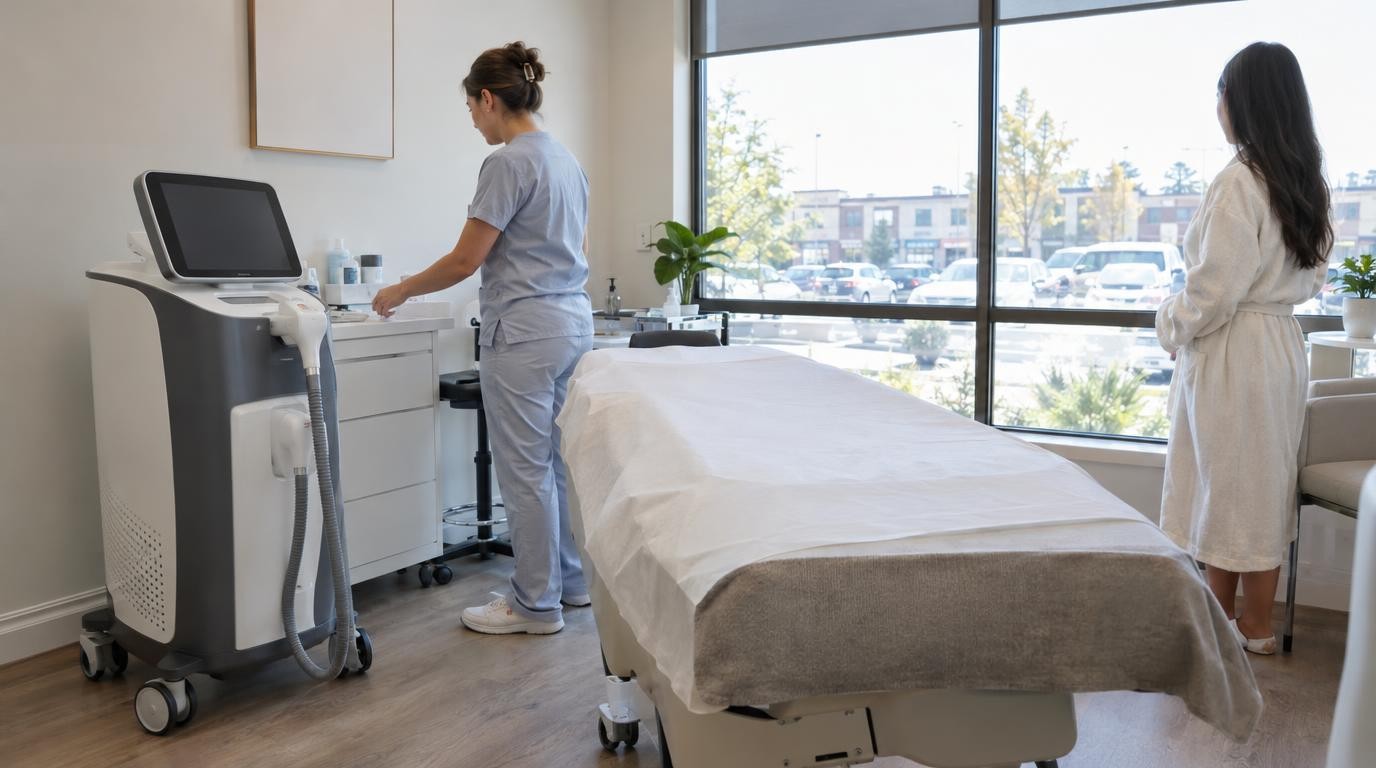
Before treatment, the area is usually cleansed, and everyone in the room must wear protective eyewear. Our trained estheticians then treat the area with laser pulses. Pigment in the hair absorbs the light and transfers heat to the follicle, which can feel like brief stings. Cooling from a device or gel may ease discomfort, and numbing gel can help some patients with sensitive areas. Ask us which comfort measures are appropriate and available for your session.
How does the laser target unwanted hair?
The heat damages follicles and slows future hair growth. Dark hair usually responds best, while blonde, white, gray and red hair is harder to treat effectively. Treatment is aimed at lasting hair reduction, not a guarantee that every hair will be permanently removed.
How are treatment settings chosen for my skin?
We assess your skin before treatment and tailor the plan. People with darker skin can have laser hair removal; Mayo Clinic explains that choosing an appropriate laser and settings helps protect darker skin while treating hair. Ask our team about your treating esthetician’s experience with your skin tone. Nd:YAG and alexandrite are examples of lasers used for hair removal; the right approach depends on your individual assessment.
Which body part is most painful for laser hair removal?
No body part is universally the most painful for laser hair removal. Sensitive areas such as the face can cause a brief, sharper sensation. We treat areas including the face, underarms, legs and bikini area.
Does laser hair removal feel different on the face, underarms, legs, or bikini area?
It can. Someone may find facial pulses more noticeable while another person is more sensitive around the underarms or bikini area; even a familiar treatment area may feel different at a later visit. If a particular area worries you, raise it during your skin assessment so comfort can be considered in the treatment plan. For more detail about one sensitive area, see our guide to bikini laser hair removal sessions.
How can I make laser hair removal more comfortable?
Preparation starts with an accurate account of your skin and treatment history. Tell the treating professional about previous laser reactions, medications, recent sun exposure or tanning, and concerns in the planned area. To reduce discomfort from singed stubble, an article on the American Society of Plastic Surgeons’ website recommends shaving within 24 hours before treatment.

What should I know before my first laser hair removal appointment?
In the weeks before your appointment, avoid tanning beds and stay out of the sun as much as possible. Tanned skin can make treatment less effective and increase the risk of side effects. The American Society of Plastic Surgeons’ article recommends avoiding waxing or plucking for four to six weeks before treatment because these remove the hair roots the laser needs to target. Shaving cuts hair at the surface but leaves the follicles in place; long stubble may burn and increase discomfort. Avoid perfumes, deodorants and other irritants on the treatment area before and after treatment, as Cleveland Clinic advises. An individualized plan can address comfort without guaranteeing numbing, a particular cooling method or a painless session.
What is recovery like after laser hair removal?
Recovery usually involves temporary skin irritation rather than prolonged downtime. Redness, pinkness and swelling around treated follicles are common; the skin may also feel tender. Many people return to routine activities with minimal interruption, but treated skin still needs the aftercare instructions provided for that person’s session.
How long can redness or swelling last after treatment?
Mayo Clinic notes that swelling and temporary changes in skin color may last a few hours after treatment. In the 2025 Lasers in Medical Science study, temporary redness and swelling around follicles resolved within days; individual recovery times may differ. Protect treated skin from sun exposure and follow your aftercare directions. The American Academy of Dermatology notes that a cool compress can help with discomfort after treatment.
What’s the downside of laser hair removal, and who should postpone it?
The main downsides are repeat treatments and temporary redness or swelling, along with less common injuries such as burns, blisters and scars. Skin-color changes can also occur and may sometimes be permanent, unlike the temporary changes many people experience during recovery. Recent tanning, active problems in the treatment area or medications that may increase sensitivity warrant an individual assessment; some people should postpone treatment until the concern is addressed.
What side effects should prompt a call to the clinic?
Mild, short-lived redness or follicle swelling differs from worsening pain, blistering, a burn, unusual color changes or symptoms that persist instead of improving. Contact NW Laser about severe or persistent symptoms. Seek urgent medical care for signs of a serious reaction or infection, such as rapidly worsening swelling, spreading redness or fever. Cleveland Clinic lists burns, blisters, infection, pigment changes and scars among possible laser hair removal side effects.
When should I ask for a medical assessment before treatment?
Discuss laser hair removal with your own licensed clinician if you are pregnant, take medication that may affect your skin, have an active skin problem in the treatment area, or have a history of cold sores, keloid scars, skin cancer or significant skin reactions. Tell our team about recent sun exposure or tanning; the American Society of Plastic Surgeons advises waiting until a tan has faded. Laser hair removal should not be used on tattoos, the eyelids, eyebrows or surrounding areas. An assessment can establish whether to proceed, change the plan or postpone treatment.
How many sessions will I need, and does discomfort change over time?
The American Academy of Dermatology says most patients need 2 to 6 laser hair removal treatments because follicles do not all enter the treatable growth stage together. At NW Laser, we generally recommend appointments about 4-8 weeks apart; we determine your number of sessions and their spacing at your assessment. Settings may change between visits, so discomfort should not be expected to decline steadily as hair growth decreases.
When will I notice less hair, and will I need maintenance treatments?
Some of our patients notice a change after the first treatment; others notice more after about the third. Results vary: hair reduction may last several months and sometimes years, and hair that regrows is often finer or lighter. Maintenance treatments may be needed. If excess hair has an underlying cause, such as a hormonal condition, laser treatment can reduce existing hair but cannot treat that cause. New hair may continue to grow, so discuss the cause with your clinician as well as the possible need for ongoing treatment. The 2025 Lasers in Medical Science study found 75.07% hair reduction six months after its particular rotational protocol; that result is not a prediction for NW Laser patients. For a closer look at lasting results, read our guide to whether laser hair removal is permanent.
Does laser hair removal hurt less than waxing or plucking?
Compared with waxing or plucking, laser hair removal is often more comfortable, although individual experiences vary. Laser treatment uses brief pulses over a course of appointments rather than repeatedly pulling hairs out; its longer-lasting reduction may also mean less routine shaving. Electrolysis is another professional option: it uses a thin wire and electric current to destroy individual hair follicles. Neither option will feel the same to everyone. For further reading, see How Long Does Laser Hair Removal Last?.
Could reducing hair growth also help with ingrown hairs and razor bumps?
It may. Reducing hair growth can reduce the need to shave, which may ease shaving irritation, razor bumps and ingrown hairs. That benefit is not a promise that every ingrown hair will disappear or that laser treatment will cure folliculitis. If you are comparing approaches to unwanted hair, our guide to lasting hair removal options explains the broader choices.
Frequently Asked Questions
Can I use numbing cream before laser hair removal?
Some patients receive numbing gel before laser hair removal, especially for a small, sensitive area. According to the American Academy of Dermatology, it takes about 30 to 60 minutes to work. Ask us before applying any product yourself, since your skin and treatment plan need individual consideration.
How long does a laser hair removal session take?
Treatment time depends largely on the size of the area. The American Academy of Dermatology says an upper lip treatment takes minutes, while a large area such as the back or legs may take more than an hour.
Is it normal to smell burning hair during laser hair removal?
Yes, a burning-hair smell can be normal during laser hair removal. The laser’s heat affects the targeted hair, and Cleveland Clinic notes that you may smell smoke and burning hair during treatment. Tell your treating professional if you feel unexpected or increasing pain rather than assuming every sensation is normal.
Can I wax or pluck between laser hair removal sessions?
No. Avoid waxing, tweezing and plucking the treated area once treatment begins, including between appointments, because these remove the hair the laser needs to target. Ask us when to shave before your next visit.
Does hair fall out immediately after laser hair removal?
No, treated hair does not usually fall out immediately. Mayo Clinic says it typically sheds over several days to weeks, so visible hair right after an appointment does not necessarily mean the treatment failed.
How long should I avoid the sun after laser hair removal?
Protect treated skin from sun exposure for six weeks or for the period your healthcare professional directs, according to Mayo Clinic. Mayo also recommends daily broad-spectrum sunscreen with an SPF of 30 or higher. Follow the aftercare instructions for your particular session.
Can laser hair removal trigger a cold sore?
Yes, a herpes outbreak is a possible side effect of laser hair removal. Cleveland Clinic advises speaking with a healthcare provider before treatment if you have genital herpes or are prone to cold sores. Tell us about your history before treatment so it can be considered in your assessment.
Where can Portland patients discuss laser hair removal comfort?
NW Laser is located in Vancouver, Washington, across the Columbia River from Portland, Oregon.
Contact NW Laser for a consultation about the areas you want treated, your likely treatment plan and what would help you feel prepared.
This information is general and is not medical advice. Talk to a licensed clinician about your own situation before making a treatment decision.
