

Last updated: February 3, 2026
Unwanted hair affects millions of adults who seek reliable, long-lasting solutions beyond daily shaving or monthly waxing. Whether you’re preparing for summer, tired of ingrown hairs, or simply want smoother skin year-round, understanding your professional hair removal options helps you make an informed decision. This comprehensive guide covers everything you need to know about achieving lasting hair reduction in 2026.
What Are the Most Effective Unwanted Hair Removal Methods Available Today?
The most effective unwanted hair removal methods in 2026 include laser hair removal, intense pulsed light (IPL), and electrolysis. Laser hair removal remains the gold standard for permanent hair reduction, offering predictable results across large body areas. Electrolysis provides true permanent removal but requires more time per treatment. Professional treatments consistently outperform at-home devices in both efficacy and safety.
Each method works differently and suits specific patient needs. Your ideal treatment depends on your hair color, skin tone, treatment area, and personal goals. Understanding the science behind each option empowers you to have productive conversations with your provider during consultation.
How Does Laser Hair Removal Work?
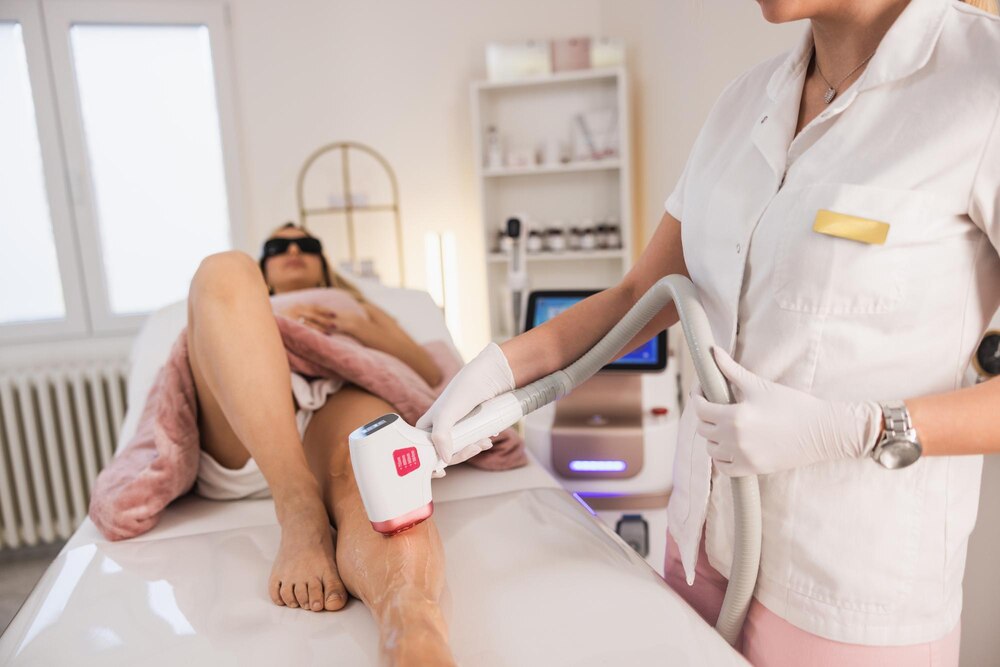
Laser hair removal uses concentrated light energy absorbed by melanin – the pigment in hair follicles. This light converts to heat, damaging the follicle’s ability to produce new hair growth. The surrounding skin remains protected because the laser precisely targets the darker pigment within the hair shaft.
Treatment effectiveness depends on catching hair during its active growth phase, called anagen. Since only 20-30% of hair follicles are actively growing at any time, multiple sessions spaced several weeks apart ensure comprehensive coverage. Most patients achieve 70-90% permanent hair reduction after completing their treatment series.
What Is IPL and How Does It Differ from True Laser?
Intense pulsed light uses broad-spectrum light rather than a single concentrated wavelength. While IPL can reduce hair growth, true medical lasers deliver more precise energy directly to hair follicles. This precision translates to more predictable results, especially for patients with darker skin tones or finer hair.
Many at-home devices use IPL technology because it costs less to manufacture. Professional laser systems in med spas and dermatology practices use higher-powered, wavelength-specific lasers that penetrate more effectively. The technology difference explains much of the results gap between consumer devices and clinical treatments.
Are Electrolysis Treatments Still Relevant in 2026?
Electrolysis remains the only FDA-classified permanent hair removal method and continues serving important clinical purposes. The technique destroys individual follicles using electrical current delivered through a fine probe. For patients with blonde, gray, red, or white hair – which lack sufficient melanin for laser targeting – electrolysis offers the only effective permanent solution.
The treatment works on all skin tones and hair colors without restriction. However, because each follicle requires individual treatment, electrolysis proves most practical for smaller areas like eyebrows, upper lip, or chin. Patients often combine laser treatments for larger body areas with electrolysis for stubborn light-colored hairs.
Why Should You Choose Professional Hair Removal Over At-Home Devices?
Professional hair removal delivers superior results because clinical-grade equipment operates at significantly higher power levels than consumer devices legally permit. Med spa lasers penetrate deeper into follicles, generate more effective heat damage, and produce faster, more complete hair reduction. Trained technicians also customize treatment parameters for your specific skin type and hair characteristics.
Safety represents another critical advantage. Professional settings include proper patient screening, real-time skin assessment, and immediate access to medical expertise if complications arise. The investment in professional treatment typically yields permanent results, while at-home devices often require ongoing maintenance indefinitely.
What Results Can You Realistically Expect from At-Home Devices?
At-home IPL devices can reduce hair growth by 50-70% with consistent long-term use. However, these results require ongoing maintenance treatments every few weeks to months. Consumer devices operate at lower energy levels mandated by safety regulations, which limits their ability to permanently disable follicles.
The following table compares typical outcomes between professional and at-home treatments:
| Factor | Professional Laser | At-Home IPL |
|---|---|---|
| Hair Reduction | 70-90% permanent | 50-70% with maintenance |
| Sessions Needed | 6-8 initial treatments | Ongoing indefinitely |
| Treatment Time | Minutes to one hour | 30-60 minutes per area |
| Skin Tone Range | Fitzpatrick I-VI | Typically I-IV only |
How Do Med Spa Treatments Deliver Superior Results?
Med spas invest in professional-grade laser systems costing tens of thousands of dollars – technology unavailable to consumers. These systems deliver precise wavelengths optimized for hair removal, with adjustable parameters that trained technicians customize for each patient’s unique characteristics.
In clinical practice, providers assess your Fitzpatrick skin type, evaluate hair density and color, and adjust energy settings accordingly. This personalization maximizes efficacy while minimizing side effects. Professional cooling systems also enable higher energy delivery without discomfort, further improving outcomes compared to devices without advanced comfort features.
Which Body Areas Can Be Treated with Laser Hair Removal?
Laser hair removal effectively treats virtually any body area where unwanted hair grows, including face, underarms, arms, legs, back, chest, abdomen, and bikini area. Treatment parameters vary by location based on skin sensitivity, hair density, and follicle depth. Most patients seek treatment for multiple areas simultaneously to maximize convenience and results.
Certain areas require specialized expertise due to proximity to sensitive structures. Experienced providers adjust techniques for areas near eyes, genitals, and other delicate regions. During consultation, your provider will assess your specific treatment goals and recommend appropriate protocols for each area.
Is Laser Hair Removal Safe for Facial Hair?
Facial laser hair removal safely and effectively treats unwanted hair on the upper lip, chin, cheeks, sideburns, and neck when performed by trained professionals. Women experiencing hormonal hair growth – common with conditions like polycystic ovary syndrome – often find facial laser hair removal transformative for their confidence and daily routine.
Providers use specialized handpieces and conservative settings near sensitive facial areas. Treatment around the lip and chin requires particular precision due to the density of nerve endings. Most patients tolerate facial treatments well, describing the sensation as a rubber band snap followed by brief warmth.
What Should You Know About Bikini and Brazilian Laser Treatments?
Bikini and Brazilian laser treatments rank among the most requested services at med spas, eliminating the irritation, ingrown hairs, and maintenance associated with shaving or waxing intimate areas. Bikini treatments address hair visible outside swimwear lines, while Brazilian treatments remove most or all hair from the pubic region.
Intimate area treatments require providers experienced with sensitive skin and maintaining patient comfort. Many practices offer numbing cream applications before treatment. Patients should communicate openly about their desired results – from a simple bikini line cleanup to complete hair removal – during their consultation.
Can Men Benefit from Professional Hair Removal?
Men increasingly choose professional hair removal for the back, shoulders, chest, neck, and even beard shaping. Industry data shows male patients now represent a growing percentage of laser hair removal clients. Athletic performance, personal grooming preferences, and reduced daily maintenance drive this trend.
Male hair tends to be coarser and denser than female hair, sometimes requiring additional treatment sessions. However, thicker hair also responds well to laser energy because the higher melanin content absorbs light effectively. Men seeking chest or back treatment often appreciate the permanent alternative to regular waxing or difficult-to-reach shaving.
How Do You Know If You Are a Good Candidate for Laser Hair Removal?
Good candidates for laser hair removal have dark hair and any skin tone from very fair to very dark when treated with appropriate laser technology. Ideal patients are in good general health, have realistic expectations about permanent hair reduction versus complete removal, and can commit to multiple treatment sessions. A consultation determines your specific candidacy based on individual factors.
Several factors influence treatment success, including natural hair color, skin tone, hormonal status, and certain medications. Understanding these variables helps you set appropriate expectations and maximizes your investment in professional treatment.
Does Skin Tone Affect Laser Hair Removal Effectiveness?
Modern laser technology treats all skin tones safely and effectively when providers select appropriate wavelengths and settings. The Fitzpatrick scale classifies skin types from I (very fair) to VI (deeply pigmented). Darker skin tones require specific laser systems – such as Nd:YAG lasers – designed to bypass surface melanin and target follicle pigment.
Historically, patients with darker skin faced higher risks of burns or hyperpigmentation from older laser systems. Advances over the past decade have expanded treatment options significantly. When consulting with providers, ask specifically about their experience treating your skin type and which laser systems they use.
What Hair Colors Respond Best to Laser Treatment?
Dark brown and black hair respond most effectively to laser hair removal because they contain abundant melanin to absorb laser energy. Light brown hair typically responds well with appropriate settings. Blonde, red, gray, and white hair contain insufficient melanin for effective laser targeting, often requiring electrolysis instead.
Hair color responsiveness by type:
- Black hair – Excellent response, fastest results
- Dark brown hair – Excellent response
- Light brown hair – Good response with proper settings
- Red hair – Poor to moderate response, may need electrolysis
- Blonde hair – Poor response, electrolysis recommended
- Gray or white hair – No response, electrolysis required
Are There Medical Conditions That Prevent Laser Hair Removal?
Certain medical conditions and medications require special consideration before laser hair removal treatment. Active skin infections, open wounds, or recent sunburn in treatment areas require healing before proceeding. Some photosensitizing medications increase burn risk and may require temporary discontinuation.
Conditions warranting discussion with your provider include:
- History of keloid scarring
- Active herpes simplex in treatment areas
- Current isotretinoin (Accutane) use
- Certain autoimmune conditions
- Pregnancy or breastfeeding
Your consultation includes a thorough health history review to identify any contraindications and ensure treatment safety.
What Should You Expect During Your Hair Removal Treatment Journey?
A complete laser hair removal journey typically involves six to eight treatment sessions spaced four to eight weeks apart, depending on the body area being treated. Each session takes 15 minutes to one hour based on treatment area size. Most patients notice progressive hair reduction after each session, with maximum results visible two to three months after completing the full series.
Understanding the treatment timeline helps you plan appropriately and maintain realistic expectations throughout your journey.
How Many Sessions Will You Need for Permanent Hair Reduction?
Most patients require six to eight treatment sessions to achieve optimal permanent hair reduction, though individual needs vary. Hair grows in cycles, and laser treatment only affects actively growing follicles. Multiple sessions ensure treatment catches all follicles during their growth phase.
Typical session requirements by body area:
| Body Area | Sessions Needed | Session Spacing |
|---|---|---|
| Upper lip | 6-8 | 4-6 weeks |
| Underarms | 6-8 | 4-6 weeks |
| Bikini | 6-8 | 6-8 weeks |
| Legs | 6-10 | 8-10 weeks |
| Back | 6-10 | 8-10 weeks |
Does Laser Hair Removal Hurt?
Most patients describe laser hair removal as tolerable, comparing the sensation to a rubber band snapping against the skin followed by brief warmth. Pain perception varies by individual sensitivity and treatment area – facial and bikini treatments tend toward greater sensitivity than arms or legs.
Modern laser systems incorporate cooling mechanisms that significantly improve comfort. Contact cooling, cryogen spray, and cold air systems protect the skin surface while allowing effective energy delivery to follicles. Patients concerned about discomfort can request topical numbing cream applied before treatment.
What Happens During Recovery After Each Session?
Recovery from laser hair removal is minimal for most patients. Treated areas may appear slightly red or swollen immediately after treatment – similar to a mild sunburn – typically resolving within hours to one day. Treated hairs gradually shed over the following one to three weeks as damaged follicles release them.
Post-treatment care guidelines include:
- Avoid sun exposure and tanning for two weeks before and after treatment
- Apply recommended soothing products if experiencing irritation
- Avoid hot showers, saunas, and strenuous exercise for 24-48 hours
- Shave rather than wax or pluck between sessions
- Apply sunscreen daily to treated areas
How Much Does Professional Hair Removal Cost in 2026?
Professional laser hair removal costs vary significantly based on treatment area size, geographic location, provider expertise, and number of sessions required. Small areas like the upper lip may cost $150-300 per session, while large areas like full legs or back range from $400-800 per session. Most practices offer package pricing that reduces the per-session cost when purchasing a treatment series upfront.
Understanding the factors that influence pricing helps you budget appropriately and compare providers effectively.
What Factors Influence the Total Cost of Treatment?
Treatment area size represents the primary cost driver – larger areas require more time and laser energy. Hair density also matters, as thicker growth may require additional sessions. Geographic location affects pricing, with major metropolitan areas typically commanding higher fees than smaller markets.
Provider qualifications and equipment quality also influence cost. Practices investing in the newest laser technology and employing highly trained technicians often charge premium prices. These investments typically translate to better results, greater safety, and improved patient experience – factors worth weighing against lower-cost alternatives.
Is Laser Hair Removal Worth the Investment Compared to Lifelong Shaving?
Long-term cost analysis typically favors laser hair removal over a lifetime of alternative methods. The average person who shaves spends approximately $10,000-15,000 on razors, shaving cream, and related products over a lifetime – not accounting for time spent. Professional waxing costs accumulate even faster at $50-100 per appointment monthly.
Beyond financial considerations, laser hair removal eliminates the daily time commitment of shaving and the discomfort of ingrown hairs, razor burn, and stubble. Most patients report that the improvement in skin quality and convenience represents value beyond the direct cost comparison.
Why Is Spring the Ideal Time to Start Hair Removal Treatments?
Spring timing allows sufficient treatment sessions before summer arrives while your skin maintains minimal sun exposure from winter months. Starting laser hair removal in February through April positions most patients to complete four to six sessions before peak swimsuit season. Untanned skin responds more safely to laser treatment and reduces complication risks.
Strategic timing maximizes both safety and your ability to enjoy smooth, hair-free skin when it matters most.
How Far in Advance Should You Plan for Summer-Ready Skin?
Plan to begin laser hair removal at least four to six months before you want optimal results. Since sessions require spacing of four to eight weeks, starting treatment in February allows completion of multiple sessions before June. This timeline accounts for the gradual nature of permanent hair reduction.
Patients seeking maximum smoothness for specific events – like summer vacations or weddings – should consult their provider about customized treatment timelines. Starting early provides flexibility to space sessions appropriately without rushing the biological process of follicle shedding and regrowth.
What Sun Exposure Precautions Should You Take During Treatment?
Sun exposure before and during laser hair removal treatment increases risks of burns, hyperpigmentation, and reduced effectiveness. Providers recommend avoiding direct sun exposure and tanning beds for at least two weeks before and after each session. Tanned skin contains more surface melanin, which competes with hair follicle melanin for laser absorption.
Daily sunscreen application to treatment areas becomes essential throughout your treatment journey. Choose broad-spectrum SPF 30 or higher and reapply every two hours during extended outdoor activities. This precaution protects both your investment and your skin health.
What Questions Should You Ask During Your Hair Removal Consultation?
Essential consultation questions include asking about the provider’s experience with your skin type, the specific laser technology used, expected number of sessions, total cost including any package options, and potential side effects. Quality providers welcome detailed questions and take time to explain their approach, qualifications, and expected outcomes for your individual situation.
A thorough consultation helps you evaluate whether a practice meets your needs and establishes realistic expectations before committing to treatment.
How Do You Evaluate a Med Spa’s Hair Removal Credentials?
Evaluate credentials by asking about medical director oversight, technician training and certification, years of experience performing laser hair removal, and patient satisfaction metrics. Quality practices employ licensed medical professionals and invest in ongoing staff education. Request information about how many laser hair removal procedures the practice performs annually.
Online reviews provide valuable insight but should be evaluated critically. Look for patterns in feedback regarding results, comfort, communication, and professionalism. Practices confident in their quality will readily provide before-and-after photos and references from satisfied patients.
What Technology Should a Quality Practice Use in 2026?
Quality practices in 2026 use FDA-cleared laser systems with multiple wavelength options to treat diverse skin types safely. Look for technologies including alexandrite lasers for lighter skin tones, Nd:YAG lasers for darker skin, and diode lasers for versatility. Advanced cooling systems should accompany any modern laser platform.
Ask providers when they last upgraded their equipment and whether they offer different laser options based on patient needs. Practices relying on outdated technology or single-wavelength systems may deliver inferior results, particularly for patients with darker skin tones or challenging hair characteristics.
Frequently Asked Questions About Unwanted Hair Removal
Can Laser Hair Removal Cause More Hair to Grow?
Paradoxical hypertrichosis – where laser treatment stimulates rather than reduces hair growth – occurs rarely but can happen. Research suggests this uncommon side effect affects less than 1% of patients, most often on facial areas or in patients with certain hormonal conditions. Using appropriate energy settings and treating underlying hormonal issues minimizes this risk.
If you notice increased hair growth after treatment, discuss this with your provider promptly. Adjusting treatment parameters or addressing hormonal factors typically resolves the issue. This possibility underscores the importance of choosing experienced providers who recognize and manage uncommon complications.
Is Hair Removal Permanent or Will Hair Eventually Return?
Laser hair removal produces permanent hair reduction, meaning most treated follicles will not regrow hair. However, some follicles may recover over time, and hormonal changes can activate previously dormant follicles. Most patients achieve 70-90% permanent reduction with maintenance sessions every one to two years addressing any regrowth.
The distinction between permanent hair removal and permanent hair reduction matters for setting realistic expectations. Electrolysis remains the only method classified as permanent hair removal. Laser treatment dramatically and permanently reduces hair but may not eliminate every single follicle forever.
Can You Get Laser Hair Removal While Pregnant or Breastfeeding?
Most providers recommend postponing laser hair removal during pregnancy and breastfeeding as a precautionary measure. While no studies demonstrate harm to fetal development, the procedure has not been specifically studied in pregnant populations. Hormonal fluctuations during pregnancy also affect hair growth patterns, potentially reducing treatment effectiveness.
The conservative approach prioritizes patient and fetal safety. Hair removal can safely resume after breastfeeding concludes. Many new mothers find post-pregnancy an ideal time to address hormonal hair growth changes with a comprehensive treatment plan.
How Should You Prepare for Your First Laser Hair Removal Appointment?
Preparation for your first appointment ensures optimal results and comfort. Follow these steps before arriving:
- Shave the treatment area 24 hours before your appointment – hair should be present in follicles but not above the skin surface
- Avoid waxing, plucking, or threading for at least four weeks before treatment
- Skip self-tanners, spray tans, and sun exposure for two weeks prior
- Discontinue any photosensitizing products as directed by your provider
- Arrive with clean skin free of lotions, deodorant, or makeup in treatment areas
- Wear comfortable, loose-fitting clothing appropriate for the treatment area
What Is Your Next Step Toward Smooth, Hair-Free Skin?
Achieving lasting freedom from unwanted hair begins with understanding your options and choosing a qualified provider. Professional laser hair removal offers proven, permanent results that transform daily grooming routines and boost confidence. With spring’s arrival, now is the optimal time to begin treatment in preparation for summer.
Schedule a consultation to discuss your specific goals, receive a personalized treatment plan, and learn exactly what to expect from your hair removal journey. An experienced provider will evaluate your skin type, hair characteristics, and treatment areas to recommend the most effective approach for your individual needs.
Frequently Asked Questions
How many laser hair removal sessions do you need for permanent results?
Most patients need six to eight laser hair removal sessions to achieve optimal permanent hair reduction. Since only 20-30% of hair follicles are actively growing at any time, multiple sessions spaced four to eight weeks apart ensure all follicles are treated during their growth phase. After completing the full series, patients typically see 70-90% permanent reduction.
Does laser hair removal work on all skin tones?
Modern laser technology safely treats all skin tones from very fair to deeply pigmented when providers use appropriate wavelengths. Darker skin tones require specific laser systems like Nd:YAG lasers designed to bypass surface melanin and target follicle pigment. Ask providers about their experience with your skin type and which laser systems they use.
What hair colors respond best to laser hair removal?
Dark brown and black hair respond most effectively because they contain abundant melanin to absorb laser energy. Light brown hair also responds well with proper settings. Blonde, red, gray, and white hair contain insufficient melanin for effective laser targeting and typically require electrolysis instead for permanent removal.
How long before summer should you start laser hair removal?
Start laser hair removal at least four to six months before you want optimal results. Beginning treatment in February through April allows completion of four to six sessions before peak summer season. This timeline accounts for required session spacing of four to eight weeks and the gradual process of follicle shedding.
Is professional laser hair removal worth it compared to at-home devices?
Professional laser hair removal delivers 70-90% permanent reduction versus 50-70% temporary reduction from at-home devices requiring ongoing maintenance. Clinical-grade equipment operates at significantly higher power levels than consumer devices legally permit, penetrating deeper into follicles for more effective results. The investment typically yields lasting results versus indefinite maintenance.
Does laser hair removal hurt?
Most patients describe laser hair removal as tolerable – similar to a rubber band snapping against skin followed by brief warmth. Pain varies by treatment area, with facial and bikini areas being more sensitive than arms or legs. Modern laser systems include cooling mechanisms that significantly improve comfort, and numbing cream is available for sensitive patients.
Can you get laser hair removal while pregnant?
Most providers recommend postponing laser hair removal during pregnancy and breastfeeding as a precautionary measure. While no studies demonstrate harm to fetal development, the procedure has not been specifically studied in pregnant populations. Hormonal fluctuations during pregnancy also affect hair growth patterns, potentially reducing treatment effectiveness.
