

Last updated: July 2, 2026
Fraxel laser resurfacing has become one of the most researched skin rejuvenation treatments, with steady search interest and recurring seasonal peaks in the cooler months. This evidence-based guide explains how Fraxel works, what it costs in 2026, realistic results for acne scars and pigmentation, downtime, safety across skin tones, and how it compares to other resurfacing options.
What Is Fraxel Treatment and How Does It Work?
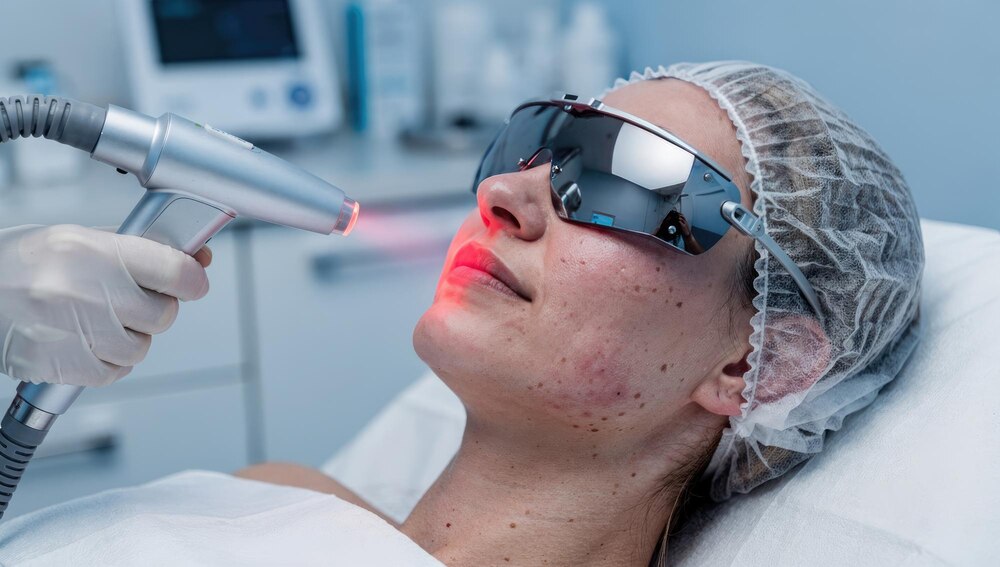
Fraxel treatment is a non-ablative fractional laser that creates thousands of microscopic thermal zones in the skin to stimulate collagen production and resurface tissue without fully removing the surface layer. By treating only a fraction of the skin per session, it triggers natural repair while leaving surrounding tissue intact, allowing faster healing than fully ablative lasers.
The fractional approach is the defining feature. Instead of removing the entire epidermis, Fraxel targets columns of tissue at a controlled depth. This leaves healthy skin between treated zones, which acts as a reservoir for rapid healing and new collagen formation.
The key distinction is between ablative and non-ablative lasers. Ablative lasers vaporize the surface layer for dramatic results with longer recovery, while non-ablative lasers like Fraxel heat the deeper layers to remodel collagen with less downtime. Practices that offer comprehensive skin rejuvenation treatments including Fraxel typically use it for patients seeking meaningful improvement without the recovery of full ablation.
What Is the Difference Between Fraxel Dual and Standard Fraxel?
Fraxel Dual uses two laser wavelengths in one device. The 1550 nm wavelength penetrates deeper to address texture, wrinkles, and acne scars, while the 1927 nm wavelength targets superficial pigmentation, sun spots, and uneven tone. Standard single-wavelength systems typically offer only one of these functions, making Dual more versatile for combined concerns.
In practice, providers often combine both wavelengths in a single session to address surface pigmentation and deeper textural concerns simultaneously, tailoring the balance to each patient’s primary goals.
What Skin Concerns Does Fraxel Treat?
Fraxel is used for a range of common cosmetic and dermatologic concerns. The most frequently treated indications include:
- Fine lines and wrinkles
- Sun damage and photoaging
- Age spots and uneven pigmentation
- Melasma (with careful wavelength selection)
- Atrophic acne scars
- Surgical and traumatic scars
- Overall skin texture and tone
Does Fraxel Really Work for Acne Scars?
Yes, Fraxel can meaningfully improve atrophic acne scars for many patients. Clinical experience and published studies commonly report visible improvement in scar depth and skin texture after a series of sessions, with typical results ranging from moderate to significant improvement depending on scar type and severity. Boxcar and rolling scars generally respond better than deep icepick scars.
The improvement comes from collagen remodeling. As the microscopic treatment zones heal, new collagen fills and smooths depressed scars over several months. Results are progressive, meaning skin continues to improve for up to three to six months after the final session.
Realistic expectations matter. Fraxel softens and blends scars rather than fully erasing them, and severe scarring may benefit from combining modalities such as fractional laser with subcision or microneedling.
How Many Fraxel Sessions Are Needed for Acne Scars?
Most patients need a series of 3 to 6 Fraxel sessions for acne scars, typically spaced 3 to 6 weeks apart. The exact number depends on scar depth, scar type, and how the skin responds. Deeper or more extensive scarring generally requires more sessions, while mild texture concerns may improve in fewer treatments.
Is Fraxel Good for Pigmentation, Melasma, and Sun Damage?
Fraxel is effective for sun damage, age spots, and uneven tone, particularly when the 1927 nm wavelength is used to target superficial pigment. For melasma, Fraxel can help but carries a higher risk of recurrence and post-inflammatory hyperpigmentation, so conservative settings and careful patient selection are essential to avoid worsening the condition.
Sun spots and general photoaging tend to respond well, with pigment often darkening and flaking off during the healing process. Melasma is more complex because it is driven partly by hormones and heat sensitivity, meaning laser energy itself can sometimes trigger flares.
For pigmentation concerns, providers often weigh Fraxel against light-based options and may combine it with medical-grade topical therapy and strict sun protection to sustain results.
How Much Does Fraxel Laser Cost in 2026?
Fraxel laser treatment typically costs between $900 and $1,800 per session in 2026, depending on the treatment area, wavelengths used, and geographic region. Full-face treatments generally fall in the higher range, while smaller areas cost less. Many practices offer package pricing for a series of sessions, which can lower the per-session cost.
Because acne scars and deeper concerns usually require multiple sessions, total investment often ranges from several thousand dollars for a complete treatment plan. A consultation is the only way to get an accurate quote, since pricing reflects your specific concerns and skin.
The table below shows typical cost factors and ranges.
| Factor | Impact on Cost |
|---|---|
| Treatment area (spot vs full face) | $900 – $1,800+ per session |
| Single wavelength vs Fraxel Dual | Dual often higher |
| Number of sessions in a series | 3 to 6 sessions typical |
| Package pricing | Reduced per-session rate |
Why Does Fraxel Pricing Vary So Much?
Fraxel pricing varies based on the wavelengths used, the size and number of treatment areas, geographic location, and provider expertise. Fraxel Dual sessions targeting both texture and pigment typically cost more than single-wavelength treatments. Treatments performed by an experienced, physician-led practice may differ in price from a standalone med spa.
How Long Is Recovery and Downtime After Fraxel?
Recovery after Fraxel typically involves 4 to 7 days of visible downtime. Skin is red and swollen for the first one to three days, followed by a bronzed appearance and fine flaking or peeling as treated tissue sheds. Most patients return to work within 2 to 5 days, though redness can be covered with makeup once the skin surface is intact.
A typical recovery timeline helps set expectations.
| Timeframe | What to Expect |
|---|---|
| Days 1 – 2 | Redness, swelling, warmth similar to sunburn |
| Days 2 – 4 | Bronzing, skin feels rough (sandpaper texture) |
| Days 3 – 6 | Fine peeling and flaking as new skin surfaces |
| Days 5 – 7+ | Fresh skin revealed, residual pinkness fading |
Downtime is generally milder than with ablative CO2 lasers, which is one reason Fraxel appeals to patients balancing results with a manageable social recovery. A guide to CO2 laser under eyes explains which concerns resurfacing treats and when surgery may help.
Can I Wear Makeup After Fraxel?
Makeup can typically be applied 2 to 5 days after Fraxel, once the skin surface has healed and is no longer peeling or broken. Mineral makeup is often recommended first because it is gentle. Applying makeup too early can irritate healing skin, so following your provider’s specific timeline is important.
How Long Do Fraxel Results Last?
Fraxel results can last one to several years, though longevity depends heavily on skin type, age, and sun protection habits. Because the treatment stimulates the skin’s own collagen, results are long-lasting but not permanent. Natural aging and sun exposure continue over time, so periodic maintenance sessions help preserve improvements.
Consistent use of medical-grade skincare and daily SPF is one of the most important factors in extending results and protecting the investment in treatment.
What Are the Side Effects and Risks of Fraxel?
Common side effects of Fraxel include temporary redness, swelling, peeling, dryness, and skin sensitivity that resolve within a week. Rare but more serious risks include prolonged hyperpigmentation, infection, scarring, and burns. These serious complications are uncommon when treatment is performed by an experienced provider using appropriate settings for your skin type.
Most patients experience only the expected recovery effects. The risk of complications rises with aggressive settings, poor aftercare, sun exposure during healing, or treatment of skin types that require more conservative parameters.
Balanced expectations reduce regret. Choosing a qualified, physician-supervised practice and following pre- and post-care instructions closely are the most effective ways to minimize risk.
Is Fraxel Safe for Darker Skin Tones (Fitzpatrick IV–VI)?
Fraxel can be used on darker skin tones, but it requires caution because Fitzpatrick IV–VI skin has a higher risk of post-inflammatory hyperpigmentation. The 1927 nm wavelength and conservative, lower-energy settings are generally safer for deeper skin tones, and in some cases alternative modalities may be recommended to reduce pigmentation risk.
The key is provider experience with darker skin. Careful parameter adjustment, longer intervals between sessions, and pre-treatment with pigment-suppressing topicals can all lower the risk of unwanted pigment changes.
Patients with skin types IV–VI should seek providers who specifically document experience treating deeper skin tones, since inappropriate settings can worsen pigmentation rather than improve it.
How Does Fraxel Compare to Other Resurfacing Treatments?
Fraxel is a non-ablative fractional laser that balances meaningful results with moderate downtime, positioning it between gentler treatments like microneedling and more aggressive ablative CO2 lasers. The best choice depends on the specific concern, desired intensity, downtime tolerance, and skin type. The comparison below outlines key differences. Our guide to fractional CO2 laser explains how to weigh its resurfacing benefits, downtime, and suitability against gentler options.
| Treatment | Downtime | Best For |
|---|---|---|
| Fraxel (non-ablative) | 4 – 7 days | Texture, scars, pigment, aging |
| Fractional CO2 (ablative) | 1 – 2 weeks | Deep wrinkles, severe scarring |
| Microneedling | 1 – 3 days | Mild scars, texture, budget-friendly |
| IPL / BBL | Minimal | Surface pigment, redness, sun spots |
Fraxel vs CO2 Laser—Which Is Better?
Fraxel is less aggressive than fractional CO2 laser, offering meaningful improvement with shorter recovery, while CO2 delivers more dramatic results for deep wrinkles and severe scarring but requires longer downtime. Fraxel suits patients wanting steady improvement with manageable recovery, whereas CO2 fits those willing to accept more downtime for a single, more intensive treatment.
Fraxel vs Microneedling—What Should I Choose for Acne Scars?
For acne scars, Fraxel typically produces faster and more pronounced results than microneedling but costs more and involves more downtime. Microneedling is more affordable with minimal recovery and works well for mild scarring, while Fraxel is often preferred for moderate scarring or when quicker, more noticeable improvement is the goal.
Fraxel vs IPL/BBL—Which Is Best for Sun Damage and Pigmentation?
IPL and BBL are broadband light treatments that target surface pigment and redness with little downtime, while Fraxel is a resurfacing laser that also improves texture and deeper concerns. For flat sun spots and general redness, IPL/BBL is often sufficient, whereas Fraxel is better when pigment coexists with texture, scarring, or aging.
When Is the Best Time of Year to Get Fraxel?
The best time to get Fraxel is during the cooler fall and winter months, when sun exposure is naturally reduced. Because treated skin is highly sensitive to UV light and sun exposure raises the risk of hyperpigmentation, minimizing sun before and after treatment is essential. This makes summer the ideal time to research, consult, and schedule ahead.
Search behavior reflects this pattern. A 2025 peer-reviewed analysis of fractional laser information-seeking found a 354% increase in digital interest over six years, with consistent seasonal peaks in winter, mirroring higher demand for laser resurfacing in colder months.
Planning during the summer of 2026 allows time to complete a consultation, prepare the skin, and begin a treatment series once daylight and sun intensity decline.
Who Is a Good Candidate for Fraxel?
A good Fraxel candidate is a healthy adult with realistic expectations seeking improvement in texture, scars, pigmentation, or signs of aging. Ideal candidates avoid recent sun exposure and can commit to strict sun protection. Fraxel is not recommended during pregnancy, with active skin infections, or for those taking certain medications such as isotretinoin.
Candidacy also depends on skin type and the specific concern being treated. A professional consultation evaluates medical history, skin type, and goals to determine whether Fraxel or an alternative modality is the safest, most effective option.
How Should You Prepare for and Care for Skin After Fraxel?
Preparing for Fraxel involves avoiding sun exposure for several weeks and discontinuing retinoids or other irritating products as directed before treatment. Aftercare centers on gentle cleansing, consistent moisturizing, and strict daily SPF to support healing and prevent pigmentation. Following these steps closely maximizes results and reduces the risk of complications.
Recommended preparation and aftercare steps include:
- Avoid direct sun and tanning for at least 2 to 4 weeks before treatment
- Discontinue retinoids and exfoliants as advised by your provider
- Keep skin clean, hydrated, and cool during the first few days after treatment
- Apply broad-spectrum SPF 30 or higher daily, reapplying as needed
- Avoid picking or exfoliating peeling skin to prevent scarring
Frequently Asked Questions About Fraxel Treatment
Common questions about Fraxel address pain, off-face uses, and long-term effects on the skin. The answers below consolidate the most frequently searched concerns to help patients make informed decisions before a consultation.
Does Fraxel Hurt?
Fraxel causes mild to moderate discomfort, often described as a prickling or heat sensation. A topical numbing cream is applied about an hour before treatment to reduce discomfort, and cooling air is typically used during the procedure. Most patients tolerate the treatment well, with lingering warmth similar to a sunburn afterward.
Can Fraxel Treat Surgical Scars or Stretch Marks?
Fraxel can improve surgical scars and stretch marks by smoothing texture and blending color, though results vary. Older, mature scars and stretch marks generally show partial improvement rather than complete removal. Multiple sessions are usually needed, and realistic expectations are important since off-face areas often respond more slowly than facial skin.
What Does Fraxel Do to Your Skin Over Time?
Over time, Fraxel remodels collagen and gradually improves skin texture, tone, and firmness across multiple sessions. Because collagen production continues for months after treatment, skin often looks progressively smoother and more even. Maintaining results depends on sun protection, skincare, and occasional maintenance sessions as natural aging continues.
Is Fraxel Worth It—and What Are Your Next Steps?
For many patients, Fraxel is a worthwhile investment when the goal is improved texture, reduced scarring, or more even tone with moderate downtime. Results depend on the concern being treated, the number of sessions, and the expertise of the provider. Cost, recovery, and safety across skin types should all factor into the decision.
Because timing matters, the summer of 2026 is an ideal moment to plan ahead for fall and winter treatment. A personalized consultation is the best next step to determine whether Fraxel is right for your skin, receive an accurate cost estimate, and build a treatment plan tailored to your goals and skin type.
Frequently Asked Questions
How much does Fraxel laser treatment cost in 2026?
Fraxel laser treatment typically costs between $900 and $1,800 per session in 2026, depending on the treatment area, wavelengths used, and geographic region. Full-face treatments fall in the higher range, while smaller areas cost less. Because acne scars and deeper concerns usually require 3 to 6 sessions, total investment often reaches several thousand dollars. Many practices offer package pricing that lowers the per-session cost.
How long is the recovery and downtime after Fraxel?
Recovery after Fraxel typically involves 4 to 7 days of visible downtime. Skin is red and swollen for the first one to three days, followed by a bronzed appearance and fine flaking or peeling as treated tissue sheds. Most patients return to work within 2 to 5 days, and redness can be covered with mineral makeup once the skin surface is intact.
Does Fraxel really work for acne scars?
Yes, Fraxel can meaningfully improve atrophic acne scars for many patients, with clinical studies commonly reporting moderate to significant improvement after a series of sessions. Boxcar and rolling scars respond better than deep icepick scars. Improvement comes from collagen remodeling and is progressive, continuing for up to three to six months after the final session. Fraxel softens and blends scars rather than fully erasing them.
How many Fraxel sessions are needed for acne scars?
Most patients need a series of 3 to 6 Fraxel sessions for acne scars, typically spaced 3 to 6 weeks apart. The exact number depends on scar depth, scar type, and how the skin responds. Deeper or more extensive scarring generally requires more sessions, while mild texture concerns may improve in fewer treatments. A consultation helps determine the right plan.
Is Fraxel safe for darker skin tones?
Fraxel can be used on darker skin tones (Fitzpatrick IV-VI), but it requires caution because deeper skin has a higher risk of post-inflammatory hyperpigmentation. The 1927 nm wavelength and conservative, lower-energy settings are generally safer for darker skin tones. Provider experience is essential, since inappropriate settings can worsen pigmentation. Patients should seek providers who specifically document experience treating deeper skin tones.
How long do Fraxel results last?
Fraxel results can last one to several years, though longevity depends heavily on skin type, age, and sun protection habits. Because the treatment stimulates the skin’s own collagen, results are long-lasting but not permanent. Natural aging and sun exposure continue over time, so periodic maintenance sessions and consistent daily SPF help preserve improvements and protect the investment in treatment.
When is the best time of year to get Fraxel?
The best time to get Fraxel is during the cooler fall and winter months, when sun exposure is naturally reduced. Treated skin is highly sensitive to UV light, and sun exposure raises the risk of hyperpigmentation, so minimizing sun before and after treatment is essential. This makes summer the ideal time to research, consult, and schedule a treatment series ahead of the cooler season.
Does Fraxel hurt?
Fraxel causes mild to moderate discomfort, often described as a prickling or heat sensation. A topical numbing cream is applied about an hour before treatment to reduce discomfort, and cooling air is typically used during the procedure. Most patients tolerate the treatment well, with lingering warmth similar to a sunburn afterward that fades over the following hours.
