

Last updated: November 20, 2026
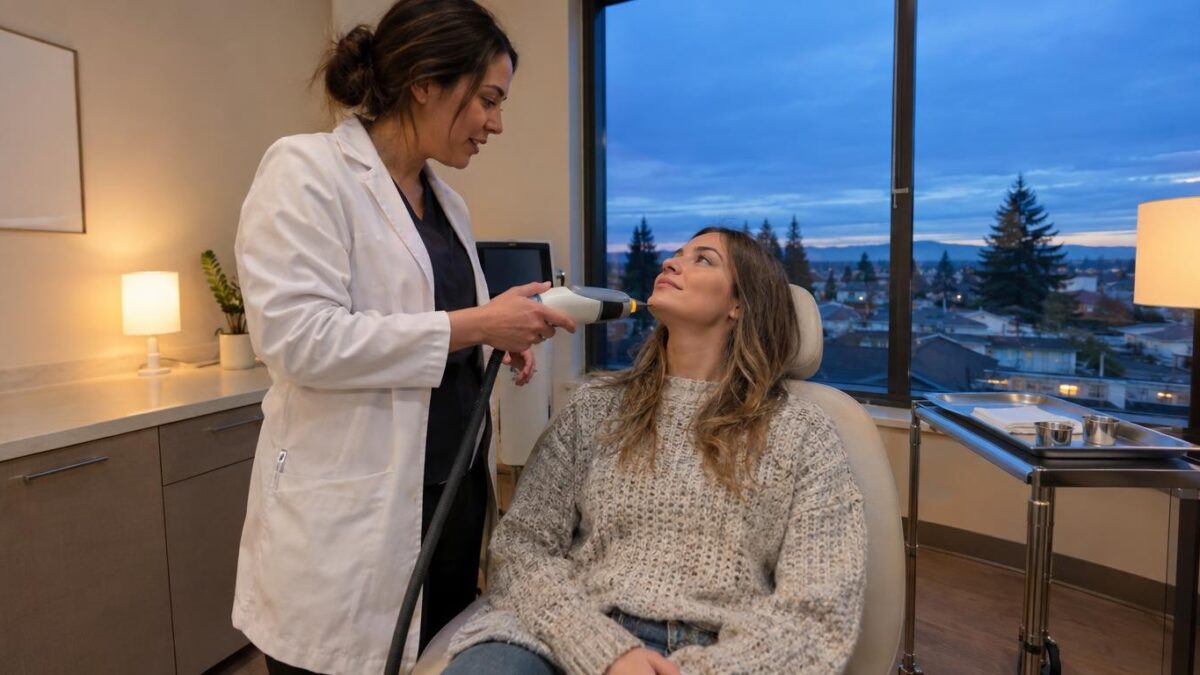
Fraxel re:pair is a fractional CO2 laser, while Fraxel Dual is a nonablative fractional laser. Fraxel is a brand; CO2 identifies a laser type, and fractional describes how treatment is delivered. The American Academy of Ophthalmology’s under-eye resurfacing article identifies 10,600 nm as a wavelength of CO2 laser light. CO2 energy can be delivered fractionally or across the full treatment area. At NW Laser in Vancouver, Washington, we offer Fraxel laser treatment for skin rejuvenation and cosmetic correction.
What Is Fraxel, and How Does It Differ from Traditional CO2 Laser?
A Dermatologic Surgery article on Fraxel Dual identifies its 1,550 nm erbium-doped and 1,927 nm thulium lasers as nonablative: they deliver energy without removing columns of surface tissue. Fraxel re:pair is an ablative fractional CO2 option that removes tiny columns of tissue while leaving untreated skin between them. Full-field CO2 resurfacing treats the entire selected surface. We offer Fraxel treatment, but please ask our team which device model and settings we use and whether CO2 resurfacing is available here. The three approaches below are comparisons, not a list of confirmed NW Laser offerings.
Here is how the three approaches compare:
| Feature | Fraxel Dual | Fractional CO2, including Fraxel re:pair | Full-field CO2 |
|---|---|---|---|
| Laser and pattern | Nonablative energy in narrow treatment zones | Ablative CO2 energy in narrow treatment zones | Ablative CO2 energy across the treated surface |
| Effect on the surface | Does not remove columns of surface tissue | Removes columns while leaving skin between them untreated | Resurfaces the full selected area |
| Recovery | Varies with settings and the area treated | Generally shorter than full-field CO2 recovery | Generally longer than fractional CO2 recovery |
What is fractional laser technology?
Fractional technology distributes laser energy among many narrow treatment zones rather than treating the entire surface uniformly. Skin left between the zones helps the area heal. At NW Laser, our Fraxel treatment uses pinpoint beams described as penetrating to 1.4 mm; treatment depth can differ with other devices and settings. Collagen remodeling can improve texture over time, but fractional treatment does not eliminate the possibility of side effects.
What are the different types of laser treatments available for the face?
An article on the American Board of Cosmetic Surgery’s site describes CO2, erbium and pulsed-dye lasers. Erbium lasers may be ablative or nonablative and can address fine lines and age spots; pulsed-dye lasers can address redness and visible blood vessels. Fractional describes a treatment pattern, not whether a laser is ablative. IPL photofacials use light rather than a laser.
If Fraxel or CO2 is not a good fit, erbium resurfacing may be an option for fine lines and may suit some darker skin tones, subject to an individual pigment-risk assessment. For appropriate brown spots or redness, we can discuss our IPL photofacial. Our chemical peels, microdermabrasion and microneedling offer nonlaser approaches to some surface texture or tone concerns. Expression lines caused by facial movement differ from the static wrinkles and skin texture changes that resurfacing addresses.
Is the CO2 laser outdated?
No. An article on the American Board of Cosmetic Surgery’s site describes both full-field and fractional CO2 resurfacing. Full-field treatment can provide more extensive resurfacing but requires a longer recovery; fractional CO2 leaves skin between treated columns to support faster healing.
Is Fraxel worth pursuing?
Fraxel may be worth pursuing if gradual improvement in texture, sun damage or some scars matters to you and you can commit to multiple visits and the recovery involved. It may be a poor fit if you expect scars or etched wrinkles to disappear completely or cannot accommodate a treatment series. Ablative and nonablative devices differ in their likely effects and downtime, so we would weigh those trade-offs with you after confirming the proposed device.
How Does Fractional CO2 Laser Resurfacing Work?
As the American Academy of Ophthalmology explains, water in the skin absorbs CO2 laser light. The American Board of Cosmetic Surgery’s skin-resurfacing guide describes CO2 as ablative and fractional delivery as treating only part of an area. Fractional CO2 removes tissue in separated columns; the controlled injury prompts healing and collagen remodeling. Untreated skin between the columns supports healing, and treatment depth depends on the settings.
What happens during fractional CO2 treatment?
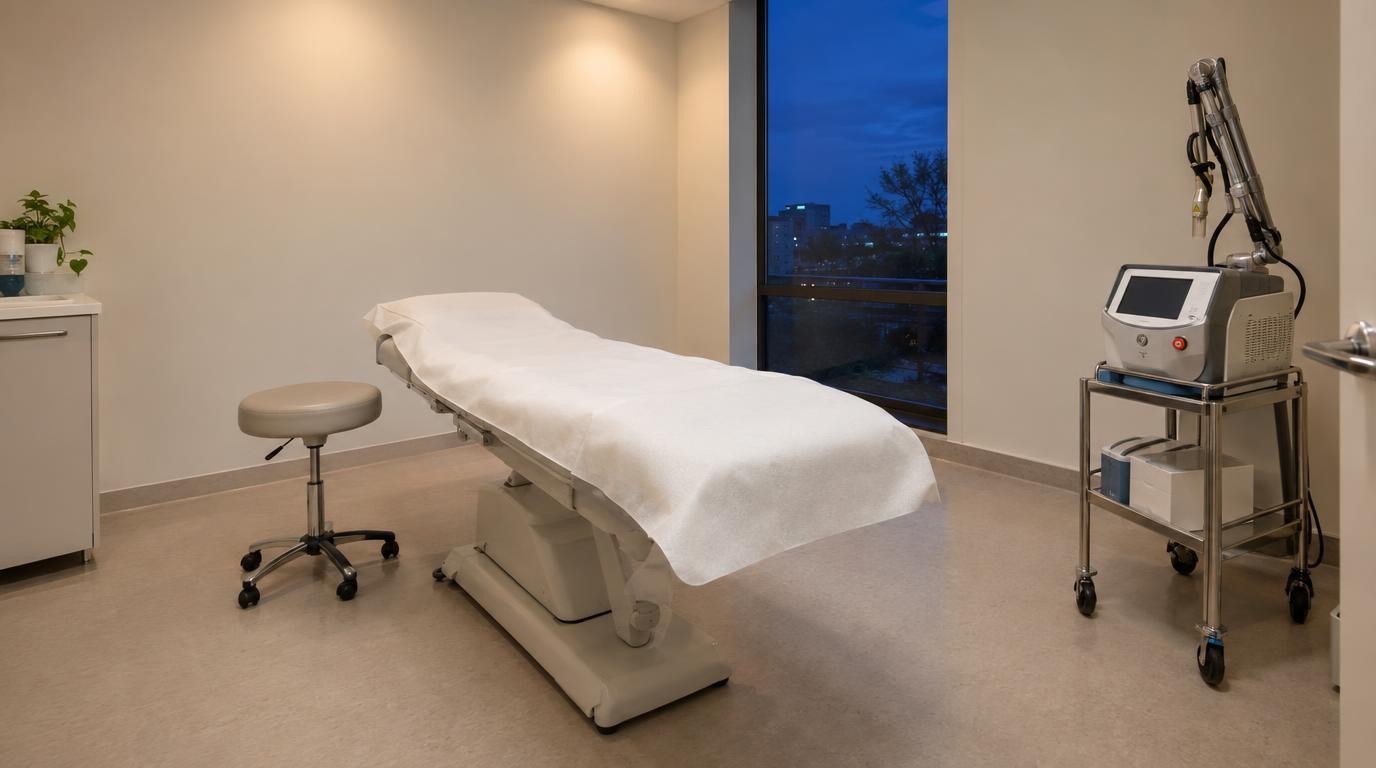
Fractional CO2 treatment can be uncomfortable despite numbing. The American Society of Plastic Surgeons’ procedure guide describes skin cleansing, eye protection, anesthesia when needed and a protective dressing afterward. A treatment generally follows this order:
- The treatment area is cleaned and the eyes are protected. Numbing or another form of anesthesia is used according to the extent of resurfacing.
- The laser delivers separated columns of energy across the selected area. You may feel heat or stinging.
- A protective dressing or topical treatment is applied, with instructions for caring for the skin as it heals.
What Skin Concerns Can Fraxel and CO2 Lasers Treat?
Both Fraxel treatment and CO2 resurfacing may improve wrinkles, sun damage, uneven texture and the appearance of some scars. Our Fraxel service also addresses stretch marks and discoloration, including melasma, although improvement varies and scars or stretch marks may remain visible. Melasma can recur or worsen after laser treatment and needs a different assessment from ordinary sun spots. Ablative CO2 may be considered for deeper etched lines or scars, while surface discoloration may call for a different approach. Pigment concerns require particular care because laser treatment can itself cause unwanted color changes.
Can laser resurfacing reduce deep wrinkles?
The American Academy of Facial Plastic and Reconstructive Surgery’s skin-resurfacing guide describes laser treatment for wrinkles and scarring. Resurfacing can soften some deeper wrinkles, but it cannot reliably erase deeply etched lines. Its effect on skin laxity depends on how extensively the skin is treated; marked sagging may need another approach. Improvement also depends on the type of wrinkle, laser and treatment settings.
What will a CO2 laser help with?
CO2 resurfacing may soften wrinkles that remain when your face is at rest, including lines around the eyes and mouth. It may also smooth rough texture and reduce the appearance of acne scars, sun damage and uneven tone. Improvement depends on treatment depth and your skin; scars may remain visible.
What Is Recovery Like After Fraxel vs CO2 Laser Treatment?
Recovery depends on the device, settings and extent of treatment. The American Board of Cosmetic Surgery notes that nonablative lasers often require no downtime, though redness or swelling after nonablative Fraxel Dual can still affect your plans. Fractional CO2 is ablative and can cause oozing, swelling and peeling; it generally heals sooner than full-field CO2 because skin remains between the treated columns. Full-field CO2 usually requires a longer recovery. Depending on treatment depth, ablative skin can take two to three weeks to heal.
How long does healing take after fractional laser?
An article on the American Board of Cosmetic Surgery’s site gives examples of CO2 resurfacing patients feeling ready for video calls around day five and returning to work with makeup near the end of the first week. Those are possible milestones, not a clearance timeline for every fractional CO2 treatment; full-field CO2 can take longer. Healing depends on treatment depth and settings, and pinkness may linger for several weeks. Follow your aftercare instructions, avoid picking at treated skin and use sun protection while it heals.
Which Laser Treatment Is Safer: Fraxel or Traditional CO2?
Neither name identifies a universally safer treatment. A nonablative Fraxel treatment, fractional CO2 treatment and full-field CO2 resurfacing affect the skin differently. The appropriate choice depends on the concern being treated, skin tone, medical history and treatment settings.
Why is fractional CO2 considered safer than fully ablative CO2?
Leaving untreated skin between the CO2 treatment columns generally shortens initial healing compared with full-field resurfacing. It does not leave the whole skin surface intact: each treated column is ablated. Deeper treatment can increase the risk of difficult healing or scarring.
Is CO2 more intense than Fraxel?
Compared with nonablative Fraxel Dual, ablative CO2 removes tissue and generally requires more recovery. But fractional CO2 and full-field CO2 differ from each other, and intensity varies with settings. “Fraxel” is a brand name, not a fixed treatment intensity, so the device, wavelength and treatment pattern matter more than a comparison of names.
Ready to Explore Your Laser Resurfacing Options?
We offer Fraxel treatment at NW Laser in Vancouver, Washington. If you would like to discuss your skin goals, the device used and what recovery would mean for you, schedule a consultation with our team at 360-260-7069.
Risks, Side Effects and Who Is Not a Candidate
Expected effects after ablative resurfacing include redness, swelling, tenderness and peeling or oozing. Possible complications include infection, scarring and lasting changes in skin color. An FDA adverse-event report quoting the Fraxel Dual operator manual also identifies burns, blistering, redness and temporary or permanent skin color changes as possible complications of Fraxel Dual treatment. A CDC case report describes lower rates of hypopigmentation, scarring and infection with fractional CO2 than with traditional ablative resurfacing. It reports two patients who developed nontuberculous mycobacterial infections within two weeks of fractional CO2 treatment, but those cases do not establish a reliable percentage for your individual risk. Cold sores can also reactivate after resurfacing. If you have active acne or an infection in the treatment area, you may need to postpone resurfacing until it resolves and a clinician evaluates your skin. Certain medications, connective-tissue disorders and a history of poor wound healing require individual assessment and may make ablative treatment unsuitable. Ablative CO2 may be a poor choice for some darker skin tones because it can cause lighter or darker patches; that does not rule out every laser treatment. A licensed clinician should review your skin tone, medications, medical history and any history of cold sores before treatment.
Contact the treating clinic promptly if redness spreads, pain worsens, pus appears, clusters of new bumps or pustules develop, or you have a fever. Seek urgent medical care for eye pain or a change in vision after treatment.

Frequently Asked Questions
Does Fraxel or CO2 laser treatment hurt?
It can hurt. Sensations range from heat or stinging to more substantial discomfort, depending on the laser, treatment depth and area. Topical numbing may help, but deeper ablative resurfacing can require injected local anesthetic or sedation.
How many laser treatments will I need to see results?
At NW Laser, the first Fraxel session can resurface 20–25% of the target area, and you may see improvement after that session. At NW Laser, we typically recommend four to five Fraxel treatments for optimal results. That is not a required number for other fractional or full-field CO2 treatments; your plan depends on the device, settings and concern being treated.
How long do Fraxel and CO2 laser results typically last?
An article on the American Board of Cosmetic Surgery’s site says results from appropriately aggressive CO2 resurfacing may last for years with skin care and sun avoidance, and collagen remodeling can continue for up to six months. Neither duration is guaranteed or applies to every Fraxel device. Results vary with the treatment and your skin; sun exposure and ongoing aging can change them. Fraxel laser before and after photos may illustrate possible changes, but lighting and timing affect comparisons.
What skin types are suitable for fractional laser treatment?
Fractional treatments can be used across a range of skin tones, but the device and settings matter. Darker skin has a greater concern for post-treatment pigment changes, particularly with ablative CO2. Skin tone alone does not determine suitability; the type of discoloration and the risk of scarring or poor healing also matter.
When can I resume wearing makeup after laser resurfacing?
Wait until the treated surface has healed and your treating clinician says makeup is safe; do not apply it to raw or oozing skin. After fractional CO2, the first-week return-to-work example is not a rule for makeup use, and full-field CO2 may take longer to heal. Makeup may be possible sooner after nonablative Fraxel if your skin remains intact, but follow your individual aftercare instructions.
Why might someone consider full-field rather than fractional CO2?
A clinician may consider full-field CO2 when more extensive resurfacing is needed for etched wrinkles or significant sun damage and you are prepared for a longer recovery. It may also improve more pronounced skin laxity than a fractional pass. Treating the entire selected surface more deeply can increase pigment risk, so the choice depends on your skin, goals and tolerance for downtime.
What should I ask about the proposed laser treatment?
Ask our team for the device model and wavelength, whether the proposed treatment is ablative or nonablative, and whether it treats the skin fractionally or across the full selected area. Ask what the planned settings mean for your expected improvement, number of visits, aftercare and time away from your usual activities.
Related reading
Sources
Clinical resources cited above include articles from the American Academy of Ophthalmology and the American Board of Cosmetic Surgery, the American Society of Plastic Surgeons’ procedure guide, a CDC case report, an FDA adverse-event report and an article on Fraxel Dual in Dermatologic Surgery.
This information is general and is not medical advice. Talk to a licensed clinician about your own situation before making a treatment decision.
About the doctor at NW Laser
Dr. Max Grishkevich, MD – Founder and Medical Director of NW Laser & Skin Care Center; member of the American Academy of Cosmetic Surgery.
