

Last updated: September 19, 2026
Recent sports medicine research is reshaping how providers approach prp therapy, with September 2026 findings offering clearer guidance on what constitutes effective dosing. A clinical commentary published that month cited RESTORE/PEAK trial data showing that PRP benefits emerge most consistently when treatments deliver 5 to 10 billion or more platelets, while lower doses showed limited efficacy in achieving meaningful pain relief or functional improvements. For men and women in the Portland-Vancouver metro area exploring PRP for aesthetic concerns or joint health, understanding these dosing thresholds represents a meaningful shift in how treatment expectations can be set. This article examines what the research reveals, why platelet count matters, and how high-dose PRP protocols may translate into real-world outcomes for wrinkle treatments, skin rejuvenation, hair thinning, and more.
What Is PRP Therapy and How Does It Work?
PRP therapy is a medical treatment that uses a patient’s own concentrated platelets to promote healing and regeneration in targeted tissues. By isolating and reinjecting these growth-factor-rich cells, PRP aims to amplify the body’s natural repair processes for both aesthetic and orthopedic applications.
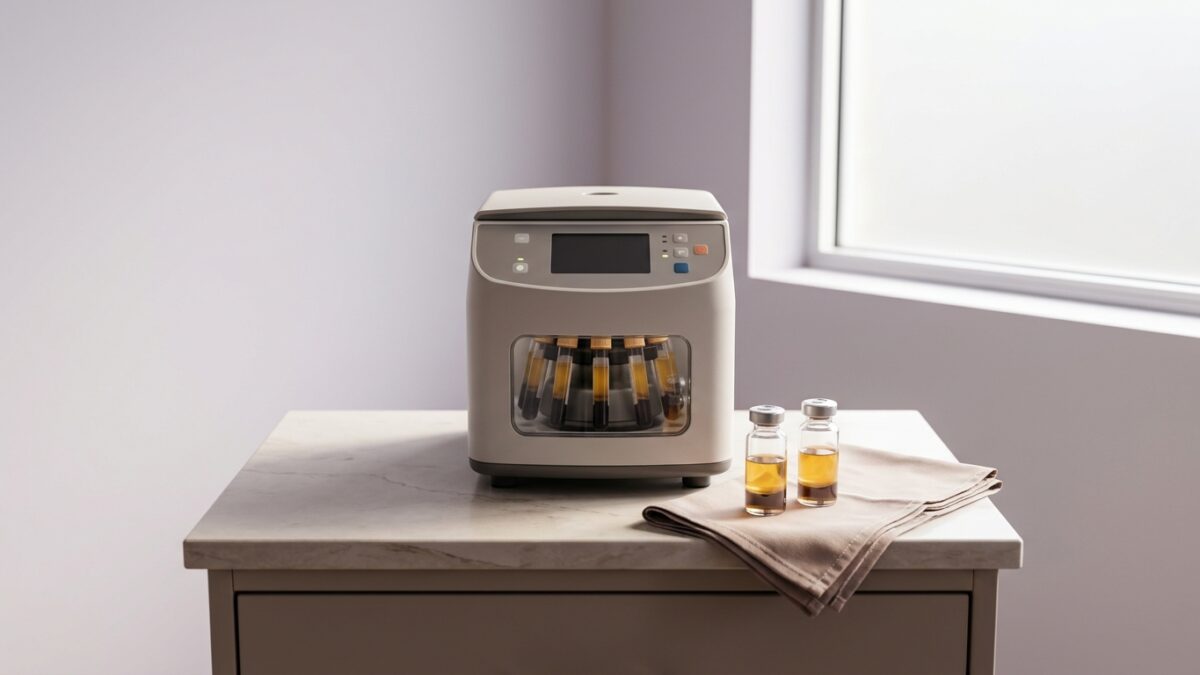
PRP therapy harnesses the body’s natural healing mechanisms by concentrating platelets from a patient’s own blood and reintroducing them to targeted areas. Platelets serve as reservoirs of growth factors and signaling proteins that orchestrate tissue repair and regeneration. In clinical practice, a small blood sample undergoes centrifugation to separate the platelet-rich plasma from other blood components, creating a concentrated solution that can be applied or injected where rejuvenation is desired. The preparation process matters considerably, as the concentration method, spin parameters, and handling influence the final product’s composition and potency.
What Role Do Platelets Play in Healing and Rejuvenation?
Platelets function as active participants in tissue repair rather than passive bystanders, releasing growth factors that stimulate collagen production, accelerate cell turnover, and draw regenerative cells to the treatment site. When applied to skin, these growth factors support the skin’s natural renewal processes, potentially improving texture, firmness, and overall complexion. For scalp and hair follicle applications, platelets may help create a more favorable environment for hair growth by delivering nutrients and signaling molecules to dormant follicles. The concentrated nature of PRP means that treatment areas receive a higher dose of these healing factors than circulating blood naturally provides, theoretically amplifying the body’s inherent repair capabilities.
What Happens During a Typical PRP Treatment Session?
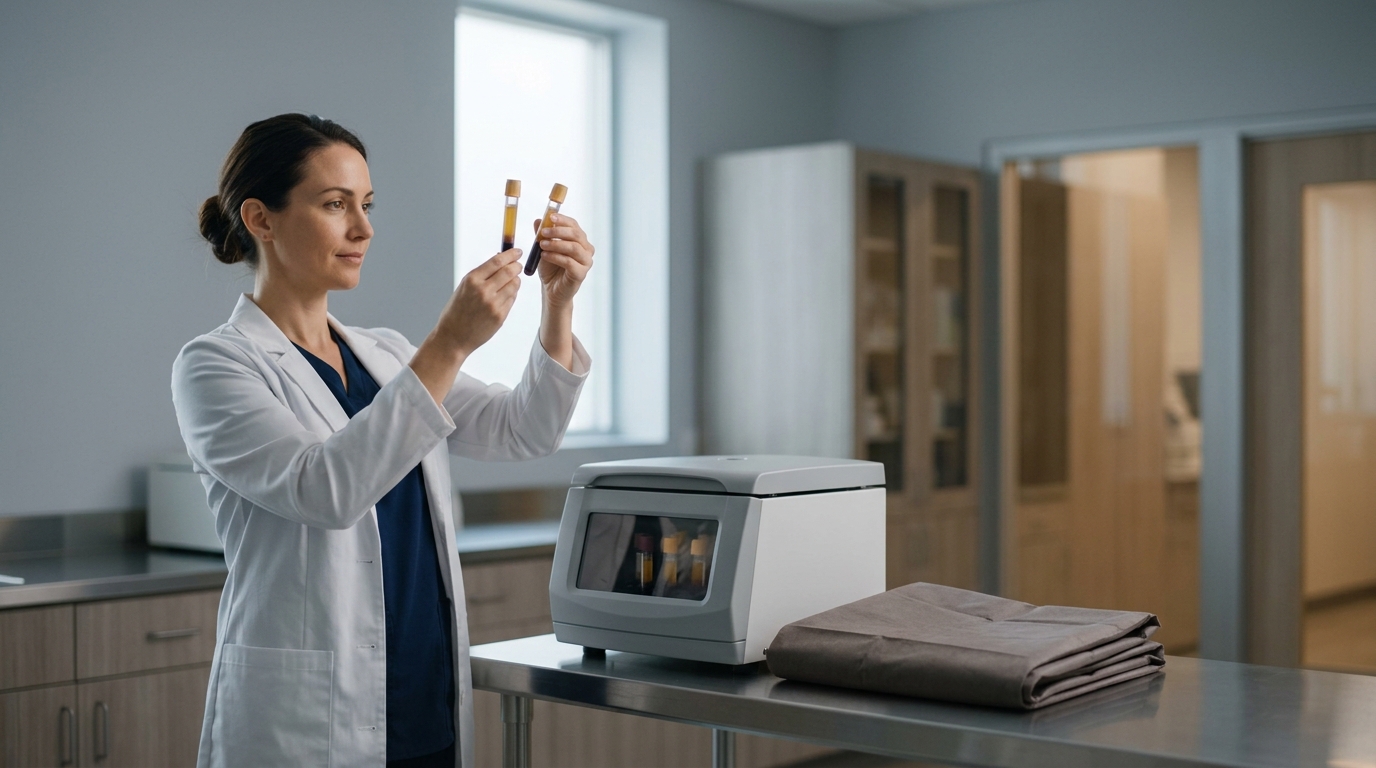
A standard PRP session begins with a brief blood draw, typically from the arm, after which the sample is placed in a centrifuge that spins at precisely calibrated speeds to separate blood components. The separation process isolates the platelet-rich plasma layer, which is then drawn into a syringe for application or injection. Treatment areas are often numbed with topical anesthetic to maximize comfort during the procedure. The entire process from blood draw to completion generally spans 45 minutes to an hour, depending on the number of areas being treated. Patients can typically resume normal activities shortly afterward, though specific post-treatment guidance varies based on the treatment area and individual circumstances.
What Does the September Research Reveal About PRP Dosing?
September 2026 sports medicine research demonstrated that PRP efficacy depends critically on platelet dosing, with treatments delivering 5 to 10 billion platelets or more per session showing substantially better outcomes than lower-dose preparations. The RESTORE/PEAK trial data provided the evidence base for these dosing recommendations.
Effective prp therapy depends critically on platelet dosing, with the September 2026 sports medicine commentary demonstrating that treatments delivering 5 to 10 billion platelets or more per session achieved measurable improvements in pain relief and functional outcomes. The RESTORE/PEAK trial data showed that treatments falling below this threshold had substantially reduced efficacy, suggesting that some previously reported PRP failures reflect inadequate dosing rather than fundamental ineffectiveness of the approach itself. This finding carries significant implications for how PRP is prepared and administered, indicating that concentration protocols achieving higher platelet yields may offer meaningful advantages over more conservative approaches.
What Did the RESTORE/PEAK Trial Data Show About Effective Platelet Counts?
Analysis of the RESTORE/PEAK trial data indicated that clinical benefits correlated strongly with achieving specific platelet count thresholds, with 5 to 10 billion platelets representing the range where most patients experienced meaningful improvements. Treatments delivering lower platelet concentrations showed diminished responses, leading researchers to conclude that dosing strategy represents a critical variable in treatment success. The trial examined outcomes across multiple patient populations and treatment applications, with consistent patterns emerging around the importance of reaching adequate platelet concentrations. This evidence supports the rationale for preparation methods that maximize platelet yield rather than producing minimally concentrated solutions.
Why Did Low-Dose PRP Treatments Fail to Achieve Clinical Outcomes?
Low-dose PRP preparations failed to achieve clinical outcomes likely because insufficient platelets cannot generate the concentrated growth factor environment needed to drive meaningful tissue response. When platelet counts fall below therapeutic thresholds, the signaling cascade that initiates and sustains repair processes may not reach the intensity required for observable improvements. Additionally, lower concentrations mean that protective and regenerative factors are more diluted at the treatment site, potentially allowing inhibitory processes to dominate. The RESTORE/PEAK findings suggest that some previously reported PRP failures may reflect inadequate dosing rather than inherent limitations of the treatment approach.
Why Does Platelet Count Matter for Joint and Aesthetic PRP Therapy?
Platelet count directly determines the concentration of healing factors delivered to treatment areas, making adequate dosing essential for both joint health and aesthetic outcomes. Higher platelet concentrations generate stronger regenerative signaling, supporting tissue repair, collagen production, and inflammation modulation more effectively than low-dose preparations.
Platelet count directly influences treatment outcomes by determining the concentration of growth factors and healing proteins delivered to target tissues. In joint health contexts, adequate dosing supports the repair of degenerative tissues, helps modulate inflammation, and may slow osteoarthritis progression by creating conditions more favorable for tissue maintenance. For aesthetic applications, higher platelet concentrations can more effectively stimulate collagen and elastin production, improve skin texture, and support the cellular turnover that addresses signs of aging. The September research reinforces that both cosmetic and orthopedic applications benefit from protocols designed to achieve robust platelet concentrations rather than minimal preparations.
How Does Dosing Affect Pain Relief and Function Improvement?
Research indicates that pain relief and function improvement following PRP therapy correlate with achieving adequate platelet concentrations at the treatment site. Higher doses generate stronger anti-inflammatory effects and more effective tissue repair signaling, translating to greater functional gains for patients with joint discomfort or soft tissue concerns. Patients receiving properly dosed PRP for conditions like knee osteoarthritis have reported improvements in mobility, reduced discomfort during activity, and better overall joint function compared to baseline. The RESTORE/PEAK data specifically documented these benefits in patients receiving the higher platelet count protocols, supporting the importance of dosing optimization.
What Platelet Thresholds Are Needed to Slow Osteoarthritis Progression?
The concentration and total dose delivered appear to influence whether PRP can meaningfully impact the degenerative processes underlying osteoarthritis rather than simply masking symptoms temporarily. Patients seeking to address joint health concerns should discuss platelet dosing protocols with providers who can tailor treatment plans to these evidence-based thresholds.
What Aesthetic Concerns Can High-Dose PRP Address?
High-dose PRP therapy can address multiple aesthetic concerns including wrinkles, fine lines, skin sagging, dull complexion, uneven texture, and sun damage by delivering concentrated growth factors that stimulate collagen and elastin production. The regenerative signaling supports cellular turnover and skin rejuvenation across facial, neck, and hand areas.
High-dose prp therapy offers potential benefits for multiple aesthetic concerns by leveraging concentrated growth factors to support the skin’s natural rejuvenation processes. The regenerative signaling promoted by robust platelet concentrations may help address visible signs of aging, environmental damage, and textural irregularities that many patients wish to improve. Treatment protocols can be adapted to target specific concerns, whether focusing on facial rejuvenation, neck and Décolletage appearance, or hand skin quality. For patients in the Portland-Vancouver area exploring non-surgical approaches to common aesthetic concerns, understanding what PRP may address represents an important step in evaluating treatment options.
How Does PRP Work for Wrinkles, Fine Lines, and Skin Sagging?
When applied to facial skin, the growth factors released from concentrated platelets stimulate fibroblasts to produce collagen and elastin, the structural proteins that maintain skin firmness and elasticity. As new collagen deposits form over weeks following treatment, gradual improvements in wrinkle depth and fine line visibility may become apparent. The lifting effect associated with PRP relates to improved skin thickness and structural support rather than the immediate volumization of dermal fillers. Patients often observe progressive refinement in skin sagging as the regenerative cascade continues, with optimal results typically emerging over multiple treatment sessions.
Can PRP Help with Dull Skin, Uneven Texture, and Sun Damage?
Dull skin, uneven texture, and accumulated sun damage represent areas where PRP’s cellular regeneration support may offer meaningful improvement. The increased cellular turnover stimulated by platelet-derived growth factors helps shed damaged surface cells while promoting the development of healthier, more evenly pigmented skin beneath. For patients concerned about textural roughness or the cumulative effects of sun exposure, PRP may support a more luminous and uniform complexion over time. Many providers combine PRP with complementary treatments like microneedling to enhance penetration and amplify regenerative effects, creating synergistic approaches to skin rejuvenation.
How Is PRP Used for Hair and Scalp Health?
PRP therapy for hair loss delivers concentrated platelets directly to dormant or miniaturizing hair follicles, aiming to create a supportive microenvironment for improved follicle function. Growth factors from platelets can extend the growth phase of existing hair and encourage inactive follicles to resume production.
PRP therapy for hair and scalp health delivers concentrated growth factors directly to hair follicles that may be underperforming or entering a dormant phase. The treatment aims to create a more supportive microenvironment for follicle function, potentially extending the growth phase of existing hair and encouraging dormant follicles to resume producing hair. This application addresses concerns ranging from early-stage androgenetic alopecia to more diffuse thinning patterns that affect both men and women. For patients exploring non-surgical hair restoration options, understanding the mechanism and expected outcomes of PRP for hair loss provides a foundation for informed decision-making.

What Makes PRP Effective for Hair Thinning and Scalp Health?
PRP effectiveness for hair thinning relates to the ability of platelet-derived growth factors to revitalize follicles that have become progressively smaller and less productive over time. Growth factors such as vascular endothelial growth factor and platelet-derived growth factor support angiogenesis around the follicle, improving blood supply and nutrient delivery to hair-producing cells. Additionally, these signaling molecules help modulate the inflammatory microenvironment that can contribute to follicle miniaturization. By delivering a concentrated dose of these factors directly to the scalp, PRP therapy may help reverse or slow the progression of thinning in many patients.
What Results Can Patients Expect from PRP for Hair Loss?
Outcomes from PRP hair restoration vary based on individual factors including the extent and duration of hair loss, overall health, and adherence to recommended treatment protocols. Most patients require an initial series of sessions spaced several weeks apart, followed by maintenance treatments to sustain results over time. Early improvements often manifest as reduced shedding and improved hair caliber, with more visible density increases emerging as the growth cycle normalizes. While PRP can produce meaningful improvements for many patients, those with long-standing complete baldness in specific areas may see limited benefits since follicles that have fully ceased functioning may not respond to regenerative signaling.
Risks, Side Effects and Who Is Not a Candidate
PRP therapy uses the patient’s own blood products, which minimizes allergy risks and infection concerns compared to donor-derived treatments. Common side effects include temporary redness, swelling, and mild discomfort at injection sites. Patients with blood disorders, platelet dysfunction, active infections, or certain autoimmune conditions may not be suitable candidates.
PRP therapy uses the patient’s own blood products, which reduces the risks associated with donor tissues and significantly reduces allergy concerns. Common side effects include temporary redness, swelling, bruising, or mild discomfort at the injection or treatment site. Because PRP is a blood-derived product, patients with blood disorders, platelet dysfunction, or active infections should discuss their medical history thoroughly with a qualified provider before treatment. Pregnant or breastfeeding individuals and those with certain autoimmune conditions affecting connective tissue may not be suitable candidates. Patients should discuss their complete medical history with their clinician to determine whether PRP represents an appropriate option for their specific circumstances.
For men and women in Maywood Park, Portland, Vancouver, Camas, and surrounding communities seeking evidence-based PRP treatments, understanding the importance of platelet dosing represents a meaningful step toward making informed decisions about care. The September research findings underscore that treatment outcomes depend significantly on achieving adequate platelet concentrations, making it essential to choose providers who prioritize proper preparation protocols and evidence-based dosing strategies. To learn more about our comprehensive approach to prp therapy, visit our PRP therapy page or explore related treatments like FRAXEL laser treatment for complementary skin rejuvenation options.
If you are considering PRP therapy for aesthetic concerns such as wrinkle treatments, sun damage, skin rejuvenation, or hair thinning, or if you are exploring options for joint health support, scheduling a consultation allows for a thorough discussion of how platelet dosing may influence your individual treatment plan. NW Laser invites you to contact our team to learn more about our approach to PRP therapy and whether it may be appropriate for your goals.
Frequently Asked Questions
What platelet count threshold does research show is needed for effective PRP treatment?
Research from September 2026, citing RESTORE/PEAK trial data, shows that PRP benefits emerge most consistently when treatments deliver 5 to 10 billion or more platelets per session. Treatments falling below this threshold showed substantially reduced efficacy in achieving meaningful pain relief or functional improvements, suggesting that dosing strategy represents a critical variable in treatment success.
How does PRP therapy work to rejuvenate skin and treat wrinkles?
PRP therapy works by injecting concentrated platelets into target areas, where they release growth factors that stimulate fibroblasts to produce collagen and elastin. These structural proteins improve skin firmness and elasticity over time. As new collagen deposits form over weeks following treatment, gradual improvements in wrinkle depth, fine lines, and skin sagging become apparent, with optimal results typically emerging over multiple sessions.
How long does a typical PRP treatment session take?
A standard PRP session takes 45 minutes to an hour from blood draw to completion. The process involves a brief blood draw, centrifugation to separate platelet-rich plasma, and application or injection of the concentrated solution. Treatment areas are often numbed with topical anesthetic for comfort, and patients can typically resume normal activities shortly afterward.
What results can patients expect from PRP therapy for hair loss?
Most patients require an initial series of sessions spaced several weeks apart, followed by maintenance treatments to sustain results. Early improvements often manifest as reduced shedding and improved hair caliber, with more visible density increases emerging as the growth cycle normalizes. Patients with long-standing complete baldness may see limited benefits since fully dormant follicles may not respond to regenerative signaling.
What are the common side effects and who should avoid PRP therapy?
Common side effects include temporary redness, swelling, bruising, or mild discomfort at the treatment site. Since PRP uses the patient’s own blood products, allergy risks are minimal. Patients with blood disorders, platelet dysfunction, active infections, those who are pregnant or breastfeeding, and individuals with certain autoimmune conditions affecting connective tissue may not be suitable candidates.
Related reading
- PRP Therapy in Vancouver: How AI Is Enhancing PRP Treatments for Better
- Microneedling is a minimally invasive cosmetic procedure using fine
- What Does Research Say About Cumulative Benefits of Laser Skin Resurfacing?
This article is general information and is not medical advice. Talk to a licensed clinician about your own situation before making a treatment decision.
