

Last updated: July 15, 2026
For years, patients and practitioners have turned to laser skin resurfacing as a powerful tool for skin rejuvenation. Now, a growing body of clinical evidence confirms what experienced dermatologists have long observed: repeated laser treatments deliver cumulative benefits that compound over time. Research published in recent dermatology reviews demonstrates that serial laser sessions progressively improve collagen density and skin elasticity, offering patients increasingly refined results with each treatment. This evidence is reshaping how Vancouver-area practices approach long-term skin health planning, emphasizing treatment protocols designed for lasting transformation rather than single-session fixes.
What Is Laser Skin Resurfacing and How Does It Work?
Laser skin resurfacing is a non-invasive cosmetic procedure that uses concentrated beams of light to remove damaged skin layers and stimulate the body’s natural healing processes. The treatment targets specific depths of skin tissue, triggering controlled thermal effects that prompt cellular renewal and collagen production. This approach allows practitioners to address a wide range of skin concerns with precision, from surface imperfections to deeper structural damage.
How Does Laser Energy Stimulate Skin Renewal?
When laser energy penetrates the skin, it creates microscopic thermal zones that damage targeted cells while leaving surrounding tissue intact. This process triggers the body’s wound-healing response, flooding the treated areas with growth factors and signaling proteins that stimulate fibroblast activity. Fibroblasts are the cells responsible for producing collagen and elastin, the structural proteins that give skin its firmness, elasticity, and youthful appearance.
As the skin heals over the following weeks and months, damaged collagen is broken down and replaced with new, organized collagen fibers. Studies on light therapy have shown measurable increases in intradermal collagen density following treatment protocols, with research published in the National Institutes of Health database documenting these collagen density improvements. The fractional nature of modern laser treatments means that untreated skin zones surrounding each micro-injury act as healing highways, accelerating recovery while maximizing treatment efficacy.
What Types of Laser Technologies Are Available?
The laser technology landscape offers two primary categories of skin resurfacing treatments. Ablative lasers, including carbon dioxide (CO2) and erbium lasers, precisely remove outer skin layers while heating deeper tissue to stimulate collagen remodeling. Non-ablative lasers work beneath the skin surface without damaging the outer layer, promoting collagen growth through thermal effects alone. A closer look at fractional CO2 laser treatment can help patients weigh resurfacing options, expected recovery, and individual goals.
Fractional laser technology represents a significant advancement in both categories. Rather than treating entire skin surfaces, fractional systems deliver laser energy in thousands of microscopic columns, creating a grid-like pattern of treated zones surrounded by untouched tissue. Fraxel laser treatment exemplifies this fractional approach, penetrating up to 1.4 millimeters into the skin to address multiple concerns including wrinkles, age spots, and acne scars while maintaining faster recovery times than fully ablative methods.
What Does Research Say About Cumulative Laser Skin Resurfacing Benefits?
Recent clinical reviews have validated what practitioners have observed in practice: laser skin resurfacing produces cumulative benefits that strengthen with repeated treatments. Rather than simply maintaining initial results, serial treatment protocols appear to progressively improve skin quality, suggesting that ongoing laser sessions may train the skin to produce collagen more efficiently over time.

How Do Cumulative Treatments Improve Collagen Density?
Each laser treatment session creates a fresh wave of collagen induction, but emerging research indicates that the skin’s response to subsequent treatments may exceed initial results. This phenomenon, sometimes called the “collagen building” effect, suggests that repeated thermal stimulation progressively enhances the skin’s structural integrity. Clinical imaging has demonstrated visible improvements in collagen fiber organization and density following multiple treatment sessions, with each series building upon the gains achieved in previous protocols.
The mechanism appears to involve both quantitative and qualitative improvements in collagen production. Beyond simply generating more collagen, repeated laser treatments seem to produce collagen fibers with better organization and cross-linking, resulting in skin that feels firmer and appears more resilient. Recent advancements in laser technology continue to refine these effects, with newer systems offering improved targeting capabilities that further enhance cumulative outcomes.
What Long-Term Skin Elasticity Improvements Have Been Documented?
Skin elasticity, the ability of skin to snap back into place after being stretched or compressed, naturally declines with age due to decreases in both collagen and elastin fibers. Research on serial laser treatments has documented measurable improvements in skin elasticity parameters following completed treatment protocols. These improvements appear to persist and potentially deepen over time as the newly produced collagen matures and integrates into the skin’s existing structural framework.
Clinical assessments using standardized elasticity measurements have shown that patients who complete recommended laser treatment series demonstrate statistically significant improvements compared to baseline measurements. Importantly, these gains in elasticity correlate with visible improvements in skin laxity, texture refinement, and overall facial rejuvenation, creating comprehensive anti-aging benefits that extend beyond what any single treatment could achieve.
What Skin Concerns Can Laser Resurfacing Address Over Time?
Laser skin resurfacing offers versatile treatment capabilities across multiple dermatological concerns, with cumulative protocols often producing superior outcomes compared to single-session approaches. The precision of modern laser systems allows practitioners to customize treatment depth and intensity to address specific concerns ranging from superficial pigmentation irregularities to deeper structural issues like acne scarring.
Can Laser Treatments Reduce Fine Lines and Deep Wrinkles?
Wrinkles form when collagen and elastin fibers degrade beneath the skin’s surface, often accelerated by sun exposure, natural aging processes, and repetitive facial expressions. Laser treatments target the structural causes of wrinkling by rebuilding the collagen foundation that supports smooth, youthful skin. Fractional treatments combining laser therapy with complementary approaches can address both fine surface lines and deeper expression wrinkles with protocols tailored to individual patient needs.
Clinical experience consistently demonstrates that wrinkle reduction improves progressively through treatment series. Early sessions smooth surface irregularities and soften fine lines, while subsequent treatments penetrate deeper to address more pronounced creases and folds. Patients typically observe cumulative improvements in wrinkle depth, length, and overall skin smoothness as they complete their personalized treatment plans.
How Does Laser Resurfacing Improve Scars and Sun Damage?
Acne scars, surgical scars, and trauma-related skin damage respond particularly well to laser resurfacing protocols designed for cumulative improvement. Fractional laser systems break down scar tissue while stimulating the production of new, normal-appearing skin cells to replace damaged areas. Professional laser treatments for various dermatological conditions address scar types ranging from shallow rolling scars to deeper ice-pick and boxcar scars with protocols adjusted to scar depth and patient skin type.
Sun damage manifests as uneven pigmentation, rough texture, age spots, and pre-cancerous changes that accumulate over years of UV exposure. Laser treatments precisely target melanin-containing cells and damaged collagen, removing hyperpigmented areas while triggering renewal processes that restore healthier skin architecture. Laser treatment for liver spots and sun spots addresses these common concerns with technology that specifically targets the pigmented cells responsible for age-related discoloration.
What Results Can Patients Expect for Melasma and Uneven Tone?
Melasma presents unique treatment challenges due to its hormonal components and tendency toward recurrence, but laser protocols have demonstrated meaningful improvements in this stubborn pigmentation disorder. Professional approaches to melasma combine laser treatments with complementary therapies to address both the visible pigmentation and underlying triggers that contribute to this condition.
For patients dealing with general uneven skin tone, laser resurfacing offers a path toward more uniform coloration and texture. The cumulative effect of repeated treatments progressively lightens hyperpigmented areas while building the collagen foundation that gives skin its healthy, radiant appearance. Multiple sessions allow for gradual, natural-looking improvements that avoid the stark contrasts sometimes associated with aggressive single treatments.
How Does the Laser Skin Resurfacing Treatment Process Work?
Understanding what to expect during laser skin resurfacing helps patients approach treatment with confidence and realistic expectations. The process involves careful preparation, precise treatment delivery, and structured recovery phases that work together to produce optimal outcomes.
What Happens During a Laser Treatment Session?
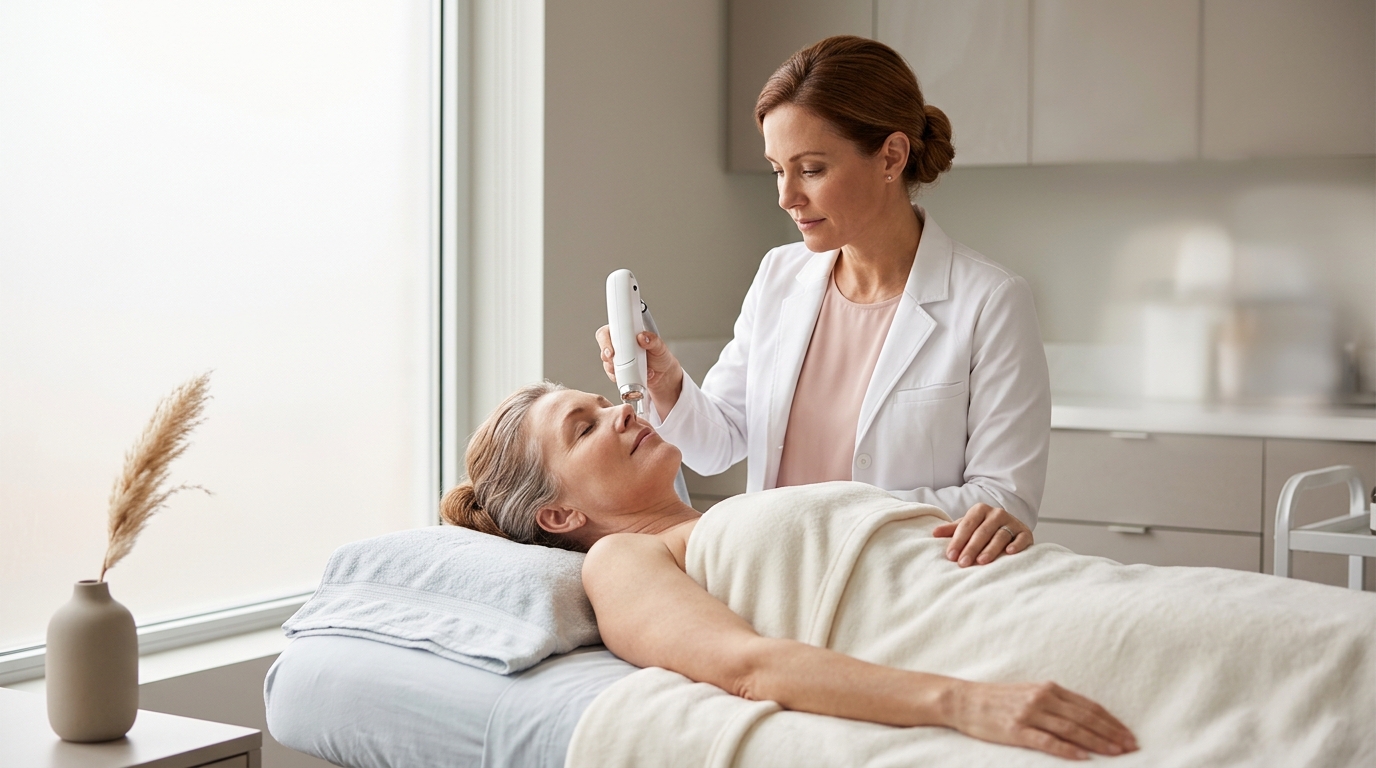
Treatment sessions typically begin with thorough cleansing of the treatment area followed by application of topical anesthetic to ensure patient comfort throughout the procedure. Protective eyewear shields both patient and practitioner from laser energy, and a cooling device may be used alongside the laser to maintain comfortable skin temperatures during treatment.
The practitioner guides the laser handpiece across the treatment area in precise patterns, delivering controlled energy pulses that create the microscopic treatment zones characteristic of fractional technology. Most facial treatments take 30 to 60 minutes depending on the treatment area size and specific protocol. Patients typically describe sensations of warmth, prickling, or mild snapping during energy delivery, but the numbing medication keeps discomfort manageable for the vast majority of individuals.
How Should Patients Prepare for Their Laser Procedure?
Preparation for laser skin resurfacing begins several weeks before the treatment session with steps designed to optimize outcomes and minimize complications. Patients should avoid sun exposure, tanning beds, and self-tanning products for at least four weeks before treatment, as tanned skin carries higher risks of pigmentation changes following laser procedures.
Certain medications and skincare ingredients require adjustment before treatment. Blood-thinning supplements and anti-inflammatory medications should be discontinued as directed by your practitioner. Retinoids, glycolic acid, and other exfoliating products are typically paused in the week leading up to treatment to reduce skin sensitivity. A thorough consultation with your provider ensures that all preparation guidelines are customized to your specific situation and medical history.
What Recovery and Results Can Patients Expect After Laser Treatments?
Recovery from laser skin resurfacing varies based on treatment depth, laser type, and individual healing responses. Understanding the typical recovery trajectory helps patients plan appropriately and recognize normal healing milestones. Our guide compares CO2 and Fraxel lasers, including their uses, treatment types, and expected recovery timelines.
How Long Does Healing Take After Laser Resurfacing?
Immediately following treatment, patients can expect redness, swelling, and mild discomfort similar to a sunburn sensation. These effects typically peak within the first 24 to 48 hours before gradually subsiding. Patients usually return to normal daily activities within 3 to 5 days, though full social recovery may take a week or two depending on treatment intensity.
The skin continues healing beneath the surface during this time, with visible flaking or peeling as damaged cells are shed and replaced. Complete healing of deeper tissue continues for several weeks, and patients should continue protecting treated skin from sun exposure throughout this period. Your practitioner provides detailed post-treatment skincare instructions designed to support optimal healing and maintain treatment results.
When Will Patients See Cumulative Improvements Develop?
Initial improvements become visible as the skin heals, with many patients noticing enhanced skin smoothness and more even tone within the first two weeks after treatment. However, the true transformation unfolds gradually over subsequent months as collagen remodeling continues. The most significant results typically emerge three to six months following each treatment session.
When patients complete a full treatment series, cumulative improvements become readily apparent. Fine lines have softened, pigmentation has lightened, and skin texture has refined beyond what any single session could achieve. Minimally invasive collagen induction therapies like microneedling can complement laser treatments in comprehensive rejuvenation plans, addressing complementary aspects of skin aging to maximize overall outcomes.
Why Choose Laser Skin Resurfacing Near Portland or Vancouver, Washington?
Residents of the Pacific Northwest have access to exceptional laser skin resurfacing resources without traveling to distant metropolitan centers. The greater Portland and Vancouver area offers numerous qualified practitioners, but choosing a local provider with demonstrated expertise ensures continuity of care and personalized treatment planning that produces the best cumulative results.
Vancouver, Washington and surrounding communities including Camas, Washougal, and the Portland metropolitan area host practices equipped with state-of-the-art laser technology and staffed by experienced providers who understand the specific needs of Northwest skin types. Local accessibility means easier scheduling for treatment series, convenient follow-up appointments, and the ability to build ongoing relationships with practitioners who track your progress across multiple sessions.
Northwest skin faces unique environmental challenges including significant cloud cover that many residents mistakenly believe eliminates sun protection needs, along with seasonal variations that affect skin health in different ways than sunnier climates. Local practitioners understand these regional factors and can incorporate appropriate considerations into treatment planning and skincare recommendations.
How Many Laser Sessions Are Recommended for Optimal Rejuvenation?
The question of optimal treatment frequency connects directly to the emerging research on cumulative laser benefits. Rather than pursuing single treatments as isolated events, evidence-based practice increasingly supports series-based approaches that leverage the compounding effects of repeated laser sessions.
What Is a Typical Treatment Series Protocol?
Most laser skin resurfacing protocols recommend a series of three to five treatment sessions spaced several weeks apart to allow complete healing between appointments. The exact number depends on treatment goals, concern severity, and the specific laser technology employed. Superficial concerns like mild pigmentation or texture issues may resolve adequately with three sessions, while deeper wrinkles, significant scarring, or comprehensive rejuvenation often benefits from the full five-session series.
During initial consultations, practitioners assess skin condition, discuss aesthetic goals, and develop customized treatment plans that account for the cumulative nature of laser benefits. This personalized approach ensures that each patient receives the appropriate number of treatments to achieve their desired outcomes while avoiding unnecessary sessions or premature termination of protocols.
How Do Maintenance Treatments Support Long-Term Results?
After completing an initial treatment series, periodic maintenance sessions help preserve and potentially further enhance achieved results. Research suggests that maintenance treatments at regular intervals prevent the gradual decline of collagen density and elasticity that naturally occurs with aging, effectively extending the benefits of the initial treatment protocol.
Many practitioners recommend annual maintenance sessions following the completion of a primary treatment series, though individual maintenance schedules vary based on patient age, skin condition, and personal preferences. These ongoing sessions reinforce the cumulative benefits established during the initial protocol, supporting long-term skin health and sustained rejuvenation outcomes.
What Should Patients Know Before Pursuing Laser Skin Resurfacing?
Laser skin resurfacing represents a significant investment in long-term skin health, and patients benefit from understanding both the remarkable potential and the realistic limitations of these treatments. The cumulative nature of laser benefits means that committed patients who follow recommended protocols tend to achieve superior outcomes compared to those seeking quick fixes or isolated single sessions.
Choosing an experienced provider who understands the science of cumulative laser benefits ensures that treatment planning incorporates this evidence-based approach from the outset. Comprehensive consultations that address patient concerns, establish realistic expectations, and develop personalized protocols form the foundation of successful laser resurfacing journeys. When performed by qualified practitioners using appropriate technology, laser skin resurfacing offers a pathway to meaningful, progressive improvements in skin quality that last.
For those in the Vancouver and Portland area ready to explore what cumulative laser skin resurfacing benefits could mean for their skin, scheduling a consultation with NW Laser & Skin Care Specialists provides the opportunity to discuss personalized treatment options. The experienced team at NW Laser develops customized protocols designed around individual skin concerns and long-term rejuvenation goals, helping patients understand how serial laser treatments can address their specific needs and deliver lasting results. Contact NW Laser & Skin Care Specialists to begin your journey toward healthier, more youthful-looking skin with evidence-based treatment approaches tailored to your unique situation.
Frequently Asked Questions
What does research say about the cumulative benefits of laser skin resurfacing?
Clinical research confirms that repeated laser treatments produce cumulative benefits that strengthen over time. Serial sessions progressively improve collagen density and skin elasticity, with each treatment building upon gains from previous protocols. Studies document measurable increases in intradermal collagen density and visible improvements in collagen fiber organization following multiple treatment sessions.
How does laser skin resurfacing stimulate collagen production?
Laser energy creates microscopic thermal zones that damage targeted cells while leaving surrounding tissue intact. This triggers the body’s wound-healing response, flooding treated areas with growth factors and signaling proteins that stimulate fibroblast activity. Fibroblasts produce collagen and elastin, the structural proteins responsible for skin firmness and youthful appearance.
How many laser treatment sessions are needed for optimal rejuvenation?
Most laser skin resurfacing protocols recommend 3 to 5 treatment sessions spaced several weeks apart to allow complete healing between appointments. Superficial concerns like mild pigmentation may resolve with 3 sessions, while deeper wrinkles or significant scarring typically benefit from the full 5-session series. Practitioners customize treatment plans during initial consultations.
What is the recovery time after laser skin resurfacing?
Immediately after treatment, patients experience redness, swelling, and mild discomfort similar to sunburn that peaks within 24 to 48 hours. Most patients return to normal daily activities within 3 to 5 days, though full social recovery may take 1 to 2 weeks depending on treatment intensity. Complete internal healing continues for several weeks.
When will I see results from laser skin resurfacing?
Initial improvements become visible within the first 2 weeks as skin heals, with enhanced smoothness and more even tone. The most significant results emerge 3 to 6 months following treatment as collagen remodeling continues. Cumulative improvements from completing a full treatment series produce superior outcomes compared to single sessions.
How do maintenance treatments support long-term laser results?
After completing an initial treatment series, periodic maintenance sessions help preserve achieved results by preventing the gradual decline of collagen density that naturally occurs with aging. Many practitioners recommend annual maintenance sessions following the primary treatment protocol to extend benefits and support long-term skin health.
What skin concerns can laser resurfacing address over time?
Laser skin resurfacing addresses fine lines and wrinkles, acne scars and surgical scars, sun damage and age spots, melasma, and uneven skin tone. Cumulative treatment protocols produce superior outcomes compared to single sessions, with treatment depth customized to address concerns ranging from superficial pigmentation to deeper structural damage.
