


Last updated: July 11, 2026
Artificial intelligence is transforming the way dermatologists approach anti-aging treatments, offering unprecedented precision in planning procedures like PRP therapy. A 2024 review of more than 230 studies found AI achieves approximately 90% accuracy in identifying skin cancer, and this same technology is now being applied to aesthetic procedures. For patients in Vancouver, Washington, and Portland, Oregon, this means more personalized, effective treatments for wrinkles, hair loss, and skin rejuvenation.
What Is PRP Therapy and How Does It Work?
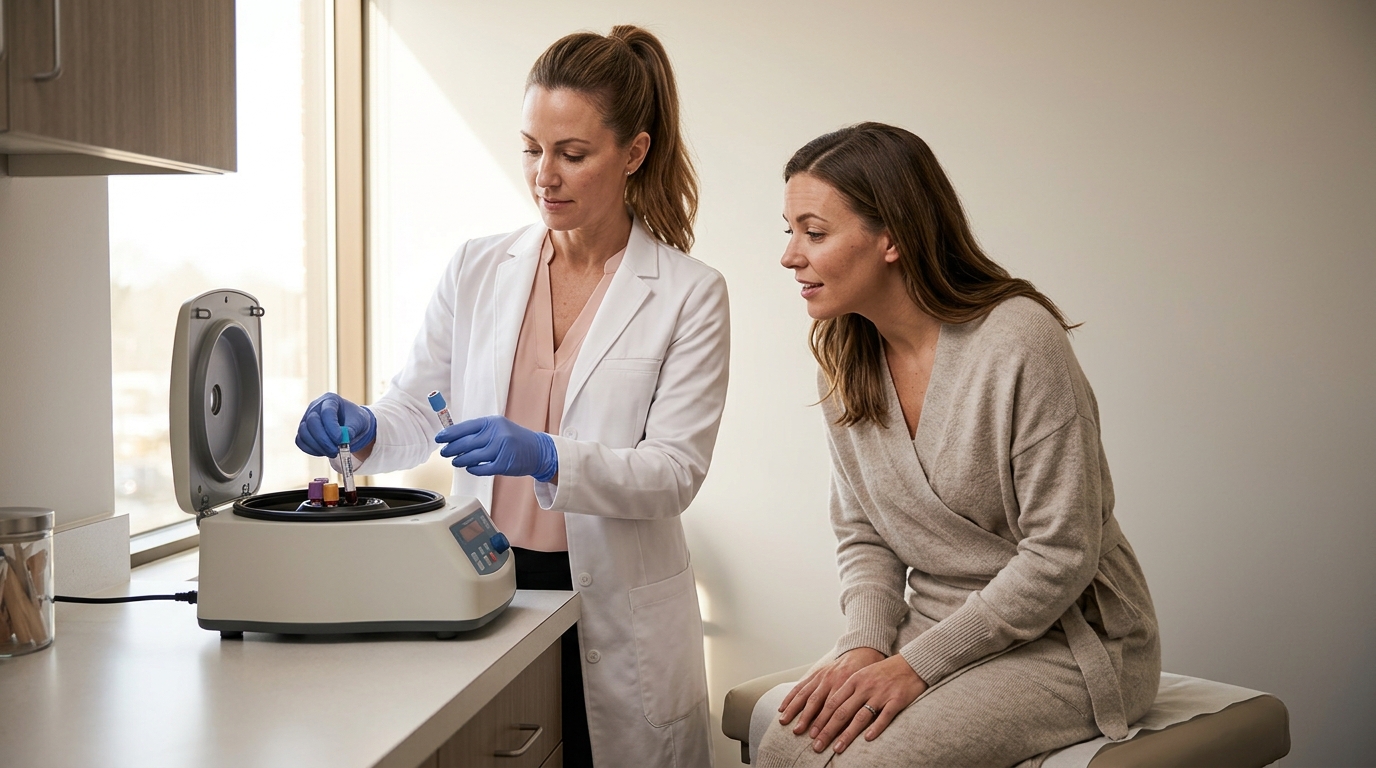
PRP therapy uses concentrated platelets from your own blood to stimulate healing and rejuvenation in targeted areas of the skin or scalp. The process begins with a simple blood draw, followed by centrifugation to separate the platelet-rich plasma from other blood components. This concentrated solution contains growth factors and proteins that promote tissue repair and collagen production.
What Are the Key Components of Platelet-Rich Plasma?
Platelet-rich plasma contains several essential elements that drive its regenerative effects. Platelets release growth factors including platelet-derived growth factor (PDGF), transforming growth factor-beta (TGF-β), and vascular endothelial growth factor (VEGF). These components work together to accelerate cell proliferation, enhance collagen synthesis, and improve blood supply to treated tissues. The concentration of these platelets in PRP – typically three to five times higher than normal blood – amplifies the body’s natural healing response.
How Does the Body’s Healing Response Support PRP Treatments?
When PRP is injected into the skin or scalp, the concentrated platelets respond to tissue injury by releasing their growth factors. This triggers a cascade of cellular events: new collagen fibers form, blood vessels regenerate, and dormant hair follicles may activate. The treatment essentially amplifies the body’s existing repair mechanisms, directing them precisely where they are needed most.
How Is AI Technology Improving Aesthetic Treatments Like PRP?
AI technology is enhancing aesthetic treatments by providing clinicians with sophisticated tools for analysis, planning, and outcome prediction. Dermatologists are now using AI-powered imaging and data analysis to create highly individualized treatment protocols, improving both safety and effectiveness. This integration represents a paradigm shift in how med spas and cosmetic practices approach anti-aging procedures.
What Role Does AI Play in Pre-Treatment Planning?
Before PRP therapy, AI systems can analyze detailed images of a patient’s skin or scalp to identify specific concerns and predict treatment response. These tools help clinicians determine optimal injection sites, concentration levels, and treatment frequency. By processing vast amounts of clinical data, AI assists practitioners in developing customized plans that address each patient’s unique needs and aesthetic goals.
How Does AI Improve PRP Post-Treatment Recovery?
Following PRP treatments, AI-powered monitoring systems can track healing progress and alert practitioners to any concerns. Patients benefit from more accurate timelines for expected results and personalized aftercare recommendations. This technology enables practitioners at NW Laser to provide ongoing support and adjust treatment plans based on objective data rather than guesswork.
What Skin Concerns Can PRP Therapy Help Address?
PRP therapy offers versatile solutions for multiple signs of facial aging and skin damage. The regenerative properties of platelet-rich plasma make it effective for addressing both early warning signs and more advanced concerns. Patients seeking non-surgical options for skin rejuvenation in the Vancouver and Portland areas are finding PRP to be a valuable addition to their anti-aging toolkit.
Can PRP Therapy Reduce Fine Lines and Wrinkles?
PRP therapy stimulates natural collagen production, which helps plump the skin and soften the appearance of fine lines and wrinkles. As new collagen develops over weeks and months following treatment, patients typically notice gradual improvements in skin texture and firmness. Combining PRP with procedures like microneedling can enhance these effects by creating micro-channels that improve absorption of the platelet-rich plasma.
How Does PRP Improve Dull Skin and Uneven Texture?
By promoting cellular turnover and increasing blood flow to the skin, PRP helps restore a healthy glow and smoother texture. The growth factors in platelet-rich plasma encourage the production of new, healthy skin cells while accelerating the shedding of damaged ones. Many patients report improved skin radiance and more even complexion within several weeks of treatment.
Can PRP Help Treat Sun Damage and Skin Sagging?
Sun damage and skin laxity respond well to PRP therapy due to its ability to repair and regenerate damaged tissue. The treatment helps rebuild collagen and elastin fibers that have been compromised by UV exposure, improving both firmness and pigmentation irregularities. For comprehensive results, PRP can be combined with Thermage radiofrequency treatments that target deeper skin layers for additional tightening.
Is PRP Effective for Dark Circles and Crepey Skin?
PRP can improve the appearance of dark circles by promoting blood vessel health and increasing skin thickness in the delicate under-eye area. For crepey skin – thin, fragile skin with a fine texture – platelet-rich plasma helps restore elasticity and hydration. The regenerative approach addresses these concerns at the cellular level rather than merely masking symptoms.
Can PRP Therapy Help With Hair Loss and Thinning?
PRP therapy has emerged as a promising treatment for androgenetic alopecia and other forms of hair loss. The growth factors in platelet-rich plasma can reactivates dormant hair follicles and strengthen existing hairs. For men and women in Maywood Park, Oregon, and Camas, Washington, struggling with thinning hair, PRP offers a non-surgical option that uses the body’s own healing mechanisms.
How Does PRP Support Scalp Health and Hair Regrowth?
When injected into the scalp, PRP delivers concentrated growth factors directly to hair follicles that may be weakened or dormant. These growth factors stimulate blood supply to the follicles, extending the growth phase of the hair cycle and increasing follicle size. Over time, this creates a healthier scalp environment conducive to sustained hair growth.
What Results Can Patients Expect From PRP Hair Treatments?
Results from PRP hair treatments typically become visible after three to six months, with most patients experiencing reduced hair shedding and increased hair density. Clinical observations suggest that consistent treatment sessions – often three to four initial sessions spaced four to six weeks apart – produce the most significant improvements. Maintenance sessions every few months help sustain results over time.
What Other Aesthetic Concerns Can PRP Treat?
Beyond facial rejuvenation and hair restoration, PRP therapy addresses various other aesthetic concerns affecting different areas of the body. The versatility of platelet-rich plasma makes it suitable for treating scarring, texture issues, and skin imperfections that may not respond well to other treatments alone.
Can PRP Help With Facial Acne Scars and Large Pores?
PRP therapy can improve the appearance of acne scars by promoting collagen remodeling in the affected areas. The growth factors help fill in depressed scars and smooth out uneven skin texture. Similarly, minimizing large pores becomes achievable as PRP enhances overall skin quality and elasticity, creating a refined, more uniform complexion.
How Does PRP Work on Abdominal Stretch Marks?
Stretch marks develop when the skin stretches rapidly, causing collagen and elastin fibers to rupture. PRP therapy can help improve the appearance of these marks by stimulating new collagen production in the affected tissue. While complete elimination may not be possible, significant improvement in color, texture, and depth of stretch marks has been reported with consistent treatment.
What Are the Benefits of Choosing PRP for Anti-Aging?
PRP therapy offers distinct advantages for patients seeking anti-aging treatments without surgery or extensive downtime. The use of the patient’s own blood eliminates concerns about allergic reactions or foreign substances. This natural approach aligns with growing patient interest in treatments that work with the body’s existing biology rather than against it.
Why Do Patients Prefer Non-Surgical PRP Treatments?
Patients appreciate PRP therapy because it requires no incisions, no general anesthesia, and minimal recovery time compared to surgical alternatives. The treatment can often be completed during a lunch break, allowing patients to return to normal activities quickly. Additionally, the natural origin of the treatment material provides peace of mind for those cautious about synthetic fillers or implants.
How Does PRP Fit Into a Personalized Skin Rejuvenation Plan?
PRP therapy works well as a standalone treatment or in combination with other aesthetic procedures for enhanced results. Practitioners can tailor PRP protocols to address each patient’s specific concerns, whether targeting fine lines, hair thinning, or skin texture. This flexibility makes platelet-rich plasma an adaptable component of comprehensive anti-aging strategies.
What Should I Expect During a PRP Treatment Session?
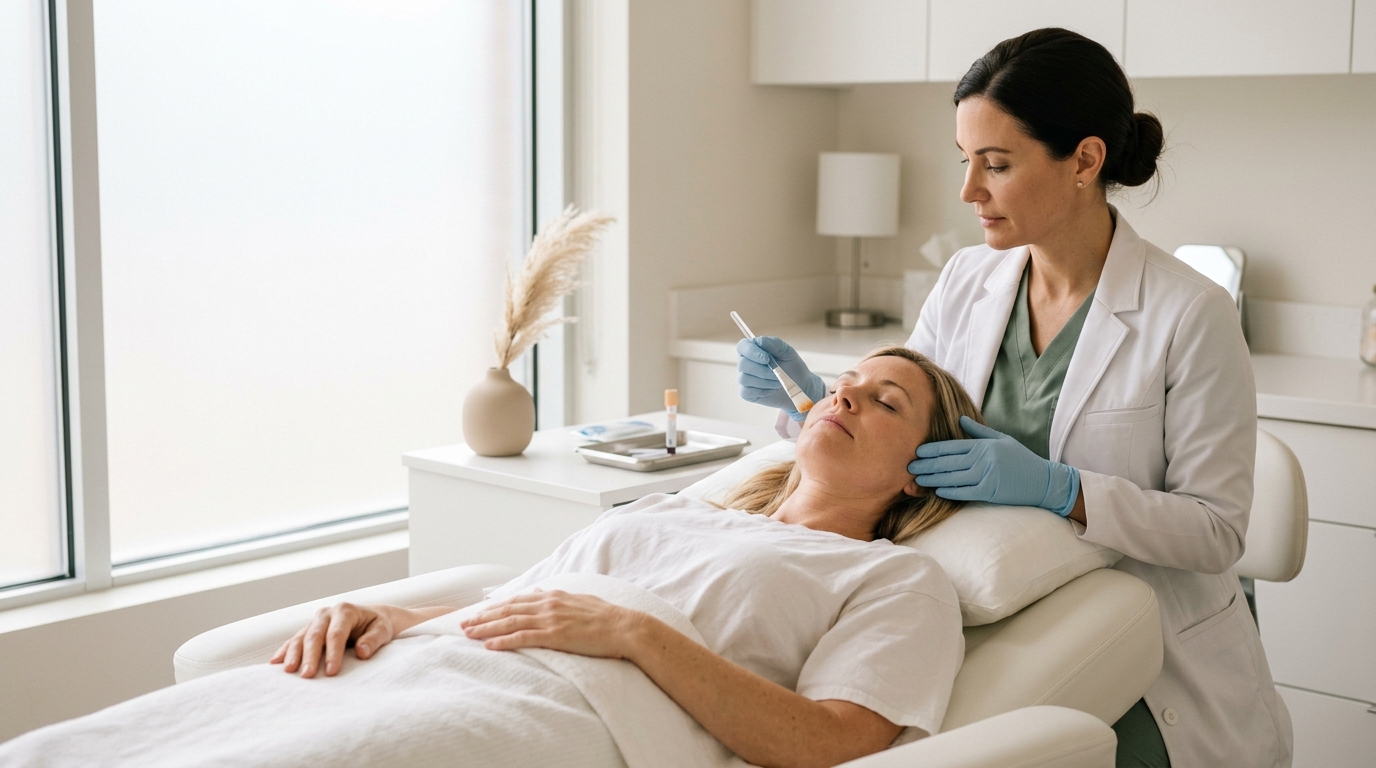
Understanding what happens during a PRP session helps patients feel prepared and confident about their treatment. The procedure is straightforward and performed in a clinical setting by trained practitioners. Most patients find the experience comfortable and are pleasantly surprised by its simplicity.
How Long Does a Typical PRP Appointment Take?
A complete PRP treatment session typically lasts 45 to 60 minutes, including the blood draw, processing time, and injections. The actual injection process takes only 10 to 15 minutes, while the centrifugation of blood requires approximately 10 to 15 minutes. This relatively quick timeframe makes PRP an convenient option for busy patients in the Portland and Vancouver area.
Is There Any Downtime After PRP Therapy?
Most patients experience minimal downtime following PRP therapy, with some redness or mild swelling at injection sites that typically resolves within 24 to 48 hours. There may be slight bruising at blood draw sites, which usually fades within a week. Patients can generally resume normal activities immediately, though strenuous exercise may be postponed for a day or two.
Is PRP Therapy Right for Me?
PRP therapy may be an excellent option for adults seeking natural, non-surgical solutions for skin aging, hair loss, or other aesthetic concerns. Ideal candidates are generally healthy, have realistic expectations about outcomes, and prefer treatments that use their body’s own healing mechanisms. A consultation with experienced practitioners helps determine whether PRP aligns with individual goals and skin conditions.
At NW Laser, our team specializes in personalized aesthetic treatments that combine advanced technology like AI-assisted planning with proven regenerative therapies. We welcome patients from Vancouver, Washington, Portland, Oregon, and surrounding communities including Maywood Park and Camas to explore how PRP therapy might enhance their natural beauty. Contact NW Laser today to schedule your consultation and discover whether platelet-rich plasma therapy is the right choice for your aesthetic goals.
Frequently Asked Questions
What is PRP therapy and how does it work?
PRP therapy uses concentrated platelets from your own blood to stimulate healing and rejuvenation in targeted areas. The process involves a blood draw followed by centrifugation to separate platelet-rich plasma from other components. This concentrated solution contains growth factors like PDGF, TGF-β, and VEGF that promote tissue repair and collagen production, with platelet concentrations three to five times higher than normal blood.
How is AI technology improving PRP treatments in Vancouver?
AI technology enhances PRP treatments by providing clinicians with sophisticated tools for analysis, planning, and outcome prediction. Before treatment, AI systems analyze detailed images of skin or scalp to identify specific concerns and predict treatment response, helping determine optimal injection sites, concentration levels, and treatment frequency. Post-treatment, AI-powered monitoring tracks healing progress and enables personalized aftercare recommendations.
What skin concerns can PRP therapy address?
PRP therapy offers versatile solutions for multiple skin concerns including fine lines and wrinkles, dull skin, uneven texture, sun damage, skin sagging, dark circles, and crepey skin. The regenerative properties of platelet-rich plasma stimulate natural collagen production, promote cellular turnover, and rebuild compromised collagen and elastin fibers. Combining PRP with microneedling or Thermage treatments can enhance these effects for comprehensive rejuvenation.
How does PRP therapy help with hair loss and thinning?
PRP therapy helps with hair loss by delivering concentrated growth factors directly to weakened or dormant hair follicles when injected into the scalp. These growth factors stimulate blood supply to follicles, extend the growth phase of the hair cycle, and increase follicle size. This creates a healthier scalp environment conducive to sustained hair growth for conditions like androgenetic alopecia.
What can I expect during a PRP treatment session?
A complete PRP treatment session typically lasts 45 to 60 minutes, including the blood draw, processing time, and injections. The actual injection process takes only 10 to 15 minutes while centrifugation requires approximately 10 to 15 minutes. Most patients find the experience comfortable and are surprised by its simplicity. The treatment can often be completed during a lunch break.
How long does it take to see results from PRP therapy?
Results from PRP treatments typically become visible gradually over weeks and months as new collagen develops. For hair restoration specifically, visible improvements usually appear after three to six months, with most patients experiencing reduced hair shedding and increased hair density. Consistent treatment sessions – often three to four initial sessions spaced four to six weeks apart – produce the most significant improvements.
