

Last updated: August 20, 2026
For many women seeking a more full, natural silhouette, natural breast augmentation represents one of the most significant advances in breast enhancement, offering a completely biocompatible alternative to traditional implants. One particularly striking development reported by USA Today in August 2026 has brought a controversial new procedure into the spotlight – one that uses donated human cadaver fat for breast augmentation, a technique that has earned the unsettling nickname “zombie filler.” While the concept of fat-based enhancement has gained significant patient interest in recent years, the source of that fat raises important questions about safety, efficacy, and what truly constitutes a “natural” approach. For women in the Pacific Northwest, including Portland, Oregon and Vancouver, Washington, understanding the difference between cadaver-derived procedures and true autologous fat transfer is essential for making informed decisions about enhancement options.
What Is the ‘Zombie Filler’ Trend Making Headlines?
The “zombie filler” trend refers to a procedure gaining media attention in August 2026, where surgeons inject fat harvested from donated human cadavers into patients’ breasts for augmentation purposes. This approach differs fundamentally from traditional fat transfer techniques that use the patient’s own tissue. According to USA Today and Yahoo reports from August 14, 2026, this cadaver-derived method has attracted interest from patients seeking breast enhancement without undergoing liposuction to harvest their own fat. The appeal lies in avoiding an additional harvesting procedure, yet this convenience comes with significant trade-offs in safety and body compatibility that warrant careful consideration.
What Is Cadaver-Derived Fat and How Does It Work?
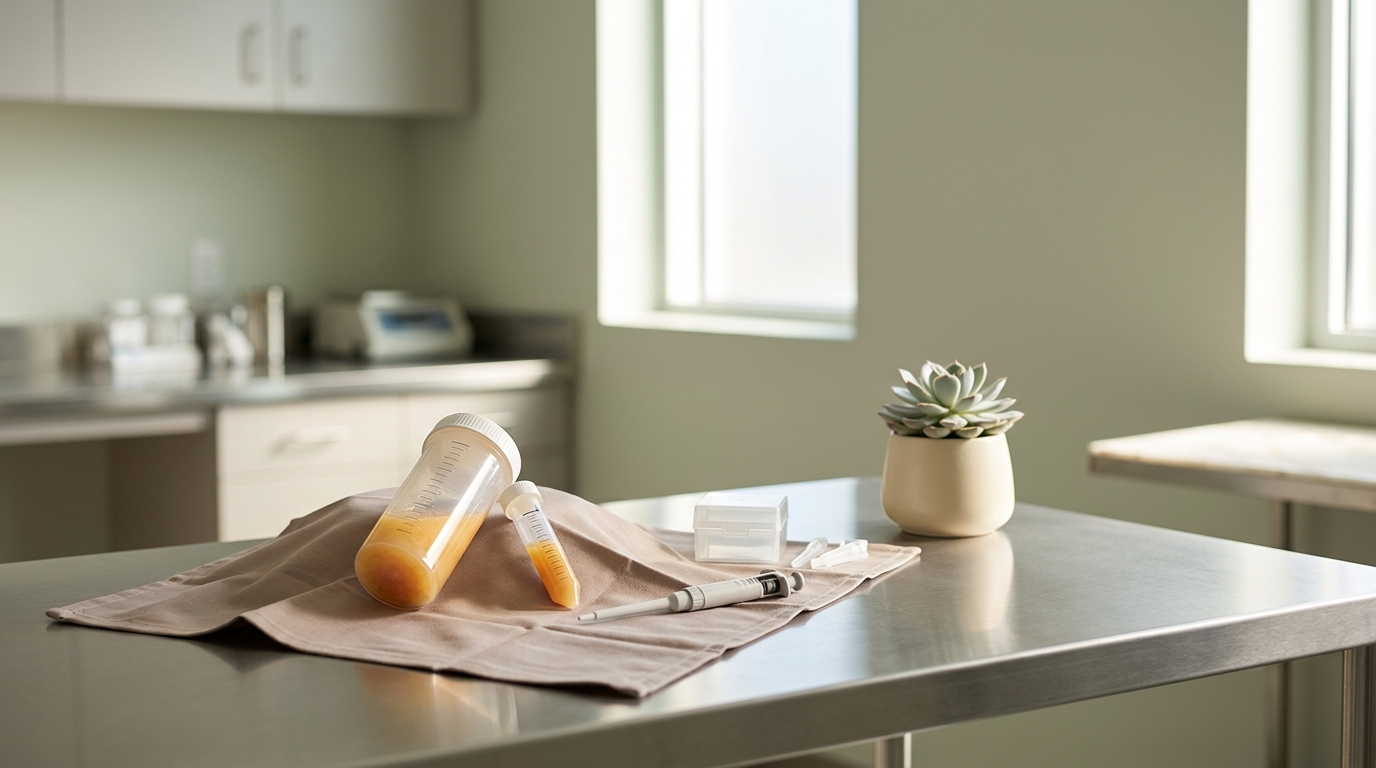
Cadaver-derived fat involves collecting adipose tissue from deceased donors, processing it, and injecting it into living patients for cosmetic purposes. The fat is harvested, tested, and preserved before being implanted. Unlike autologous fat transfer where a patient’s own fat is used, cadaver fat introduces foreign biological material from another individual into the body. The tissue must undergo rigorous screening and processing to reduce infection and disease transmission risks, though questions remain about how well the body integrates foreign fat compared to tissue from the same individual.
Why Are Some Patients Turning to Donor Fat for Breast Augmentation?
Some patients are drawn to cadaver fat procedures because they offer enhancement without the need for liposuction to harvest their own tissue. The prospect of avoiding a secondary procedure appeals to those with busy lifestyles or concerns about undergoing additional surgery. Others may have insufficient fat reserves for traditional autologous transfer. However, this convenience-based approach raises substantial concerns among plastic surgery professionals regarding long-term outcomes, immune response, and the fundamental question of whether introducing foreign tissue aligns with the goals patients seek when pursuing “natural” enhancement.
What Is Natural Breast Augmentation?
Natural breast augmentation, also known as autologous fat transfer for enhancement, is a procedure that uses a patient’s own fat cells to increase breast volume and improve shape. Unlike implant-based augmentation or cadaver-derived procedures, autologous fat transfer harnesses the patient’s existing adipose tissue, redistributing it from areas of excess to the breasts. This technique offers a completely biocompatible approach to enhancement, eliminating concerns about foreign material rejection or immune response to donated tissue.
How Does Autologous Fat Transfer Work?
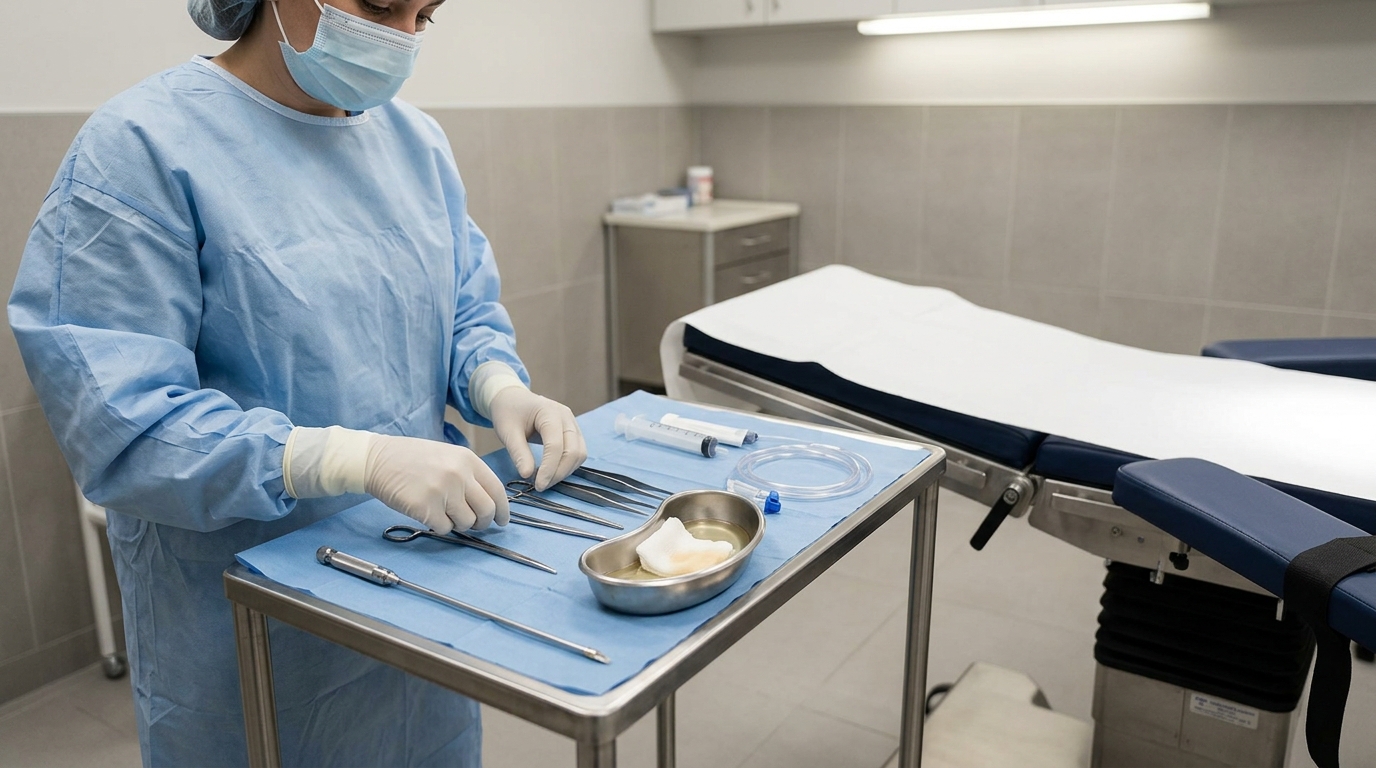
The autologous fat transfer process begins with gentle liposuction to harvest fat from designated donor areas such as the abdomen, thighs, or flanks. The harvested fat is then carefully processed to separate healthy fat cells from blood, oils, and damaged tissue. Finally, the purified fat cells are strategically injected into the breasts in small amounts across multiple tissue layers to ensure proper blood supply and integration. This graduated approach promotes fat cell survival and creates natural-looking, soft results that blend seamlessly with existing breast tissue.
What Areas of the Body Can Provide Fat for Transfer?
Common donor sites for natural breast augmentation include the abdomen, outer and inner thighs, flanks, and upper arms. The abdomen is frequently the preferred source due to the abundance of tissue and the added benefit of contouring the midsection. Thigh fat is also excellent for transfer because these cells tend to be more resilient and stable after relocation. During consultation, the surgeon evaluates each patient’s unique fat distribution to determine the optimal harvesting sites that will provide sufficient volume while achieving pleasing body contouring in the donor area.
Why Is Using Your Own Fat the Safer Choice for Breast Augmentation?
Autologous fat transfer represents one of the safest approaches to fat-based enhancement because it eliminates the risks inherent in using foreign biological material. When a patient receives fat from her own body, the risk of disease transmission from a donor is minimal, the possibility of immune rejection is very low, and concerns about the tissue being contaminated or improperly preserved are largely eliminated. The body readily accepts its own cells, integrating them into existing breast tissue as living, functioning fat rather than as an inert foreign substance.
What Are the Risks Associated with Cadaver-Derived Fillers?
Cadaver-derived fillers carry risks that do not exist with autologous procedures, including potential disease transmission despite screening protocols, immune reactions to foreign tissue, and unpredictable absorption rates when foreign fat is introduced. The body may recognize cadaver fat as foreign material and metabolize it more rapidly than the patient’s own fat cells, leading to inconsistent and often disappointing results. Additionally, the processing methods required to preserve cadaver tissue may damage fat cells, reducing their viability and the longevity of the augmentation.
How Does Your Body React Differently to Autologous Fat?
The body treats autologous fat as its own tissue, integrating transplanted fat cells into the existing breast structure where they establish new blood supply connections and become permanent, living tissue. This integration process, known as graft take, allows the transferred fat to behave exactly like surrounding breast tissue, softening and changing naturally with weight fluctuations just as natural breast tissue does. Patients experience results that feel entirely organic to touch and appearance, with outcomes that can last many years when proper techniques are employed.
Who Is an Ideal Candidate for Natural Breast Augmentation?
Ideal candidates for natural breast augmentation are women seeking modest increases in breast size who have adequate fat reserves for harvesting and realistic expectations about achievable results. This procedure suits those who desire a subtle enhancement rather than a dramatic size increase. Women experiencing deflated breasts after pregnancy or weight loss often see excellent outcomes. Candidates should be in good overall health, non-smokers or willing to stop smoking before the procedure, and committed to maintaining a stable weight to preserve their results long-term.
Can Natural Breast Augmentation Correct Breast Asymmetry?
Natural breast augmentation is particularly effective for addressing breast asymmetry, one of the most common concerns among women considering enhancement. The surgeon can precisely control the amount of fat transferred to each breast, correcting asymmetry by adding volume selectively where needed. This level of customization allows for nuanced adjustments that feel entirely natural. Many patients with naturally uneven breasts find that fat transfer provides a solution that harmonizes their appearance without the uniformity that sometimes results from implant placement.
Is This Procedure Good for Restoring Lost Breast Volume?
Restoring lost breast volume represents one of the most rewarding applications for natural breast augmentation. Pregnancy, breastfeeding, weight loss, and the natural aging process all contribute to decreased breast fullness and a deflated appearance. Autologous fat transfer rebuilds that lost volume using the patient’s own tissue, effectively reversing these changes while simultaneously contouring the donor sites. The procedure addresses both concerns simultaneously, restoring youthful breast fullness while improving overall body proportions in a single surgery.
What Results Can You Expect from Natural Breast Augmentation?
Patients undergoing natural breast augmentation can expect results that look and feel entirely organic, with breasts that are fuller, shapelier, and more proportionate to their frame. The increase in size is typically modest but meaningful, usually adding one to two cup sizes at most. Because the transferred fat becomes living tissue, results are permanent once the fat establishes its blood supply, though some initial volume may diminish as the body absorbs fat cells that fail to integrate during the healing process. For a closer look at breast fat augmentation, explore what subtle results may look like as swelling settles.
How Does Natural Breast Augmentation Address Mild Breast Sag?
Natural breast augmentation can improve mild breast sag by adding volume that fills loose skin and elevates the nipple position slightly. The procedure does not replace a breast lift for patients with significant ptosis, but for women with mild drooping, fat transfer provides a non-surgical option that enhances fullness while reducing the appearance of sag. The added volume restores a perkier, more youthful contour that many patients find preferable to more invasive surgical interventions.
What Is the Recovery Process Like?
Recovery from natural breast augmentation typically involves a few days of mild swelling and bruising in both the donor sites and the breasts. Most patients return to desk work within three to five days and resume normal activities, including light exercise, within two weeks. The breasts may feel firm initially as the transferred fat establishes its blood supply, gradually softening over several months. Donor sites are concealed under clothing and heal with minimal visible scarring thanks to the tiny incisions used for liposuction.
How Does Natural Breast Augmentation Compare to Traditional Implants?
Natural breast augmentation differs significantly from traditional implant-based procedures in approach, feel, and long-term considerations. Where implants place a foreign object in the body, autologous fat transfer uses only the patient’s own tissue, eliminating risks of capsular contracture, implant rupture, and the need for future implant replacement. Fat transfer results feel completely natural to touch, while some patients find that even the most advanced implants retain a slightly different texture than natural breast tissue. The choice between these approaches depends on the patient’s goals, starting breast tissue, and aesthetic preferences.
What Are the Key Differences in Look and Feel?
Fat transfer breasts feel identical to natural breast tissue because they are natural tissue. The warmth, softness, and dynamic movement that characterize biological breasts are fully preserved with autologous fat transfer. Implants, even the newest models, may feel firmer or exhibit different movement patterns. Additionally, fat transfer allows for extremely precise shaping and volume distribution, enabling surgeons to address specific asymmetries or contour concerns with a level of customization that implants cannot match.
Which Option Offers More Natural-Looking Results?
Natural breast augmentation consistently produces results that appear more natural because the enhanced breasts are composed entirely of the patient’s own living tissue. There are no implant edges to see or feel, rippling is an implant-specific complication that fat transfer avoids, and contour transitions stay gradual. The fat integrates seamlessly with existing breast tissue, moving naturally with body position changes. For patients whose primary goal is a natural appearance rather than a dramatic size increase, autologous fat transfer represents the gold standard in enhancement.
Choosing the Right Path for Your Breast Enhancement Journey
As the “zombie filler” trend highlights growing interest in fat-based procedures, women deserve clear information about the fundamental differences between approaches that use foreign tissue and those that rely on the body’s own resources. Natural breast augmentation using autologous fat transfer offers a safe, effective, and entirely biocompatible method for achieving fuller, more shapely breasts. The procedure continues to advance with refined techniques that improve fat survival rates and patient outcomes. For women in Portland, Maywood Park, Camas, and throughout the Pacific Northwest seeking to restore lost breast volume, correct asymmetry, or address mild breast sag, consulting with an experienced provider who offers multiple enhancement options ensures personalized recommendations aligned with each patient’s unique anatomy and goals. NW Laser invites you to schedule a consultation to explore whether this procedure is the right choice for your body and lifestyle.
Frequently Asked Questions
What is natural breast augmentation?
Natural breast augmentation, or autologous fat transfer, uses a patient’s own fat cells to increase breast volume and improve shape. Unlike implants or cadaver-derived procedures, this technique harvests fat from areas like the abdomen or thighs through gentle liposuction, then strategically injects it into the breasts for a completely biocompatible enhancement.
How does autologous fat transfer work?
The autologous fat transfer process involves three steps. First, gentle liposuction harvests fat from donor areas such as the abdomen, thighs, or flanks. The harvested fat is then processed to separate healthy fat cells from blood, oils, and damaged tissue. Finally, purified fat cells are strategically injected into the breasts in small amounts across multiple tissue layers to ensure proper blood supply and integration.
How long is the recovery from natural breast augmentation?
Recovery typically involves a few days of mild swelling and bruising in both donor sites and breasts. Most patients return to desk work within 3 – 5 days and resume normal activities, including light exercise, within two weeks. The breasts may feel firm initially, gradually softening over several months as the transferred fat establishes its blood supply.
What results can I expect from natural breast augmentation?
Patients can expect results that look and feel entirely organic, with breasts that are fuller, shapelier, and more proportionate. The increase is typically modest, usually adding one to two cup sizes at most. Once the fat establishes its blood supply, results become permanent and the breasts move naturally with body position changes. Learn how to evaluate breast augmentation with fat transfer before-and-after photos for changes in volume, shape, and symmetry.
Who is an ideal candidate for natural breast augmentation?
Ideal candidates are women seeking modest increases in breast size who have adequate fat reserves for harvesting and realistic expectations. Women experiencing deflated breasts after pregnancy or weight loss often see excellent outcomes. Candidates should be in good overall health, non-smokers or willing to stop before the procedure, and committed to maintaining a stable weight.
How does natural breast augmentation compare to traditional implants?
Unlike implants that place foreign objects in the body, autologous fat transfer uses only the patient’s own tissue, eliminating risks of capsular contracture, implant rupture, and future implant replacement. Fat transfer results feel completely natural to touch, while some patients find even advanced implants retain a slightly different texture than natural breast tissue.
What areas of the body can provide fat for natural breast augmentation?
Common donor sites include the abdomen, outer and inner thighs, flanks, and upper arms. The abdomen is frequently preferred due to tissue abundance and added contouring benefits. Thigh fat is excellent for transfer because these cells tend to be more resilient and stable after relocation. During consultation, the surgeon evaluates each patient’s unique fat distribution to determine optimal harvesting sites.
