

Last updated: May 28, 2026
Thermage remains one of the most widely used nonsurgical skin-tightening treatments available in 2026, yet questions about its side effects consistently rank among the top concerns for prospective patients. This guide provides an evidence-based overview of what to expect – from common, short-lived reactions to rare but serious complications – so you can make a fully informed decision before booking a consultation.
What Is Thermage and How Does It Tighten Skin?
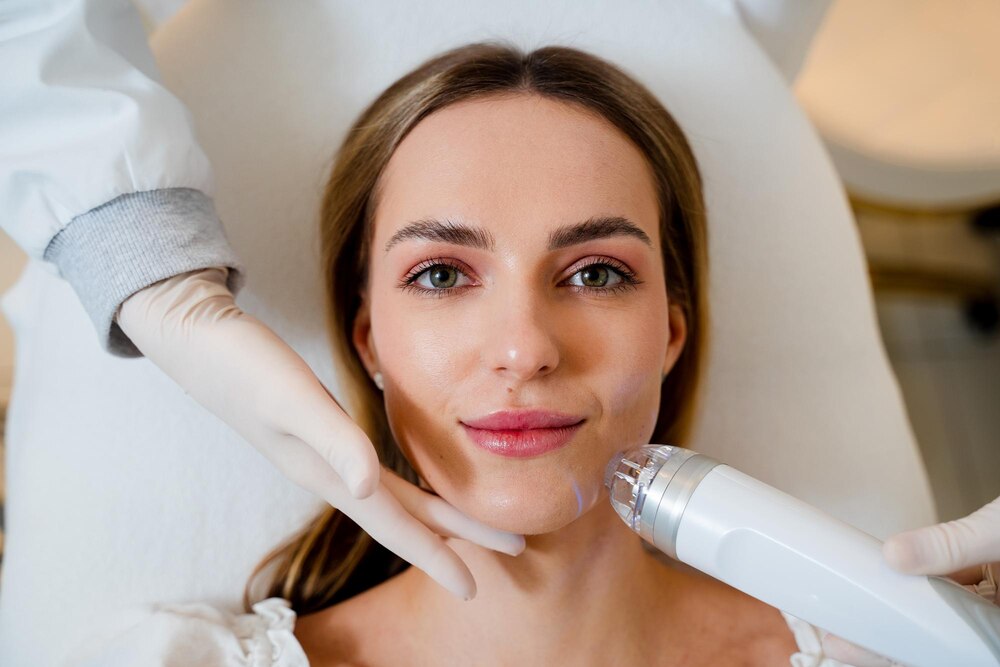
Thermage is a monopolar radiofrequency (RF) device that delivers controlled heat to the deeper layers of the skin, stimulating collagen remodeling and gradual tissue tightening. The treatment is FDA-cleared for use on the face, eyelids, and body, offering a nonsurgical option for patients with mild to moderate skin laxity. Understanding how the device transfers energy beneath the skin surface is essential context for understanding why certain side effects – from temporary redness to rare fat changes – can occur.
During treatment, the handpiece sends RF energy through the skin while simultaneously cooling the surface. This creates a thermal effect in the collagen-rich dermal layer and, to a lesser degree, in superficial subcutaneous tissue. The controlled heating triggers a wound-healing cascade that produces new collagen over the following three to six months, resulting in gradual tightening.
How Is Thermage FLX Different from Older Thermage Devices?
The Thermage FLX platform, the current generation of the device, introduced several design changes relevant to the side-effect discussion. AccuREP technology uses an algorithm to optimize energy delivery for each pulse based on tissue impedance, reducing the likelihood of uneven heating or hotspots. A larger treatment tip (4.0 cm²) covers more surface area per pulse, and an integrated vibration feature helps manage discomfort during the procedure.
These improvements matter for safety. Published clinical experience with the FLX system reports lower pain scores compared to older Thermage models and a more uniform energy distribution that may reduce the risk of localized overheating or burns. When patients search for “thermage flx side effects,” the key distinction is that the FLX platform was specifically engineered to address comfort and consistency concerns associated with earlier-generation devices.
What Are the Most Common Thermage Side Effects?
The most common Thermage side effects are temporary redness, mild swelling, tingling, and skin tenderness in the treated area. These reactions are expected responses to the delivery of radiofrequency energy and typically resolve on their own within hours to a few days. Clinical reviews of monopolar RF treatments consistently confirm this self-limiting side-effect profile when devices are used according to manufacturer protocols.
Most patients describe these effects as comparable to a mild sunburn sensation. The intensity can vary depending on the treatment area, the energy settings used, and individual skin sensitivity. Facial treatments, particularly around the jawline and forehead, may produce slightly more noticeable redness than body treatments due to thinner skin in those regions.
How Long Does Redness and Swelling Usually Last After Thermage?
For most patients, redness fades within one to 24 hours after a Thermage session. Mild swelling, when present, typically resolves within one to three days. These timelines can extend slightly for patients who receive higher energy settings or who are treated in sensitive areas such as the periorbital region or neck.
The following table summarizes expected durations for the most common transient side effects:
| Side Effect | Typical Duration | Notes |
|---|---|---|
| Redness (erythema) | 1 – 24 hours | May persist slightly longer on sensitive skin |
| Mild swelling (edema) | 1 – 3 days | More common around eyes and jawline |
| Tingling or tenderness | Hours to a few days | Usually mild; resolves without treatment |
| Skin sensitivity | 1 – 7 days | Temporary increase in sensitivity to touch or products |
Is Bruising Normal After a Thermage Treatment?
Bruising after Thermage is uncommon but can occur, particularly in patients taking blood-thinning medications, supplements such as fish oil or vitamin E, or those with naturally fragile capillaries. When bruising does appear, it is typically mild and resolves within five to ten days.
Providers often recommend discontinuing blood-thinning supplements for one to two weeks before treatment to minimize this risk. If you take prescription anticoagulants, discuss the timing with both your prescribing physician and your Thermage provider before your appointment.
Can Thermage Cause Fat Loss or Facial Hollowing?
Thermage can, in uncommon cases, cause subcutaneous fat loss that may result in facial hollowing or contour changes. This occurs because radiofrequency energy penetrates beyond the dermis into the superficial fat layer, and excessive or repeated heating in this zone can lead to adipocyte damage and gradual fat volume reduction. Published clinical reviews identify fat atrophy as a recognized but infrequent complication of monopolar RF treatments.
The distinction between intentional and unintentional fat reduction is important. On the body, some degree of fat layer thinning may even be a desired outcome. On the face, however, the same effect can produce an aged or gaunt appearance – the opposite of what most patients want. This is the concern behind the high number of online discussions where patients describe feeling that “Thermage ruined my face.”
In clinical practice, this complication is most often associated with overly aggressive energy settings, too many treatment passes over the same area, or treatment of patients who were not ideal candidates to begin with. The actual incidence is difficult to quantify precisely because reporting in published literature varies, but it is generally described as uncommon when protocols are followed correctly.
Who Is Most at Risk for Volume Loss from Thermage?
Several patient factors increase the risk of noticeable volume loss after Thermage:
- Naturally thin faces with limited subcutaneous fat
- Pre-existing volume depletion from aging, weight loss, or prior procedures
- Older patients with already diminished facial fat pads
- Aggressive energy settings or multiple passes concentrated in one area
- Repeated Thermage sessions at short intervals
A thorough in-person assessment of facial volume is one of the most important steps a qualified provider can take before recommending Thermage. Patients with visible cheek hollowing or temporal wasting may benefit more from volume-restoring treatments than from a tightening procedure that could further reduce fat.
Is Fat Loss from Thermage Permanent or Reversible?
Fat atrophy from Thermage, when it occurs, tends to be long-lasting because damaged fat cells do not regenerate in the same way as other tissues. However, the resulting volume loss is not necessarily permanent in appearance. Dermal fillers such as hyaluronic acid injections or autologous fat grafting can restore lost volume and improve facial contours.
If you notice progressive facial hollowing in the weeks or months following a Thermage treatment, consult with a board-certified plastic surgeon or dermatologist promptly. Early assessment allows for a tailored plan to address any contour changes before they become more pronounced.
What Are the Risks of Thermage Around the Eyes?
Thermage around the eyes carries specific risks related to the delicate anatomy of the periorbital region, including the thin skin, limited subcutaneous fat, and proximity to the orbit. Common side effects in this area mirror those elsewhere – redness, swelling, tenderness – but the risk of fat loss and hollowing is a heightened concern due to the already minimal fat cushion around the eyes.
Thermage has an FDA-cleared treatment tip specifically designed for the eyelid and periorbital area. When this tip is used with protective corneal shields and by an experienced provider, the Thermage treatment around the eyes can be performed safely. However, the margin for error is smaller than on the cheeks or jawline, which is why provider experience in this specific area is critical.
Can Thermage Around the Eyes Affect Vision?
Properly performed periorbital Thermage with corneal shields in place has not been associated with vision loss in peer-reviewed clinical literature. However, isolated patient reports of temporary visual disturbances or discomfort following eye-area treatment exist in online forums and adverse-event databases. These reports are rare and have not been confirmed as a systematic risk in controlled studies.
The protective corneal shields used during periorbital Thermage are designed specifically to prevent energy from reaching the eye itself. Providers who perform this treatment should be experienced in placing these shields correctly and should monitor patient comfort throughout the procedure.
Is Thermage Under the Eyes Safer Than Ultherapy?
One relevant safety distinction is that Thermage has an FDA-cleared tip specifically designed for the periorbital area, while Ultherapy does not have a specific clearance for use around the eyelids. This does not mean Ultherapy is inherently dangerous in that region, but it does mean that Thermage has been specifically evaluated for eyelid use through the FDA clearance process.
Both technologies carry some risk of subcutaneous fat changes around the eyes. The choice between them for periorbital treatment should be made in consultation with a provider experienced in both modalities who can assess your specific anatomy and goals.
What Rare but Serious Thermage Complications Should You Know About?
Rare but serious Thermage complications include burns or blistering, scarring, transient nerve injury causing numbness or tingling, and contour irregularities from uneven fat or tissue changes. These adverse events are infrequent when treatment is performed by trained providers using current-generation equipment. As of 2026, no new FDA safety alerts specific to Thermage devices have been issued in recent months, and the device maintains its standard FDA clearance status.
Transparency about these risks is essential for informed consent. While the vast majority of Thermage treatments produce only the mild, transient effects described earlier, patients deserve to understand the full spectrum of possible outcomes before proceeding.
How Common Are Burns or Scarring from Thermage?
Burns and scarring from Thermage are uncommon with current-generation devices. Published clinical reviews of monopolar RF skin-tightening safety report that thermal injuries are most often associated with older device platforms, improper energy settings, poor coupling between the handpiece and skin, or operator inexperience. The Thermage FLX system’s AccuREP technology and real-time impedance monitoring were designed specifically to reduce these risks.
When burns do occur, they typically present as superficial blisters that heal within one to two weeks. Deep burns leading to scarring are very rare in the published literature and are almost exclusively reported in the context of technical errors or equipment malfunction.
Can Thermage Cause Nerve Damage or Numbness?
Transient numbness, tingling, or altered sensation after Thermage can occur and typically resolves within days to a few weeks. These symptoms reflect temporary irritation of small sensory nerves in the skin from the thermal energy rather than structural nerve damage.
Persistent nerve injury from Thermage is extremely rare. In the uncommon event that numbness lasts beyond several weeks, patients should follow up with their provider for evaluation. Motor nerve damage (affecting facial movement) has not been identified as a characteristic risk of Thermage in clinical literature.
How Painful Is Thermage and What Does Recovery Feel Like?
Thermage produces a sensation of deep heating during treatment that most patients describe as tolerable but uncomfortable at moments, particularly over bony areas like the forehead and jawline. The Thermage FLX system integrates a vibration-based comfort feature and allows providers to adjust energy levels in real time based on patient feedback. Topical numbing cream is sometimes applied before treatment to further manage discomfort.
After the session, most patients describe the treated area as feeling warm or mildly tender, similar to a light sunburn. These sensations typically subside within a few hours. There are no incisions, bandages, or wound care required.
How Many Days of Downtime Should You Expect?
Most Thermage patients experience zero to one day of social downtime. Redness and mild swelling may be visible for several hours to a day, but these effects can usually be covered with mineral makeup if desired. Patients typically return to normal activities, including work and light exercise, on the same day or the following day.
This minimal downtime profile is one of the reasons Thermage remains popular among patients who cannot accommodate the recovery period associated with surgical alternatives such as a facelift, which may require one to two weeks of noticeable downtime.
Does Thermage Interact with Fillers, Threads, or Previous Procedures?
Thermage can interact with dermal fillers, PDO threads, and certain implants, so treatment timing and planning require careful provider assessment. Radiofrequency energy generates heat that could theoretically affect the integrity or position of recently placed fillers or dissolve thread materials prematurely. Most providers recommend waiting at least two to four weeks after filler injections and longer after thread procedures before performing Thermage in the same area.
Patients with permanent facial implants (such as silicone chin or cheek implants) should disclose these to their provider, as RF energy may behave differently near non-biological materials. Metallic implants or hardware in the treatment area are generally considered a contraindication. A comprehensive consultation that includes a full history of prior cosmetic procedures is essential to safe treatment planning.
Who Should Not Get Thermage?
Certain patients should avoid Thermage due to medical contraindications or a risk-benefit profile that does not favor the procedure. Absolute and relative contraindications include the following:
- Patients with pacemakers, implanted defibrillators, or other active electronic implants
- Active skin infections, open wounds, or inflammatory skin conditions in the treatment area
- Pregnancy
- Metallic implants in the treatment zone
- Patients with very thin faces, significant volume depletion, or visible facial fat loss (relative contraindication due to hollowing risk)
- History of keloid or hypertrophic scarring (relative contraindication)
A qualified provider will screen for these factors during your consultation. Providing a complete medical history – including medications, supplements, and previous cosmetic treatments – helps ensure accurate candidacy assessment.
Is Thermage Safe for Younger Patients in Their 20s or 30s?
Thermage is FDA-cleared for use in adults, but the risk-benefit calculation differs for younger patients. Individuals in their 20s or early 30s with minimal skin laxity may not see meaningful improvement from a tightening procedure and could be better served by preventive skincare, neuromodulators, or other less intensive treatments.
For younger patients with early jowling, mild neck laxity, or specific concerns such as post-weight-loss skin looseness, Thermage may be appropriate. The decision should be based on an individualized assessment rather than age alone. A provider experienced in facial aging can help determine whether the expected benefit justifies the cost and any potential risk.
How Does Thermage Compare to Ultherapy for Side Effects?
Thermage and Ultherapy share a similar category of common side effects – redness, swelling, and tenderness – but differ in their mechanisms, pain profiles, and specific risk characteristics. Thermage uses monopolar radiofrequency energy, while Ultherapy uses microfocused ultrasound with visualization (MFU-V) to target deeper tissue layers. Both carry a small risk of subcutaneous fat changes and nerve irritation.
The table below summarizes key side-effect differences based on published clinical data and clinical experience:
| Factor | Thermage FLX | Ultherapy |
|---|---|---|
| Energy type | Monopolar radiofrequency | Microfocused ultrasound |
| Treatment pain (reported) | Moderate; reduced by vibration feature | Moderate to high; nerve-rich areas can be intense |
| Post-treatment redness | 1 – 24 hours typical | 1 – 24 hours typical |
| Swelling duration | 1 – 3 days | 1 – 7 days (can be more pronounced) |
| Fat loss risk | Low; recognized in literature | Low; also recognized, particularly in thin faces |
| Nerve irritation | Rare, typically transient | Rare, typically transient |
| FDA-cleared eye tip | Yes | No specific periorbital clearance |
Practices that offer both modalities, like many cosmetic surgery centers, can help patients compare options based on their anatomy, goals, and tolerance for treatment discomfort. Neither device is categorically safer than the other – the right choice depends on the individual patient and the treatment area.
What Aftercare Steps Help Minimize Thermage Side Effects?
Proper aftercare following Thermage reduces the severity and duration of common side effects and supports optimal collagen-remodeling results. Key aftercare steps include sun protection, gentle skincare, adequate hydration, and knowing when to contact your provider about unexpected symptoms.
Recommended aftercare guidelines include:
- Apply broad-spectrum SPF 30 or higher sunscreen daily for at least four weeks after treatment, as treated skin is temporarily more vulnerable to UV damage.
- Use a gentle, fragrance-free moisturizer for the first week. Avoid retinoids, glycolic acid, and other active exfoliants for five to seven days post-treatment.
- Stay well-hydrated, as adequate hydration supports the collagen-remodeling process.
- Avoid excessive heat exposure (saunas, hot yoga, prolonged sun) for 48 to 72 hours after treatment.
- Contact your provider if you experience blistering, prolonged pain, significant swelling beyond three days, or any changes in skin color or texture that concern you.
How Do You Choose a Safe, Qualified Thermage Provider?
Choosing a qualified Thermage provider is the single most important factor in minimizing the risk of complications. Board-certified plastic surgeons, dermatologists, and providers with specific Thermage device training and certification are best equipped to select appropriate energy levels, assess candidacy, and manage the nuances of treatment in sensitive areas such as the eyes and jawline.
When evaluating a provider, consider asking about their training on the specific device platform (ideally Thermage FLX), the number of treatments they have performed, and whether they conduct a thorough in-person consultation with facial volume assessment before recommending the procedure. Practices that offer a full range of surgical and nonsurgical options – like a cosmetic surgery practice with Thermage capability – are often well-positioned to advise honestly on whether Thermage or a different approach best suits your needs.
Why Does Provider Experience Matter for Thermage Safety?
Many of the adverse events discussed in online forums and patient communities involve treatments performed at facilities without specialized training or by operators with limited RF device experience. An experienced provider understands how to adjust energy delivery based on tissue response, how to protect anatomical structures in sensitive areas, and how to identify patients who are not good candidates.
Based on treating hundreds of patients with energy-based tightening devices, the pattern in reported complications points consistently toward technique and patient selection as the primary modifiable risk factors – not inherent device danger. Choosing a practice with demonstrable expertise in both the device and in facial anatomy is the most effective step you can take to ensure a safe treatment experience.
Frequently Asked Questions About Thermage Side Effects
What Are the Side Effects of Thermage Treatment?
Common Thermage side effects include temporary redness, mild swelling, tingling, and skin tenderness that typically resolve within hours to a few days. Rare side effects include subcutaneous fat loss, burns or blistering, transient nerve irritation, and contour irregularities. Serious complications are infrequent when treatment is performed by a trained, experienced provider using current-generation equipment.
How Long Do Thermage Side Effects Last?
Most common Thermage side effects – redness, swelling, and tenderness – resolve within one to three days. Tingling or altered sensation may persist for up to a few weeks in some patients. Rare complications such as fat atrophy or contour changes may be longer-lasting and, in some cases, require corrective treatment to address.
Can Thermage Ruin Your Face?
Serious negative outcomes from Thermage are uncommon but have been reported by some patients, primarily involving facial fat loss leading to a hollowed or aged appearance. These outcomes are most often associated with overly aggressive treatment settings, repeated treatments at short intervals, or treatment of patients with very thin faces. With proper patient selection and technique by a qualified provider, the risk of a significantly negative cosmetic result is low.
Is Thermage FDA Approved and Safe?
Thermage is FDA-cleared – an important distinction from FDA-approved – for nonsurgical skin tightening on the face, eyelids, and body. As of 2026, no new safety alerts or recalls specific to Thermage have been issued by the FDA. The treatment is considered safe when performed according to manufacturer protocols by trained providers, though all medical procedures carry some degree of risk.
Does Thermage Hurt More Than Ultherapy?
Both Thermage and Ultherapy can cause discomfort during treatment, but patient reports and clinical experience suggest that Thermage FLX with its integrated vibration technology is often perceived as more tolerable. Ultherapy can produce sharper, more intense sensations, particularly along the jawline and forehead. Individual pain tolerance varies, and both treatments can be managed with topical numbing or adjusted energy levels.
What Should Your Next Step Be Before Considering Thermage?
Thermage has a well-established safety profile supported by years of clinical use and published data. The most common side effects are mild and temporary, while serious complications are rare – especially when the treatment is performed by an experienced, board-certified provider who carefully evaluates each patient’s anatomy and goals. Understanding your individual risk factors, including facial volume, skin thickness, medical history, and prior cosmetic procedures, is essential to making a confident decision.
Summer is an ideal time to schedule a consultation, as it allows enough lead time for treatment and collagen remodeling before fall social events and holidays. An in-person evaluation provides the personalized risk assessment that no article can replace – your provider can examine your skin, discuss your concerns in detail, and recommend whether Thermage or another approach is the best fit for your goals.
Frequently Asked Questions
What are the most common side effects of Thermage?
The most common Thermage side effects are temporary redness, mild swelling, tingling, and skin tenderness in the treated area. These reactions typically resolve on their own within hours to a few days and are comparable to a mild sunburn sensation. Intensity can vary depending on the treatment area and energy settings used, with facial treatments over thinner skin sometimes producing slightly more noticeable redness.
How long do Thermage side effects last?
Most common Thermage side effects resolve quickly – redness fades within 1 to 24 hours, mild swelling subsides within 1 to 3 days, and tingling or tenderness usually clears within hours to a few days. Temporary skin sensitivity may last up to 7 days. Rare complications such as fat atrophy or contour changes may be longer-lasting and could require corrective treatment.
Can Thermage cause fat loss or facial hollowing?
Thermage can, in uncommon cases, cause subcutaneous fat loss leading to facial hollowing. This occurs when radiofrequency energy heats the superficial fat layer enough to damage fat cells. The risk is highest in patients with naturally thin faces, limited subcutaneous fat, or when overly aggressive energy settings or multiple passes are used. Proper patient selection and conservative technique significantly reduce this risk.
Is Thermage safe to use around the eyes?
Thermage has an FDA-cleared treatment tip specifically designed for the eyelid and periorbital area, making it one of the few energy-based devices evaluated for use near the eyes. When performed with protective corneal shields by an experienced provider, periorbital Thermage can be done safely. However, the margin for error is smaller due to thin skin and minimal fat around the eyes, so provider expertise is critical.
Does Thermage hurt more than Ultherapy?
Both Thermage and Ultherapy cause discomfort during treatment, but Thermage FLX is often reported as more tolerable. The FLX system includes integrated vibration technology that helps manage pain, while Ultherapy can produce sharper, more intense sensations – particularly over bony areas like the jawline and forehead. Individual pain tolerance varies, and both treatments can be managed with topical numbing or adjusted energy levels.
How many days of downtime does Thermage require?
Most Thermage patients experience zero to one day of social downtime. Redness and mild swelling may be visible for several hours to a day but can usually be covered with mineral makeup. Patients typically return to normal activities, including work and light exercise, on the same day or the following day – significantly less downtime than surgical alternatives like a facelift.
Who should not get Thermage treatment?
Thermage is not recommended for patients with pacemakers, implanted defibrillators, or other active electronic implants. Additional contraindications include active skin infections or inflammatory conditions in the treatment area, pregnancy, and metallic implants in the treatment zone. Patients with very thin faces or significant facial volume loss are also poor candidates due to an increased risk of unwanted hollowing.
