

Last updated: October 1, 2026
SmoothShapes is a non-invasive cellulite treatment intended to make visible thigh dimpling look smoother. The degree of change varies, so the most useful starting point is identifying whether cellulite – rather than thigh fat or loose skin – is the concern you want to address.
What Can SmoothShapes Do for Thigh Cellulite?
SmoothShapes may improve the appearance of thigh cellulite by making surface irregularities less noticeable. Treatment aims to improve visible contours, not remove cellulite altogether. SmoothShapes should not be expected to provide the same result as a procedure designed primarily to reduce thigh fat or tighten loose skin on the thighs.
Cellulite appears as dimpling or uneven texture at the skin’s surface. A change in that texture can be worthwhile even when the underlying shape of the thigh remains largely the same. Results vary between individuals, and photographs can make subtle changes difficult to judge because lighting and body position affect how dimpling looks.
A published clinical evaluation of SmoothShapes for lateral thigh cellulite reported improvement, while also noting the challenges of assessing small contour changes. The following figures describe that study, not a result guaranteed for an individual patient.
| Study detail | Reported finding |
|---|---|
| Participants with complete data | 17 |
| Participants who felt their cellulite had improved | 94% |
If visible dimpling is your main concern, you can learn more about SmoothShapes treatment at NW Laser before discussing your goals with our team.
How Does SmoothShapes Address the Appearance of Cellulite?
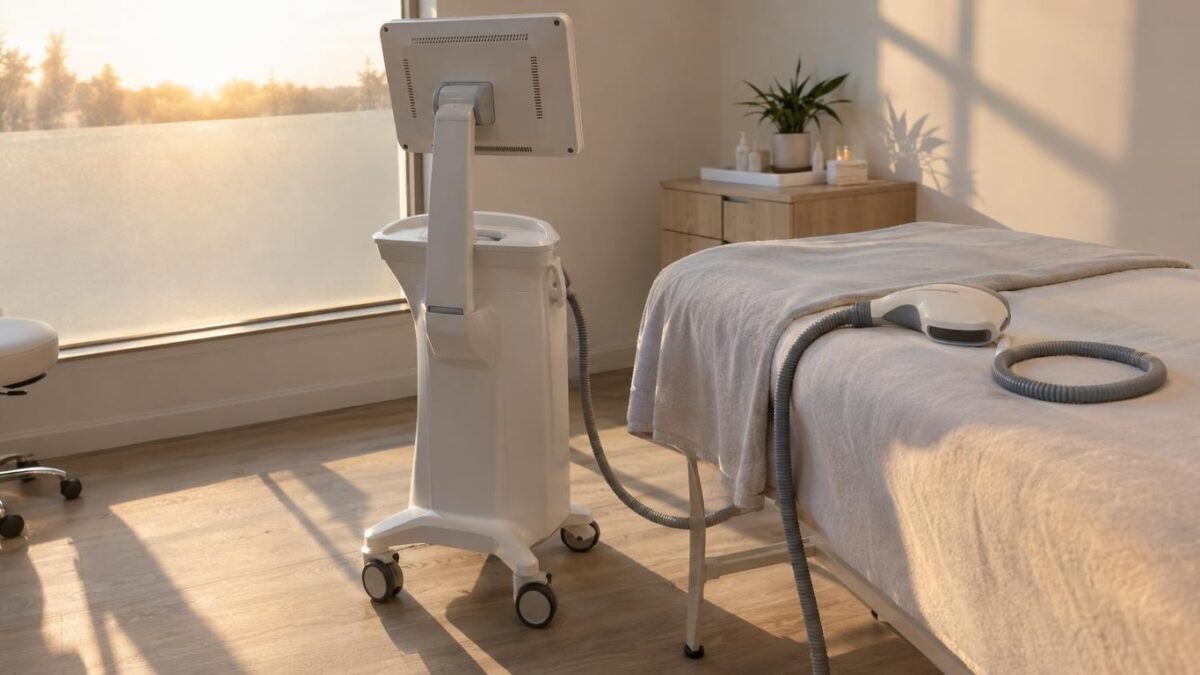
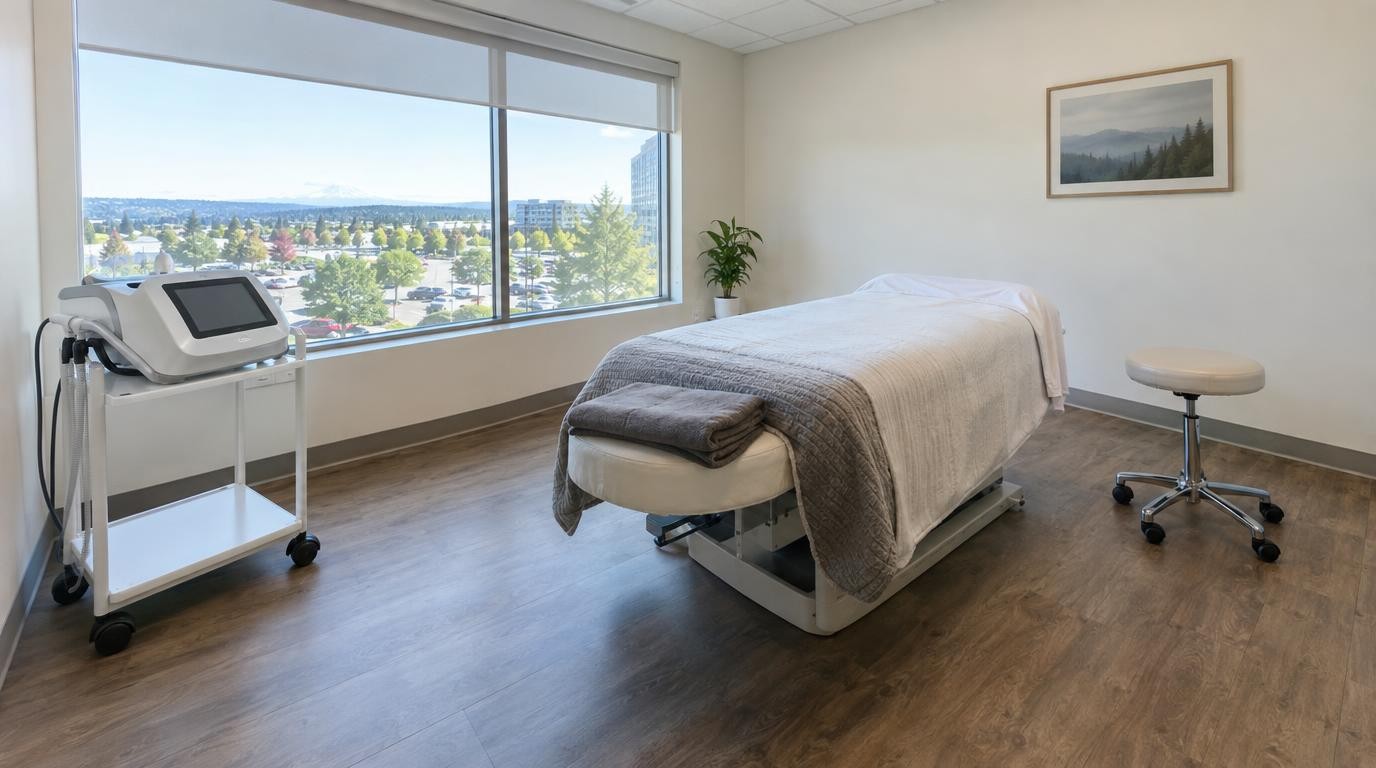
SmoothShapes combines light-based energy with mechanical suction and massage applied to the treatment area. The combination is intended to improve the appearance of cellulite and uneven contours. The device does not surgically remove tissue, and improvement in surface texture should not be confused with substantial fat reduction or skin tightening.
How do light energy and mechanical massage work together?
The applicator delivers light while suction draws skin toward the device and massage acts on the selected area. These actions take place during the same treatment. An evaluation of an early SmoothShapes prototype compared the combined approach with massage alone and reported more favorable thigh fat measurements for the light-and-massage side. An early prototype study does not establish what any particular patient will see with a current treatment.
The precise contribution of light energy to body-contouring results remains an area of study. For someone seeking smoother-looking thigh skin, appearance is a more appropriate treatment goal than a promised change in fat volume.
Who Might Be a Good Candidate for SmoothShapes?
Adults bothered primarily by visible thigh dimpling may be good candidates for SmoothShapes if they prefer a non-invasive option and understand that improvement can be modest or variable. A clinician should examine the treatment area, clarify the desired change, and assess whether the person can safely undergo light-based treatment with suction and massage.
Which treatment goals are a good match for SmoothShapes?
A goal such as “I would like the uneven texture on my outer thighs to look softer” is a closer match than “I want to remove a substantial amount of thigh fat.” In clinical practice, distinguishing surface dimpling from a body bulge or loose skin helps patients set useful expectations before choosing a treatment. The concerns can also occur together, making an in-person assessment especially helpful.
If thigh fat is the main concern, our guide to thigh fat reduction options explains a different treatment goal. If laxity is more noticeable than dimpling, non-invasive skin-tightening options provide a more relevant comparison. These approaches address different concerns and should not be treated as interchangeable with SmoothShapes.
What Happens During a SmoothShapes Treatment Session?
A SmoothShapes visit generally begins with a discussion of the visible concern and an assessment of the thighs. Once an appropriate area is selected, a clinician moves the device applicator over that area to deliver light-based energy with suction and massage. Session frequency and the overall plan depend on individual assessment.
How is the treatment area selected?
The clinician looks at where dimpling appears and asks which areas matter most to you. This conversation also helps separate cellulite from concerns such as thigh fat or loose skin, which may call for a different discussion. Let the clinician know about relevant skin sensitivity, medical conditions, and previous treatment in the area before the applicator is used.
During treatment, the applicator is placed against the selected skin and moved across the area according to the clinician’s plan. You can tell the clinician if the suction or massage feels uncomfortable so the experience can be assessed. Afterward, ask how your progress will be evaluated; consistent positioning and lighting can make visible changes easier to compare than casual photographs.
Risks, Side Effects and Who Is Not a Candidate
SmoothShapes should not be treated as low-risk simply because the procedure is non-invasive. Light exposure and mechanical suction require an individual safety assessment, and the published SmoothShapes evaluations supplied here do not establish a complete list of contraindications or a reliable rate for common side effects. Discuss your health and skin history with your own clinician before treatment.
The clinical evaluation of SmoothShapes for thigh cellulite reported no complications in its study group. That finding is reassuring but cannot rule out unwanted effects for other patients. Suction and massage can feel uncomfortable, and skin sensitivity or a change in the treated area should be reported to the clinician. The available study summaries do not establish how often particular effects occur, so it would be misleading to label a specific reaction “common” on that evidence alone.

The supplied research also does not provide a definitive list of people who must avoid SmoothShapes. Anyone with a condition that may affect tolerance of light exposure or suction, or with a concern about the skin in the intended area, should obtain a clinician’s assessment rather than assume treatment is suitable. If your clinician advises against light-based treatment or mechanical suction for you, do not undergo SmoothShapes. Ask about expected sensations, possible aftereffects, and what to do if a skin change persists.
Is SmoothShapes the Right Next Step for Your Thighs?
SmoothShapes is worth considering when smoother-looking thigh cellulite is the goal, but suitability depends on what is causing the appearance you want to change. Dimpling, thigh fat, and loose skin can require different approaches. For a personalized assessment in Vancouver, Washington, contact NW Laser to arrange a consultation and discuss what results are realistic for your thighs.
Frequently Asked Questions
Will SmoothShapes completely get rid of dimpling on my thighs?
No, SmoothShapes aims to make thigh dimpling less visible, not eliminate cellulite. The study’s self-reported improvement rate does not predict your result, and a smoother appearance may occur without a noticeable change in thigh shape.
How can I tell whether I need cellulite treatment or thigh fat reduction?
Look at what you most want to change: surface dimpling points toward a cellulite concern, while overall thigh fullness suggests a fat-related goal. SmoothShapes is intended to improve the look of uneven texture, not produce substantial fat reduction. Because these concerns can overlap, an in-person assessment can help clarify which approach fits.
What does SmoothShapes feel like on the thighs?
You can expect an applicator to move across the selected thigh area while delivering light-based energy, suction, and massage. Tell the clinician if the suction or massage feels uncomfortable so they can assess your experience. Before treatment begins, ask what sensations to expect based on the area being treated.
Should I mention sensitive skin before a SmoothShapes appointment?
Yes, tell your clinician about skin sensitivity, relevant medical conditions, and previous treatment in the area before SmoothShapes is performed. The procedure uses both light exposure and mechanical suction, so suitability requires an individual assessment. Your clinician can discuss expected sensations and determine whether the treatment is appropriate for you.
What is a well-established way to compare my thighs before and after SmoothShapes?
Compare the appearance of dimpling using photos taken in consistent lighting and body positions. Changes in either can make subtle differences in thigh texture harder to judge. Ask your clinician how progress will be assessed, and focus on surface smoothness rather than expecting a substantial reduction in thigh size.
This article is general information and is not medical advice. Talk to a licensed clinician about your own situation before making a treatment decision.
