

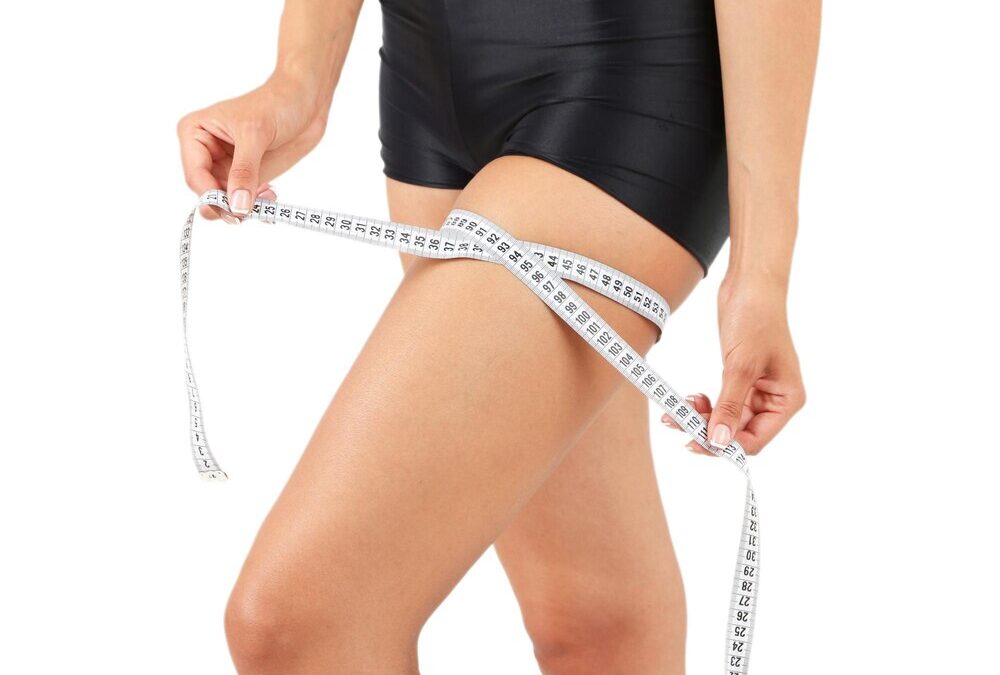
Stubborn thigh fat represents one of the most challenging areas for body contouring, affecting both confidence and clothing choices for millions of adults. Whether dealing with inner thigh fullness that causes chafing or outer thigh “saddlebags” that disrupt your silhouette, these areas often resist even the most dedicated diet and exercise routines. The good news is that modern aesthetic medicine offers multiple proven solutions for thigh fat reduction, ranging from non-invasive treatments that require no downtime to surgical procedures that deliver dramatic transformation.
Recent advances in body contouring technology have expanded treatment options significantly. The global body contouring devices market, valued at $1.75 billion in 2024, is projected to reach $6.67 billion by 2034, driven by innovations in non-surgical fat reduction technologies and increasing demand from patients seeking alternatives to traditional liposuction. This comprehensive guide examines both surgical and non-surgical approaches to help you understand which thigh contouring solution aligns with your goals, lifestyle, and anatomy.
Understanding Thigh Fat: Why Inner and Outer Thighs Resist Diet and Exercise
The distribution of thigh fat follows distinct patterns influenced by genetics, hormones, and gender. Women typically accumulate fat in the thigh region due to estrogen’s influence on fat cell distribution, which promotes storage in the lower body for reproductive purposes. This evolutionary adaptation makes thigh fat particularly resistant to traditional weight loss methods, as the body preferentially maintains these reserves even during caloric deficit.
Beyond hormonal factors, the structure of thigh fat tissue itself creates resistance to change. Fat cells in the thigh region have different receptor densities compared to other body areas, specifically alpha-2 receptors that inhibit fat breakdown versus beta receptors that promote it. The thigh area contains a higher concentration of alpha-2 receptors, making fat mobilization significantly more challenging through diet and exercise alone.
Age-related changes compound these challenges. As metabolism slows and muscle mass naturally decreases with age, maintaining thigh contour becomes increasingly difficult. Skin elasticity also diminishes over time, leading to both fat accumulation and skin laxity that can create an aged appearance even at a healthy weight.
The Difference Between Inner Thigh and Saddlebag Fat
Inner thigh fat and outer thigh saddlebags present distinct anatomical challenges requiring different treatment approaches. Inner thigh fat tends to be softer and more mobile, often resulting in skin-on-skin contact that causes discomfort and chafing during movement. This area typically has thinner skin with less underlying muscle support, making it prone to both fat accumulation and skin laxity, particularly after weight loss or pregnancy.
Outer thigh saddlebags, in contrast, consist of denser, more fibrous fat deposits overlying powerful hip and gluteal muscles. This fat tends to be thicker and more resistant to mobilization, creating a distinct bulge that disrupts the natural body contour. The fibrous nature of saddlebag fat makes it particularly responsive to surgical intervention, as the tissue structure allows for more precise sculpting during procedures like liposuction.
The vascular and lymphatic differences between these areas also influence treatment selection and recovery. Inner thighs have more delicate blood vessels and lymphatic channels, requiring gentler treatment approaches to minimize bruising and swelling. Outer thighs can typically tolerate more aggressive treatment due to their robust vascular network and supportive muscle structure.
When to Consider Professional Thigh Fat Reduction
Professional thigh contouring becomes appropriate when localized fat deposits persist despite maintaining a stable, healthy weight through proper diet and exercise. Ideal candidates typically have a body mass index under 30, good skin elasticity, and realistic expectations about achievable results. The pinch test provides a simple assessment – if you can grasp at least an inch of fat in the treatment area, non-surgical options may be effective.
Timing considerations play a crucial role in treatment success. Patients should maintain stable weight for at least six months before undergoing any body contouring procedure, as weight fluctuations can compromise results. Women planning pregnancy should postpone treatment, as hormonal changes and weight gain during pregnancy can reverse improvements achieved through fat reduction procedures.
Non-Surgical Thigh Fat Reduction Options: What Works in 2025
The landscape of non-invasive thigh contouring has evolved dramatically with FDA-approved technologies that deliver measurable fat reduction without surgery. These treatments work through various mechanisms including controlled cooling, electromagnetic energy, and focused ultrasound to selectively target and eliminate fat cells while preserving surrounding tissues. Patient satisfaction rates have reached impressive levels, with studies showing 89% satisfaction with CoolSculpting after two treatment sessions.
Treatment selection depends on multiple factors including fat thickness, skin quality, and desired timeline for results. Modern practices often employ combination protocols that address both fat reduction and skin tightening simultaneously, maximizing outcomes while minimizing treatment sessions. Understanding each technology’s strengths and limitations helps patients make informed decisions about their thigh contouring journey.
CoolSculpting Elite for Inner and Outer Thighs
CoolSculpting Elite represents the latest generation of cryolipolysis technology, offering dual applicators and enhanced cooling curves specifically designed for thigh contouring. Clinical studies demonstrate consistent 20-25% reduction in fat layer thickness following treatment, with measurable decreases of 2.6 to 3.3 millimeters in subcutaneous fat. The technology works by precisely cooling fat cells to temperatures that trigger apoptosis without damaging skin or surrounding tissues.
Treatment protocols for thighs typically involve two to three sessions spaced six to eight weeks apart. Inner thighs often require specialized applicators that conform to the curved anatomy, while outer thighs benefit from larger panels that can address the entire saddlebag area in a single session. Patients experience minimal discomfort during the 35-minute treatment cycles, with most returning to normal activities immediately.
Results develop gradually over 12 to 16 weeks as the body naturally processes and eliminates treated fat cells. The permanence of results depends on maintaining stable weight, as remaining fat cells can expand if significant weight gain occurs. Many patients report improved confidence in form-fitting clothing and reduced thigh friction during physical activities.
HIFEM Technology (Emsculpt Neo) for Thigh Contouring
High-Intensity Focused Electromagnetic (HIFEM) technology combined with radiofrequency heating offers a unique dual approach to thigh contouring. While cryolipolysis purely targets fat, Emsculpt Neo simultaneously reduces fat and builds muscle tone through supramaximal contractions equivalent to thousands of squats or lunges. This combination particularly benefits patients seeking improved thigh definition rather than just volume reduction.
Treatment sessions last 30 minutes and typically require four to six appointments scheduled twice weekly. The electromagnetic pulses create muscle contractions impossible to achieve through voluntary exercise, leading to muscle fiber remodeling and growth while the synchronized radiofrequency heating disrupts fat cells. Patients describe the sensation as intense but tolerable muscle engagement without the fatigue associated with traditional exercise.
Radiofrequency, Ultrasound, and Laser Lipolysis Options
Alternative energy-based devices offer additional options for non-invasive thigh contouring. Radiofrequency treatments like Vanquish ME use selective heating to destroy fat cells while promoting collagen production for mild skin tightening. Focused ultrasound technologies such as UltraShape target fat cells through mechanical disruption without thermal effects, making them suitable for patients with heat sensitivity.
Non-invasive laser lipolysis using 1060-nanometer diode lasers provides another approach, heating fat cells to temperatures that trigger cell death while maintaining skin surface comfort through contact cooling. These treatments typically require multiple sessions but offer the advantage of treating larger surface areas simultaneously, making them efficient for addressing both inner and outer thighs in single appointments.
Combination Therapy Protocols for Enhanced Results
Leading practices increasingly employ combination protocols that leverage multiple technologies for synergistic effects. A common approach pairs cryolipolysis for fat reduction with radiofrequency treatments for skin tightening, addressing both volume and laxity concerns simultaneously. This strategy particularly benefits patients with mild skin looseness who want to avoid surgical intervention.
Staged treatment plans might begin with CoolSculpting to reduce fat volume, followed by HIFEM technology to enhance muscle definition once fat reduction becomes apparent. Some protocols incorporate lymphatic massage or compression therapy between sessions to optimize results and minimize swelling. These comprehensive approaches typically yield superior outcomes compared to single-modality treatments.
Surgical Solutions: Thigh Liposuction and Thigh Lift Procedures
When non-surgical options cannot achieve desired results due to extensive fat deposits or significant skin excess, surgical intervention becomes necessary. Modern liposuction techniques have evolved far beyond traditional methods, with technologies like SmartLipo laser liposuction offering skin tightening benefits alongside fat removal. Surgical options provide the most dramatic and immediate results, though they require careful consideration of recovery time and potential risks.
The decision between liposuction alone versus combining it with a thigh lift depends on skin quality and the amount of excess tissue present. Patients with good skin elasticity may achieve excellent results with liposuction alone, as the skin naturally retracts following fat removal. However, those with poor skin tone or significant weight loss history often require skin excision to achieve optimal contours.
Inner and Outer Thigh Liposuction Techniques
Surgical approaches differ significantly between inner and outer thigh treatments due to anatomical variations. Outer thigh liposuction can be more aggressive, removing larger volumes of the dense, fibrous fat that creates saddlebags. Surgeons often use power-assisted or ultrasound-assisted techniques to break up fibrous tissue, allowing for smoother, more precise contouring. The robust muscle structure beneath provides excellent support for the overlying skin post-procedure.
Inner thigh liposuction requires a more delicate approach due to thinner skin and proximity to major blood vessels and lymphatic channels. Surgeons typically use smaller cannulas and remove fat more conservatively to prevent contour irregularities or excessive skin laxity. Many surgeons combine inner thigh liposuction with energy-based skin tightening to optimize results and minimize the risk of loose skin.
Recovery from thigh liposuction involves wearing compression garments for four to six weeks to minimize swelling and support skin retraction. Most patients return to desk work within a week but should avoid strenuous exercise for four to six weeks. Final results become apparent after three to six months as swelling completely resolves and skin fully retracts.
Medial Thigh Lift for Excess Skin After Weight Loss
The medial thigh lift addresses the hanging skin and tissue laxity that often persists after significant weight loss, whether from bariatric surgery or GLP-1 medications. This procedure removes excess skin and fat from the inner thigh, creating a tighter, more youthful contour. Incisions are strategically placed in the groin crease and potentially extend down the inner thigh, depending on the amount of excess tissue.
Surgical technique varies based on the extent of skin excess. Minor laxity may be addressed through a crescent excision limited to the groin area, while severe excess requires vertical incisions extending to the knee. Surgeons often combine the thigh lift with liposuction to optimize contouring, removing residual fat pockets while tightening loose skin.
CoolSculpting vs. Liposuction for Thighs: Making the Right Choice
The choice between non-surgical CoolSculpting and surgical liposuction depends on multiple factors including the amount of fat to be removed, skin quality, recovery time availability, and budget considerations. Understanding the quantitative differences in outcomes helps patients align their choice with realistic expectations and personal goals.
Comparing Results: Fat Reduction Percentages and Longevity
CoolSculpting achieves approximately 20-25% reduction in treated fat layer thickness per session, with most patients requiring two to three treatments for optimal results. This translates to subtle but noticeable improvement suitable for patients with mild to moderate fat deposits. Liposuction can remove 50-70% of fat in treated areas in a single procedure, delivering dramatic transformation for patients with more substantial concerns.
Both treatments permanently eliminate fat cells, but the timeline and maintenance differ significantly. CoolSculpting results develop gradually over three to four months as the body processes destroyed cells, while liposuction provides immediate volume reduction with final contours visible after swelling subsides. Long-term success with either treatment requires weight maintenance, as remaining fat cells can expand with weight gain.
Recovery Time and Side Effects Comparison
Non-surgical CoolSculpting involves minimal downtime with patients returning to normal activities immediately. Common side effects include temporary numbness, redness, and mild swelling that resolve within days to weeks. Rare complications like paradoxical adipose hyperplasia occur in less than 1% of treatments.
Liposuction recovery requires one to two weeks off work and four to six weeks before resuming exercise. Patients experience bruising, swelling, and discomfort managed with prescription pain medication. Compression garments worn continuously for several weeks help minimize swelling and support optimal healing. Despite longer recovery, many patients find the dramatic results worth the temporary lifestyle disruption.
Special Considerations: Thigh Contouring After GLP-1 Weight Loss
The widespread adoption of GLP-1 receptor agonists like Ozempic and Wegovy has created a new patient population seeking body contouring solutions. These medications produce rapid, significant weight loss that often leaves patients with deflated-appearing thighs characterized by loose skin and residual fat pockets resistant to further medication-induced loss.
Managing Skin Laxity and Residual Fat Pockets
GLP-1-induced weight loss typically results in generalized volume reduction rather than targeted fat loss, leading to disproportionate areas of fullness alongside skin laxity. Treatment planning must address both concerns, often through staged approaches that begin with skin tightening procedures followed by targeted fat reduction once skin quality improves.
Non-surgical options like radiofrequency and ultrasound treatments can improve mild skin laxity while combination approaches incorporating both CoolSculpting and skin tightening technologies address moderate concerns. Severe laxity following substantial weight loss typically requires surgical intervention through thigh lift procedures, potentially combined with liposuction for optimal contouring.
Timing Your Thigh Contouring Procedure Post-Weight Loss
Weight stability represents the most critical factor in timing body contouring procedures. Patients should maintain their goal weight for at least six months before undergoing treatment, as continued weight fluctuations can compromise results and potentially require revision procedures. This stabilization period also allows natural skin retraction to occur, helping determine the actual amount of intervention needed.
Nutritional optimization before treatment improves healing and outcomes. Patients should ensure adequate protein intake and address any vitamin deficiencies common after rapid weight loss. Some surgeons recommend lymphatic drainage therapy before and after procedures to optimize results and minimize swelling.
What to Expect: Treatment Process and Recovery Timeline
Understanding the treatment journey from initial consultation through final results helps patients prepare mentally and logistically for their thigh contouring procedure. Each treatment modality follows distinct protocols, but all begin with comprehensive evaluation and planning.
Consultation and Treatment Planning
The consultation process involves detailed assessment of fat distribution, skin quality, and overall health status. Many practices employ 3D imaging technology to visualize current anatomy and simulate potential outcomes, helping patients understand realistic results. Medical history review identifies factors that might influence treatment selection or healing, including medications, previous surgeries, and underlying health conditions.
Treatment planning considers lifestyle factors including work demands, exercise routines, and social commitments that might influence procedure timing and recovery. Surgeons develop customized protocols addressing individual anatomy and goals, potentially combining multiple modalities for optimal outcomes. Financial planning discussions include treatment costs, financing options, and potential need for touch-up procedures.
Recovery Phases and Result Timeline
Non-surgical treatments follow predictable recovery patterns with minimal disruption. CoolSculpting patients experience temporary numbness and mild swelling for one to two weeks, with gradual fat reduction becoming visible around week six and final results at 12-16 weeks. HIFEM treatments may cause muscle soreness similar to intense exercise for 24-48 hours, with visible toning improvements after two to four weeks.
Surgical recovery progresses through distinct phases. Week one involves managing discomfort and limiting activity while wearing compression garments continuously. Weeks two through four see gradual return to normal activities with continued compression wear. By week six, most patients resume exercise with surgeon clearance. Final results emerge over three to six months as swelling completely resolves and tissues settle into their new contours.
Market Trends and Future of Thigh Fat Reduction
The body contouring industry continues rapid expansion driven by technological innovation and changing patient demographics. Understanding market dynamics helps patients anticipate future treatment options and optimal timing for procedures.
Seasonal Demand Patterns and Treatment Timing
Demand for thigh contouring procedures follows predictable seasonal patterns, with inquiries increasing 40-60% during late winter and early spring as patients prepare for summer. This surge creates scheduling challenges at premier practices, making advance planning essential for those seeking treatment before swimsuit season. Smart patients book consultations in January or February for spring procedures, ensuring adequate recovery time before summer activities.
Off-season treatment during fall and early winter offers advantages including easier scheduling, potential promotional pricing, and discrete recovery during months when loose clothing naturally conceals treatment areas. Patients undergoing procedures in October or November enjoy full results by spring without rushing recovery.
Emerging Technologies and Combination Approaches
Next-generation devices entering the market promise enhanced results with fewer treatment sessions. Cryolipolysis technology continues evolving with improved applicators offering better tissue contact and more efficient cooling patterns. Combination devices integrating multiple energy sources in single platforms streamline treatment protocols while reducing overall session requirements.
Artificial intelligence integration in treatment planning uses predictive modeling to optimize applicator placement and energy settings based on individual anatomy. These advances promise more consistent results with reduced operator dependency. Regenerative medicine approaches incorporating fat grafting and stem cell therapies may eventually allow simultaneous fat reduction and skin rejuvenation.
Conclusion: Choosing Your Thigh Contouring Path
Successful thigh contouring requires careful consideration of individual anatomy, lifestyle factors, and personal goals. Non-surgical options offer excellent solutions for patients with mild to moderate concerns who prioritize minimal downtime, while surgical approaches provide dramatic transformation for those with substantial fat deposits or skin excess. The key to satisfaction lies in selecting appropriate treatment matched to realistic expectations.
Regardless of the chosen approach, working with board-certified providers ensures safe, effective treatment with optimal outcomes. Schedule consultations with qualified practitioners to discuss your specific concerns and develop a personalized treatment plan. With today’s advanced options for thigh fat reduction, achieving the smooth, contoured thighs you desire is more attainable than ever before.
