

Last updated: August 5, 2026
Nanofat fat transfer technology is fundamentally changing how plastic surgeons approach facial rejuvenation. This advanced technique, sometimes called nanofat grafting, enables precise restoration of facial volume using the patient’s own natural cells, offering results that synthetic fillers cannot match. For adults in the Portland and Vancouver areas seeking natural, long-lasting solutions to facial volume loss, hollow cheeks, and signs of aging, nanofat represents a breakthrough worth understanding.
What Is Nanofat Transfer and Why Is It Considered a Game Changer for Facial Rejuvenation?
Nanofat transfer is an advanced fat grafting technique that processes harvested adipose tissue into a refined, liquid form containing concentrated regenerative cells and growth factors. Unlike traditional fat grafting, which uses larger fat particles, nanofat technology enables surgeons to inject tiny amounts of processed fat through fine cannulas, achieving smooth, natural-looking volume restoration. This approach has emerged as a breakthrough in regenerative plastic surgery, transforming how practitioners address facial volume loss.
How Does Nanofat Technology Differ From Traditional Fat Grafting?
Traditional fat grafting historically suffered from unpredictable retention rates, with studies indicating that up to half of transferred fat may not survive long-term due to inadequate blood supply during the early healing phase. Nanofat technology addresses this limitation by processing fat through specialized filtration systems that isolate regenerative cells while removing debris and larger fat globules. This creates a smooth, injectable emulsion that integrates more readily with surrounding tissues. The resulting product allows for precise placement in delicate areas like the under-eye region and lips, where traditional fat grafting would create visible irregularities.
What Makes Nanofat Transfer Revolutionary for Plastic Surgery?
Beyond volume restoration, nanofat contains stem cells and growth factors that contribute to skin rejuvenation over time. This regenerative capacity, sometimes called skin stamping, enables improvement in skin quality, texture, and tone alongside volume enhancement. A review published in PMC highlights how nanofat has advanced face-focused applications in plastic reconstructive and aesthetic surgery, demonstrating its versatility for treating facial acne scars, fine wrinkles, and skin discoloration while restoring volume.
What Areas of the Face Can Nanofat Transfer Treat?
Nanofat transfer offers versatile treatment options for multiple facial concerns, from significant volume loss to subtle contour irregularities. The refined nature of nanofat allows surgeons to address delicate areas with precision that was previously difficult to achieve with traditional fat grafting or synthetic fillers.
Can Nanofat Fix Hollow Cheeks and Sunken Temples?
Volume loss in the midface creates a sunken, aged appearance that many patients find distressing. Nanofat effectively restores volume to hollow cheeks and temples, creating a more youthful contour without the artificial fullness that can result from overfilled synthetic products. The treatment rebuilds natural facial architecture by replenishing fat pads that diminish with age or weight fluctuations. Patients seeking cheek augmentation often find that nanofat provides the most natural-looking results for this type of restoration.
How Does Autologous Fat Transfer Address Thin Lips and Deep Wrinkles?
Thin lips and deep facial wrinkles respond well to nanofat transfer, which adds natural-looking volume while improving skin quality in the treated areas. Unlike dermal fillers that may create an overfilled appearance, this technique integrates with existing tissues to create soft, natural contours. The regenerative components in nanofat also stimulate collagen production, gradually improving the appearance of nasolabial folds, marionette lines, and vertical lip lines over time.
Can Nanofat Improve Under-Eye Hollows and Facial Skin Indentations?
Under-eye hollows and facial skin indentations present unique challenges because the skin in these areas is extremely thin and unforgiving. Nanofat technology enables precise, layered injection that smooths hollows without creating visible lumps or irregularities. The regenerative properties of nanofat also help improve the quality of overlying skin, reducing the bluish discoloration that often accompanies under-eye hollows. This makes nanofat particularly valuable for patients who have not achieved satisfactory results with other treatments.
What Are the Benefits of Using Your Own Fat for Facial Rejuvenation?
Using autologous fat for facial rejuvenation offers distinct advantages over synthetic alternatives, making it an increasingly popular choice for patients seeking natural results. The patient’s own tissue provides a biocompatible solution that eliminates risks associated with foreign materials.
Why Is Autologous Fat Transfer Considered Safer Than Synthetic Fillers?
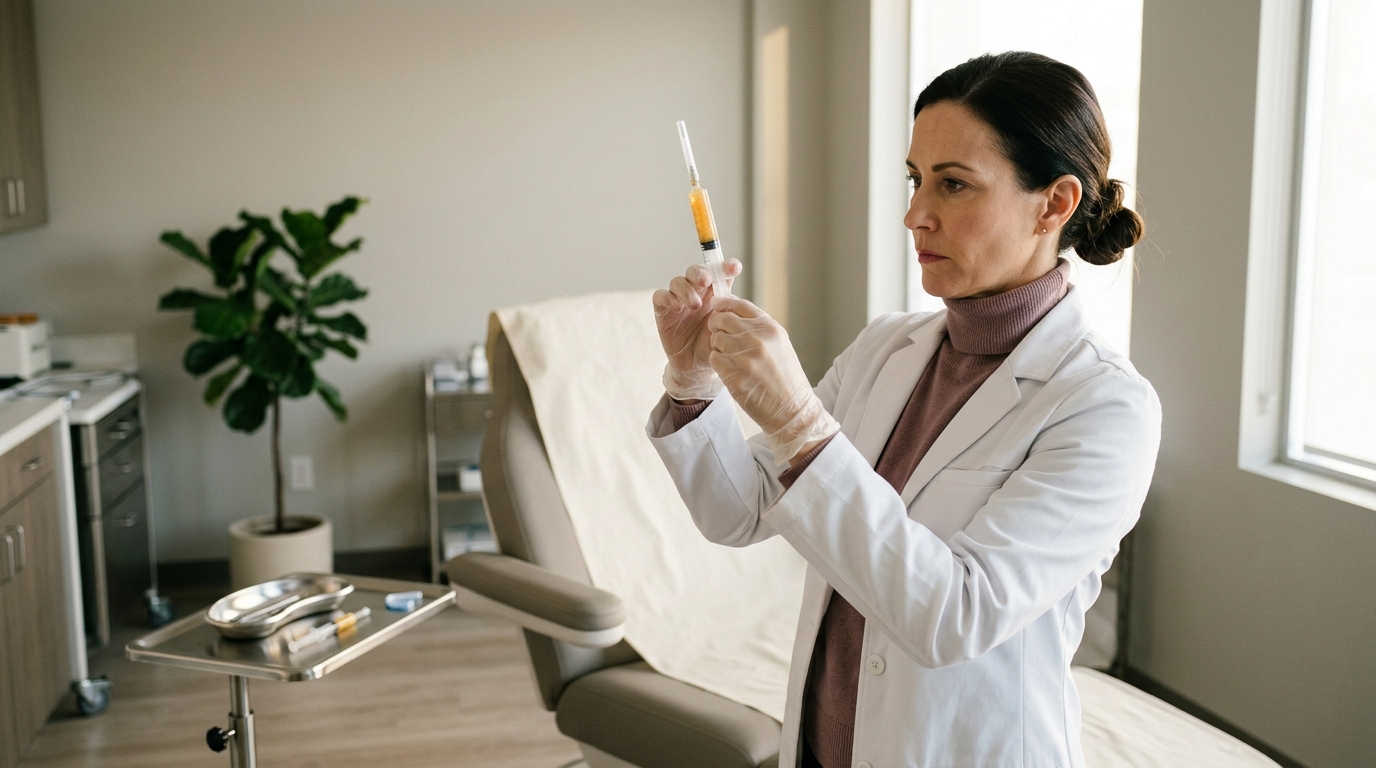
Autologous fat transfer eliminates the risk of allergic reactions or immune responses since the material comes from the patient’s own body. Synthetic fillers, while generally safe, carry rare risks of granulomas, vascular occlusion, and hypersensitivity reactions. Fat harvested from areas like the abdomen, thighs, or flanks is biocompatible and integrates naturally with existing tissues. Patients with concerns about foreign substances in their bodies often prefer this approach for its excellent safety profile.
How Does Fat Grafting Provide More Natural-Looking Results?
Fat tissue integrates with surrounding facial structures in a way that synthetic fillers cannot replicate. Once established, transferred fat behaves identically to surrounding tissue, moving naturally with facial expressions and aging proportionally with the face. Synthetic fillers sometimes create a characteristic overfilled or artificial appearance, particularly when overused. Patients exploring fillers versus fat transfer often discover that fat grafting produces superior aesthetic outcomes for significant volume restoration.
What Are the Long-Term Advantages of Autologous Fat Transfer Over Dermal Fillers?
While dermal fillers require repeated maintenance treatments every six to eighteen months, this technique provides permanent results once the transferred tissue establishes its blood supply. The initial recovery period may be slightly longer, but patients ultimately enjoy lasting improvement without ongoing treatment costs or maintenance appointments. Patients can learn more about how long fat transfer results last to understand the long-term benefits compared to temporary alternatives.
What Is the Fat Grafting Procedure Like at a Northwest Plastic Surgery Practice?
Understanding the procedure steps helps patients feel confident and prepared for their nanofat transfer experience. Northwest plastic surgery practices follow meticulous protocols to ensure optimal fat survival and natural-looking results.
How Do Surgeons Harvest and Process Fat for Transfer?
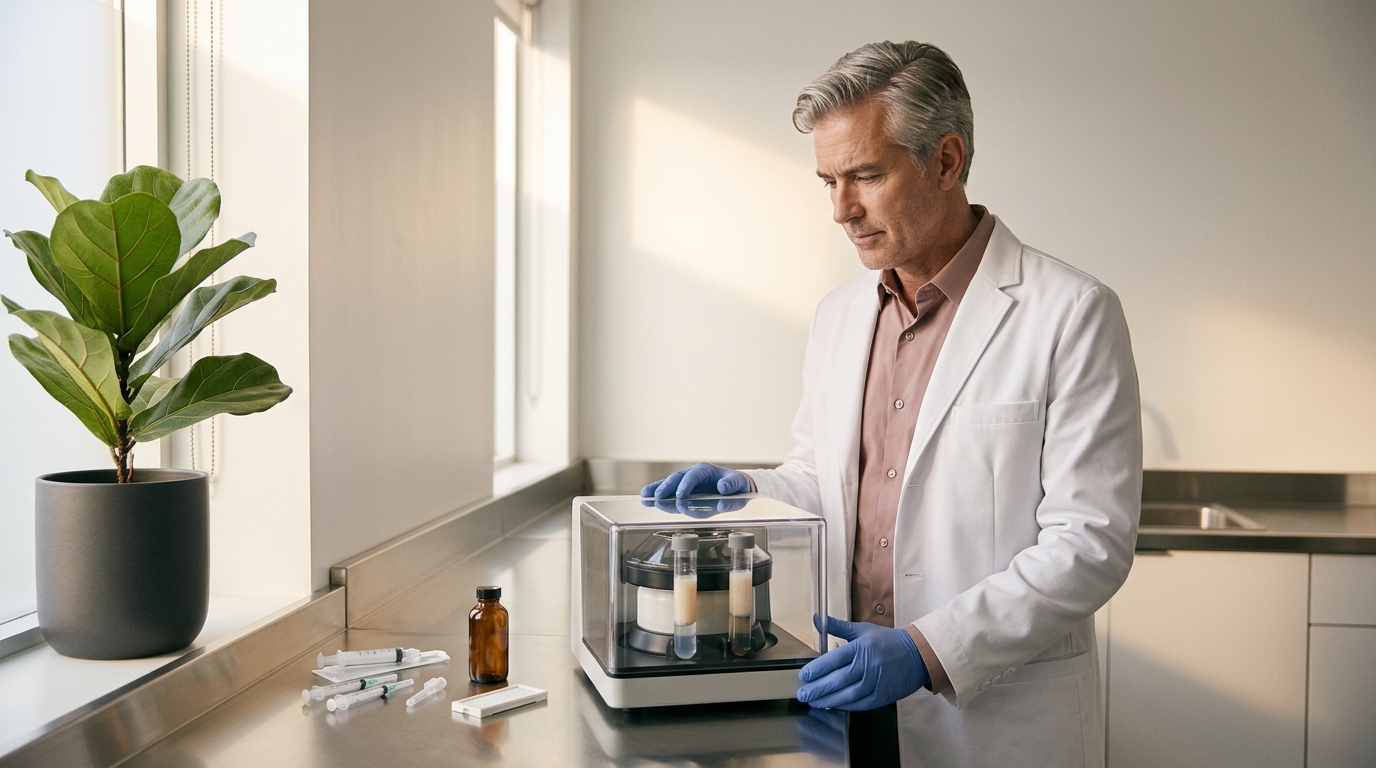
The process begins with gentle liposuction to harvest fat from a donor area where excess tissue exists, such as the abdomen, flanks, or thighs. This harvest is performed using small cannulas that minimize trauma to fat cells. The harvested fat then undergoes processing through centrifugation or filtration systems that separate viable fat cells from oil, blood, and anesthetic fluids. For nanofat specifically, the processed fat is further emulsified and filtered to create the smooth, injectable formulation that enables precise placement in facial tissues.
What Happens During the Nanofat Grafting Process?
Once processed, the nanofat is loaded into fine syringes and injected through small cannulas into the target facial areas. Surgeons use a layered technique, depositing small amounts of fat in multiple passes to ensure uniform distribution and maximize contact with blood-supplying tissues. The procedure is typically performed under local anesthesia with sedation or light general anesthesia, depending on the extent of treatment. Most patients return home the same day with minimal downtime.
Who Is an Ideal Candidate for Autologous Fat Transfer Facial Rejuvenation?
Fat transfer appeals to adults seeking natural solutions for facial volume loss who prefer using their own tissues rather than synthetic products. The ideal candidate understands the procedure’s benefits and maintains realistic expectations about outcomes.
What Facial Concerns Make Someone a Good Candidate for Fat Grafting?
Good candidates typically present with moderate facial volume loss, hollow cheeks, sunken temples, deep wrinkles, thin lips, under-eye hollows, or facial skin indentations from aging or previous trauma. Patients should be in good overall health, maintain stable weight, and have adequate fat reserves for harvest. Those seeking natural-looking results without the maintenance requirements of dermal fillers often find this procedure aligns well with their goals.
Are There Body Areas That Can Also Benefit From Autologous Fat Transfer?
Beyond facial rejuvenation, fat grafting techniques enhance other areas where patients desire natural augmentation. Fat transfer procedures effectively improve aged hands, restore volume lost to weight changes, address hip dips, and enhance buttock contour. Patients who have experienced volume loss in multiple areas benefit from combining facial and body treatments in a single surgical session, using harvested fat efficiently across treatment zones.
What Recovery and Results Can I Expect From Nanofat Transfer?
Recovery expectations help patients plan appropriately and understand the timeline for seeing final outcomes. The healing process involves stages that gradually reveal the procedure’s benefits.
How Long Is Recovery After Autologous Fat Transfer to the Face?
Most patients experience mild swelling and bruising for seven to ten days following facial fat grafting. Discomfort is typically minimal and well-controlled with over-the-counter pain medication. Patients can usually return to light activities within a few days and resume normal exercise within two to three weeks. The donor site where fat was harvested follows similar timelines but may require a few additional days of care.
When Will I See Final Results From My Fat Grafting Procedure?
Initial results are visible immediately after the procedure, though swelling obscures the final outcome for several weeks. By three months, approximately seventy to eighty percent of the final result is apparent as the transferred fat establishes its blood supply and surviving cells integrate with surrounding tissues. Final results continue developing over six to twelve months as the body remodels the transferred tissue and regenerative components continue their work.
How Long Do Nanofat Transfer Results Last?
Unlike dermal fillers that require repeated maintenance, this technique provides permanent results once the transferred tissue establishes itself. Surviving fat cells remain in place indefinitely, aging naturally with the rest of the face. Studies consistently show high long-term retention rates when proper harvesting and injection techniques are employed, making this investment in facial rejuvenation durable and cost-effective over time.
How Does Nanofat Compare to Dermal Fillers for Facial Volume Restoration?
Understanding the differences between these popular treatment options helps patients make informed decisions about their aesthetic care.
What Are the Key Differences Between Fat Grafting and Fillers?
| Feature | Nanofat Transfer | Dermal Fillers |
|---|---|---|
| Material Source | Patient’s own fat cells | Hyaluronic acid or synthetic substances |
| Duration | Permanent results | 6-18 months depending on product |
| Regenerative Benefits | Stem cells and growth factors | Volume only |
| Maintenance Required | None after initial recovery | Regular repeat treatments |
| Treatment Area Limitations | Versatile for large and small areas | Best for targeted augmentation |
Which Treatment Is Better for Long-Lasting Facial Rejuvenation?
For patients seeking permanent solutions with additional regenerative benefits, nanofat transfer offers clear advantages. Dermal fillers remain excellent choices for patients wanting temporary results, those new to aesthetic treatments, or individuals addressing very specific, limited concerns. Patients weighing their options often benefit from consulting with experienced practitioners who can recommend the most appropriate approach based on individual anatomy and goals.
Why Choose a Camas or Portland Practice for Advanced Autologous Fat Transfer Technology?
Practitioners in the Camas and Portland area offer access to cutting-edge fat grafting technology without requiring travel to major metropolitan centers. Local practices combine convenience with expertise, providing personalized care that larger institutions may not match.
What Should You Look for in a Fat Grafting Surgeon?
Selecting a qualified surgeon involves evaluating training, board certification, and demonstrated experience with fat grafting techniques. Look for practitioners who stay current with advancing technologies like nanofat processing and can show consistent, natural-looking results. The best surgeons offer honest consultations, discuss realistic expectations, and prioritize patient safety above all else.
How Can I Find the Best Autologous Fat Transfer Surgeons Near Me?
Patients in Portland, Vancouver, Maywood Park, and surrounding areas benefit from researching local board-certified plastic surgeons who specialize in fat grafting procedures. Reviewing before-and-after galleries, reading patient testimonials, and scheduling consultations help identify practitioners whose experience and approach align with individual needs. Practices offering comprehensive aesthetic services, including complementary treatments like laser skin resurfacing, provide coordinated care that enhances overall outcomes.
Nanofat transfer represents a remarkable advancement in natural facial rejuvenation, offering patients a way to restore volume using their own body’s resources. For those in the Portland and Vancouver areas ready to explore this transformative technology, NW Laser provides expert consultation to help determine whether nanofat transfer aligns with your aesthetic goals. Contact NW Laser today to schedule your personalized evaluation and begin your journey toward natural, lasting facial rejuvenation.
Frequently Asked Questions
What is nanofat transfer and how does it differ from traditional fat grafting?
Nanofat transfer is an advanced fat grafting technique that processes harvested adipose tissue into a refined, liquid form containing concentrated regenerative cells and growth factors. Unlike traditional fat grafting, which uses larger fat particles, nanofat technology enables injection through fine cannulas, achieving smooth, natural-looking volume restoration without visible irregularities.
How long does recovery take after nanofat facial transfer?
Most patients experience mild swelling and bruising for seven to ten days following facial fat grafting. Discomfort is typically minimal and controlled with over-the-counter pain medication. Patients can return to light activities within a few days and resume normal exercise within two to three weeks.
How long do nanofat transfer results last compared to dermal fillers?
Unlike dermal fillers that require repeated maintenance every six to eighteen months, this technique provides permanent results once the transferred tissue establishes its blood supply. Surviving fat cells remain in place indefinitely, aging naturally with the rest of the face.
What facial areas can nanofat transfer treat?
Nanofat effectively restores volume to hollow cheeks and sunken temples, adds natural-looking fullness to thin lips, and smooths deep wrinkles and under-eye hollows. The refined formulation allows precise placement in delicate areas where traditional fat grafting would create visible irregularities.
What are the benefits of using your own fat for facial rejuvenation?
Autologous fat transfer eliminates the risk of allergic reactions since the material comes from your own body. Fat integrates naturally with surrounding facial structures, moving with expressions and aging proportionally. Additionally, nanofat contains stem cells and growth factors that improve skin quality, texture, and tone over time.
Am I a good candidate for fat grafting facial rejuvenation?
Good candidates typically present with moderate facial volume loss, hollow cheeks, sunken temples, deep wrinkles, thin lips, or under-eye hollows. Ideal candidates are in good overall health, maintain stable weight, and have adequate fat reserves in areas like the abdomen or thighs for harvest.
When will I see final results from my nanofat transfer procedure?
Initial results are visible immediately, though swelling obscures the final outcome for several weeks. By three months, approximately seventy to eighty percent of the final result is apparent. Final results continue developing over six to twelve months as transferred fat integrates with surrounding tissues.
