

Last updated: October 1, 2026
An intense pulsed light photofacial is a noninvasive treatment that uses pulses of broad-spectrum light to address sun spots, uneven tone and visible facial redness without removing the skin’s surface. An IPL photofacial may also produce subtler changes in texture and fine lines, but results depend on the concern being treated and whether IPL is suitable for your skin.
What Is an Intense Pulsed Light Photofacial?
An intense pulsed light photofacial is a non-ablative skin treatment that directs broad-spectrum light into the skin while leaving its surface intact. At NW Laser, we use intense pulsed light photofacial treatment for concerns such as sun spots, freckles, uneven tone and facial redness. IPL is a light-based treatment, not a laser.
How does IPL target sun spots and facial redness?
IPL light is absorbed by excess pigment in brown spots and by hemoglobin in visible blood vessels. The treated pigment may later darken and flake away, while targeted vessels may become less noticeable. This makes IPL a potential sun damage treatment for someone with both brown spots and red areas, although the cause of discoloration matters. The American Society of Plastic Surgeons identifies brown and red pigment as concerns an IPL photofacial can target with minimal downtime.
Does IPL photofacial really work?
IPL photofacial can gradually improve some brown spots and visible redness, but its effects are not equally strong for every skin concern. Changes in texture and fine lines may be subtler than changes in pigment. A consultation helps distinguish sun damage and visible vessels from conditions, including melasma or acne, that need a different assessment. For more on intense pulsed light for rosacea, read how it may reduce redness and what to consider before treatment.
Which skin concerns tend to respond to IPL?
Sun spots, freckles, uneven tone and visible small vessels are common reasons to consider IPL. For facial redness associated with rosacea, treating visible vessels may improve appearance, but IPL is not a cure for every rosacea symptom. Our guide to approaches to facial redness explains why identifying its cause comes before choosing a treatment.
Acne requires particular care in that distinction: a light-based approach for redness or occasional blemishes is not the same as a plan for persistent or severe acne. The American Academy of Dermatology notes that photopneumatic therapy combines IPL with a gentle vacuum and can treat blackheads, whiteheads and some pimples, but not acne nodules or cysts.
Can IPL improve fine lines around the eyes?
Possibly, but improvement is not assured, and research on the eye area should not be taken as permission to treat directly on the eyelids. In Barikbin and colleagues’ 2019 uncontrolled, open-label study, 38 patients enrolled for three IPL sessions one month apart; six months after the final session, 28 of the 33 patients assessed had mild to excellent improvement, while five had little or no improvement. The study’s design limits how confidently its findings apply to other patients. Treatment near the eyes requires clinician assessment and appropriate eye protection.
Does IPL help sagging jowls?
IPL may produce mild changes in the appearance of aging skin, but it does not lift jowls or replace a procedure intended to address substantial skin laxity. If sagging is your main concern, our team can discuss whether another treatment better matches that goal rather than presenting a photofacial as a lifting procedure.
Who is a good candidate for an IPL photofacial?
A good IPL photofacial candidate has a concern that light can reasonably target, such as sun-related brown spots or visible facial vessels, and skin that can be treated safely. At NW Laser, candidacy is decided through consultation rather than by appearance alone. Our guidance is that patients with darker skin should not undergo our IPL photofacial.
Is IPL a good choice for melasma?
Not necessarily. Melasma can resemble other forms of hyperpigmentation, so an accurate diagnosis matters before treatment. Mayo Clinic’s guidance on treating melasma explains that IPL-related heat may worsen the condition and that pigmentation often returns after IPL. Sun protection and an individualized treatment plan may be more appropriate than treating every dark patch as a sun spot.
IPL can carry a greater risk of burns and unwanted pigment changes in darker skin. During a consultation, we can assess the discoloration and discuss suitable alternatives.
What is the downside of IPL treatment on the face?
Mild redness and sensitivity are expected short-term effects of facial IPL; burns, blisters, scarring and lighter or darker pigmentation are rare but possible complications. Risk depends in part on skin characteristics, recent sun exposure and treatment settings. Qualified treatment reduces avoidable risk but cannot guarantee that a complication will not occur.
Who should avoid or postpone IPL treatment?
At NW Laser, patients with darker skin should not have our IPL photofacial. A recent tan or significant sun exposure can also make postponement appropriate. Pregnancy, certain medications and relevant medical conditions call for clinician review before treatment; tell our team about these factors rather than changing a prescribed medication on your own. Discuss your individual risks with your own clinician before proceeding.
Mild redness can be expected, but deeply red skin or symptoms that seem to be worsening deserve a call to NW Laser for guidance. Treatment settings and a careful skin assessment matter even when an experienced practitioner performs IPL.
What happens during an IPL photofacial appointment?
A facial IPL session at NW Laser takes about 20 to 30 minutes; treating another body area may take up to 60 minutes.
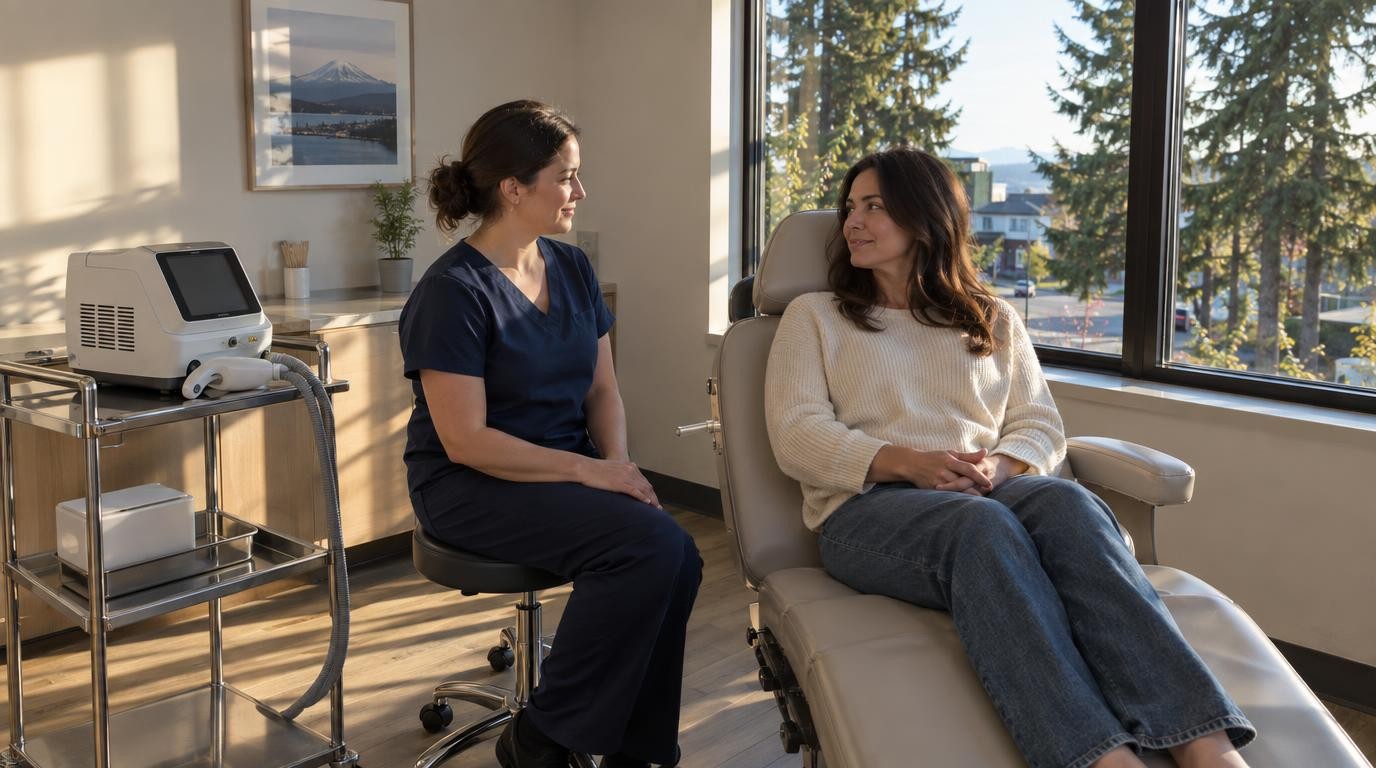
The appointment follows a straightforward sequence:
- We cleanse the treatment area so makeup and skincare products do not interfere with treatment.
- We apply numbing ointment to help manage discomfort.
- We place the handheld device against the skin and deliver brief light pulses according to the treatment plan.
How should you prepare for an IPL photofacial?
During the two weeks before an appointment at NW Laser, avoid waxing, direct sunlight, tanning beds, chemical peels and collagen injections in the treatment area. Review your medications and skincare products with our team, including anything that may increase bleeding risk or skin sensitivity.
How long does recovery take after an IPL photofacial?
IPL at NW Laser usually requires no scheduled downtime, although redness may be visible for one to two days. Your skin may feel sensitive, and treated dark spots can darken before flaking within about a week. Individual responses vary, so follow the aftercare instructions given for your treatment. Learn what to expect from IPL before and after one treatment, including early redness and changes in dark spots.
What should you do after an IPL photofacial?
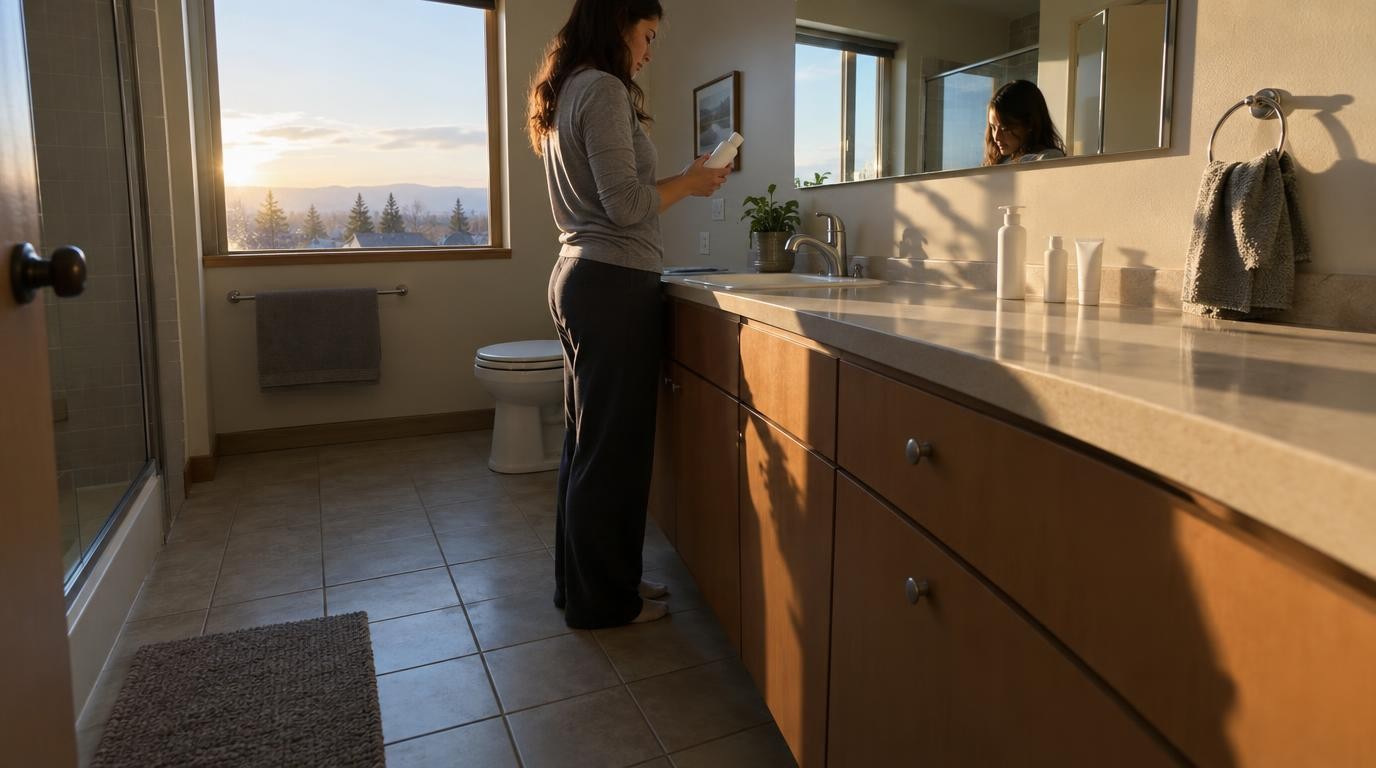
Follow our team’s cooling instructions, then cleanse gently and apply a moisturizer made for sensitive skin. Let any flakes shed naturally rather than rubbing or exfoliating them. Wait until redness subsides before applying makeup, and use sun protection outdoors. If redness becomes deep, discomfort increases or blisters appear, contact NW Laser for advice rather than assuming those changes are routine recovery.
How many IPL treatments do you need, and how long do results last?
The number of IPL treatments depends on the concern and how your skin responds. At NW Laser, brown spots may take three to five sessions, with at least four to six weeks between treatments. After a recommended course, results may last up to one year, but sun exposure and individual skin factors affect durability.
NW Laser’s treatment estimates are planning guides, not promises of a particular result:
| Planning question | NW Laser’s guidance |
|---|---|
| Brown-spot treatment course | May take three to five sessions |
| Time between sessions | At least four to six weeks |
| Result duration after a recommended course | May last up to one year |
When might you notice changes in brown spots?
Treated spots can look darker before small flakes shed, often within about a week at NW Laser. Improvement builds gradually rather than appearing all at once, and some pigment may remain after an initial appointment. Protecting skin from further sun exposure matters because new or recurring discoloration can affect how long the result appears to last. Our discussion of why dark spots can return after treatment explores that distinction.
How does an IPL photofacial compare with laser treatment?
IPL is not a laser. Here is how the two approaches compare when you are considering treatment for sun damage or redness:
| Consideration | IPL photofacial | Laser treatment |
|---|---|---|
| Light used | Broad-spectrum light with multiple wavelengths | Selected wavelengths, depending on the laser |
| Potential targets | Sun-related brown spots and visible redness during the same appointment | Specific pigment or vessel concerns, depending on the laser |
| Skin surface and recovery | Does not remove the skin’s surface; typically little downtime, though redness can occur | Varies: non-ablative lasers leave the surface intact, while ablative lasers remove it and require more healing |
Is IPL or laser a better fit for sun damage and redness?
Neither option is automatically better. If your main concern is texture, a different approach may make more sense; for a particular vessel or pigment pattern, a targeted treatment may be preferable. Compare options according to skin tone, diagnosis, recovery preferences and the change you hope to see, not a blanket claim that IPL outperforms laser treatment. Our IPL and fractional laser comparison provides more context for that conversation.
Frequently Asked Questions
Can you get an IPL photofacial on your chest or hands?
Yes. NW Laser offers IPL treatment beyond the face, including the chest, hands, neck, arms, back and legs. Treating a body area may take longer than a facial session. Ask the clinic to assess the area and your skin before assuming the same treatment plan will suit both.
Can I exercise after an IPL photofacial?
Yes. You can exercise after facial IPL treatment; stay hydrated. Redness and sensitivity can occur, so follow your individual aftercare instructions rather than pushing through worsening discomfort. Contact the clinic if your skin becomes deeply red or your reaction seems unusual.
How should I ice my skin after an IPL photofacial?
We recommend gently applying an ice pack wrapped in a cloth to the treated area for approximately 30 minutes after you get home, then icing for 10 to 15 minutes each hour during the first three hours. Do not put ice directly against your skin. Follow the clinic’s instructions for your treatment, and call if discomfort worsens or your skin becomes deeply red.
Should I sleep with my head elevated after an IPL photofacial?
Yes. We recommend elevating your head on the first night after an IPL photofacial to help reduce swelling. This aftercare step does not mean everyone will experience noticeable swelling. Follow the instructions given for your treatment, and ask the clinic about symptoms that concern you.
Can an IPL photofacial remove facial hair too?
IPL can also be used for hair removal. IPL heats hair follicles to reduce regrowth on the face or body; hair removal may require a series of treatments. Do not assume a photofacial targeting spots or redness includes hair removal; ask which concerns your treatment plan covers.
Is an IPL photofacial the same treatment as IPL for dry eyes?
No. A cosmetic IPL photofacial targets skin concerns such as sun spots and visible redness. Mayo Clinic describes dry-eye IPL as light directed at the lower eyelids and upper cheeks to heat blocked eyelid glands. Do not assume a cosmetic photofacial treats dry eye; treatment near the eyes requires a clinician’s assessment.
How can you decide whether an IPL photofacial is right for you?
Deciding whether to have an IPL photofacial starts with identifying the concern, checking skin-tone suitability and weighing realistic results against risks and recovery. Brown spots and visible redness may be reasonable targets, while melasma, significant sagging and darker skin call for a different discussion. A consultation can turn those distinctions into an individualized plan.
If you are coming from Camas, Washington, contact NW Laser for a consultation at our clinic in Vancouver, Washington. We can assess your skin, discuss what an IPL photofacial could reasonably accomplish and review other treatment options when IPL is not the right fit.
This article is general information and is not medical advice. Talk to a licensed clinician about your own situation before making a treatment decision.
