

Last updated: November 21, 2026
IPL before and after 1 treatment can show fading sun spots, freckles, a more even tone, or less visible redness, but results vary and one visit does not guarantee lasting clearance. At NW Laser, our IPL photofacial treatment starts a gradual process: treated spots may darken before they fade, so an immediate after photo rarely tells the whole story.
What can IPL before and after 1 treatment actually show?
A first IPL treatment may produce visible changes in sun spots, freckles, uneven tone, or facial redness, but some concerns need further treatment. Brown pigment can look darker before it flakes away, while fine-line changes develop more gradually. Compare photographs only after the initial skin reaction has settled, and never treat someone else’s result as a promise.
Can sun spots look darker before they fade?
Yes. Treated pigment can temporarily appear darker or look like small dark granules as it moves toward the skin’s surface. At NW Laser, we advise patients to let that pigment flake off naturally, typically within about one week. Darkening immediately after treatment is therefore not the same as a poor final result, but it is too early to judge how much a spot will fade.
Will facial redness or fine lines change after one session?
Some patients notice less visible redness as their skin settles; others need additional sessions. Fine lines are a less immediate measure of success because collagen-related changes are gradual. The American Board of Cosmetic Surgery’s IPL guidance distinguishes IPL’s effect on brown and red discoloration from its lesser, gradual effect on collagen.
For a meaningful before-and-after comparison, use similar lighting, camera distance, and timing. When viewing our before-and-after gallery, check how many IPL sessions the patient had, whether they received other procedures, and when the after photo was taken. A photo without those details—or one showing combined treatments—cannot establish what one IPL session alone achieved or predict your result.
How does an IPL photofacial treat spots and redness?
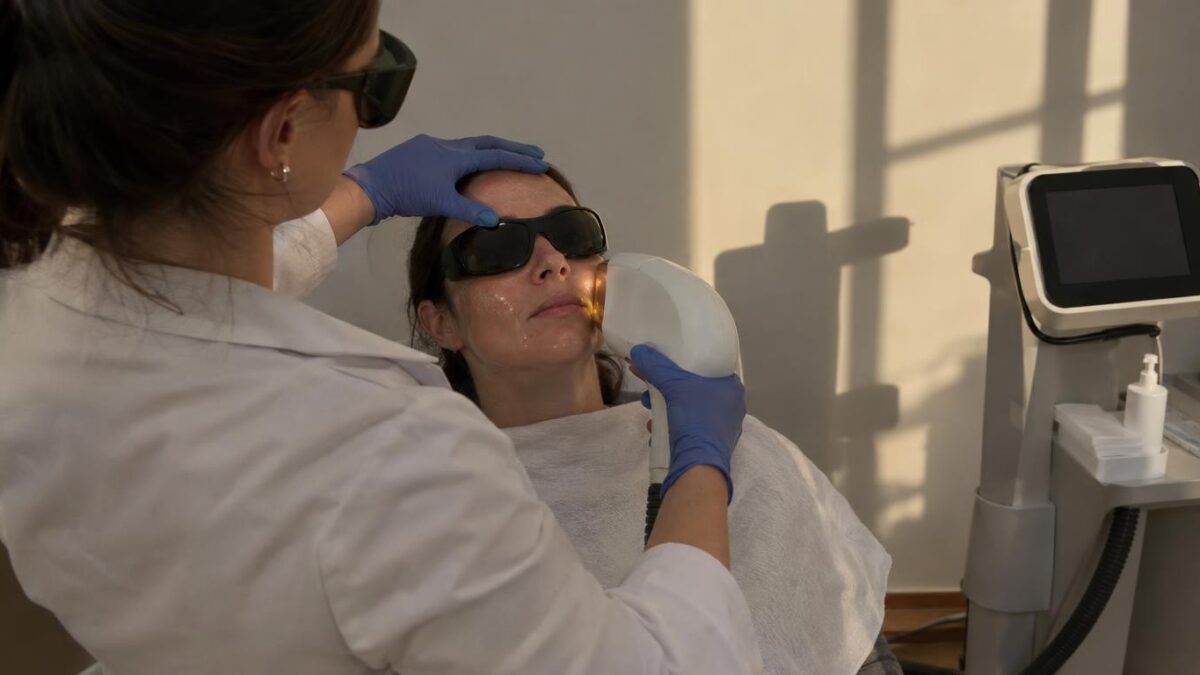
An IPL photofacial uses brief, broad-spectrum light pulses to target excess brown pigment and visible redness without removing the skin’s surface. The treatment is noninvasive and nonablative. At NW Laser, we treat the face as well as areas such as the chest and hands, while tailoring the approach to the concern rather than promising complete clearance in one session.
What happens to pigment after IPL?
Light absorbed by excess pigment helps break down the melanin associated with concerns such as sun damage and age spots. Treated pigment can then become more noticeable before it flakes away. That sequence explains why a spot may look worse in an early photo yet lighter after the skin has settled.
How can IPL affect visible facial blood vessels?
IPL can also target redness associated with small visible blood vessels, making those vessels less noticeable. The American Academy of Ophthalmology’s EyeWiki overview of IPL describes improvement in rosacea-related redness and visible blood vessels, while noting that long-term outcomes are less certain. Facial redness has different possible causes, however, so identifying the concern matters before choosing treatment. Our guide to IPL for rosacea-related redness explores that distinction further.
What happens at your first IPL photofacial appointment?
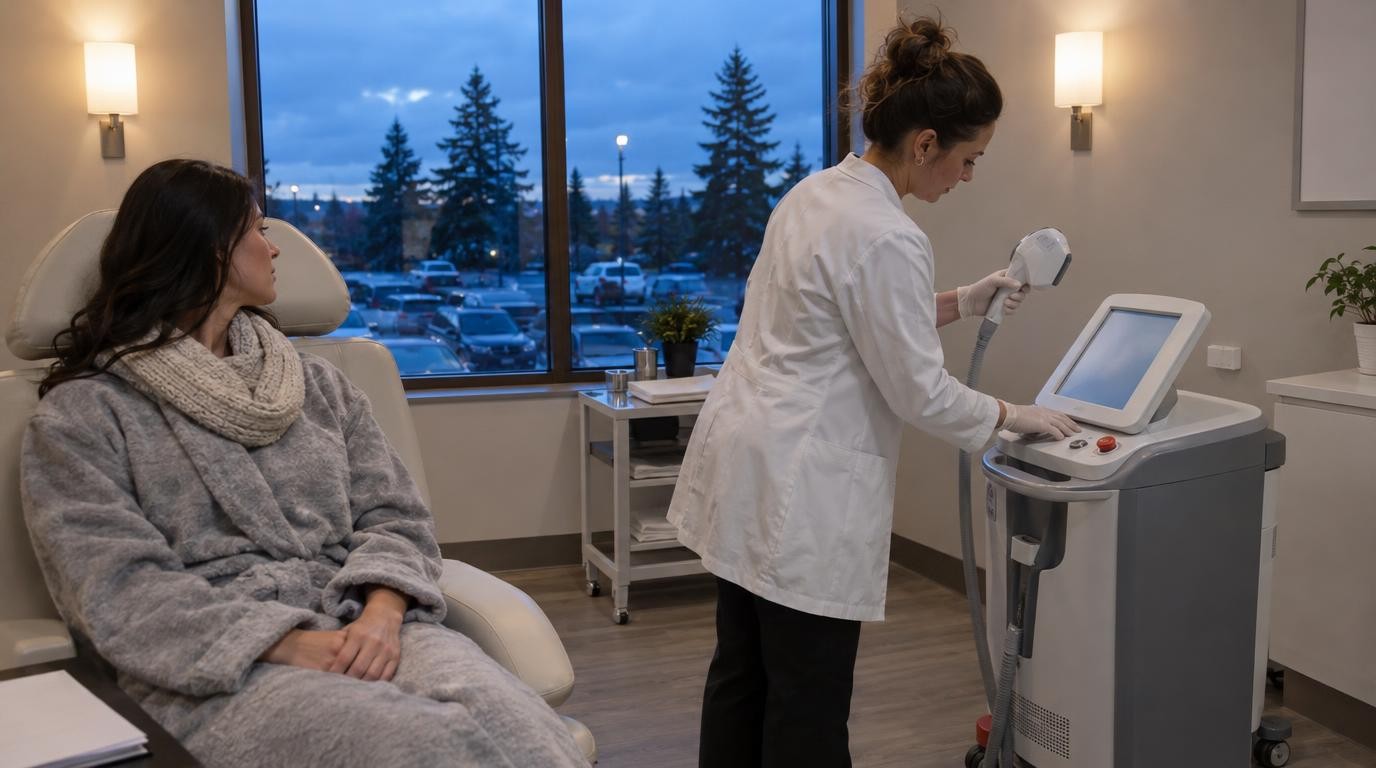
Your first NW Laser appointment begins with a review of your skin concerns, medical history, medications, and treatment suitability. We then remove makeup and skin care products, apply topical numbing ointment, and deliver short light pulses with a handheld device. The appointment also gives you a chance to understand likely skin reactions before treatment begins.
How should you prepare for your first IPL session?
At NW Laser, we ask you to avoid waxing, direct sunlight, and tanning beds for the two weeks before treatment. Also avoid chemical peels and collagen injections in the treatment area. Bring a list of your medications and current skin care products, especially any medication that increases bleeding risk. Do not stop or change a medication on your own to prepare for IPL.
How long does an IPL photofacial take?
At NW Laser, treating the face takes about 20 to 30 minutes; another area may take up to 60 minutes. Treatment time varies with the area covered. Preparation and the suitability review are important parts of the visit, even though the device delivers its light in short pulses.
What does recovery look like after one IPL treatment?
Recovery after one IPL treatment is usually a gradual change in appearance, not an instant reveal. Mild, sunburn-like redness or sensitivity may appear first; treated brown pigment can then darken and flake naturally. NW Laser does not require planned downtime for IPL, but a normal schedule does not mean the skin will look unchanged.
How might skin look on days one and two?
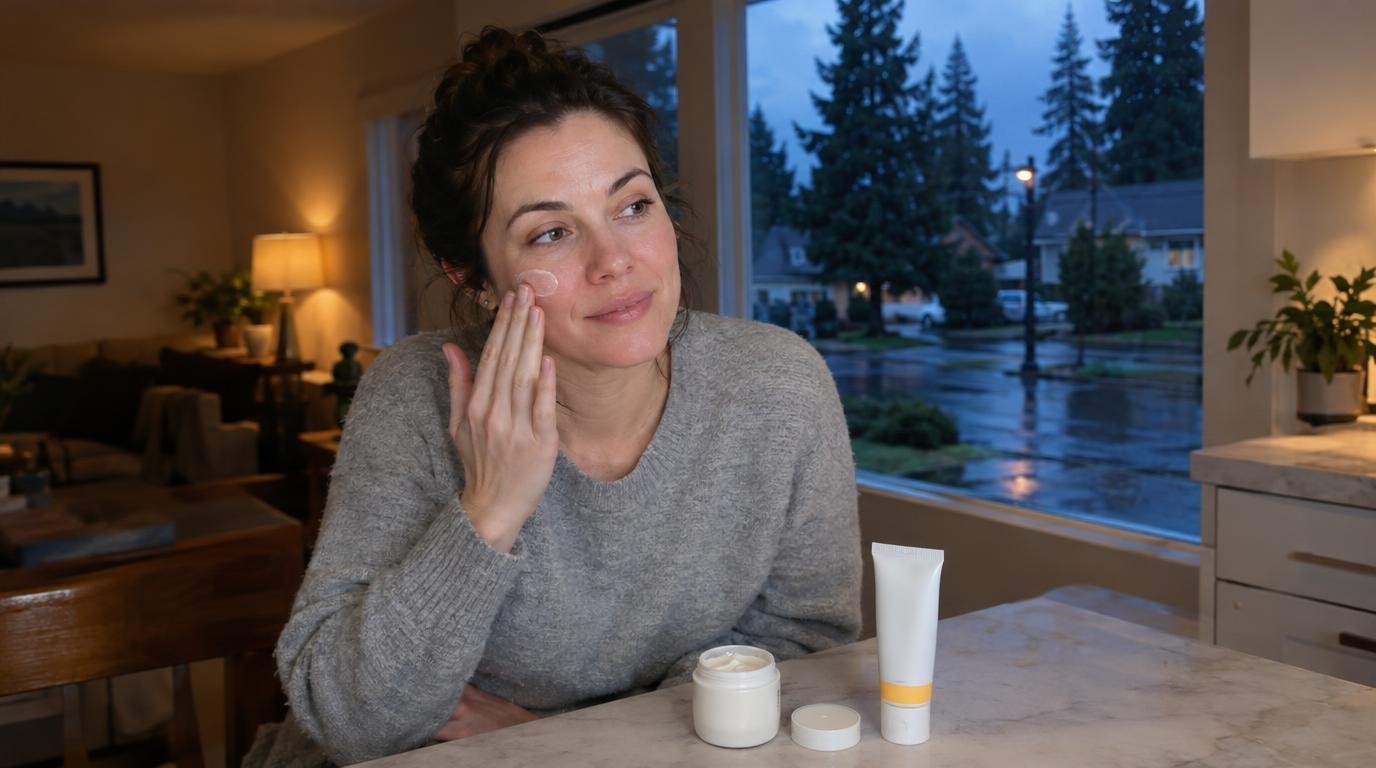
NW Laser advises patients to expect some redness for the first one to two days, sometimes with sensitivity resembling a mild sunburn. Use the aftercare instructions provided for your treatment rather than judging the result while your skin is still reacting.
When do treated spots flake and results become easier to assess?
At NW Laser, treated pigment generally flakes within about one week. Cleanse gently, pat the skin dry, use a moisturizer suitable for sensitive skin, and avoid exfoliating, rubbing, or picking at flakes. Use sunscreen outdoors. Once redness and flaking have settled, changes in spots and tone are easier to assess; continued improvement may be gradual.
Why might IPL results take more than one session?
IPL results may take more than one session because a first visit can improve a concern without clearing all visible pigment or redness. NW Laser evaluates progress before recommending further treatment. A series can provide more opportunity for gradual change, but neither a series nor an encouraging early photo guarantees permanent results.
How long between IPL treatments?
For brown spots and age spots, NW Laser estimates that treatment may take three to five sessions. We leave a minimum of four to six weeks between IPL treatments and assess progress at follow-up before deciding whether another session makes sense. The appropriate plan depends on the skin concern and the response to treatment.
How do results from a treatment series differ from a single visit?
Evidence about repeated IPL treatment cannot establish what any particular patient will achieve after a single visit. Repeated-session results and one-session before-and-after photographs answer different questions: the former concerns change over a course, while the latter captures an early point in recovery. Sun protection remains important because IPL does not prevent new sun damage, and some patients may consider maintenance as their concerns change.
Who might be a good candidate for an IPL photofacial?
Adults considering IPL may have sun spots, freckles, uneven tone, or visible facial redness that fits the treatment’s targets. NW Laser considers both younger and older adults, but age alone cannot predict a one-session result. The nature of the concern and the person’s skin characteristics matter more than a photograph of someone in the same age group.
If you have a new, changing, growing, or bleeding spot, have a dermatologist check it before we treat it as a cosmetic sun spot. The American Academy of Dermatology notes that a changing spot can be an early sign of skin cancer.
Does IPL work on older skin?
Yes. For an appropriately selected older adult, IPL may improve age spots, sun damage, and visible redness. Fine-line changes are generally subtler and more gradual than improvements in discoloration. The American Society of Plastic Surgeons’ mature-skin overview notes that the right light-based approach depends on skin type and the concern. Dr. Max Grishkevich, MD, our founder and Medical Director, recommends IPL for eligible younger and older adults.
Is IPL good for psoriasis?
Our cosmetic IPL photofacial for spots and redness is not a standard psoriasis treatment. If a patch might be psoriasis, see a dermatologist for a diagnosis; depending on the condition and its severity, treatment may involve topical medication, dermatologist-prescribed phototherapy, or medication that works throughout the body. Do not use a cosmetic photofacial in place of that care.
What is the downside of IPL, and who should avoid it?
Mild redness and sensitivity can occur after IPL. More serious complications, including burns, blisters, thick scars, and loss of skin pigment, are uncommon. Inappropriate device settings can increase the risk, so a suitability review matters even when no downtime is planned.
Which side effects need medical attention?
Mild, sunburn-like redness is expected; unusually deep redness, blistering, a burn, or another concerning skin reaction is not something to dismiss as routine flaking. Contact your treating clinician promptly about those changes. Seek urgent medical care for severe symptoms or eye pain or vision changes after treatment. The American Academy of Ophthalmology’s discussion of IPL eye complications underscores why appropriate eye protection must remain in place during treatment.
Why do skin tone and medical history matter before IPL?
Because IPL light is absorbed by pigment, darker or tanned skin may have a higher risk of burns or unwanted pigment changes. We do not recommend IPL for darker skin. Pregnancy, certain medications, and medical conditions may also increase risk. Discuss your health history, medications, and pregnancy status with your treating clinician before IPL.
How does IPL compare with laser treatment for a first visit?
IPL delivers a broad spectrum of light that can address more than one type of discoloration or visible redness during a session. Lasers use selected wavelengths, and their goals and recovery periods vary considerably. Neither approach guarantees a particular first-visit before-and-after result; the better fit depends on the concern, skin characteristics, and treatment plan.
These differences can help you compare the options:
| Consideration | IPL photofacial | Laser treatment |
|---|---|---|
| Light | Broad spectrum delivered in pulses | Selected wavelengths that vary by laser |
| Potential targets | Brown spots and visible redness in a suitable patient | Targets vary by laser; some are used for resurfacing |
| Skin surface and recovery | Nonablative, with little to no planned downtime | Some lasers remove surface skin and others do not; recovery varies |
When might IPL or a laser approach make more sense?
IPL may suit an eligible patient whose main goal is improving sun spots or visible redness. A selected laser may make more sense for a resurfacing goal, such as addressing more pronounced wrinkles or uneven texture. Fractional lasers can be ablative or nonablative, so your skin characteristics and the recovery you can accept matter when choosing. Our IPL and fractional laser comparison discusses the options in more detail.
Frequently Asked Questions
When can I wear makeup after an IPL photofacial?
You can apply makeup once the redness subsides. At NW Laser, we recommend gentle cleansing, patting your skin dry, and using a moisturizer made for sensitive skin while it recovers. Do not rub or pick at flaking pigment. Follow the aftercare instructions we give you for your treatment.
Can I exercise after IPL treatment on my face?
Yes. You can exercise after an IPL treatment on your face; we advise staying hydrated. Your skin may still be red or sensitive, so follow your individual aftercare instructions.
What does IPL feel like during treatment?
IPL pulses may feel like a brief pinch or a rubber band snapping against the skin, according to the American Society for Dermatologic Surgery. At NW Laser, we apply topical numbing ointment before treatment. Tell us if you experience unexpected discomfort during the session.
How long do IPL photofacial results last after a full course?
At NW Laser, IPL results may last up to one year after you complete the recommended number of sessions. That estimate does not predict how long changes from a single treatment will last. New sun damage can develop, so continue using sunscreen outdoors.
Should I use an ice pack after an IPL photofacial?
Yes. At NW Laser, we advise gently placing an ice pack on the treated area for approximately 30 minutes when you get home. Then ice the area for 10 to 15 minutes each hour for the first three hours. Follow the aftercare instructions we provide for your treatment.
Are IPL and BBL the same treatment?
BBL is a name used for a type of intense pulsed light treatment, not a separate category of laser. IPL platforms vary in their specifications, but all use broad-wavelength pulsed light. At NW Laser, we tailor treatment to your skin concerns rather than assuming a brand name predicts your result.
What should you expect before booking your first IPL visit?
Before booking, plan for possible temporary redness and darker-looking spots rather than an immediately clear complexion. If those changes would matter for an upcoming event, consider the timing of your visit.
NW Laser is in Vancouver, Washington, and welcomes patients traveling from Camas for an individualized consultation. Contact NW Laser to meet with Dr. Max Grishkevich, MD, discuss the spots or redness you want to address, and review whether an IPL photofacial is appropriate for your skin.
This information is general and is not medical advice. Talk to a licensed clinician about your own situation before making a treatment decision.
About the doctor at NW Laser
Dr. Max Grishkevich, MD – Founder and Medical Director of NW Laser & Skin Care Center; member of the American Academy of Cosmetic Surgery.
