


Last updated: September 11, 2026
For adults in Portland and Vancouver seeking non-surgical facial rejuvenation, a recent regulatory milestone is reshaping how providers approach cheek rejuvenation with injectable collagen stimulators. Sculptra Aesthetic, a poly-L-lactic acid dermal filler, has expanded its approved uses to treat fine lines and wrinkles throughout the cheek region – a development that gives both providers and patients a federally validated option for addressing signs of aging in this area.
What Is Sculptra Aesthetic and How Does It Work?
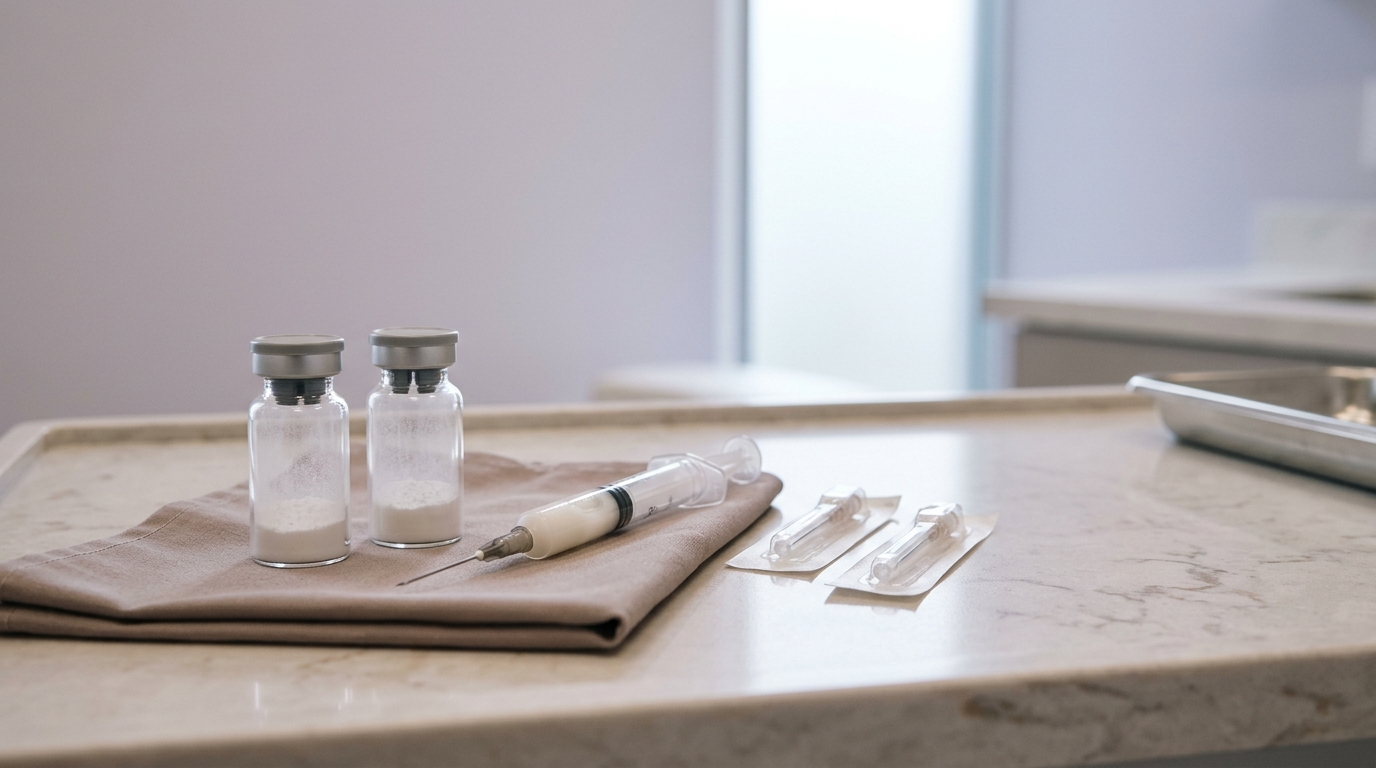
Sculptra Aesthetic is an injectable collagen stimulator designed to improve skin quality and facial contours through a mechanism distinct from traditional dermal fillers. The treatment uses poly-L-lactic acid (PLLA) microparticles suspended in a sterile solution that is injected into the dermal layer of the skin.
According to FDA regulatory records, Sculptra received clearance based on clinical evidence demonstrating its safety and efficacy for specified cosmetic applications.
How Does Poly-L-Lactic Acid Stimulate Collagen?
Once injected, PLLA microparticles act as a scaffold within the skin, triggering the body’s natural healing response. This process stimulates fibroblast activity, the cells responsible for producing collagen and elastin fibers. Over subsequent weeks, the PLLA particles are gradually absorbed by the body while the newly produced collagen provides structural support and improved skin quality. This collagen-building process distinguishes Sculptra from hyaluronic acid fillers, which provide immediate volume by physically filling space beneath the skin.
What Results Can You Expect From Sculptra?
Results from Sculptra develop gradually over a series of treatment sessions. Unlike fillers that provide instant plumping, Sculptra works with the body’s biology to rebuild collagen stores over time. Patients typically see progressive improvement in skin texture, firmness, and the appearance of fine lines and wrinkles. The gradual nature of these results often produces a natural-looking enhancement that does not appear artificial or overdone.
What Does the New FDA Approval Mean for Sculptra Users?
The FDA granted approval for Sculptra Aesthetic to treat fine lines and wrinkles throughout the cheek region, representing a significant expansion of the product’s approved applications. This clearance specifically covers the cheek area, addressing a common concern zone for adults seeking facial rejuvenation.
How Is This Different From Sculptra’s Original Approval?
Sculptra first received FDA clearance in 2004 for correcting facial fat loss (lipoatrophy) in people with HIV, and later for smoothing nasolabial fold wrinkles in the general population. The new cheek approval represents a more comprehensive indication that recognizes Sculptra’s effectiveness for a broader range of aging concerns in a specific facial zone. This updated clearance positions Sculptra as a dedicated cheek rejuvenation option rather than a treatment limited to specific wrinkle types.
Why Does FDA Approval Matter for Patients?
For patients in Portland and Vancouver considering Sculptra for cheek rejuvenation, this approval provides confidence that the treatment has met federal standards for effectiveness in this specific application.
What Areas of the Cheeks Can Sculptra Now Treat?
The FDA approval specifically covers fine lines and wrinkles throughout the cheek region, addressing multiple aspects of cheek aging including crepey skin texture, superficial wrinkles, and overall skin quality in this area.
How Does Sculptra Address Fine Lines in the Cheek Region?
Fine lines in the cheek area often develop from repetitive facial expressions, sun exposure, and natural collagen depletion over time. Sculptra’s collagen-stimulating mechanism targets these concerns by rebuilding the skin’s structural foundation. As collagen production increases, the skin’s surface becomes smoother and finer lines become less apparent. The treatment works across the entire cheek surface, addressing diffuse signs of aging rather than isolated wrinkles alone.
Can Sculptra Help With Volume Loss in the Cheeks?
Volume loss in the cheeks contributes significantly to an aged appearance, creating hollowed contours and deepening folds. While Sculptra is not classified as a volumizing filler in the traditional sense, its collagen-stimulating action effectively addresses volume loss by rebuilding the skin’s inner structure. Over time, this results in improved cheek fullness and a more youthful facial contour without the immediate plumpness associated with hyaluronic acid-based fillers.
Who Is a Good Candidate for Sculptra Cheek Treatments?
Adults experiencing fine lines, wrinkles, or early signs of volume loss in the cheek area may be good candidates for Sculptra treatments. Ideal candidates are generally healthy, have realistic expectations about gradual results, and are committed to the treatment series required to achieve optimal outcomes. Those seeking natural-looking rejuvenation without surgery often find Sculptra aligns well with their goals.
How Is Sculptra Different From Hyaluronic Acid Fillers?
The fundamental difference lies in mechanism of action. Hyaluronic acid fillers like Juvederm provide immediate volume by attracting water and physically filling tissue spaces. Sculptra works differently by stimulating the body’s own collagen production, producing results that develop gradually over weeks to months. This distinction affects treatment planning, with Sculptra typically requiring multiple sessions spaced several weeks apart to achieve desired outcomes. Patients who prefer a more gradual transformation or who want to address overall skin quality may find Sculptra particularly well-suited to their needs.
What Can You Expect During a Sculptra Treatment Session?
A Sculptra treatment session begins with a thorough consultation to assess your facial anatomy and discuss your aesthetic goals. The provider cleans the treatment area and may apply a topical numbing agent for comfort. Sculptra is then injected strategically into the cheek region using a fine needle or cannula, following precise placement patterns designed to optimize collagen stimulation.

How Many Sculptra Sessions Are Typically Needed?
Most patients require a series of treatment sessions to achieve their desired results, typically spaced four to six weeks apart. The exact number of sessions varies based on individual factors including age, skin condition, and treatment goals. During your consultation at NW Laser, your provider will develop a personalized treatment plan outlining the expected number of sessions for your specific needs.
What Is the Recovery Process Like?
Recovery from Sculptra injections is generally straightforward, with most patients able to resume normal activities immediately. Common post-treatment experiences include mild swelling, redness, or bruising at injection sites, which typically resolve within a few days. Your provider may recommend gentle massage of the treated areas and avoiding strenuous exercise for a brief period. Results develop gradually, so initial swelling should not be mistaken for the final outcome.
Risks, Side Effects and Who Is Not a Candidate
Sculptra Aesthetic has been evaluated extensively for safety in its approved applications. Common side effects include injection site reactions such as swelling, redness, tenderness, bruising, bleeding, and itching. These effects are typically mild and resolve on their own. More uncommon but serious risks can include the formation of small lumps (nodules) under the skin, which may require treatment. In rare cases, infection or allergic reactions can occur.
Sculptra should not be used by individuals with allergies to any of its components, those with active skin infections or inflammation in the treatment area, or pregnant or breastfeeding individuals. Patients with a history of keloid formation or hypertrophic scarring should discuss this with their provider, as injectable treatments in general carry increased risk in these individuals. The treatment is contraindicated for use in the lips or in the area around the eyes.
Discuss your complete medical history with your provider before treatment, including any bleeding disorders, immune system conditions, or recent cosmetic procedures. Following proper aftercare instructions and attending scheduled follow-up appointments helps minimize risks and ensures appropriate monitoring. Your provider will explain the warning signs that warrant immediate medical attention.
Ready to Explore Sculptra for Cheek Rejuvenation?
The expanded FDA approval for Sculptra Aesthetic offers adults in Portland and Vancouver a federally validated option for addressing fine lines, wrinkles, and volume loss throughout the cheek region. With its collagen-stimulating mechanism and gradual, natural-looking results, Sculptra represents a differentiated approach to non-surgical facial rejuvenation. Understanding whether Sculptra aligns with your aesthetic goals begins with a personalized consultation with a qualified provider.
NW Laser invites you to schedule a consultation to learn more about Sculptra and discover whether this injectable collagen stimulator is right for your cheek rejuvenation goals. Our experienced team will assess your individual needs, explain the treatment process in detail, and help you understand what results you can expect based on your unique facial anatomy and skin condition. Contact NW Laser to take the first step toward refreshed, natural-looking cheek rejuvenation.
Frequently Asked Questions
What is Sculptra Aesthetic and how does it work?
Sculptra Aesthetic is an injectable collagen stimulator that uses poly-L-lactic acid (PLLA) microparticles. When injected into the dermal layer, PLLA acts as a scaffold that triggers the body’s natural healing response, stimulating fibroblast activity to produce new collagen. Over time, the PLLA particles are absorbed while newly produced collagen provides structural support and improved skin quality.
How is Sculptra different from hyaluronic acid fillers?
Unlike hyaluronic acid fillers that provide immediate volume by physically filling tissue spaces, Sculptra stimulates your body’s own collagen production. Results develop gradually over weeks to months rather than instantly. Sculptra typically requires multiple sessions spaced several weeks apart to achieve desired outcomes, making it ideal for those seeking a more gradual transformation and improved overall skin quality.
How long does it take to see results from Sculptra?
Results from Sculptra develop gradually over a series of treatment sessions, typically spaced four to six weeks apart. Unlike fillers that provide instant plumping, Sculptra works with the body’s biology to rebuild collagen over time. Most patients require multiple sessions to achieve their desired results, with progressive improvement in skin texture, firmness, and the appearance of fine lines developing over weeks to months.
What can I expect during Sculptra recovery?
Recovery from Sculptra injections is generally straightforward, with most patients able to resume normal activities immediately. Common post-treatment experiences include mild swelling, redness, or bruising at injection sites, which typically resolve within a few days. Your provider may recommend gentle massage of the treated areas and avoiding strenuous exercise for a brief period.
Who is a good candidate for Sculptra cheek treatments?
Adults experiencing fine lines, wrinkles, or early signs of volume loss in the cheek area may be good candidates for Sculptra treatments. Ideal candidates are generally healthy, have realistic expectations about gradual results, and are committed to the treatment series required to achieve optimal outcomes. Those seeking natural-looking rejuvenation without surgery often find Sculptra aligns well with their goals.
What does the new FDA approval mean for Sculptra cheek rejuvenation?
The FDA granted approval for Sculptra Aesthetic to treat fine lines and wrinkles throughout the cheek region. This approval indicates that the product has undergone rigorous clinical evaluation demonstrating safety and efficacy for cheek rejuvenation. For patients, this provides confidence that the treatment has met federal standards and gives healthcare providers a validated foundation for discussing treatment options.
Related reading
- Thermage is a non-surgical radiofrequency treatment that tightens loose
- Pellevé skin tightening uses radiofrequency energy to contract existing
- PRP Therapy in Vancouver: How AI Is Enhancing PRP Treatments for Better
This article is general information and is not medical advice. Talk to a licensed clinician about your own situation before making a treatment decision.
