

Last updated: August 11, 2026
IPL Photofacial: 2026 FDA Clearance
On August 10, 2026, the FDA granted 510(k) substantially equivalent clearance to Advalight APS for their IPL photofacial device, opening a new chapter for light-based aesthetic treatments. This regulatory milestone signals continued FDA pathway for photofacial technology, ensuring manufacturers can bring advanced IPL devices to market while maintaining rigorous safety standards. For adults in Portland, Oregon and Vancouver, Washington seeking skin rejuvenation, this news reinforces that IPL photofacial remains a well-regulated, clinically supported option for addressing sun damage, rosacea, and uneven skin tone.
What Is an IPL Photofacial and How Does It Work?
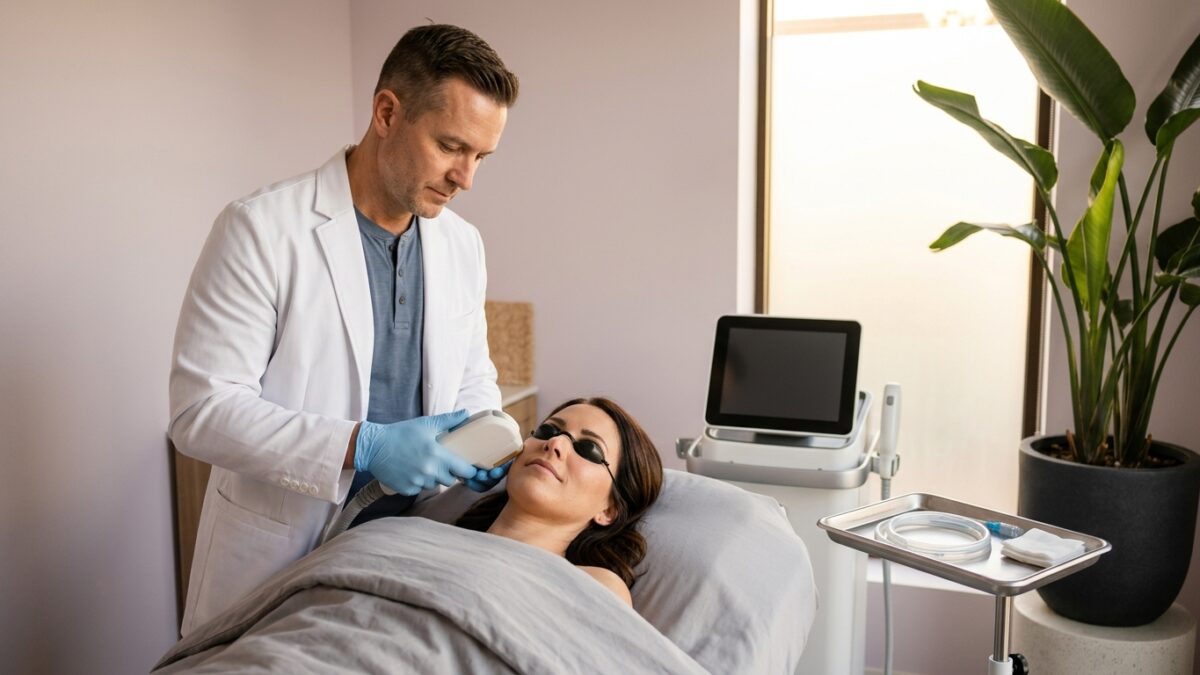
An IPL photofacial is a non-invasive skin rejuvenation treatment that uses broad-spectrum intense pulsed light to target pigment irregularities, vascular concerns, and signs of aging beneath the skin surface. During treatment, the IPL device emits multiple wavelengths of light that penetrate the dermis while the skin’s outer layers remain largely undisturbed, allowing precise targeting of melanin and hemoglobin without extensive downtime.
What skin concerns can this light-based therapy address? The treatment effectively addresses sun damage including age spots and freckles, vascular conditions such as rosacea and facial redness, hyperpigmentation including melasma, and general skin texture issues like large pores and fine lines. The versatility of adjustable wavelengths allows providers to customize treatment for each patient’s unique skin profile and concerns.
How does intense pulsed light differ from laser treatments? Unlike lasers that emit a single, focused wavelength of light, IPL devices deliver multiple wavelengths simultaneously, allowing a single handpiece to address several skin concerns during one session. While lasers concentrate energy for deeper penetration ideal for hair removal or deep resurfacing, IPL spreads energy more broadly across the skin surface, making it particularly effective for superficial to mid-depth concerns like pigmentation and redness.
What Does FDA Clearance Mean for IPL Devices?
FDA clearance confirms that a medical device has undergone premarket review and demonstrated substantial equivalence to a legally marketed predicate device in terms of safety and effectiveness. Devices like the Advalight APS system that receive 510(k) clearance have been evaluated by the FDA for their intended use, technological characteristics, and performance standards before entering commercial distribution in the United States.
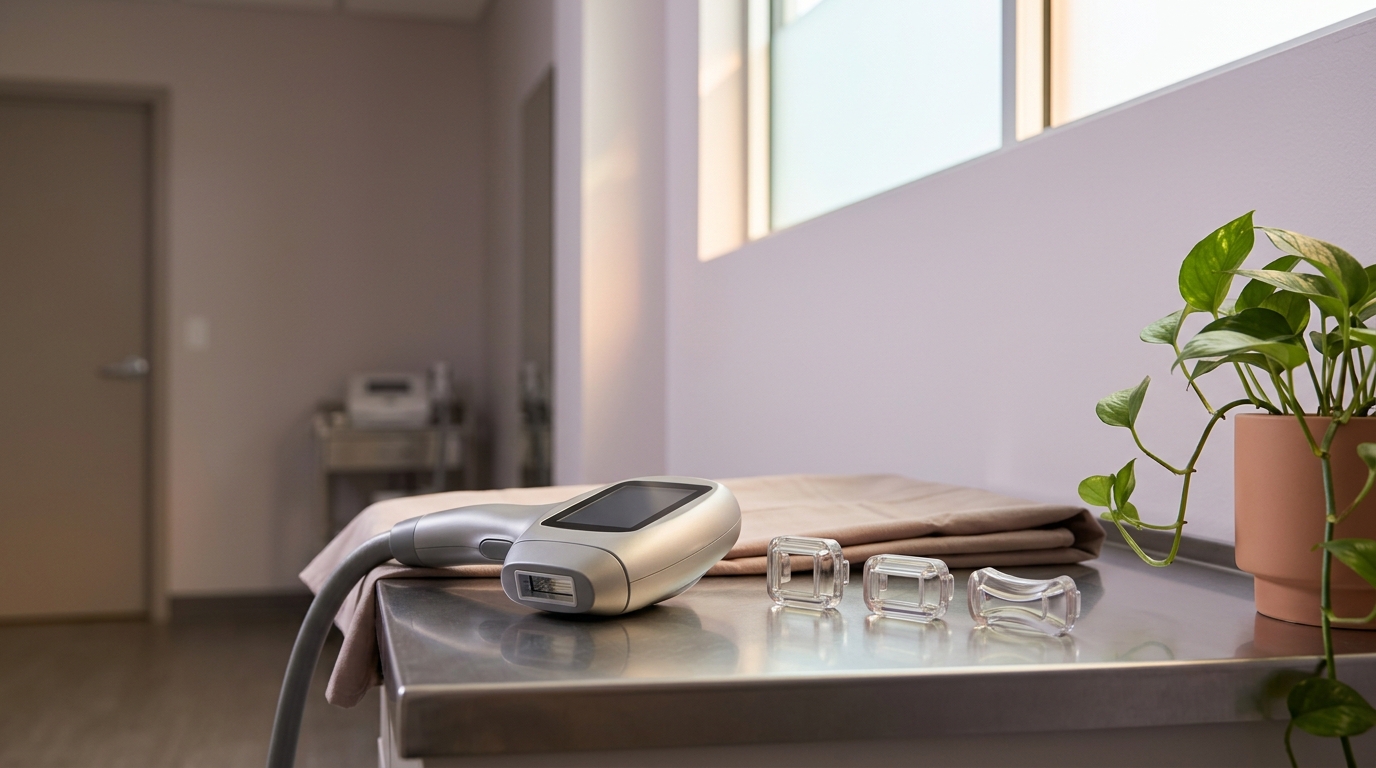
Why did Advalight APS receive FDA clearance in August 2026? Advalight APS submitted their IPL device through the 510(k) premarket notification pathway, the primary route for bringing modified medical devices to market. The FDA’s Total Product Life Cycle database confirms the substantially equivalent designation was granted on August 10, 2026, verifying the device meets federal safety and efficacy standards for commercial use in aesthetic practices.
How does FDA clearance protect patients seeking light-based skin treatments? Clearance provides assurance that the device has been reviewed for electrical safety, electromagnetic compatibility, and performance characteristics relevant to its intended use. Patients at practices like NW Laser can approach FDA-cleared IPL treatments with confidence that the technology meets established safety benchmarks, while providers benefit from regulatory clarity when selecting equipment partnerships.
What Skin Conditions Can an IPL Photofacial Treat?
IPL photofacial addresses a wide range of skin concerns by targeting the melanin and hemoglobin responsible for pigmentation irregularities and vascular visibility. The treatment’s broad-spectrum approach makes it particularly versatile for addressing multiple concerns in a single session, though individual results depend on skin type, condition severity, and treatment parameters.
Can this procedure reduce sun damage and age spots? Yes, the treatment effectively diminishes the appearance of sun spots, age spots, liver spots, and freckles caused by cumulative UV exposure. The light energy is absorbed by excess melanin in the skin, fragmenting pigment clusters that the body then naturally clears over time. Patients with significant sun damage often see notable improvement in skin clarity and evenness after a series of treatments. Professional laser treatment services for UV-induced skin damage including age spots, uneven pigmentation, wrinkles, and solar lentigos are available at specialized practices.
Does IPL help with rosacea and facial redness? IPL is one of the most effective non-invasive treatments for rosacea and generalized facial redness. The light targets the hemoglobin in visible blood vessels, causing thermal damage that reduces their appearance. By decreasing vascular prominence and associated inflammation, the procedure significantly diminishes the flushed appearance and discomfort many rosacea patients experience. Comprehensive laser treatment services for various dermatological conditions including rosacea are offered at specialized practices.
Can this therapy improve melasma and uneven skin tone? While melasma requires careful management due to its complex hormonal and UV-related triggers, light-based treatment can help reduce melasma appearance when applied with appropriate caution. The treatment’s ability to address multiple pigmentation sources simultaneously makes it valuable for overall skin tone evening, though patients with melasma should consult experienced providers to determine the most appropriate approach for their specific condition.
What Can I Expect During an IPL Photofacial Session?
A typical session at a qualified practice begins with skin cleansing followed by application of a cool coupling gel that facilitates light transmission and protects the skin surface. The provider then delivers controlled pulses of light across the treatment area using a handheld applicator, with sessions generally lasting 20 to 45 minutes depending on the treatment size.

How should I prepare for my IPL appointment? Patients should avoid sun exposure and tanning for at least two weeks before treatment, discontinue retinoids and exfoliating products several days prior, and arrive with clean, product-free skin. A consultation with your provider ensures appropriate pre-treatment preparation specific to your skin type and concerns.
Does the treatment hurt? Most patients describe IPL pulses as a mild snapping or stinging sensation with each light pulse, often compared to a rubber band snap against the skin. The cooling gel provides comfort during treatment, and providers can adjust energy settings to balance effectiveness with patient comfort. Topical numbing is generally not required but may be offered for sensitive areas.
What does recovery from the procedure involve? Recovery is typically minimal with this approach. Patients may experience temporary redness, warmth, and mild swelling immediately after treatment that usually resolves within hours. Pigmented areas often darken temporarily before flaking off over the following week. Broad-spectrum sunscreen and gentle skincare support optimal healing and results.
Am I a Good Candidate for IPL Photofacial?
Ideal candidates are adults with fair to medium skin tones who want to address pigmentation concerns, vascular issues, or early signs of aging. The treatment works best for patients whose skin concerns involve melanin or hemoglobin, making it particularly effective for sun damage, rosacea, age spots, and uneven tone in individuals without significant underlying health conditions.
Who benefits most from these treatments? Patients with realistic expectations, sun-damaged skin, rosacea, hyperpigmentation, or general skin texture concerns benefit most from this approach. Those seeking preventive treatment to maintain skin quality or address early signs of aging also see excellent results. A thorough consultation helps determine whether IPL aligns with your specific goals.
Are there skin types or conditions that IPL cannot treat? IPL is generally less effective on darker skin tones due to increased melanin competition that can affect targeting precision and increase complication risk. Active skin infections, certain autoimmune conditions, and photosensitizing medications may contraindicate treatment. Pregnant patients and those with certain medical histories should discuss eligibility with their provider during consultation.
How Many IPL Photofacial Sessions Will I Need?
Most patients achieve optimal results with three to five sessions spaced approximately four weeks apart, allowing adequate time for skin regeneration and pigment clearance between treatments. The exact number depends on concern severity, skin type, and individual response to treatment.
How far apart should treatments be spaced? Four-week intervals between sessions represent the standard recommendation, allowing sufficient time for the skin’s natural healing response and gradual improvement. Providers may adjust timing based on individual progress and treatment intensity, ensuring each session builds upon previous results.
When will I see results from my treatment? Initial improvement in skin brightness and texture often appears within one to two weeks after the first session, with continued refinement over subsequent visits. Full results typically emerge over several months as collagen remodeling progresses and pigmentation continues to clear, with many patients enjoying cumulative improvements long after completing their treatment series.
How Does FDA Clearance Affect IPL Device Choices for Providers?
FDA clearance influences provider decisions by establishing clear safety and efficacy benchmarks that practices can reference when evaluating equipment investments. The August 2026 clearance of the Advalight APS system demonstrates continued FDA commitment to maintaining rigorous standards for aesthetic devices entering the US market.
What should patients ask about IPL devices at their clinic? Patients should inquire whether their provider uses FDA-cleared devices and understand the specific technology available at their practice. Questions about device wavelength ranges, treatment customization options, and provider experience with the equipment help ensure you receive care aligned with current regulatory standards and clinical best practices.
Is IPL Photofacial Right for You?
IPL photofacial offers a well-established, non-invasive approach to addressing sun damage, rosacea, hyperpigmentation, and skin texture concerns for appropriate candidates. The FDA’s continued clearance pathway for IPL devices like the Advalight APS system underscores the technology’s established safety profile and clinical relevance in modern aesthetic practice.
Adults in Portland, Oregon and Vancouver, Washington interested in learning whether this treatment can help achieve their skin rejuvenation goals are encouraged to schedule a consultation with NW Laser. The experienced team at NW Laser provides thorough skin assessments and personalized treatment planning to determine whether IPL photofacial aligns with your unique needs and aesthetic objectives. Contact NW Laser to explore how this therapy might refresh your skin’s appearance and restore a more even, youthful complexion.
Frequently Asked Questions
What is an IPL photofacial and how does it work?
An IPL photofacial is a non-invasive skin rejuvenation treatment that uses broad-spectrum intense pulsed light to target pigment irregularities, vascular concerns, and signs of aging beneath the skin surface. The IPL device emits multiple wavelengths of light that penetrate the dermis while the skin’s outer layers remain largely undisturbed, allowing precise targeting of melanin and hemoglobin without extensive downtime.
What skin conditions can IPL photofacial treat?
The treatment effectively addresses sun damage including age spots and freckles, vascular conditions such as rosacea and facial redness, hyperpigmentation including melasma, and general skin texture issues like large pores and fine lines. The versatility of adjustable wavelengths allows providers to customize treatment for each patient’s unique skin profile and concerns.
How should I prepare for an IPL photofacial treatment?
Patients should avoid sun exposure and tanning for at least two weeks before treatment, discontinue retinoids and exfoliating products several days prior, and arrive with clean, product-free skin. A consultation with your provider ensures appropriate pre-treatment preparation specific to your skin type and concerns.
How many IPL photofacial sessions will I need for optimal results?
Most patients achieve optimal results with three to five sessions spaced approximately four weeks apart, allowing adequate time for skin regeneration and pigment clearance between treatments. The exact number depends on concern severity, skin type, and individual response to treatment.
What can I expect during recovery from IPL photofacial?
Recovery is typically minimal. Patients may experience temporary redness, warmth, and mild swelling immediately after treatment that usually resolves within hours. Pigmented areas often darken temporarily before flaking off over the following week. Broad-spectrum sunscreen and gentle skincare support optimal healing and results.
Who is the best candidate for IPL photofacial?
Ideal candidates are adults with fair to medium skin tones who want to address pigmentation concerns, vascular issues, or early signs of aging. The treatment works best for patients whose skin concerns involve melanin or hemoglobin, making it particularly effective for sun damage, rosacea, age spots, and uneven tone in individuals without significant underlying health conditions.
How does IPL differ from laser treatments?
Unlike lasers that emit a single focused wavelength of light, IPL devices deliver multiple wavelengths simultaneously, allowing one handpiece to address several skin concerns during one session. While lasers concentrate energy for deeper penetration ideal for hair removal or deep resurfacing, IPL spreads energy more broadly across the skin surface, making it particularly effective for superficial to mid-depth concerns like pigmentation and redness.
Related reading
- What Does Research Say About Cumulative Benefits of Laser Skin Resurfacing?
- Laser treatment services for various dermatological conditions including acne, rosacea, sun damage, melasma, hyperhidrosis, and scar treatment. Specialized removal of skin tags, moles, warts, liver spots, and sun spots using advanced laser technology
- IPL (Intense Pulsed Light) photofacial treatments use high-intensity light energy to address multiple skin concerns including wrinkles, dark spots, sun damage, acne, rosacea, broken capillaries, and unwanted hair through non-invasive collagen stimula
