

Last updated: May 22, 2026
Thermage has been one of the most recognized names in nonsurgical skin tightening for over two decades, yet patients researching the treatment in 2026 still have pressing questions about results, safety, cost, and how it compares to newer alternatives. This guide, informed by the clinical team at NW Laser & Skin Care Specialists, addresses the most common concerns with evidence-based detail to help you determine whether Thermage is the right choice for your skin.
What Is Thermage and How Does It Tighten Skin?
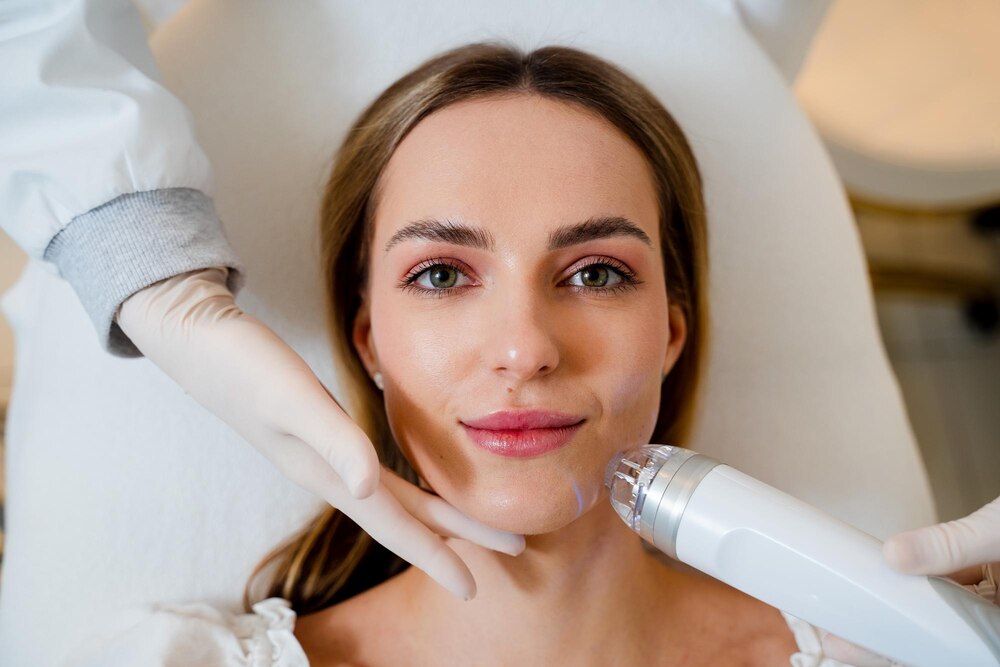
Thermage is an FDA-cleared monopolar radiofrequency device that delivers controlled bulk heating to the deep dermis and underlying fibrous tissue to stimulate collagen contraction and long-term collagen remodeling. Unlike laser treatments that target surface pigment or water in the skin, Thermage uses electrical energy to heat tissue from within, producing a gradual tightening effect without breaking the skin’s surface.
The treatment works through two mechanisms. First, the immediate heat causes existing collagen fibers to contract, which can produce a subtle tightening visible shortly after the session. Second, the controlled thermal injury triggers the body’s wound-healing response, generating new collagen – a process called neocollagenesis – over the following three to six months. This dual-phase response is what distinguishes Thermage from topical treatments or low-energy consumer devices.
Monopolar radiofrequency differs from bipolar or fractional RF technologies in an important way. Monopolar RF sends energy through the full thickness of the tissue between the handpiece and a grounding pad, allowing deeper and more volumetric heating. Bipolar and fractional RF devices concentrate energy in a more superficial zone, which is useful for texture and fine lines but generally produces less deep-tissue tightening.
What Areas of the Face and Body Can Thermage Treat?
Thermage holds FDA clearances for the face, eyes, neck, abdomen, arms, and thighs. The periorbital eye treatment is a notable differentiator – Thermage offers a specialized smaller treatment tip designed specifically for the thin, delicate skin around the upper and lower eyelids. Very few nonsurgical RF devices are cleared for use this close to the eye itself, making the Thermage eye tip a distinct option for patients concerned about crepey eyelid skin or mild hooding.
On the body, Thermage is most commonly used for mild skin laxity on the abdomen and arms, though facial and neck treatments remain the most popular applications. Jawline definition and early jowling are among the most frequently requested treatment areas at practices like NW Laser.
What Is the Difference Between Thermage FLX and Older Thermage Systems?
The current-generation Thermage FLX platform, which succeeded the older Thermage CPT system, introduced several clinically meaningful improvements. The most significant is AccuREP technology, which automatically measures the skin’s electrical impedance in real time and tunes energy delivery on a pulse-by-pulse basis. This means each pulse of radiofrequency is optimized for the specific tissue it contacts, improving both treatment consistency and patient comfort.
The FLX system also features a larger treatment tip that covers more surface area per pulse, reducing total treatment time by up to 25 percent compared to the CPT. Improved vibration and cooling algorithms in the FLX handpiece further enhance comfort during the session. Patients researching Thermage in 2026 should confirm that their provider uses the current FLX platform rather than legacy equipment.
What Does a Thermage Treatment Feel Like and How Is Pain Managed?
Thermage FLX produces a sensation of brief, deep heating pulses alternating with cooling bursts from the handpiece tip. Most patients describe the feeling as a temporary hot sensation that builds and then recedes with each pulse. Discomfort varies by treatment area, with bony regions like the jawline and forehead typically feeling more intense than fleshier areas like the cheeks.
Pain management is one of the least detailed topics on existing Thermage information pages, yet it is one of the most frequently asked questions in patient communities. The reality is that multiple practical options exist to keep the treatment comfortable.
What Pain Management Options Are Available During Thermage?
The following options are commonly used, either individually or in combination, depending on the patient’s sensitivity and the provider’s protocol:
- Topical numbing cream (such as lidocaine-based compounds) applied 30 to 60 minutes before treatment
- Oral analgesics or mild anxiolytics taken before the session
- Pro-Nox (patient-controlled nitrous oxide), offered at some clinics for on-demand comfort during the procedure
- The FLX handpiece’s integrated cooling and vibration system, which automatically activates with each pulse
- Provider technique adjustments, including modifying energy levels in sensitive areas and controlling pulse pacing
Nerve blocks are generally not required for Thermage treatments. In clinical practice, the combination of topical numbing and the FLX system’s built-in comfort features keeps the majority of patients comfortable throughout the session.
How Do Thermage Pain Levels Compare to Other Skin Tightening Treatments?
Patient-reported experiences and community discussions consistently reflect a general hierarchy of discomfort among the major nonsurgical tightening platforms:
| Treatment | Energy Type | Typical Pain Level Reported |
|---|---|---|
| Thermage FLX | Monopolar RF | Mild to moderate (improved over older CPT) |
| Ultherapy | Microfocused ultrasound | Moderate to significant (often reported as the most painful) |
| RF Microneedling (e.g., Morpheus8) | Fractional RF + needles | Mild to moderate (needle sensation plus heat) |
Ultherapy is frequently described in patient forums as producing sharp, intense pain during delivery, particularly along the jawline and forehead. Thermage FLX, by comparison, is generally reported as more tolerable, especially with the comfort improvements introduced in the current-generation system. RF microneedling involves a different quality of discomfort – the sensation of microneedles entering the skin combined with warmth – but is typically well managed with topical anesthesia.
How Long Do Thermage Results Last?
Thermage results typically last 12 to 24 months, with peak improvement visible at approximately three to six months after treatment. The duration depends on the patient’s age, baseline skin quality, lifestyle factors such as sun exposure and smoking, and the natural rate of ongoing collagen loss. Thermage does not stop aging, so maintenance treatments are part of a long-term plan.
What Happens to Your Skin at 1, 3, 6, and 12 Months After Thermage?
The results from Thermage develop in two distinct phases, which is important for setting realistic expectations:
| Timeline | What Is Happening | What You May Notice |
|---|---|---|
| Immediately to 1 month | Initial collagen fiber contraction | Subtle tightening, mild improvement in skin tone |
| 1 to 3 months | Neocollagenesis begins | Gradual firming, early improvement in contour |
| 3 to 6 months | Peak collagen remodeling | Most noticeable improvement in tightness and definition |
| 6 to 24 months | Mature collagen maintains structure; natural aging continues | Results plateau, then slowly diminish over time |
Most published clinical literature reports measurable skin tightening persisting at six to twelve months, with some studies documenting sustained improvement at 24 months. Patients should understand that the “before and after” photos they see online typically reflect the three-to-six-month peak rather than long-term maintenance.
How Often Should You Repeat Thermage for Maintenance?
Maintenance treatments are commonly performed every 12 to 24 months, depending on individual aging patterns and goals. Some patients in their 30s and early 40s may maintain results with sessions every 18 to 24 months, while patients in their 50s and 60s – who experience faster collagen decline – may benefit from annual treatments.
There is no established maximum number of lifetime Thermage treatments. The procedure is cumulative in the sense that maintaining collagen stimulation over time may preserve skin quality more effectively than waiting until significant laxity develops. Many providers frame Thermage as one component of a long-term skin quality maintenance plan rather than a one-time fix.
Can Thermage Cause Fat Loss or Facial Hollowing?
Thermage can cause subcutaneous fat loss in some patients, particularly when excessive energy is delivered to areas with thin subcutaneous tissue or when treatment parameters are not appropriately adjusted. This risk is not unique to Thermage – it applies to multiple energy-based tightening devices – but it is a legitimate concern that deserves transparent discussion rather than dismissal.
Why Does Fat Loss Happen with Some Radiofrequency Treatments?
When radiofrequency energy raises the temperature of subcutaneous fat beyond a critical threshold, it can trigger adipocyte (fat cell) apoptosis – essentially, programmed cell death. This is actually the intended mechanism of RF-based fat reduction devices. In skin tightening treatments, however, the goal is to heat the collagen-rich dermis without significantly damaging the underlying fat layer. Fat loss occurs when energy penetrates too deeply, is set too high, or is concentrated over areas with minimal fat padding.
Who Is Most at Risk for Thermage-Related Volume Loss?
Certain patient profiles carry higher risk for unwanted fat loss with any RF tightening treatment:
- Patients with already lean or volume-depleted faces (naturally thin or age-related volume loss)
- Treatment over bony prominences with minimal subcutaneous fat, such as the temples, periorbital region, or buccal area
- Patients who have previously had buccal fat removal or extensive facial liposuction
- Repeated treatments at high energy settings without adequate intervals
A thorough pre-treatment assessment should evaluate facial volume distribution. Patients who already appear hollow in the mid-face or temples may be better candidates for alternative approaches or may need volume restoration with fillers before or instead of RF tightening.
How Can an Experienced Provider Minimize the Risk of Fat Loss?
Provider expertise is the single most important variable in minimizing fat loss risk. Risk mitigation strategies include selecting conservative energy parameters in areas with thin subcutaneous tissue, limiting the number of passes over volume-sensitive zones, avoiding overtreating patients with lean facial anatomy, and using the FLX system’s AccuREP feedback to avoid excess energy delivery.
This is one of the strongest reasons to choose a practice with significant Thermage experience and a clinical understanding of facial anatomy. At NW Laser, treatment parameters are customized based on each patient’s tissue thickness, volume status, and treatment goals.
Is Thermage Safe for Darker Skin Tones?
Thermage is generally considered safe across all Fitzpatrick skin types, including types IV through VI, because radiofrequency energy heats tissue through electrical resistance rather than by targeting melanin. This gives Thermage a meaningful safety advantage over many laser-based and IPL treatments for patients with melanin-rich skin.
Why Is Radiofrequency Considered Safer Than Laser for Melanin-Rich Skin?
Laser and intense pulsed light devices work by targeting chromophores – molecules that absorb specific wavelengths of light. Melanin is a chromophore, which means darker skin absorbs more laser energy and carries a higher risk of burns, hyperpigmentation, and hypopigmentation. Radiofrequency bypasses this problem entirely. RF energy creates heat through the electrical resistance of tissue itself, independent of skin color. Thermage has been used and studied across Fitzpatrick types I through VI without the elevated pigmentation risks associated with many laser platforms.
Are There Any Skin-Tone-Specific Side Effects to Watch For?
While post-inflammatory hyperpigmentation (PIH) risk is low with monopolar RF, providers treating patients with darker skin tones should be attentive to signs of overtreatment that may be less visible. Transient erythema – the temporary redness that occurs after treatment – can be difficult to assess on darker skin, so experienced providers monitor other indicators such as patient-reported discomfort and tissue response.
It is worth noting that RF microneedling devices, which combine radiofrequency with physical needle punctures, may carry a slightly different PIH risk profile due to the micro-injury component. For patients with Fitzpatrick IV to VI skin who are choosing between Thermage and RF microneedling, this distinction is worth discussing during a consultation.
How Does Thermage Compare to Ultherapy for Skin Tightening?
Thermage and Ultherapy are the two most established nonsurgical tightening devices, but they use different energy types, target different tissue depths, and produce somewhat different effects. Thermage uses monopolar radiofrequency to heat the dermis, while Ultherapy uses microfocused ultrasound to target the deeper SMAS (superficial musculoaponeurotic system) layer. Choosing between them depends on the specific concern and treatment goals.
What Is the Difference in How Thermage and Ultherapy Work?
Thermage delivers volumetric heating across the full dermal thickness, producing broad tightening and skin quality improvement. Ultherapy creates focused thermal coagulation points at precise depths – typically 1.5mm, 3.0mm, and 4.5mm – and uniquely reaches the SMAS layer, which is the same tissue layer tightened during a surgical facelift. This deeper targeting gives Ultherapy a theoretical advantage for lifting, while Thermage may produce more diffuse skin surface tightening.
Which Treatment Has Less Downtime and Fewer Side Effects?
| Factor | Thermage FLX | Ultherapy |
|---|---|---|
| Post-treatment redness | Typically resolves within hours | May persist 1 to 2 days |
| Bruising | Rare | Possible, especially along jawline |
| Post-treatment soreness | Minimal | Can last days to weeks in treated areas |
| Temporary nerve effects | Very rare | Occasional temporary numbness or tingling |
| Social downtime | None for most patients | None to minimal |
Both treatments allow patients to return to normal activities immediately, but Ultherapy tends to produce more post-treatment tenderness and occasionally bruising or temporary nerve effects that are uncommon with Thermage.
Can Thermage and Ultherapy Be Combined?
Some providers use both treatments in complementary protocols. The rationale is that Ultherapy addresses deeper SMAS-level lifting while Thermage provides superficial dermal tightening and skin quality improvement. When combined, sessions are typically spaced four to six weeks apart rather than performed on the same day. Patients interested in this approach can explore the comparison further in our guide to Ultherapy and Thermage options at NW Laser.
How Does Thermage Compare to RF Microneedling Treatments Like Morpheus8?
Thermage and RF microneedling (such as Morpheus8 or Profound RF) both use radiofrequency energy but deliver it in fundamentally different ways. Thermage provides noninvasive bulk heating for skin tightening, while RF microneedling delivers energy through tiny needles for combined tightening and texture improvement. The best choice depends on whether the primary concern is laxity, texture, or both.
What Does RF Microneedling Do Differently Than Thermage?
RF microneedling inserts insulated or non-insulated needles into the dermis and delivers radiofrequency energy at controlled depths. This creates two effects simultaneously: the physical micro-injury from the needles stimulates a wound-healing response that improves texture, pore size, and scarring, while the RF energy adds thermal tightening. Thermage, by contrast, delivers energy entirely through the skin surface without needles – it primarily tightens rather than resurfaces.
Which Is Better for Skin Tightening Versus Skin Texture?
For volumetric tightening and laxity improvement – particularly along the jawline, jowls, and neck – Thermage is generally considered the stronger option due to its deeper, more diffuse heating pattern. For skin texture concerns such as fine lines, enlarged pores, acne scarring, and overall skin surface quality, RF microneedling often produces more noticeable improvement because of the micro-injury component.
Many patients have both concerns, which is why some treatment plans incorporate both modalities at different times.
How Do Cost and Number of Sessions Compare?
| Factor | Thermage FLX | RF Microneedling |
|---|---|---|
| Sessions for initial results | Usually 1 | Typically 3 to 4 |
| Per-session cost | Higher | Lower |
| Total series cost | Often comparable when full series is considered | Often comparable when full series is considered |
| Maintenance frequency | Every 12 to 24 months | Every 6 to 12 months (1 to 2 sessions) |
Thermage involves a higher single-session investment but requires only one treatment. RF microneedling has a lower per-session cost but typically requires a series of three to four treatments for optimal results. When comparing total annual investment, the two approaches often end up in a similar range. A consultation at NW Laser can help clarify which approach offers the best value based on your specific goals.
Is Thermage Safe and Effective for the Eye Area?
Thermage is one of the few nonsurgical RF treatments with a specific FDA clearance for periorbital (around-the-eye) use, using a dedicated smaller treatment tip designed for the thin, delicate eyelid skin. The Thermage eye treatment can improve mild crepiness and skin laxity of the upper and lower eyelids without surgery or significant downtime.
What Makes the Thermage Eye Treatment Different from Full-Face Thermage?
The Thermage eye tip is smaller than the standard facial tip and delivers energy parameters calibrated for the thinner periorbital tissue. A protective eye shield is placed over the eye during treatment for safety. The eye treatment typically takes 15 to 30 minutes and is often performed as an add-on to a full-face Thermage session or as a standalone procedure for patients whose primary concern is the eye area.
Can Thermage Replace Blepharoplasty for Hooded or Drooping Eyelids?
Thermage can improve mild upper eyelid skin laxity and lower lid crepiness, but it is not a substitute for surgical blepharoplasty in patients with significant excess eyelid skin (dermatochalasis), muscle laxity, or fat herniation causing visible bulging. Patients with moderate to severe hooding that obstructs vision or creates significant cosmetic concern will typically achieve better results with surgery.
Thermage is best positioned as a preventive or maintenance option for the eye area – ideal for patients who notice early changes but are not yet candidates for or interested in surgical intervention. At a practice like NW Laser that offers both surgical and nonsurgical options, patients receive an honest assessment of which approach is most appropriate for their anatomy.
What Is the Downtime After Thermage?
Thermage requires essentially no downtime. Most patients return to work, social activities, and normal routines immediately after treatment. There are no open wounds, peeling, crusting, or visible marks that require concealment, making Thermage particularly appealing during summer months when social schedules are busy and sun exposure is unavoidable.
How Soon Can You Return to Work and Normal Activities After Thermage?
The majority of patients leave the treatment and resume their day without interruption. Mild redness or slight swelling may be present for a few hours after the session but is typically subtle and resolves by the evening. Makeup can generally be applied immediately after treatment. There is no wound care required.
Are There Any Post-Treatment Restrictions to Follow?
Post-treatment guidelines are minimal. Standard recommendations include using gentle skincare products for 24 to 48 hours, applying sunscreen as part of normal skin protection (though Thermage does not cause photosensitivity the way chemical peels or certain lasers do), and avoiding extreme heat exposure such as saunas, steam rooms, or intense exercise for approximately 24 hours. These are precautionary rather than medically critical restrictions.
The absence of photosensitivity restrictions is a significant practical advantage for patients treating during spring and summer. Unlike ablative lasers or chemical peels, Thermage-treated skin does not have an elevated risk of sun-induced pigmentation changes.
How Much Does Thermage Cost and Is It Worth the Investment?
Thermage treatment costs vary based on the area treated, the number of radiofrequency pulses delivered, provider experience, and geographic location. A full-face Thermage FLX session typically falls in a higher price range than a single RF microneedling session but involves only one appointment rather than a series, which affects the total annual investment comparison.
What Factors Affect the Cost of a Thermage Treatment?
- Treatment area size – face only versus face and neck versus eyes only
- Tip count – the number of RF pulses used, which correlates with the treatment area and energy coverage
- Geographic location and local market pricing
- Provider credentials and experience level
- Whether the practice uses the current FLX platform (older systems may be priced differently but may not deliver equivalent results)
Patients comparing prices between providers should confirm that quotes are based on the same tip count and device generation, as these significantly affect both cost and outcomes.
How Do You Evaluate Whether Thermage Is Worth It for You?
Personal return on investment depends on several factors. Patients with mild to moderate laxity who have realistic expectations – improvement in tightness and contour, not a facelift-equivalent transformation – tend to report the highest satisfaction. Those comparing Thermage to surgical options should weigh not only the procedure cost but also the value of avoiding surgical downtime, anesthesia risks, and recovery time.
Community satisfaction data on platforms like RealSelf shows mixed reviews, which is common for any cosmetic treatment. Dissatisfaction most often correlates with unrealistic expectations, poor candidate selection, or treatment by inexperienced providers. A thorough in-person consultation – where your specific anatomy, skin quality, and goals are assessed – remains the most reliable way to determine whether Thermage is a worthwhile investment for your situation.
Who Is the Best Candidate for Thermage?
The best candidates for Thermage are adults with mild to moderate skin laxity who want measurable tightening without surgery, incisions, or significant downtime. Ideal candidates have enough facial volume to safely receive RF energy and have realistic expectations about the degree of improvement a nonsurgical treatment can deliver.
What Age Range and Skin Concerns Respond Best to Thermage?
Thermage is most commonly performed on patients between ages 30 and 65. Patients in their 30s and early 40s often use it preventively – addressing early loss of jawline definition or mild skin laxity before it progresses. Patients in their 50s and 60s may use Thermage as part of a combination approach that includes neuromodulators, fillers, or other treatments to address multiple signs of aging simultaneously.
The concerns that respond best to Thermage include early jowling, mild neck laxity, loss of jawline contour, crepey skin on the cheeks or periorbital area, and general skin looseness that has not progressed to significant sagging.
When Should You Consider Surgery Instead of Thermage?
Thermage has meaningful limitations. Patients with significant skin excess, heavy jowls, prominent neck banding, or advanced facial ptosis will not achieve satisfactory correction with any nonsurgical tightening device. In these cases, a surgical facelift or neck lift provides a degree of tissue repositioning and excess skin removal that no energy-based device can replicate.
This is where the advantage of consulting at a practice with both surgical and nonsurgical capabilities becomes clear. At NW Laser, board-certified providers can evaluate whether a nonsurgical approach like Thermage will meet your goals or whether surgical options for skin tightening would deliver a more appropriate result. This honest assessment protects patients from investing in treatments that are unlikely to satisfy their expectations.
Why Does Provider Experience Matter When Choosing Thermage?
Provider experience is the most significant variable influencing Thermage safety, comfort, and outcomes. The same device in the hands of different operators can produce dramatically different results because energy parameter selection, treatment technique, and patient assessment require clinical judgment that cannot be standardized by the device alone.
What Should You Look for in a Thermage Provider?
- Board certification in dermatology, plastic surgery, or a related specialty
- Specific experience with the Thermage FLX platform (not just older systems)
- A meaningful volume of Thermage treatments performed
- Willingness to discuss risks openly, including fat loss potential
- Before-and-after photos of their own patients (not stock manufacturer images)
- A consultation process that includes honest candidacy assessment, including the option of recommending against treatment when appropriate
How Does NW Laser Approach Thermage Treatments?
NW Laser & Skin Care Specialists, led by Dr. Max Grishkevich, operates as a combined plastic surgery practice and medical spa – a structure that directly benefits Thermage patients. Treatment parameters are customized based on individual facial anatomy, tissue thickness, and volume status rather than applied as a one-size-fits-all protocol. Because the practice offers both surgical and nonsurgical solutions, providers have no incentive to recommend Thermage when a surgical approach would serve the patient better, and vice versa.
This dual-capability model means patients receive an evidence-based recommendation rather than being limited to whatever a single-modality practice happens to offer.
Frequently Asked Questions About Thermage
Does Thermage Really Work for Jowls?
Thermage can produce measurable improvement in mild to moderate jowling by tightening the skin along the jawline and stimulating new collagen in the lower face. Patients with advanced jowling involving significant tissue descent will typically need surgical intervention such as a facelift for satisfactory correction.
How Long Does a Thermage Session Take?
A Thermage FLX session typically takes 30 to 90 minutes depending on the treatment area. A full face and neck treatment averages approximately 60 to 90 minutes, while an eye-only treatment takes 15 to 30 minutes.
Can You See Thermage Results Immediately?
Some patients notice subtle tightening immediately after treatment due to initial collagen fiber contraction. However, the most significant results develop over three to six months as the body produces new collagen through neocollagenesis.
Is Thermage Safe During Pregnancy or While Breastfeeding?
Thermage is generally not recommended during pregnancy or breastfeeding as a standard precaution, although there is no specific clinical evidence demonstrating harm. Most providers advise waiting until after breastfeeding is complete before scheduling treatment.
Can Thermage Be Combined with Injectables Like Botox or Fillers?
Thermage is commonly combined with neuromodulators like Botox and dermal fillers as part of a comprehensive nonsurgical rejuvenation plan. Sequencing and timing between treatments should be coordinated with your provider to optimize results and safety.
What Is the Difference Between Thermage and At-Home RF Devices?
Professional Thermage delivers significantly higher energy levels at precisely controlled depths compared to consumer RF devices, which operate at a fraction of the power. At-home devices have limited clinical evidence supporting meaningful skin tightening and should not be considered comparable to in-office Thermage FLX treatment.
What Should Your Next Step Be If You Are Considering Thermage?
Thermage FLX remains one of the most well-established nonsurgical skin tightening options available in 2026 – a single-session, no-downtime treatment best suited for patients with mild to moderate skin laxity who want measurable improvement without surgery. Results develop gradually over three to six months, last one to two years, and can be maintained with periodic retreatment.
The most important decision is not just whether to have Thermage but where to have it. Provider experience, honest candidacy assessment, and customized treatment parameters are what separate good outcomes from disappointing ones. With summer underway and no photosensitivity restrictions to worry about, this is a practical time to pursue treatment without disrupting your schedule or sun exposure habits.
If you are considering Thermage or are unsure whether nonsurgical tightening or a surgical approach better fits your needs, schedule a consultation at NW Laser & Skin Care Specialists for a personalized assessment from a team equipped to offer both options.
Frequently Asked Questions
How long do Thermage results last?
Thermage results typically last 12 to 24 months, with peak improvement visible at three to six months after treatment. The duration depends on age, baseline skin quality, and lifestyle factors such as sun exposure and smoking. Thermage does not stop the aging process, so maintenance treatments every one to two years are recommended to sustain results over time.
Is Thermage painful?
Thermage FLX produces brief deep heating pulses alternating with cooling bursts, and most patients describe it as mild to moderate discomfort. Bony areas like the jawline and forehead tend to feel more intense than fleshier areas. Pain management options include topical numbing cream, oral analgesics, Pro-Nox nitrous oxide, and the FLX handpiece’s built-in cooling and vibration system.
Can Thermage cause fat loss in the face?
Thermage can cause subcutaneous fat loss if excessive energy is delivered to areas with thin tissue or when treatment parameters are not properly adjusted. Patients with lean or volume-depleted faces are at higher risk. An experienced provider minimizes this risk by selecting conservative energy settings in vulnerable areas, limiting passes over thin-skinned zones, and using the FLX system’s real-time feedback technology.
Is Thermage safe for darker skin tones?
Thermage is generally considered safe across all Fitzpatrick skin types, including types IV through VI. Radiofrequency energy heats tissue through electrical resistance rather than targeting melanin, so it does not carry the elevated burn or hyperpigmentation risks associated with many laser and IPL treatments. Thermage has been studied and used across all skin tones without significant pigmentation-related complications.
What is the difference between Thermage and Ultherapy?
Thermage uses monopolar radiofrequency to deliver broad heating across the dermis for skin tightening, while Ultherapy uses microfocused ultrasound to target the deeper SMAS layer for tissue lifting. Thermage tends to produce more diffuse surface tightening with less post-treatment discomfort, whereas Ultherapy reaches deeper tissue but is commonly reported as more painful during the procedure.
How long does a Thermage treatment session take?
A Thermage FLX session typically takes 30 to 90 minutes depending on the treatment area. A full face and neck treatment averages 60 to 90 minutes, while the specialized eye-only treatment takes approximately 15 to 30 minutes. Only a single session is needed for initial results, unlike RF microneedling which usually requires a series of three to four treatments.
Who is the best candidate for Thermage?
The best candidates for Thermage are adults aged 30 to 65 with mild to moderate skin laxity, early jowling, or loss of jawline definition who want tightening without surgery or downtime. Patients with significant skin excess, heavy jowls, or advanced sagging will typically achieve better results with a surgical facelift. A consultation can determine whether nonsurgical or surgical treatment is more appropriate.
