

Last updated: May 1, 2026
Understanding how much Thermage costs – and whether the results justify the price – is one of the first questions patients ask when exploring nonsurgical skin tightening. This guide breaks down Thermage treatment cost by area, compares pricing against leading alternatives, and examines the clinical evidence behind the procedure’s value.
What Is Thermage and Why Are So Many Patients Choosing It?
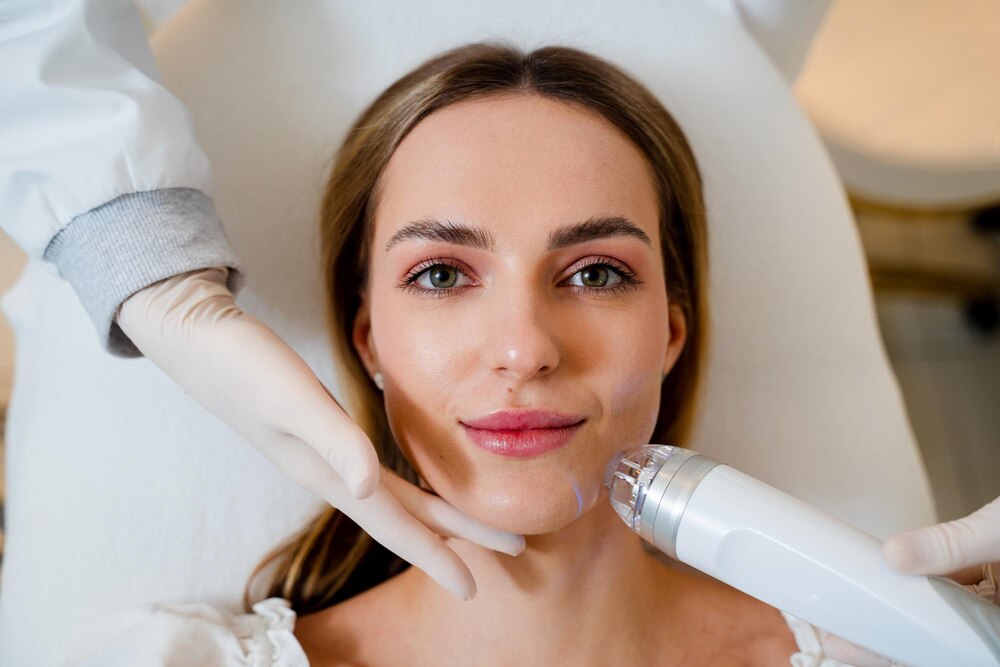
Thermage is an FDA-cleared monopolar radiofrequency treatment that tightens skin on the face, eyes, and body without surgery or significant downtime. The procedure heats deep tissue layers to stimulate new collagen production, gradually firming and smoothing the skin over several months. Thermage has become one of the most widely performed nonsurgical skin tightening treatments worldwide.
The demand for procedures like Thermage reflects a broader shift in aesthetic medicine. In 2024, minimally invasive procedures represented more than 90% of all cosmetic procedures reported by the American Society of Plastic Surgeons (ASPS), with 28.2 million noninvasive procedures performed nationwide. Nonsurgical skin tightening comprised the largest volume – 44% – of minimally invasive procedures in key U.S. regions.
Globally, the trend is equally pronounced. The International Society of Aesthetic Plastic Surgery (ISAPS) reported that global aesthetic procedures reached nearly 38 million in 2024, a 40% increase from 2020. Nonsurgical skin tightening ranked fourth worldwide among nonsurgical procedures, behind botulinum toxin, hyaluronic acid fillers, and hair removal.
How Does Thermage FLX Differ From Earlier Thermage Systems?
The Thermage FLX system, which received FDA 510(k) clearance in 2017, introduced AccuREP technology that automatically optimizes radiofrequency energy delivery for each treatment pulse. This advancement reduced treatment time by approximately 25% compared to earlier Thermage systems while improving patient comfort and consistency of results.
Michael S. Kaminer, M.D., a board-certified dermatologist and founding partner of SkinCare Physicians in Chestnut Hill, Massachusetts, as well as an assistant clinical professor of dermatology at Yale Medical School, noted at the time of the system’s clearance: “The Thermage system, backed by more than 50 clinical studies, is the gold standard in our practice and our most popular skin smoothing treatment. I’m excited to see what the new Thermage FLX system has to offer as each subsequent version has proven to exceed my expectations.” Current Thermage pricing reflects this latest-generation technology.
Is Thermage FDA-Cleared and Clinically Proven?
Thermage FLX holds FDA 510(k) clearance (K170758) for noninvasive treatment of wrinkles and rhytides on the face, eyes, and body. A 2025 systematic review published in Facial Plastic Surgery and Aesthetic Medicine analyzed 15 peer-reviewed studies encompassing 1,230 participants and found that radiofrequency treatments improved skin texture in 71% to 100% of patients and skin firmness in 52.9% to 100% of patients. Research continues through an ongoing prospective controlled study registered on ClinicalTrials.gov (NCT07187297) evaluating Thermage FLX in 164 participants for face, neck, and body applications.
How Much Does a Thermage Treatment Typically Cost?
Thermage treatment cost ranges from $1,500 to $5,000 per session, depending on the treatment area and provider. Most patients require only one session, results typically last 6 to 24 months, and the procedure involves minimal downtime. This single-session model distinguishes Thermage from many competing nonsurgical treatments that require multiple appointments.
The wide price range reflects several variables. Facial treatments generally fall on the lower end, while larger body areas push costs higher due to increased treatment time and tip usage. Geographic location also plays a role – practices in major metropolitan areas tend to charge more than those in smaller markets. Provider expertise and practice setting further influence pricing.
What Factors Affect the Price of a Thermage Session?
Several variables determine the final cost of a Thermage session:
- Treatment area size – Face, eyes, neck, and body areas each carry different pricing based on the surface area treated
- Tip type – The total tip covers a larger area per pulse than standard tips, affecting both treatment efficiency and cost
- Provider credentials – Board-certified dermatologists and plastic surgeons with extensive Thermage experience may charge more, reflecting their training and clinical outcomes
- Geographic region – Costs vary between urban and suburban markets and across different regions of the country
- Combination treatments – Some patients pair Thermage with complementary procedures, which affects overall investment
NW Laser provides personalized pricing during consultation, ensuring patients receive an accurate quote based on their specific treatment plan.
Does Insurance Cover Thermage Treatment?
Thermage is classified as a cosmetic procedure and is not covered by health insurance. Because the treatment addresses aesthetic concerns rather than medical conditions, patients are responsible for the full cost. Many practices, including NW Laser, offer financing options such as CareCredit and similar medical payment plans that allow patients to spread the cost over several months, making treatment more accessible.
How Does Thermage Cost Compare to Other Skin Tightening Treatments?
Thermage falls in the mid-range of nonsurgical skin tightening costs, typically costing $1,500 to $5,000 for a single session. Ultherapy carries a similar per-session cost but may require two sessions, while Morpheus8 has a lower per-session cost but requires multiple treatments. Facelift surgery costs significantly more upfront but delivers longer-lasting results.
The following table compares the four most common skin tightening options patients consider:
| Treatment | Cost Per Session | Sessions Needed | Results Duration | Downtime |
|---|---|---|---|---|
| Thermage | $1,500 – $5,000 | 1 | 6 – 24 months | Minimal |
| Ultherapy | $2,500 – $5,000 | 1 – 2 | 1 – 2 years | None to minimal |
| Morpheus8 | $500 – $3,500 | 1 – 3 | 2 – 5 years (with maintenance) | 1 – 3 days |
| Facelift Surgery | $12,000 – $19,000+ | 1 | 5 – 10+ years | 2 – 4 weeks |
Cost data for Thermage, Ultherapy, and Morpheus8 compiled from RealSelf patient reviews, CareCredit national averages, and clinic-reported ranges. Facelift data from ASPS 2024 statistics.
Is Thermage More Affordable Than a Facelift?
Thermage costs a fraction of facelift surgery. According to ASPS 2024 data, the average facelift surgeon fee is $11,395, with total costs (including anesthesia, facility fees, and related expenses) ranging from $12,000 to $19,000 or more. Thermage at $1,500 to $5,000 represents roughly 10% to 40% of the total facelift cost.
The financial comparison extends beyond the procedure fee. Facelift recovery requires 2 to 4 weeks of downtime, which carries indirect costs including time away from work, potential caregiver needs, and post-surgical care supplies. Thermage patients typically return to normal activities the same day. For patients with mild to moderate skin laxity who want meaningful improvement without surgical commitment, Thermage offers a substantially lower financial and logistical burden.
How Does Thermage Compare to Ultherapy and Morpheus8 in Cost and Results?
Each of these three leading nonsurgical treatments uses a different energy technology. Thermage delivers monopolar radiofrequency, Ultherapy uses microfocused ultrasound, and Morpheus8 combines fractional radiofrequency with microneedling. These differences affect treatment experience, recovery, and total cost over time.
Ultherapy’s per-session cost ($2,500 to $5,000) is comparable to Thermage, but some patients require a second session, potentially doubling the investment. Morpheus8 has a lower per-session cost ($500 to $3,500) but typically requires 1 to 3 sessions plus annual maintenance, which can bring total long-term costs in line with or above Thermage. Morpheus8 also involves 1 to 3 days of visible downtime due to its microneedling component, compared to Thermage’s minimal recovery period. The right choice depends on skin condition, aesthetic goals, downtime tolerance, and budget – topics best addressed during a professional consultation.
What Results Can You Expect From Thermage and How Long Do They Last?
Thermage delivers measurable skin tightening and texture improvement, with clinical studies reporting 71% to 100% improvement in skin texture and patient satisfaction rates between 82% and 100%. The 2025 systematic review of 15 studies and 1,230 participants found that radiofrequency treatments consistently yield meaningful aesthetic improvements with an excellent safety profile.
In the largest cohort within that systematic review – 745 patients – 93.2% were satisfied and willing to recommend the procedure to others. A 2025 expert survey published in the Journal of Drugs in Dermatology further reported high efficacy for skin laxity, particularly in patients in their 40s, with additional benefits including pore reduction noted by 80.9% of surveyed experts.
When Will You See Results After a Thermage Treatment?
Results from Thermage develop in stages. Some patients notice immediate skin tightening from initial collagen contraction during treatment. Progressive improvement occurs over the following 2 to 6 months as the body produces new collagen in response to the radiofrequency energy. Peak results typically appear around 3 to 6 months post-treatment and can last 6 to 24 months depending on individual factors including age, baseline skin quality, and lifestyle habits such as sun exposure and skincare regimen.
How Many Thermage Sessions Are Needed for Optimal Results?
Most patients achieve their desired improvement in a single Thermage session, which is a key differentiator from treatments like Morpheus8 that require multiple appointments. This single-session model means patients pay once for a complete treatment rather than budgeting for a series. Annual maintenance sessions can extend and enhance outcomes for patients who want to sustain results long-term, but they are optional rather than required for initial benefit.
Is Thermage Safe and What Are the Potential Side Effects?
Thermage has a well-documented safety profile supported by clinical data spanning more than two decades. A retrospective analysis of over 600 Thermage treatments found that only 2.7% of patients experienced temporary side effects, with zero permanent adverse effects reported. The Thermage FLX system’s AccuREP technology has further enhanced safety by automatically calibrating energy delivery for each individual treatment pulse.
Common temporary effects include mild redness and slight swelling at the treatment site, both of which typically resolve within hours to days. The 2025 systematic review of radiofrequency treatments confirmed this favorable safety profile across 1,230 participants, noting that RF treatments for facial rejuvenation yield high patient satisfaction alongside an excellent safety record. For patients concerned about Thermage fat loss, our guide examines the evidence, potential side effects, and safety considerations.
Who Is an Ideal Candidate for Thermage?
Ideal Thermage candidates are patients with mild to moderate skin laxity, typically in their late 30s to 60s, who want visible improvement without surgery or extended recovery. The 2025 JDD expert survey noted particular efficacy in the 40s age group, when early signs of skin laxity respond well to collagen stimulation.
Thermage is not a substitute for facelift surgery in patients with severe skin laxity or significant volume loss. Patients considering their options should consult a board-certified provider to determine whether nonsurgical treatment can achieve their goals or whether surgical intervention would deliver a more appropriate outcome.
Are There Any Risks That Could Add to the Overall Cost?
Based on published clinical data, the risk of complications that would generate additional costs is extremely low. The 2.7% temporary side effect rate reported across 600+ treatments involved self-resolving issues that did not require medical intervention. No permanent adverse effects were documented. By comparison, surgical procedures carry risks of complications such as infection, hematoma, or unsatisfactory results that may require revision surgery – adding thousands of dollars to the total investment. Thermage’s safety profile is an often-overlooked component of its overall value.
How Can You Calculate the True Value of Thermage Over Time?
Thermage’s annual cost of ownership ranges from approximately $1,500 to $3,000 per year, based on a single session costing $1,500 to $5,000 with results lasting 12 to 24 months. This positions Thermage as a competitive mid-range investment among skin tightening options when evaluated on a cost-per-year basis rather than upfront price alone.
The following table illustrates estimated annual cost across treatments:
| Treatment | Estimated Total Cost | Results Duration | Estimated Annual Cost |
|---|---|---|---|
| Thermage (1 session) | $1,500 – $5,000 | 1 – 2 years | $1,500 – $3,000 |
| Morpheus8 (3 sessions + maintenance) | $3,000 – $10,500+ | 2 – 5 years | $1,500 – $3,500 |
| Facelift Surgery | $12,000 – $19,000+ | 5 – 10 years | $1,500 – $2,700 |
When factoring in zero downtime and no surgical risk, Thermage offers a strong value proposition for patients seeking gradual, natural-looking improvement without the commitment of an invasive procedure.
Should You Choose Thermage Based on Price Alone?
Price is one factor, but not the only one that determines treatment value. Provider expertise, technology generation, and clinical evidence all influence outcomes. A lower-priced Thermage session performed on an older system by a less experienced provider may deliver inferior results compared to a board-certified specialist using the current FLX system. Patients should confirm that their provider uses Thermage FLX technology and has documented experience with radiofrequency skin tightening. The outcomes supported by the 50+ clinical studies cited in Thermage literature reflect treatments performed by trained, qualified providers.
Why Is Summer a Popular Time to Schedule Thermage Treatments?
Summer is an ideal time for Thermage because the treatment requires virtually no downtime, allowing patients to maintain active warm-weather schedules without interruption. Unlike chemical peels and certain laser treatments that require strict sun avoidance during recovery, Thermage does not create post-procedure photosensitivity that limits outdoor activities.
Patients who schedule Thermage in summer 2026 can expect progressive collagen remodeling over the following months, with peak results appearing by fall – well-timed for social events, holiday gatherings, and seasonal occasions. This treatment-now, results-later timeline makes summer scheduling strategically advantageous.
Frequently Asked Questions About Thermage Cost
Does Thermage Really Work for Skin Tightening?
Clinical evidence supports Thermage’s effectiveness. The 2025 systematic review of 1,230 patients found skin texture improvement in 71% to 100% of patients and satisfaction rates between 82% and 100%. In the largest cohort of 745 patients, 93.2% were satisfied and willing to recommend the treatment.
How Much Does Thermage Cost for the Face Versus the Body?
Facial Thermage treatments typically range from $1,500 to $3,500, depending on whether the treatment includes the eyes, full face, or face and neck. Larger body areas such as the abdomen or thighs can cost $3,000 to $5,000 due to greater surface area and increased radiofrequency tip usage.
Is One Thermage Session Enough or Will You Need More?
One Thermage session is sufficient for most patients to achieve noticeable improvement. Unlike treatments that require a series, Thermage is designed to deliver full results from a single appointment. Optional annual maintenance sessions can sustain and build upon results for patients who want ongoing collagen stimulation.
Can You Finance Thermage Treatments?
Many practices offer financing through medical credit programs such as CareCredit, which allows patients to pay for treatment over time with monthly installments. NW Laser can discuss available payment options during consultation to help patients find a plan that fits their budget.
What Is the Difference Between Thermage FLX and Older Thermage Systems?
Thermage FLX features AccuREP technology that automatically tunes radiofrequency energy delivery, resulting in approximately 25% faster treatment times and improved comfort compared to previous generations. Patients considering Thermage should confirm that their provider uses the FLX system, as the clinical data supporting current efficacy and safety standards reflects this latest-generation technology.
How Does Thermage Compare to At-Home RF Devices?
Clinical Thermage operates at significantly higher energy levels than consumer at-home radiofrequency devices. Thermage FLX holds specific FDA clearances for skin tightening indications and is backed by peer-reviewed studies involving thousands of patients. At-home devices lack the power to reach the deep tissue layers where collagen remodeling occurs and have not demonstrated comparable clinical results in published research.
What Should Your Next Step Be if You Are Considering Thermage?
Thermage treatment cost ranges from $1,500 to $5,000 for a single session that delivers 6 to 24 months of measurable skin tightening results, with clinical studies showing 82% to 100% patient satisfaction rates. For patients with mild to moderate skin laxity seeking improvement without surgery or significant downtime, Thermage represents a clinically validated investment.
The best way to determine whether Thermage is right for your goals – and to receive an exact price for your treatment plan – is a one-on-one consultation with a qualified provider. Schedule a consultation at NW Laser to have a board-certified professional assess your candidacy, discuss expected outcomes, and provide personalized pricing based on your specific needs.
Frequently Asked Questions
How much does a Thermage treatment cost per session?
Thermage treatment cost ranges from $1,500 to $5,000 per session. Facial treatments typically fall between $1,500 and $3,500, while larger body areas like the abdomen or thighs can reach $3,000 to $5,000. Pricing varies based on treatment area size, geographic location, provider credentials, and the type of radiofrequency tip used. Most patients need only one session to achieve noticeable results.
How long do Thermage results last?
Thermage results typically last 6 to 24 months depending on individual factors such as age, baseline skin quality, and lifestyle habits. Some patients notice immediate tightening from initial collagen contraction, with progressive improvement developing over 2 to 6 months. Peak results generally appear around 3 to 6 months post-treatment. Optional annual maintenance sessions can extend and build upon outcomes.
Is Thermage cheaper than a facelift?
Thermage costs significantly less than facelift surgery. A single Thermage session ranges from $1,500 to $5,000, while a facelift totals $12,000 to $19,000 or more according to 2024 ASPS data. Facelift surgery also requires 2 to 4 weeks of downtime with indirect costs like missed work and post-surgical care, whereas Thermage patients typically return to normal activities the same day.
Does insurance cover Thermage treatments?
No, insurance does not cover Thermage because it is classified as a cosmetic procedure addressing aesthetic concerns rather than medical conditions. Patients are responsible for the full cost. However, many practices offer financing through medical credit programs such as CareCredit, allowing patients to spread payments over several months with manageable monthly installments.
How does Thermage compare to Morpheus8 and Ultherapy in total cost?
Thermage costs $1,500 to $5,000 for a single session. Ultherapy ranges from $2,500 to $5,000 per session but may require two sessions. Morpheus8 costs $500 to $3,500 per session but typically requires 1 to 3 sessions plus annual maintenance, bringing long-term costs in line with or above Thermage. Each treatment uses different energy technology and involves different downtime and recovery expectations.
Is one Thermage session enough to see results?
One Thermage session is sufficient for most patients to achieve noticeable skin tightening improvement. This single-session design distinguishes Thermage from treatments like Morpheus8 that require multiple appointments. A 2025 systematic review of 1,230 patients found 71% to 100% improvement in skin texture and satisfaction rates between 82% and 100%. Annual maintenance sessions are optional for sustained results.
What are the side effects and risks of Thermage?
Thermage has an excellent safety profile. A retrospective analysis of over 600 treatments found only 2.7% of patients experienced temporary side effects – primarily mild redness and slight swelling – with zero permanent adverse effects reported. The Thermage FLX system’s AccuREP technology further enhances safety by automatically calibrating energy delivery for each treatment pulse, minimizing risk of complications.
