

Last updated: February 20, 2026
Radiofrequency skin tightening has become one of the most sought-after non-invasive aesthetic treatments heading into 2026. With new device innovations, evolving safety guidelines, and growing demand for natural-looking results, patients have more options – and more questions – than ever. This guide covers how RF technology works, what the latest FDA safety updates mean for you, and how to choose the right provider for your goals.
What Is Radiofrequency Skin Tightening and How Does It Work?
Radiofrequency skin tightening is a non-invasive cosmetic treatment that uses controlled radiofrequency energy to heat the deeper layers of skin, stimulating collagen and elastin production. This thermal energy triggers the body’s natural wound-healing response, gradually firming and tightening skin over weeks to months. RF treatments address mild to moderate skin laxity on the face, neck, and body without surgery or significant downtime.
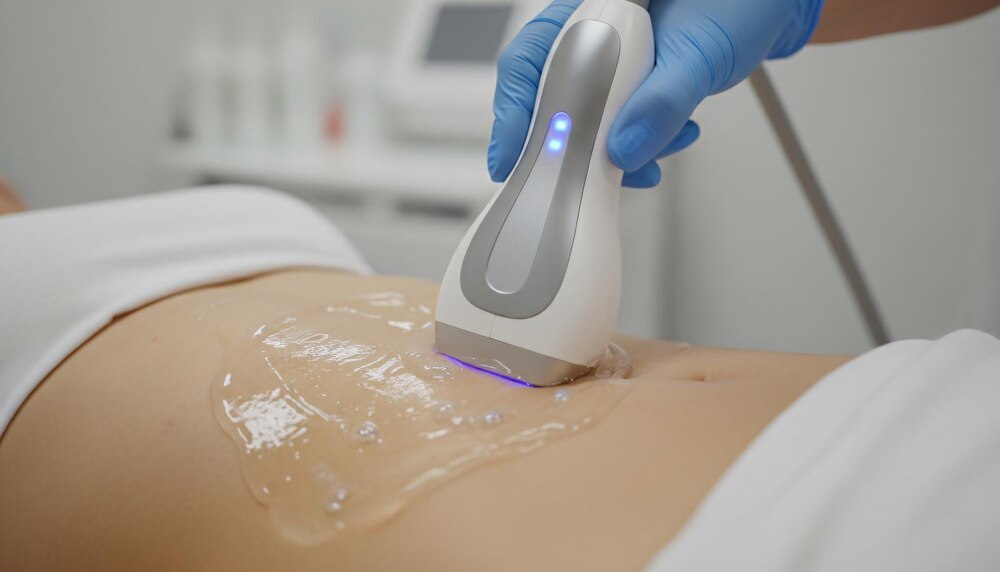
During treatment, a handheld device delivers RF energy through the skin’s surface. The energy heats dermal tissue to temperatures between 40 and 45 degrees Celsius, which is warm enough to denature existing collagen fibers and prompt the production of new, stronger collagen. The skin’s outer layer remains protected through built-in cooling mechanisms, making the procedure safe for most skin types.
The result is a dual-phase tightening effect. Patients often notice mild immediate firming due to collagen fiber contraction, followed by progressive improvement over three to six months as new collagen remodels and matures.
What Is the Difference Between Monopolar RF, Bipolar RF, and Fractional RF?
Not all radiofrequency devices work the same way. The three main modalities differ in how they deliver energy and how deep that energy penetrates.
| RF Modality | Depth of Penetration | Best For |
|---|---|---|
| Monopolar RF | Deep (up to 20mm) | Deep tissue tightening, body contouring, overall skin laxity |
| Bipolar RF | Superficial to moderate (1-4mm) | Fine lines, surface-level tightening, delicate areas |
| Fractional RF | Variable (adjustable) | Texture refinement, acne scars, combination skin concerns |
Monopolar RF uses a single electrode to deliver energy deep into tissue, making it effective for skin laxity on larger areas. Bipolar RF uses two electrodes placed close together, concentrating energy in the superficial dermis. Fractional RF delivers energy in a grid pattern, treating targeted zones while leaving surrounding tissue intact to speed healing.
How Is RF Microneedling Different from Standard Radiofrequency Treatments?
RF microneedling combines two technologies: tiny needles that create controlled micro-injuries in the skin and radiofrequency energy delivered directly through those needles into precise dermal depths. Standard RF treatments deliver energy through the skin’s surface without any needles.
This combination allows RF microneedling to address both deeper collagen remodeling and surface-level concerns like acne scarring, enlarged pores, and uneven texture. However, the needle-based delivery system also introduces additional considerations around safety and operator skill – a topic that became especially important following the FDA’s October 2025 safety communication.
What Are the Most Popular RF Treatments for Skin Tightening and Body Contouring in 2026?
The most popular RF treatments in 2026 emphasize minimal downtime, natural-looking results, and versatility across face and body applications. Non-invasive RF treatments including monopolar RF and fractional laser-RF combinations are leading the 2026 aesthetic technology landscape, reflecting patient demand for effective procedures that do not require extended recovery.
Interest in radiofrequency body contouring also remains strong. Google Trends data from late 2025 showed peak interest in “radiofrequency body contouring machine” reaching 56 in December 2025, reflecting the seasonal pattern of patients seeking treatments ahead of the new year.
Which RF Devices Are Leading the Market for Facial Skin Tightening?
Several FDA-cleared devices dominate the facial RF tightening market in 2026. Monopolar RF platforms continue to be a mainstay for deep tissue tightening on the face and neck. Newer devices combine RF energy with ultrasound or fractional laser technology to address multiple skin layers in a single session.
The trend toward combination platforms reflects a broader shift in aesthetic medicine: rather than relying on one modality alone, practitioners are layering technologies for more comprehensive results in skin laxity, texture, and tone.
Can Radiofrequency Body Contouring Really Replace Surgical Options?
Radiofrequency body contouring is effective for mild fat reduction, cellulite improvement, and skin tightening, but it does not replicate the dramatic results of surgical procedures like liposuction or abdominoplasty. In clinical practice, the most satisfied patients are those with realistic expectations about what non-invasive technology can achieve.
RF body contouring works best for patients with mild to moderate concerns who want incremental improvement without surgery. Devices like VelaShape, which combines radiofrequency with infrared light, suction, and mechanical massage, can reduce circumference by one to two inches in treated areas and improve skin texture. For patients with significant skin excess or larger volumes of unwanted fat, surgical options remain the more effective choice.
A plastic surgery practice that offers both surgical and non-surgical options can help patients determine which approach – or combination of approaches – will deliver the results they are looking for.
What Did the FDA Say About Radiofrequency Microneedling Safety in 2025?
In October 2025, the FDA issued a safety communication warning that radiofrequency microneedling treatments carry risks of burns, scarring, and permanent fat loss when devices are used incorrectly or operated by inadequately trained providers. This communication reinforced the importance of provider qualifications and proper device settings in achieving safe outcomes with RF microneedling procedures.
The FDA’s warning did not indicate that RF microneedling is inherently unsafe. Rather, it highlighted that the margin for error narrows significantly when energy is delivered through needles directly into tissue. Incorrect depth settings, excessive energy levels, or treatment of inappropriate areas can cause serious complications.
What Are the Specific Risks of RF Microneedling the FDA Identified?
The FDA’s October 2025 safety communication identified three primary risks associated with improper RF microneedling:
- Burns – caused by excessive energy delivery or inadequate cooling, potentially resulting in thermal injury to the skin
- Scarring – resulting from burns or overly aggressive treatment settings that damage tissue beyond the skin’s ability to heal normally
- Permanent fat loss – unintended destruction of subcutaneous fat in treated areas, which can cause visible volume depletion, particularly in the face
These adverse events are associated with operator error, improper device calibration, or use by practitioners without adequate training on the specific device being used. They are not typical outcomes when RF microneedling is performed correctly by a qualified provider.
How Can You Reduce Your Risk When Getting RF Microneedling?
Patient safety starts with provider selection. The following steps can significantly reduce the risk of complications from RF microneedling treatments:
- Choose a provider who is board-certified in dermatology or plastic surgery, or who practices under the supervision of a board-certified physician
- Verify that the RF microneedling device being used has current FDA clearance for your specific treatment area
- Ask about the provider’s device-specific training and how many RF microneedling procedures they have performed
- Request a detailed consultation that includes a review of your medical history and realistic discussion of expected outcomes
- Follow all pre-treatment and post-treatment instructions precisely
A practice with physician oversight and established complication management protocols offers an additional layer of safety that standalone settings may not provide.
Who Is a Good Candidate for Radiofrequency Skin Tightening?
Good candidates for radiofrequency skin tightening are adults with mild to moderate skin laxity who want gradual improvement without surgery. Ideal candidates are generally in their 30s to 60s, have reasonable expectations about non-invasive results, and do not have contraindications such as implanted electronic devices or active skin infections in the treatment area.
RF skin tightening is not a substitute for surgical lifting in patients with significant sagging. During a consultation, a qualified provider will assess skin quality, degree of laxity, and overall goals to determine whether RF treatment, surgery, or a combined approach is most appropriate.
What Skin Concerns Does RF Skin Tightening Treat Best?
RF skin tightening is most effective for the following concerns:
- Mild to moderate skin laxity on the face, jawline, and neck
- Early jowling or loss of definition along the lower face
- Crepey or loose skin on the abdomen, arms, or thighs
- Uneven skin texture and tone
- Fine lines and wrinkles, particularly around the eyes and mouth
These applications align with the 2026 trend toward skin regeneration and quality – prioritizing healthy, firm skin over dramatic transformation.
Are There Conditions That Make RF Treatments Unsafe?
Several medical conditions and circumstances are contraindications for radiofrequency treatments:
- Implanted pacemakers or defibrillators
- Metal implants in or near the treatment area
- Active skin infections, open wounds, or severe inflammatory skin conditions in the treatment zone
- Pregnancy
- Certain autoimmune conditions that impair wound healing
- History of keloid scarring (for RF microneedling specifically)
A thorough pre-treatment medical screening is essential. Patients should disclose all medical conditions, medications, and implanted devices during their consultation.
What Should You Expect During and After an RF Skin Tightening Treatment?
During an RF skin tightening session, patients typically feel a warming sensation as the device delivers energy to the treatment area. Most non-invasive RF treatments require no anesthesia, involve minimal discomfort, and allow patients to return to normal activities the same day. RF microneedling sessions may involve topical numbing cream and carry slightly longer recovery.
How Long Does a Typical RF Skin Tightening Session Take?
| Treatment Type | Session Duration | Typical Number of Sessions | Session Spacing |
|---|---|---|---|
| Non-invasive RF (face) | 30-60 minutes | 1-4 sessions | 4-6 weeks apart |
| Non-invasive RF (body) | 45-90 minutes | 4-6 sessions | 1-2 weeks apart |
| RF Microneedling | 30-60 minutes | 3-4 sessions | 4-6 weeks apart |
Treatment duration depends on the size of the area being treated and the specific device used. Larger body areas naturally require longer sessions than a targeted facial treatment.
What Does Recovery Look Like After RF Treatment?
Recovery after most non-invasive RF skin tightening treatments is minimal, with patients returning to daily activities immediately. Common side effects include mild redness, warmth, and slight swelling in the treated area, which typically resolve within a few hours to one day.
RF microneedling involves slightly more recovery. Patients may experience redness and pinpoint bleeding at needle sites for one to three days, with mild swelling lasting up to a week. Mineral sunscreen and gentle skincare are typically recommended during the healing period.
When Will You See Results from Radiofrequency Skin Tightening?
Some patients notice mild tightening immediately after treatment due to collagen fiber contraction. The most significant results develop gradually over three to six months as new collagen forms and remodels. This timeline is important for planning: patients who begin RF treatments in spring can expect to see peak improvement by midsummer.
How Much Does Radiofrequency Skin Tightening Cost in 2026?
Radiofrequency skin tightening costs typically range from $1,000 to $4,000 per treatment session in 2026, depending on the device used, treatment area, geographic location, and provider expertise. A full treatment series may involve multiple sessions, so total investment varies based on individual treatment plans.
| Factor | Impact on Cost |
|---|---|
| Treatment area size | Larger areas (abdomen, thighs) cost more than smaller areas (face, neck) |
| Device type | Newer or multi-modality devices may command higher per-session pricing |
| Number of sessions | Total cost depends on the recommended treatment series |
| Provider credentials | Board-certified physician-led practices may charge more, reflecting higher clinical oversight |
| Geographic location | Metropolitan areas and regions with higher cost of living typically see higher pricing |
Does Insurance Cover RF Skin Tightening Treatments?
Radiofrequency skin tightening is classified as an elective cosmetic procedure and is not covered by health insurance. Most practices offer consultation to outline total expected costs upfront, and many provide financing options to help patients manage the investment across monthly payments.
Why Should You Choose a Plastic Surgery Practice for RF Treatments Instead of a Standalone Med Spa?
A plastic surgery practice offers physician-level oversight, advanced clinical training, and the ability to manage complications – advantages that are especially important given the FDA’s October 2025 warnings about RF microneedling risks. Board-certified plastic surgeons bring deep knowledge of facial and body anatomy, which directly influences treatment safety and results.
In a practice like NW Laser, RF treatments are performed within a clinical environment where emergency protocols, medical-grade equipment, and direct physician supervision are standard. This infrastructure matters most when using energy-based devices that carry risks of thermal injury if applied incorrectly.
What Questions Should You Ask Your Provider Before Booking an RF Treatment?
Before scheduling any RF skin tightening treatment, ask your provider the following:
- What is your board certification, and which certifying body issued it?
- What specific training have you completed on the RF device being used?
- How many RF treatments have you performed, and on which areas?
- What is your protocol for managing complications such as burns or adverse reactions?
- Is the device FDA-cleared for the specific treatment area and indication being discussed?
- What results can I realistically expect based on my skin condition and goals?
Providers who answer these questions confidently and transparently are demonstrating the kind of accountability patients should expect.
How Does a Surgical Practice Offer a More Complete Skin Tightening Plan?
A practice that offers both non-invasive RF treatments and surgical skin tightening procedures can create a comprehensive plan tailored to each patient’s needs. For some patients, RF skin tightening alone delivers the desired improvement. Others may benefit from combining RF treatments with surgical options for more significant correction.
This honest assessment is a hallmark of experienced practices. Rather than recommending RF treatments to patients who would be better served by a facelift or neck lift, a surgical practice can present the full range of options and guide patients toward the approach most likely to meet their goals.
What Are the Latest Trends in RF and Non-Invasive Skin Tightening for 2026?
The leading RF and non-invasive skin tightening trends in 2026 center on combination therapies, natural-looking outcomes, and advanced device platforms that treat multiple skin layers simultaneously. The aesthetic industry is moving toward protocols that pair RF energy with fractional lasers, ultrasound, or biostimulatory treatments for enhanced and longer-lasting results.
What Is the “Quiet Luxury Face” Trend and How Does RF Fit In?
The “quiet luxury face” trend in 2026 describes an aesthetic philosophy that prioritizes subtle, natural-looking skin quality over visible signs of cosmetic intervention. Patients pursuing this look want firm, smooth, healthy-appearing skin without the telltale signs of aggressive treatments or overfilled features.
RF skin tightening aligns naturally with this approach. Because RF works by stimulating the body’s own collagen production, results develop gradually and look inherently natural. The focus on skin regeneration rather than dramatic transformation makes RF an ideal foundation for the quiet luxury aesthetic.
Are Combination RF and Laser Treatments the Future of Skin Rejuvenation?
Combination protocols that pair monopolar RF with fractional lasers are gaining traction in 2026 as practitioners recognize the benefits of addressing multiple skin concerns in a coordinated treatment plan. RF targets deep collagen tightening, while fractional lasers address surface texture, pigmentation, and fine lines.
Practices that offer multiple device platforms – including RF, laser, and light-based technologies – can customize protocols to each patient’s specific combination of concerns. This multi-modality approach is becoming the standard of care in advanced aesthetic practices.
Frequently Asked Questions About Radiofrequency Skin Tightening
Is Radiofrequency Skin Tightening Painful?
Most patients describe RF skin tightening as feeling warm to hot, similar to a hot stone massage. Discomfort is generally mild and well-tolerated without anesthesia for non-invasive RF treatments. RF microneedling sessions typically use topical numbing cream to minimize the sensation from the needles. Built-in cooling technology in modern devices helps keep surface skin comfortable throughout treatment.
How Many RF Sessions Do You Need to See Results?
Most non-invasive RF devices require one to four treatment sessions spaced four to six weeks apart for optimal results. RF microneedling typically requires three to four sessions. After completing the initial series, annual maintenance sessions help sustain collagen production and prolong results.
Can RF Skin Tightening Be Combined with Other Cosmetic Treatments?
RF skin tightening combines well with several other cosmetic treatments for comprehensive rejuvenation. Common combinations include RF with neurotoxin injections like Botox for dynamic wrinkles, RF with dermal fillers for volume restoration, and RF with laser resurfacing for texture and pigmentation. Your provider will recommend appropriate spacing between treatments to ensure safety and optimal healing.
How Long Do Radiofrequency Skin Tightening Results Last?
Radiofrequency skin tightening results typically last one to two years, depending on the patient’s age, skin quality, and lifestyle factors. Sun protection, healthy nutrition, and consistent skincare help extend results. Periodic maintenance treatments every 12 to 18 months can sustain the collagen remodeling benefits over time.
Is RF Skin Tightening Safe for All Skin Tones?
Radiofrequency skin tightening is generally considered safe across all skin tones, including darker complexions. Unlike some laser treatments that target melanin and carry a higher risk of hyperpigmentation in darker skin, RF energy targets water molecules in tissue rather than pigment. This makes RF one of the more inclusive non-invasive tightening options available.
Should You Start RF Skin Tightening in Spring for Summer Results?
Spring is an ideal time to begin RF skin tightening treatments. Because collagen remodeling takes three to six months to reach full effect, patients who start their treatment series in February or March can expect to see peak results by summer. Starting in spring also allows adequate time to complete a multi-session protocol before the season when patients most want to enjoy firmer, tighter skin.
What Is Your Next Step Toward Firmer, Tighter Skin?
Radiofrequency skin tightening remains one of the most effective non-invasive options for improving skin laxity, texture, and tone in 2026. The technology continues to advance, and when performed by a qualified provider, RF treatments offer a strong safety profile with minimal downtime. The October 2025 FDA safety communication reinforced what experienced practitioners already know: provider expertise and proper technique are essential to safe outcomes.
Spring is the optimal time to begin a treatment plan so results are fully visible by summer. At NW Laser, our plastic surgery team evaluates each patient individually, recommending RF treatments when appropriate and offering surgical alternatives when non-invasive options are not sufficient to meet a patient’s goals. If you are considering radiofrequency skin tightening or body contouring, a consultation is the best first step toward understanding which approach is right for you.
Frequently Asked Questions
How does radiofrequency skin tightening work?
Radiofrequency skin tightening uses controlled RF energy to heat the deeper layers of skin to between 40 and 45 degrees Celsius, stimulating new collagen and elastin production. This thermal energy triggers the body’s natural wound-healing response, gradually firming skin over three to six months. Built-in cooling mechanisms protect the skin’s outer layer, making the procedure safe for most skin types.
What are the risks of RF microneedling according to the FDA?
The FDA’s October 2025 safety communication identified three primary risks when RF microneedling is performed incorrectly: burns from excessive energy delivery, scarring from overly aggressive settings, and permanent fat loss from unintended destruction of subcutaneous fat. These complications are linked to operator error or inadequate training – not to the technology itself when used properly by a qualified, board-certified provider.
How long do radiofrequency skin tightening results last?
Radiofrequency skin tightening results typically last one to two years depending on age, skin quality, and lifestyle factors. Consistent sun protection, healthy nutrition, and a quality skincare routine help extend results. Most providers recommend periodic maintenance treatments every 12 to 18 months to sustain collagen remodeling benefits and keep skin firm over time.
How many RF skin tightening sessions are needed to see results?
Most non-invasive RF devices require one to four treatment sessions spaced four to six weeks apart for optimal results. RF microneedling typically requires three to four sessions on the same schedule. Some patients notice mild immediate firming after the first session, but the most significant improvement develops gradually over three to six months as new collagen matures.
Is radiofrequency skin tightening safe for dark skin tones?
Radiofrequency skin tightening is generally considered safe across all skin tones, including darker complexions. Unlike certain laser treatments that target melanin and carry higher risk of hyperpigmentation in darker skin, RF energy targets water molecules in tissue rather than pigment. This makes RF one of the more inclusive non-invasive skin tightening options available in 2026.
How much does radiofrequency skin tightening cost in 2026?
Radiofrequency skin tightening costs typically range from $1,000 to $4,000 per session in 2026. Total investment depends on treatment area size, device type, number of sessions in the recommended series, provider credentials, and geographic location. These procedures are classified as elective cosmetic treatments and are not covered by health insurance, though many practices offer financing options.
Can radiofrequency body contouring replace liposuction or surgery?
Radiofrequency body contouring is effective for mild fat reduction, cellulite improvement, and skin tightening but does not replicate the dramatic results of surgical procedures like liposuction or abdominoplasty. RF body contouring works best for patients with mild to moderate concerns seeking incremental improvement without surgery. Patients with significant skin excess or larger volumes of unwanted fat typically achieve better outcomes with surgical options.
