

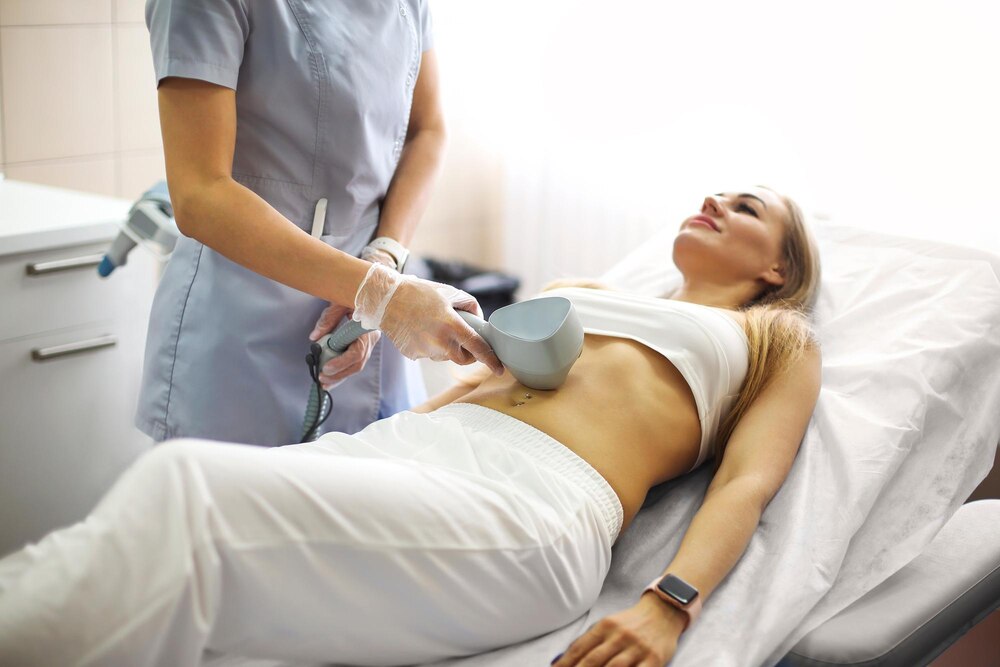
The non-surgical body contouring industry has transformed dramatically in recent years, reaching a market valuation of $1.4-1.7 billion in 2024 with projected growth rates between 7.3% and 14.3% through 2030. This explosive expansion reflects a fundamental shift in how people approach body enhancement, particularly as new weight loss medications create unprecedented demand for skin tightening solutions. With 61% of GLP-1 medication users seeking aesthetic treatments after significant weight loss, medical spas and aesthetic practices are evolving their treatment offerings to address this emerging patient population. This comprehensive guide examines the clinical evidence behind today’s most effective non-surgical body technologies, addressing the widespread confusion about treatment mechanisms, realistic outcomes, and optimal patient selection.
Understanding Non-Surgical Body Contouring: How These Technologies Actually Work
Non-surgical body contouring encompasses multiple energy-based technologies that reshape body contours without invasive surgery. Unlike traditional liposuction, which physically removes fat cells through suction, these treatments work through targeted energy delivery that either destroys fat cells, stimulates muscle growth, or promotes collagen production for skin tightening. Understanding these distinct mechanisms helps patients select appropriate treatments for their specific concerns.
The fundamental principle underlying all non-surgical body treatments involves selective tissue targeting. Each technology uses different energy wavelengths or intensities to affect specific tissue layers while preserving surrounding structures. This selective approach enables practitioners to address fat reduction, muscle enhancement, or skin laxity individually or in combination, depending on patient needs and treatment protocols.
Radiofrequency (RF) Technology for Body Tightening
Radiofrequency technology delivers controlled thermal energy to dermal and subdermal layers, heating tissues to temperatures between 40-45 degrees Celsius. This controlled heating triggers immediate collagen contraction and initiates a wound healing response that stimulates new collagen production over subsequent months. RF treatments particularly excel at addressing skin laxity and improving tissue texture.
Advanced RF systems like Morpheus8 combine radiofrequency with microneedling, creating fractional coagulation zones that enhance collagen remodeling. These devices penetrate up to 8mm beneath the skin surface, reaching deeper fat layers while simultaneously tightening overlying skin. Clinical studies demonstrate measurable improvements in skin elasticity and reduction in circumference measurements, though results vary based on treatment parameters and individual healing responses.
High-Intensity Focused Ultrasound (HIFU) for Fat Reduction
HIFU technology generates focused ultrasound waves that penetrate through skin layers to reach targeted fat deposits. Clinical research confirms HIFU therapy is safe, effective, and minimally invasive, with predictable results when used for body and facial recontouring. The ultrasound energy creates thermal coagulation points at precise depths, typically 13mm beneath the skin surface, causing adipocyte destruction while preserving surrounding tissues.
The destroyed fat cells undergo natural clearance through the lymphatic system over 8-12 weeks following treatment. FDA-cleared HIFU devices demonstrate average fat layer reductions of 2-4mm in treated areas, with optimal results appearing approximately three months post-treatment. Treatment efficacy depends on proper patient selection, with best outcomes in individuals with localized fat deposits rather than generalized obesity.
Electromagnetic Muscle Stimulation (EMSCULPT Neo)
EMSCULPT Neo represents the latest evolution in electromagnetic body sculpting, combining High-Intensity Focused Electromagnetic (HIFEM) technology with radiofrequency heating. This dual-action approach simultaneously builds muscle and reduces fat through supramaximal muscle contractions impossible to achieve through voluntary exercise. Clinical trials demonstrate average subcutaneous fat reduction of 25-30% and muscle mass increases of 20-30% in treated areas.
The HIFEM component induces approximately 20,000 muscle contractions during a 30-minute session, triggering muscle fiber hypertrophy and hyperplasia. Concurrent RF heating raises fat tissue temperature to apoptotic levels while maintaining muscle temperature in the therapeutic range for enhanced contractile response. This synergistic mechanism makes EMSCULPT particularly effective for patients seeking both fat reduction and muscle enhancement.
The GLP-1 Effect: Why Post-Weight-Loss Patients Are Driving Demand
The widespread adoption of GLP-1 receptor agonists like Ozempic and Wegovy has created an entirely new patient demographic for body contouring treatments. According to provider surveys, 61% of GLP-1 patients seeking aesthetic treatment had lost 11-30% of their body weight, often experiencing significant skin laxity that cannot resolve naturally. This rapid weight loss outpaces the skin’s ability to contract, leaving patients with loose, sagging tissue despite successful weight reduction.
Medical aesthetic practitioners report unprecedented demand from this patient population, with many practices developing specific treatment protocols for post-weight-loss body contouring. The challenge lies in addressing multiple concerns simultaneously – residual fat deposits, muscle atrophy from rapid weight loss, and extensive skin laxity requiring comprehensive treatment planning.
Managing Skin Laxity After Ozempic/Wegovy Weight Loss
Patients experiencing rapid weight loss from GLP-1 medications often present with skin laxity affecting multiple body areas. The abdomen, arms, thighs, and neck typically show the most pronounced changes, with skin quality varying based on age, genetics, and total weight lost. Evidence-based treatment approaches combine multiple modalities to address both superficial and deep tissue laxity.
Radiofrequency microneedling provides foundational skin tightening through controlled dermal heating and collagen stimulation. For more severe laxity, practitioners may recommend biostimulatory injectables like Sculptra or hyperdilute Radiesse to restore volume and enhance skin quality. Treatment timelines typically span 3-6 months, with gradual improvements as collagen remodeling progresses. Realistic expectations involve 20-30% improvement in skin tightness rather than surgical-level correction.
Preventive Treatments During Active Weight Loss
Proactive intervention during active weight loss can minimize subsequent skin laxity and optimize final body contours. Starting radiofrequency treatments early in the weight loss journey helps maintain skin elasticity and supports natural contraction processes. Monthly maintenance sessions during rapid weight loss phases provide ongoing collagen stimulation and may reduce the extent of post-weight-loss interventions required.
Nutritional support plays a crucial role in maintaining skin quality during weight loss. Adequate protein intake, hydration, and targeted supplementation with collagen peptides and vitamin C support skin structure during rapid body composition changes. Combining these preventive measures with appropriate energy-based treatments creates optimal conditions for skin adaptation to new body contours.
Real Results vs. Marketing Claims: What the Clinical Evidence Shows
The aesthetic industry’s marketing claims often exceed what clinical evidence supports, creating unrealistic patient expectations and provider credibility challenges. Peer-reviewed research provides more conservative but reliable outcome data, with most technologies showing measurable but moderate improvements rather than dramatic transformations.
FDA-Cleared Technologies and Their Proven Outcomes
FDA clearance requires manufacturers to demonstrate safety and efficacy through controlled clinical trials. Current FDA-cleared body contouring devices show consistent outcome ranges across multiple studies. Cryolipolysis achieves 20-25% fat reduction in treated areas after a single session. Radiofrequency devices demonstrate 15-20% improvement in skin laxity scores. HIFU treatments produce 2-4mm reductions in fat layer thickness.
Patient satisfaction rates vary significantly by technology and treatment area. Abdominal treatments generally show higher satisfaction (70-85%) compared to arm or thigh treatments (60-75%). These variations reflect both anatomical differences and varying patient expectations for different body areas. Understanding these evidence-based outcomes helps practitioners set appropriate expectations during consultations.
Limitations and Realistic Expectations
Non-surgical body contouring has inherent limitations that patients must understand before treatment. These technologies work best for individuals within 20-30 pounds of their ideal weight with good skin elasticity and localized fat deposits. Patients with BMI over 30, poor skin quality, or expectations of surgical-level results typically experience disappointment with non-surgical approaches.
Clinical studies identify a 15-20% non-responder rate across all technologies, meaning some patients show minimal improvement despite appropriate treatment. Factors influencing response include genetics, lifestyle habits, hormonal status, and adherence to post-treatment recommendations. Practitioners should discuss these limitations openly to avoid unrealistic expectations and treatment dissatisfaction.
Before and After Timeline: What Actually Happens Month by Month
Understanding the treatment timeline helps patients maintain realistic expectations and compliance with treatment protocols. Immediately post-treatment, patients may experience mild swelling, redness, or tenderness that resolves within days. Month one typically shows minimal visible changes as inflammatory responses subside and tissue remodeling begins.
Months two and three reveal progressive improvements as destroyed fat cells clear through lymphatic drainage and new collagen formation becomes apparent. Peak results generally appear between months three and six, with some technologies showing continued improvement up to one year post-treatment. This extended timeline often surprises patients expecting immediate results similar to surgical procedures.
Technology Comparison: RF vs. Ultrasound vs. EMS for Different Body Concerns
Selecting appropriate technology requires matching device capabilities to specific patient concerns and anatomical considerations. Each modality offers distinct advantages and limitations that influence treatment planning and outcome expectations.
Best Technologies for Specific Areas
The abdomen responds well to combination approaches, with EMSCULPT Neo addressing both muscle laxity and subcutaneous fat while RF microneedling improves skin texture. For arm contouring, radiofrequency excels at addressing crepey skin, while HIFU targets stubborn upper arm fat deposits. Thigh treatments benefit from VellaShape’s combination of radiofrequency, infrared light, and mechanical massage for cellulite reduction.
Buttock enhancement requires careful technology selection based on desired outcomes. EMSCULPT builds gluteal muscle mass for lifting effects, while RF treatments improve skin quality and cellulite appearance. The lower abdomen and love handles respond particularly well to cryolipolysis or HIFU for targeted fat reduction when skin quality remains good.
Cost-Per-Result Analysis
Treatment costs vary significantly by technology, geographic location, and provider expertise. Average per-session pricing ranges from $750-2,500, with most patients requiring 3-6 sessions for optimal results. When calculating cost-per-result, patients should consider total treatment packages rather than individual session prices.
EMSCULPT Neo typically requires four sessions at $750-1,000 each, totaling $3,000-4,000 for a complete abdominal protocol. Radiofrequency microneedling averages $1,200-1,800 per session with 3-4 sessions recommended, resulting in $3,600-7,200 total investment. These costs reflect the technology investment, consumables, and provider expertise required for optimal outcomes.
Emerging Trends: Exosomes, Biostimulators, and 2025 Innovations
The aesthetic industry continues evolving with new technologies and treatment approaches entering the market. While some innovations show promise, others lack sufficient evidence to support widespread adoption.
Exosome Therapy for Body Rejuvenation
Exosome therapy represents a frontier technology in regenerative aesthetics, utilizing extracellular vesicles to promote cellular communication and tissue repair. These nano-sized particles contain growth factors, proteins, and genetic material that potentially enhance healing and collagen production. Early studies suggest benefits for skin quality improvement and wound healing acceleration.
Current regulatory status remains unclear, with the FDA continuing to evaluate exosome products for aesthetic applications. Practitioners offering exosome treatments operate in a regulatory gray area, using products marketed as cosmetic rather than medical devices. Patients considering exosome therapy should understand the limited evidence base and potential regulatory risks.
Biostimulatory Injectables Beyond the Face
Biostimulatory injectables like Sculptra and hyperdilute Radiesse increasingly expand beyond facial applications to body treatments. These products stimulate endogenous collagen production, providing gradual volume restoration and skin quality improvement over several months. Body applications include chest rejuvenation, arm and thigh skin tightening, and abdominal skin quality enhancement.
Treatment protocols for body applications differ from facial techniques, requiring larger product volumes and modified injection techniques. Practitioners report promising results for mild to moderate skin laxity, though outcomes remain more subtle than surgical alternatives. The gradual improvement timeline aligns well with patient preferences for natural-looking enhancement.
Safety Considerations and Candidate Selection
Proper patient selection and safety protocols ensure optimal outcomes while minimizing complications. Understanding contraindications and risk factors guides appropriate treatment recommendations.
Ideal Candidates vs. Poor Candidates
Ideal candidates for non-surgical body contouring maintain stable weight within 20-30 pounds of their goal, demonstrate good skin elasticity, and have realistic expectations about achievable outcomes. These patients typically show localized fat deposits resistant to diet and exercise, with BMI under 30 and no significant medical conditions affecting healing or fat metabolism.
Poor candidates include individuals with unrealistic expectations, active infections or skin conditions in treatment areas, or certain medical conditions like autoimmune disorders or uncontrolled diabetes. Pregnancy, breastfeeding, and recent significant weight fluctuations also contraindicate treatment. Patients with extensive skin laxity requiring surgical correction should pursue appropriate surgical consultations rather than non-surgical alternatives.
Potential Side Effects and Risk Management
While non-surgical body contouring generally demonstrates excellent safety profiles, potential complications exist. Common side effects include temporary redness, swelling, bruising, and tenderness lasting days to weeks. More serious but rare complications include burns, scarring, paradoxical adipose hyperplasia with cryolipolysis, or nerve damage with improper technique.
Risk mitigation requires proper provider training, appropriate device settings, and careful patient selection. Board-certified providers with specific device training show lower complication rates than inadequately trained practitioners. Patients should verify provider credentials, device FDA clearance status, and facility accreditation before proceeding with treatment.
Making an Informed Decision: Your Action Plan
Successfully navigating non-surgical body contouring options requires systematic evaluation of technologies, providers, and personal goals. A structured approach ensures appropriate treatment selection and realistic outcome expectations.
Questions to Ask During Consultation
Essential consultation questions include: What specific technology do you recommend for my concerns and why? How many treatments will I need for optimal results? What is the total cost including all recommended sessions? Can you show me before and after photos of patients with similar body types and concerns? What happens if I don’t achieve expected results?
Additional important queries address provider experience, complication management protocols, and combination treatment options. Patients should request specific outcome statistics rather than vague promises, understanding that individual results vary based on multiple factors. Clear communication about medical history, medications, and previous treatments ensures safe and effective treatment planning.
Red Flags to Avoid
Warning signs of questionable providers include guaranteed results, pressure for immediate treatment decisions, unusually low pricing suggesting compromised quality, and lack of proper credentials or FDA-cleared devices. Providers promising surgical-equivalent results from non-surgical treatments demonstrate either ignorance or dishonesty about treatment capabilities.
Patients should avoid facilities lacking proper medical oversight, using non-FDA-cleared devices, or unable to manage potential complications. Social media marketing without substantive clinical information, celebrity endorsements without disclosed relationships, and before/after photos showing unrealistic transformations suggest marketing-focused rather than medically-sound practices.
Non-surgical body contouring technologies continue advancing, offering legitimate alternatives for appropriate candidates seeking modest improvements without surgical intervention. Success requires matching evidence-based technologies to specific patient concerns while maintaining realistic expectations about achievable outcomes. As the market expands driven by post-weight-loss demand and technological innovation, patients benefit from understanding both capabilities and limitations of available treatments. By focusing on clinical evidence rather than marketing claims, individuals can make informed decisions aligned with their aesthetic goals and medical realities.
