

Last updated: October 21, 2026
If you’re considering a microneedling facial for acne scars, fine lines, or uneven texture, NW Laser’s microneedling treatment offers a personalized option in Vancouver, Washington. Changes develop gradually rather than all at once.
What Is a Microneedling Facial, and How Does It Work?
A microneedling facial uses fine needles to create controlled punctures in the skin. The healing response stimulates collagen and elastin production, which can gradually improve the skin’s appearance. At NW Laser, we adjust needle depth to suit your skin concern and preference for a light, moderate, or aggressive treatment approach.
As Cleveland Clinic’s microneedling guidance notes, microneedling reaches deeper than surface exfoliation and may suit concerns beneath the surface, such as acne scars. A superficial texture concern may call for a different needle depth than pitted scarring; treatment does not instantly erase either.
Does Microneedling on the Face Really Work?
Microneedling can improve the appearance of facial acne scars, fine lines, uneven texture, and some sun-related discoloration, but the degree of improvement varies. It encourages gradual skin remodeling rather than removing scars outright.
The American Academy of Dermatology’s guidance on microneedling also lists enlarged pores, melasma, and surgical scars among concerns dermatologists treat. Shallow irregularities and deeper pitted scars need not respond in the same way.
What Happens During a Microneedling Facial at NW Laser?
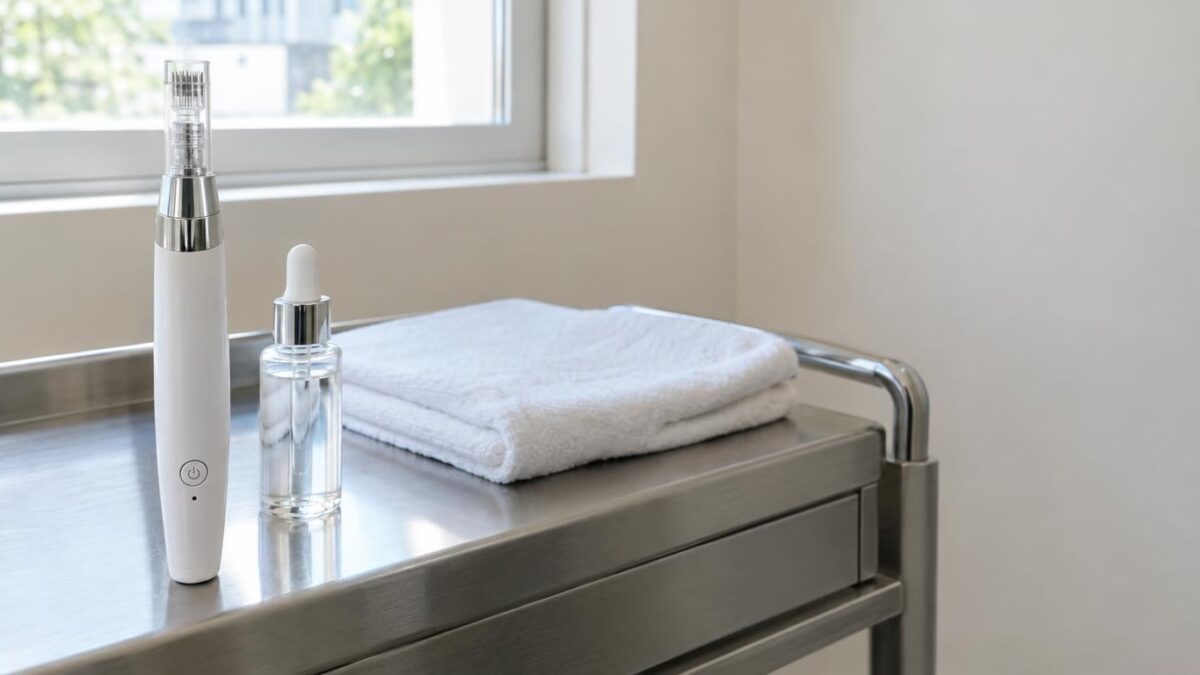
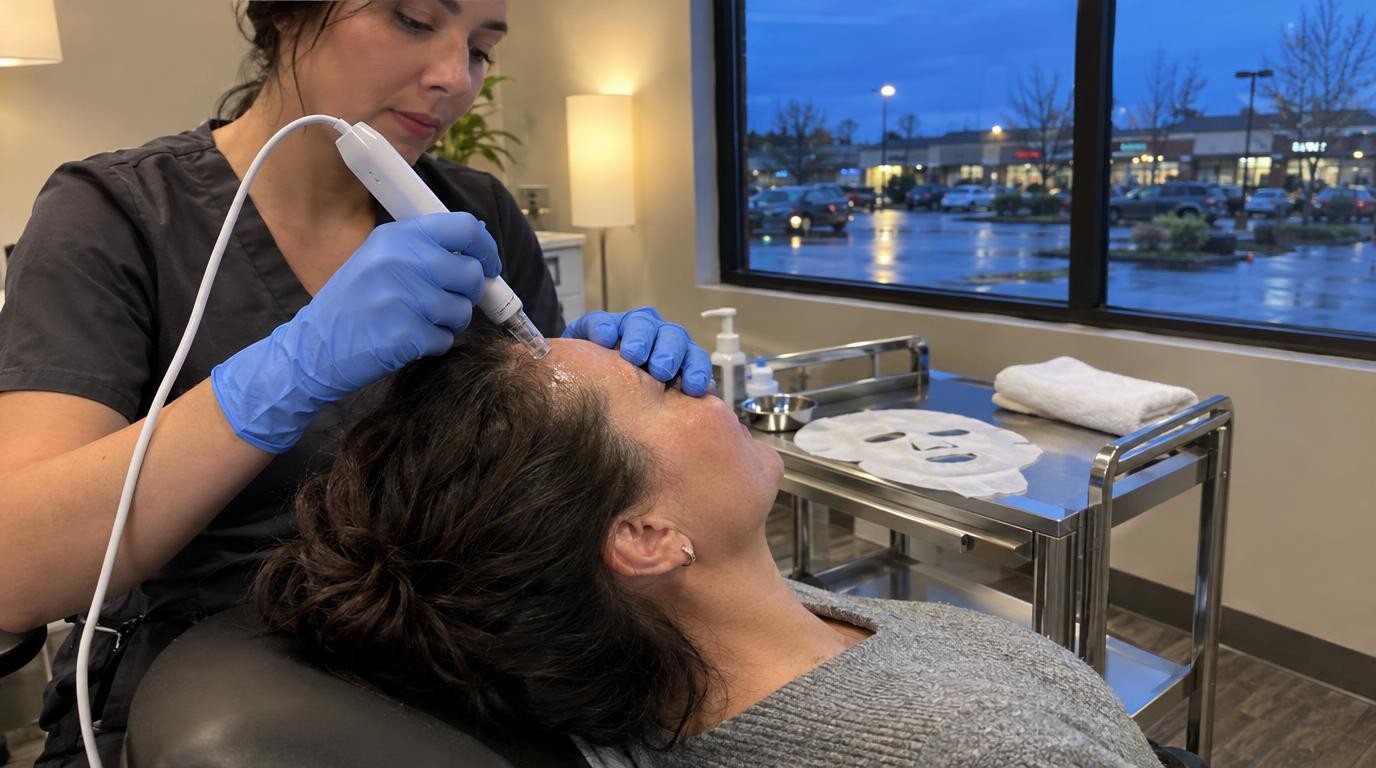
Our team uses the Eclipse MicroPen with adjustable needle penetration, sterile single-use disposable tips, and hydrating gel. The pen creates mechanical micro-injuries without using heat; treatment may feel like light sandpaper moving across the skin.
During treatment, the hydrating gel helps the device move across the skin and can make the sensation more comfortable. Some facial areas may feel more sensitive than others. A topical anesthetic is commonly used during professional microneedling; ask our team whether one would be appropriate for you.
The American Society for Dermatologic Surgery describes a 30-minute office visit, while Cleveland Clinic says a microneedling procedure can take 15 minutes to a few hours, depending on the size of the treated area. These are general estimates; ask us how much time to allow for your appointment.
Microneedling also creates temporary channels in the skin that can increase absorption of a selected topical product, such as a vitamin C serum. Increased absorption does not mean every serum or cream is suitable for treated skin or risk-free.
What Are the Different Types of Microneedling Treatments?
The U.S. Food and Drug Administration’s overview of microneedling devices describes stamped, rolled, and pen-shaped designs, including motorized devices whose needle depth and speed a practitioner may adjust.
Here is how these device designs and RF treatment differ:
| Method | How it delivers treatment |
|---|---|
| Stamping | Needles are pressed onto and lifted from the skin. |
| Rolling | A needle-covered cylinder moves across the skin. |
| Automated pen | Needles move in and out of a pen-shaped device. |
| Radiofrequency microneedling | Needles enter the skin and deliver radiofrequency heat. |
The American Academy of Dermatology describes another approach: platelet-rich plasma (PRP) is prepared from your blood and applied to microneedled skin. PRP is an addition to treatment, not a needle design or a form of RF microneedling; ask our team whether we offer this combination.
What Is the Microneedling Stamping Technique?
Stamping presses needles into an area and lifts them out before moving to the next area, rather than rolling them across the skin. The term describes how a device works; it is not a separate NW Laser service being offered here.
How Is a Microneedling Pen Different From RF Microneedling?
A mechanical microneedling pen makes needle punctures without heat, while radiofrequency, or RF, microneedling also delivers heat through its needles and has different risks. Our Eclipse MicroPen is a mechanical pen, not an RF microneedling device.
Who Is a Good Candidate for a Microneedling Facial?
Someone seeking improvement in facial acne scarring, pitting, fine lines, or overall skin appearance may be a candidate for a microneedling facial. Suitability still depends on the condition of the skin, health history, and treatment goals.
Why Does the FDA Recommend Choosing a Trained Provider?
The FDA’s patient guidance on microneedling devices recommends a health care provider specially trained in microneedling because medical devices can reach structures beneath the skin, including nerves and blood vessels. The FDA has cleared certain microneedling devices to improve the appearance of facial acne scars and facial wrinkles in patients aged 22 years or older; clearance does not cover every device or every use.
What Are the Risks of Microneedling, and Who Should Avoid It?
If you have active acne, you may need to wait until it is controlled before microneedling acne scars. Redness, bleeding, and bruising are possible effects, while pigment changes and infection are less common risks. Sterile single-use needle tips are an important infection-control measure at NW Laser, but they cannot eliminate every complication.
The FDA lists tightness, itching, and peeling among common effects that typically clear without treatment after a few days or weeks. Less common risks include cold sore flare-ups and swollen lymph nodes.
Before treatment, tell your clinician about recurrent cold sores, eczema or psoriasis, a tendency to form raised scars, blood disorders, chemotherapy or radiation therapy for cancer, and medicines such as blood thinners or acne medications. Have moles, freckles, skin tags, or other growths that are changing in size or shape or bleeding evaluated before cosmetic treatment. These concerns call for individual screening rather than a blanket assumption that everyone with one must avoid microneedling. After treatment, seek prompt medical care for spreading redness, pus, fever, or pain that is worsening rather than settling.
How Long Does Recovery Take After a Microneedling Facial?
At NW Laser, redness usually lasts about 2 to 4 days, although many patients heal completely in as little as 24 hours. Your skin may look sunburned after treatment, and healing time depends in part on the needle setting and the number of overlapping passes.
At NW Laser, we ask patients to treat their skin gently and avoid acid-containing skin care products for about a week after treatment. Stay out of the sun until your skin heals, and follow the instructions for your session.
When Will You See Results, and How Many Treatments Might You Need?
At NW Laser, you may notice an immediate glow and see visible changes over several days and weeks; some patients need one treatment, while we may recommend 6 to 8 sessions for deeper wrinkles or acne scars. Improvement can continue for up to 6 months as collagen production continues.
The early glow is not a preview of exactly how much a scar or line will improve over the following months.
How Does a Microneedling Facial Compare With Laser Treatment?
Laser resurfacing uses light energy, and its effects vary with the laser and the concern being treated. It is not universally better than microneedling, nor should microneedling be expected to clear every dark spot or melasma.
For pitted facial acne scars, rough texture, or sun-related discoloration, we can discuss the trade-offs between microneedling and laser resurfacing. We offer laser skin resurfacing as well as chemical peels; peels may suit some surface concerns but do not replace microneedling for every pitted acne scar.
Frequently Asked Questions
How far apart should microneedling facial appointments be scheduled?
Microneedling treatments are generally scheduled three to eight weeks apart, according to Cleveland Clinic. The right interval depends on your skin, the treatment approach, and how you recover.
When can I wear makeup after a microneedling facial?
Most people can wear makeup the day after microneedling, according to Cleveland Clinic. If makeup stings or your skin is still sensitive, wait and follow the instructions we give you for your treatment.
Is microneedling safe for darker skin tones?
Microneedling can be performed on all skin tones, including darker skin, according to the American Academy of Dermatology. That does not make it risk-free: dark or light spots can occur after treatment.
Can I do a microneedling facial at home instead?
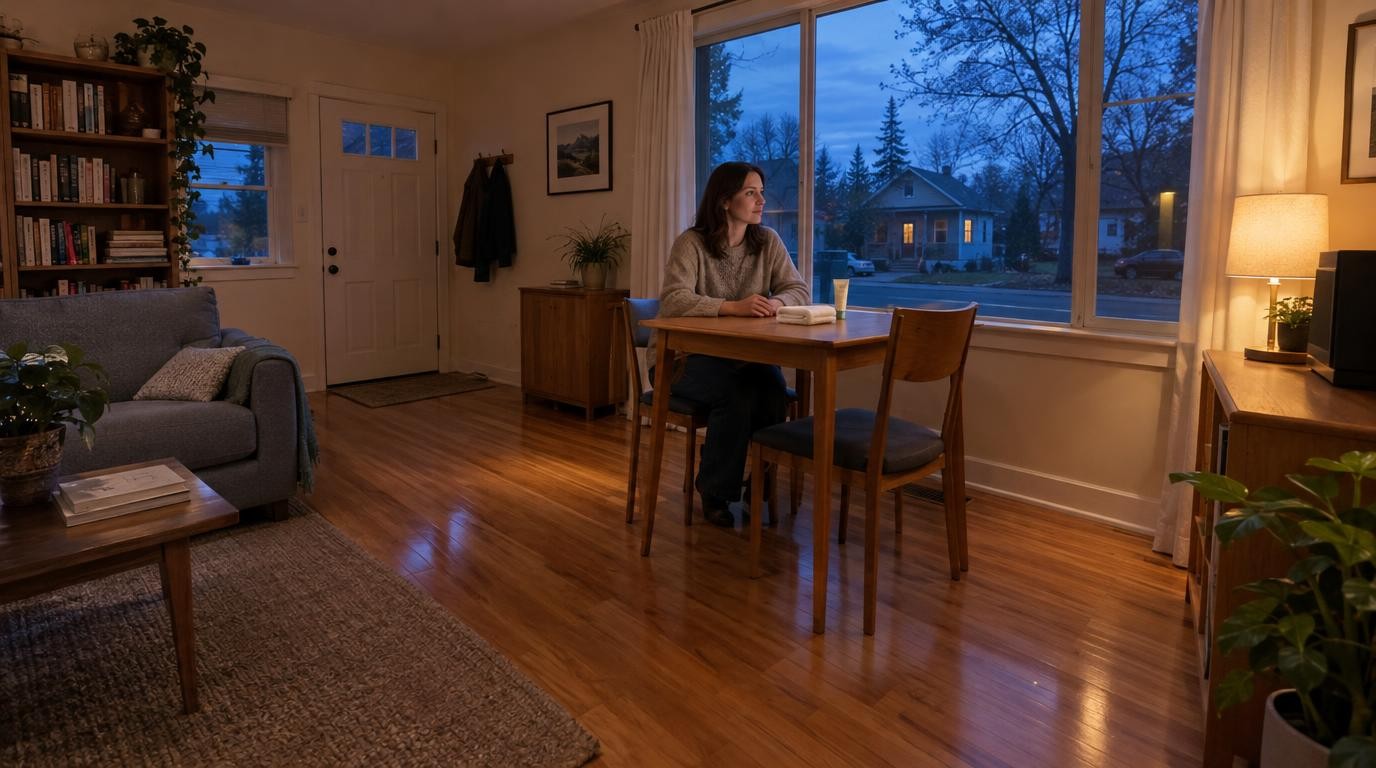
Some superficial, nonmedical microneedling products are sold for home use, but they are not equivalent to in-office treatment with a medical microneedling device. The FDA has not authorized medical microneedling devices for over-the-counter sale and recommends a specially trained health care provider for treatment with these devices.
How is a microneedling facial different from microdermabrasion?
Microneedling uses needles to create controlled punctures, while microdermabrasion uses a rough-edged device to exfoliate the skin’s uppermost layer. Cleveland Clinic notes that microneedling reaches deeper and may be better suited to concerns beneath the surface, such as acne scars.
Will I need maintenance treatments after a microneedling facial?
Maintenance treatments may be needed to sustain your results. Cleveland Clinic notes that some patients may need a treatment once a year after their initial course, but that is not a universal schedule.
How Can You Decide Whether a Microneedling Facial Is Right for You?
Whether a microneedling facial fits your goals depends on your main skin concern, health and skin history, and recovery needs. Before proceeding, you should know who will perform the treatment, the proposed depth and number of sessions, the expected downtime, and the risks relevant to your skin.
If facial acne scars, fine lines, or uneven texture are prompting your search for microneedling near you, contact NW Laser in Vancouver, Washington, for a consultation.
This information is general and is not medical advice. Talk to a licensed clinician about your own situation before making a treatment decision.
