

Last updated: October 1, 2026
Microdermabrasion is a minimally invasive, non-chemical, non-laser treatment that mechanically exfoliates the outermost skin layer. A microderm facial may help skin look smoother and brighter, but it does not reach the deeper changes behind every scar or dark spot. At NW Laser, you can discuss whether microdermabrasion treatment fits your goals.
What Is Microdermabrasion?
Microdermabrasion is a minimally invasive, non-chemical, non-laser treatment that mechanically exfoliates the outermost skin layer. A handheld instrument removes surface cells to improve the appearance of mild texture and tone concerns. Because microdermabrasion works at the surface, deeper scars and persistent pigmentation may require a different approach.
The StatPearls clinical reference on microdermabrasion describes the procedure as superficial epidermal resurfacing. The distinction matters when setting expectations: smoother-feeling skin is a reasonable goal, while removal of a deep facial acne scar is not.
Is microdermabrasion a laser or chemical treatment?
No. A microderm treatment uses physical exfoliation rather than laser energy or an exfoliating acid. That difference may appeal to someone seeking a surface-level treatment, but it does not make microdermabrasion appropriate for every skin condition. A consultation helps clarify both the likely benefit and whether treatment should wait until the skin is calmer.
How Does Microdermabrasion Work?
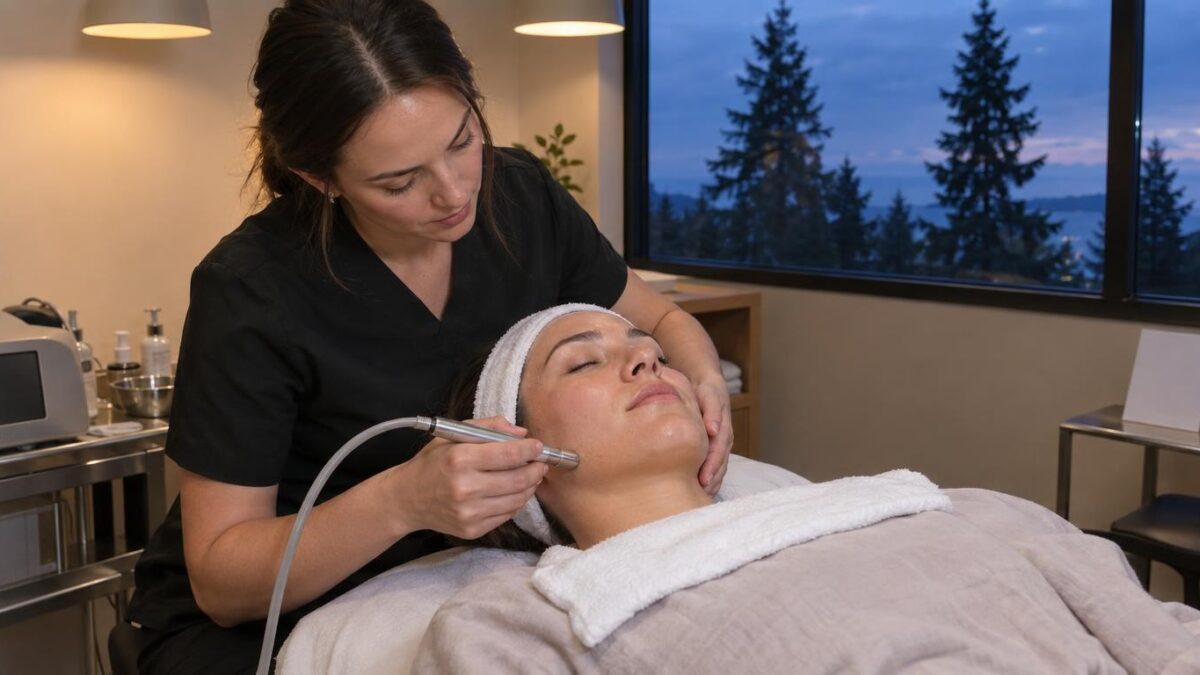
Microdermabrasion works by passing a specialized handpiece over the skin to loosen and remove surface cells while suction carries away debris. The controlled exfoliation can leave the treated surface feeling smoother. The technique used, skin sensitivity and treatment intensity all affect how the skin responds.
According to Cleveland Clinic’s explanation of microdermabrasion, a clinician may use either an abrasive tip or a stream of fine crystals. Neither approach is intended to remove the deeper layers of skin.
How do diamond-tip and crystal microdermabrasion differ?
A diamond-tip handpiece uses an abrasive surface to exfoliate as it moves across the skin. Crystal microdermabrasion directs fine particles toward the skin and suctions the particles and loosened cells away. Both rely on mechanical exfoliation and suction; ask which technique is planned for your visit rather than assuming a particular device is used.
A review in the Journal of Cosmetic Dermatology discusses clinical and structural responses to mechanical skin treatments, including microdermabrasion. Its discussion of tissue-level processes should not be read as a promise of a particular visible result for an individual patient.
Which Skin Concerns May Microdermabrasion Improve?
Microdermabrasion may improve dull-looking skin, rough texture and some mild uneven tone by exfoliating the surface. Improvements are generally subtle rather than a complete correction of pigmentation or scarring. The concern’s depth and cause matter: a mark beneath the surface may remain even when the surrounding skin feels smoother.
People considering treatment for fine lines or the appearance of enlarged pores may also appreciate a smoother-looking surface. Microdermabrasion cannot permanently change pore size or erase deeper lines. Persistent dark spots, age spots, melasma and other forms of hyperpigmentation call for an assessment of what is causing the color before choosing a treatment.
Can microdermabrasion help dull skin and rough texture?
Yes, surface exfoliation may make dull skin look fresher and rough texture feel softer. The effect depends on the underlying concern and how the skin responds. Blackheads and whiteheads may be part of a broader acne-care discussion, but microdermabrasion is not a substitute for a plan that addresses ongoing breakouts.
Sun damage and facial acne scars are especially easy to overestimate as treatment targets. A surface treatment may soften the appearance of minor irregularities without removing deeper scars or reliably clearing spots. For a closer look at that distinction, see our guide to microdermabrasion for scars.
Who May Be a Good Candidate for Microdermabrasion?
A good candidate for microdermabrasion is an adult with a superficial skin concern whose skin is suitable for exfoliation. Candidacy depends on current skin condition, sensitivity, goals and skin-care products, not just whether someone wants a brighter complexion. An individual assessment helps determine whether treatment is appropriate now.
In clinical practice, the useful question is not simply whether a person has rough texture or uneven tone. It is whether gentle surface exfoliation can reasonably address that concern without aggravating the skin. Tell your clinician about recent treatments, products that increase sensitivity, recurring cold sores and any condition affecting the intended treatment area.
Which skin types may benefit from microdermabrasion?
People with different skin types may be considered, but the treatment approach should reflect sensitivity and the possibility of post-treatment color changes. Skin that is currently irritated may need time to settle before exfoliation. If your main goal is deeper resurfacing or care for persistent pigmentation, your clinician may suggest a different plan.
NW Laser offers other skin treatments, including chemical peels and laser skin resurfacing. That does not mean either is automatically the right alternative. Our discussion of why dark spots may return after treatment explains why identifying the underlying concern matters.
Risks, Side Effects and Who Is Not a Candidate
Microdermabrasion can cause temporary redness, swelling, tenderness and increased skin sensitivity, and it is not suitable for every person or every skin condition. Irritated or broken skin and an active infection in the treatment area are reasons to defer exfoliation. Discuss your skin history with your own clinician before treatment.
Cleveland Clinic notes that redness, swelling or sensitivity may last up to 24 hours. Bruising, scratches and changes in skin color are also possible, particularly if skin is sensitive or treatment is too aggressive. Exfoliated skin needs careful sun protection afterward; follow the aftercare instructions your clinician provides rather than trying to speed up further exfoliation at home.
Do not proceed over a sunburn, open sore, active cold sore or other active skin infection. If you have rosacea, eczema, psoriasis, frequent cold sores or a tendency toward lingering discoloration, ask whether microdermabrasion is appropriate for your skin. Also disclose prescription skin products and recent cosmetic treatments. An assessment may lead to a gentler approach, a delay or a different option; those decisions are part of safe, individualized care.
What Happens During a Microdermabrasion Visit?
A microdermabrasion visit begins with a review of your skin and goals, followed by cleansing, controlled treatment with a handpiece and guidance on aftercare. The clinician moves the handpiece across the areas selected for treatment. The visit also gives you an opportunity to ask what changes are realistic for your particular concern.
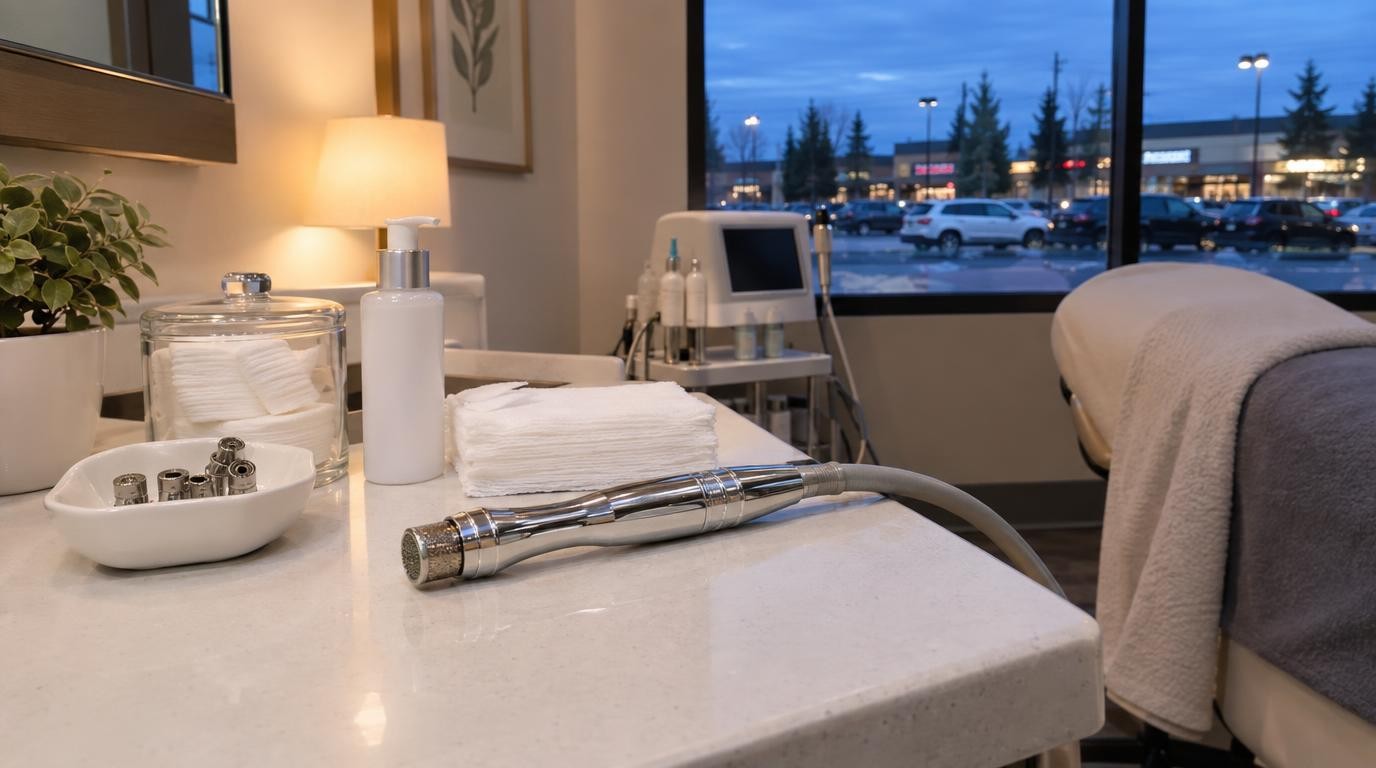
Cleveland Clinic says treatment usually lasts about 30 to 40 minutes, although your appointment may include additional time for assessment and instructions. Afterward, follow your clinician’s advice about gentle skin care, sun protection and when to resume potentially irritating products.
If you are planning a first appointment, our guide to preparing for a first microdermabrasion treatment offers more questions to bring to your consultation.
How Does Microdermabrasion Compare With a Chemical Peel?
Microdermabrasion exfoliates mechanically, while a chemical peel uses a solution to exfoliate skin. Both may address some surface-level concerns, but their effects vary with the technique, product and individual skin response. The better choice depends on the concern being treated and how much sensitivity or recovery your skin can tolerate.
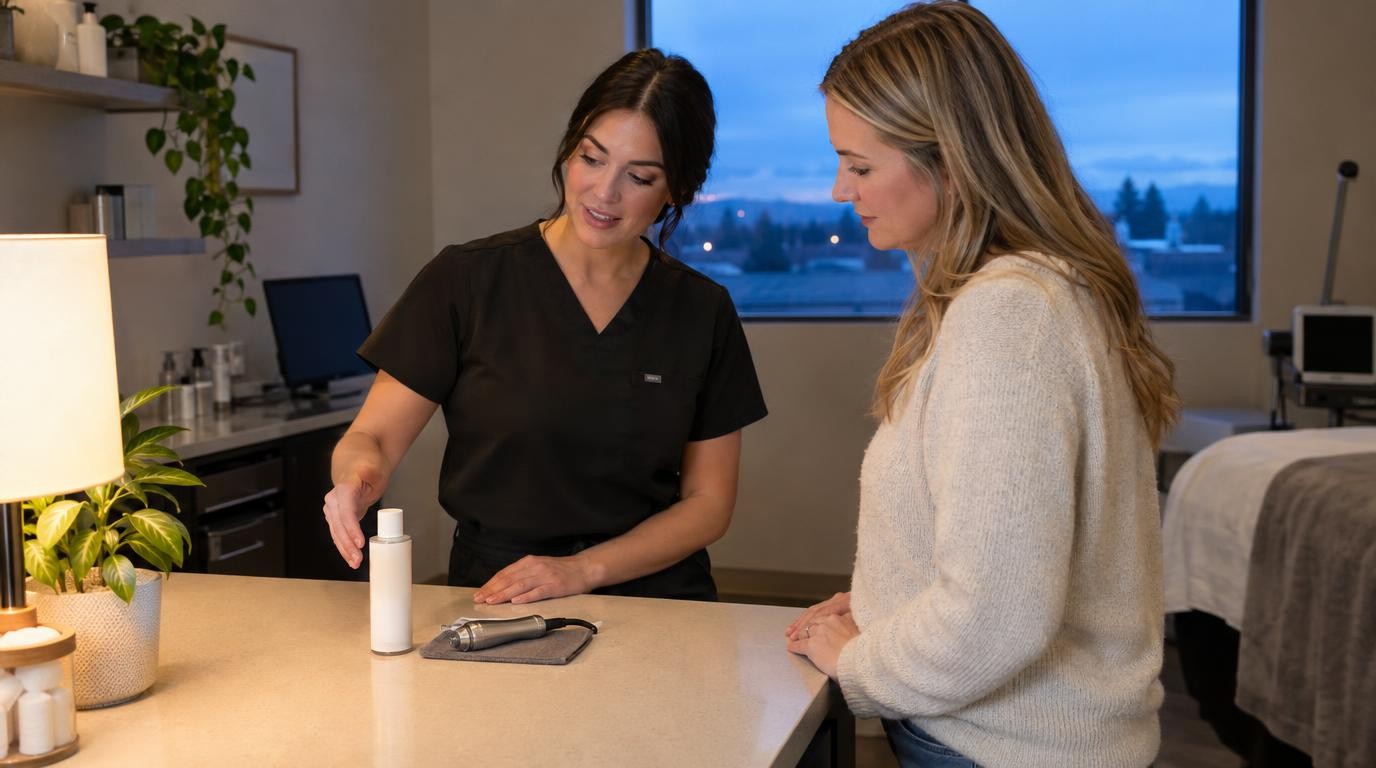
A comparison starts with the goal, not the assumption that one method is stronger or better for everyone. Someone seeking a smoother feel may consider a microderm facial; someone with a particular pigment or acne concern may benefit from discussing a peel or another approach. At NW Laser, we can help you weigh the options without promising that either will remove a dark spot or scar.
For more background on the treatment’s evidence and limits, read this educational overview of microdermabrasion and skin renewal.
Is Microdermabrasion Right for Your Skin Goals?
Microdermabrasion may be a good fit when your goal is modest improvement in surface texture or dullness and your skin is ready for exfoliation. It is less likely to meet expectations for deep scars or persistent pigmentation. Contact NW Laser in Vancouver, Washington, for a consultation to discuss your skin, your goals and the treatment options that may suit you.
Frequently Asked Questions
What layer of skin does microdermabrasion treat?
Microdermabrasion treats the outermost layer of skin. A handpiece physically loosens surface cells, and suction removes them. Because the treatment stays near the surface, it may help mild roughness or dullness but is not designed to reach the deeper tissue involved in pronounced scars or some persistent discoloration.
How long does a microdermabrasion appointment take?
The treatment itself usually takes about 30 to 40 minutes. Your appointment may take longer if it includes a skin assessment and aftercare guidance. Before the handpiece is used, your clinician can review your goals and explain what changes are realistic for the areas you want treated.
How soon might my skin look smoother after microdermabrasion?
Your skin may look or feel smoother after microdermabrasion, but there is no guaranteed timeline or degree of improvement. The treatment removes surface cells, so changes are generally modest and depend on your skin and the concern being treated. Ask your clinician what a realistic result would look like for you.
Will microdermabrasion remove acne scars or dark spots?
Microdermabrasion is unlikely to remove deep acne scars or reliably clear persistent dark spots. It exfoliates the surface, which may soften the appearance of minor texture or tone differences. Because discoloration can have different causes, a clinician should assess the marks before recommending microdermabrasion or another treatment.
How much recovery time should I plan after microdermabrasion?
You may have temporary redness or sensitivity after microdermabrasion, sometimes lasting up to 24 hours. Ask your clinician when to resume products that might irritate freshly exfoliated skin. Gentle skin care and sun protection are important afterward; follow the specific aftercare instructions you receive rather than exfoliating again at home.
What should I tell my clinician before scheduling microdermabrasion?
Tell your clinician about your current skin condition, sensitivity, prescription skin products and recent cosmetic treatments. Mention recurring cold sores or conditions such as rosacea, eczema or psoriasis. These details help them decide whether surface exfoliation fits your goals, whether to adjust the approach or whether to wait until your skin is calmer.
Why might a chemical peel be suggested instead of microdermabrasion?
A clinician may suggest discussing a chemical peel if your goals involve a concern that surface-level mechanical exfoliation may not address. Microdermabrasion uses a handpiece, while a peel uses an exfoliating solution. Neither is automatically better: the choice depends on your skin, the cause of the concern and your tolerance for sensitivity or recovery.
This article is general information and is not medical advice. Talk to a licensed clinician about your own situation before making a treatment decision.
