

Last updated: April 29, 2026
If you have been researching ways to reduce stubborn fat without surgery, you have likely encountered the term “laser weight loss.” With dozens of devices and bold marketing claims available in 2026, separating fact from hype is essential. This article provides a medically grounded overview of laser-based fat reduction technologies, realistic expectations, and how these treatments fit within a comprehensive body contouring plan.
What Is Laser Weight Loss and How Does It Actually Work?
Laser weight loss is an umbrella term for treatments that use laser energy to reduce localized fat deposits. These treatments fall into three main categories: low-level laser therapy (LLLT), minimally invasive laser lipolysis, and surgical laser-assisted liposuction. Each approach uses a different intensity and delivery method to disrupt fat cells, but none replaces traditional weight loss through diet and exercise.
Low-level laser therapy uses external pads placed on the skin to emit cold laser energy. The theory behind LLLT is that the laser creates temporary pores in fat cell membranes, allowing stored lipids to leak out. The body then processes these lipids through the lymphatic system. This approach requires no incisions and involves no downtime.
Laser lipolysis, by contrast, uses a thin fiber-optic probe inserted beneath the skin to deliver thermal laser energy directly to fat tissue. The heat liquefies fat cells, which the body absorbs and eliminates over weeks. Some devices also stimulate collagen production in surrounding tissue, offering a mild skin-tightening benefit.
Surgical laser-assisted liposuction combines laser energy with traditional suction-based fat removal. This approach is performed under anesthesia and is considered a surgical procedure with a longer recovery period but more dramatic results.
What Is the Difference Between Cold Laser Therapy and Laser Lipolysis?
Cold laser therapy and laser lipolysis are frequently confused, but they differ significantly in mechanism, invasiveness, and results. Understanding these differences helps patients choose the right option for their goals.
The following table summarizes the key distinctions between these two approaches:
| Feature | Cold Laser Therapy (LLLT) | Laser Lipolysis |
|---|---|---|
| Delivery Method | External pads on the skin | Fiber-optic probe inserted under the skin |
| Invasiveness | Completely non-invasive | Minimally invasive (small incision) |
| Anesthesia | None required | Local anesthesia |
| Examples | Zerona, Erchonia lasers | SmartLipo, SlimLipo |
| Mechanism | Disrupts fat cell membranes temporarily | Thermally destroys fat cells |
| Downtime | None | Several days to one week |
| Skin Tightening | No | Mild, due to collagen stimulation |
Which Laser Body Contouring Devices Are FDA-Cleared?
Several laser-based devices have received FDA clearance for body contouring applications. Importantly, the FDA typically clears these devices for “circumferential reduction” or “fat disruption” rather than “weight loss” – a regulatory distinction that reflects their intended use.
- Zerona Z6 (Erchonia): FDA-cleared for non-invasive circumferential reduction of the waist, hips, and thighs using low-level laser energy
- SmartLipo (Cynosure): FDA-cleared for laser-assisted lipolysis, a minimally invasive procedure for fat reduction with concurrent skin tightening
- SculpSure (Cynosure): FDA-cleared for non-invasive reduction of fat in the abdomen, flanks, back, inner thighs, and chin using hyperthermic laser energy
Patients should verify that any device used during treatment holds current FDA clearance and is operated by trained, credentialed personnel.
Does Laser Fat Removal Really Help You Lose Weight?
Laser fat removal treatments reduce localized fat deposits but do not produce meaningful weight loss on a scale. These procedures are body contouring tools designed to improve shape and reduce inches in targeted areas. Patients typically lose fractions of an inch to a few inches in circumference rather than significant pounds, making candidacy and realistic expectations essential.
The confusion between fat reduction and weight loss is one of the most persistent misconceptions in this field. Fat is lightweight relative to its volume, so even when a treatment successfully eliminates fat cells in the abdomen or flanks, the corresponding change in body weight is minimal. A patient might lose one to two inches around the waist while the scale moves very little.
In clinical practice, the most satisfied patients are those who understand this distinction before starting treatment. Laser fat reduction works best as a complement to a healthy lifestyle, not as a substitute for it.
How Much Fat Can Laser Treatments Actually Remove?
Results vary by technology and individual factors. Non-invasive LLLT treatments such as Zerona have reported average cumulative circumferential reductions of approximately 3.5 inches across the waist, hips, and thighs over a standard six-session course, based on the manufacturer’s clinical data. Hyperthermic laser treatments like SculpSure report up to 24 percent reduction in fat layer thickness in the treated area per session.
Minimally invasive laser lipolysis can remove larger volumes of fat in a single session, though results depend on the treatment area and the amount of fat targeted. Measurable results on imaging and circumference tape do not always translate to dramatic visible changes, especially in patients with higher overall body fat percentages.
Who Is an Ideal Candidate for Laser Body Contouring?
The best candidates for laser body contouring are adults who are near their goal weight – generally within 10 to 20 pounds – and have stubborn pockets of fat that resist diet and exercise. A body mass index (BMI) under 30 is typically recommended for non-invasive laser treatments, though candidacy is assessed on a case-by-case basis.
Factors that support good results include:
- Stable body weight maintained for at least three months
- Good skin elasticity in the treatment area
- Realistic expectations about the degree of change
- Commitment to maintaining results through healthy habits
Patients with significant weight to lose, loose or redundant skin, or medical conditions affecting healing may benefit more from surgical options or should address weight loss before pursuing contouring treatments.
How Does Laser Fat Reduction Compare to Other Non-Invasive Body Contouring Options?
Laser fat reduction is one of several non-invasive body contouring technologies available in 2026, each using a different energy source to reduce fat. Cryolipolysis (CoolSculpting), radiofrequency devices, injectable fat dissolvers, and ultrasound-based systems all compete in this space, with differences in mechanism, treatment experience, and results timelines.
The table below provides a general comparison of the most widely available non-invasive fat reduction modalities:
| Technology | Mechanism | Sessions Needed | Results Timeline |
|---|---|---|---|
| Laser (LLLT/SculpSure) | Laser energy disrupts or heats fat cells | 1 to 6+ | 6 to 12 weeks |
| CoolSculpting | Controlled cooling freezes fat cells | 1 to 3 | 8 to 12 weeks |
| Radiofrequency (truSculpt, Vanquish) | RF energy heats and destroys fat cells | 2 to 4 | 6 to 12 weeks |
| Kybella (injectable) | Deoxycholic acid dissolves fat cells | 2 to 6 | 4 to 6 weeks per session |
| Ultrasound (UltraShape) | Focused ultrasound disrupts fat cells | 3 | 6 to 12 weeks |
Is Laser Body Sculpting Better Than CoolSculpting?
Neither laser body sculpting nor CoolSculpting is categorically superior. The best choice depends on the patient’s anatomy, treatment goals, tolerance for discomfort, and the specific areas being treated. CoolSculpting uses controlled cooling to crystallize fat cells, while laser treatments use heat energy to disrupt them. Both approaches result in gradual fat cell elimination over weeks.
CoolSculpting sessions typically last 35 to 60 minutes per applicator and may cause temporary numbness and pulling sensations. Laser treatments like SculpSure take approximately 25 minutes per area and produce a warming sensation. Both technologies require no downtime, and results appear over similar timeframes. A board-certified provider can evaluate which approach best suits a patient’s specific anatomy and goals.
When Should You Consider Surgical Liposuction Instead of Laser Treatments?
Non-invasive laser treatments have limits. Patients seeking more dramatic fat volume reduction, those with larger areas to treat, or individuals with moderate skin laxity often achieve better outcomes with surgical liposuction or laser-assisted liposuction. Surgical options allow physicians to remove substantially more fat in a single session and to sculpt the body with greater precision.
Surgical liposuction may be the more appropriate recommendation when a patient has a BMI above 30, wants visible change in a large area, or has concerns about skin retraction. A comprehensive evaluation at a plastic surgery practice offering both non-surgical and surgical body contouring ensures that patients receive the most effective treatment for their individual needs.
What Should You Expect During and After a Laser Fat Reduction Treatment?
Laser fat reduction treatments begin with a consultation to assess candidacy, discuss goals, and select the appropriate technology. Non-invasive sessions typically last 20 to 40 minutes per treatment area, require no anesthesia, and allow patients to return to normal activities immediately. Minimally invasive laser lipolysis involves local anesthesia, takes one to two hours, and requires several days of light activity restrictions.
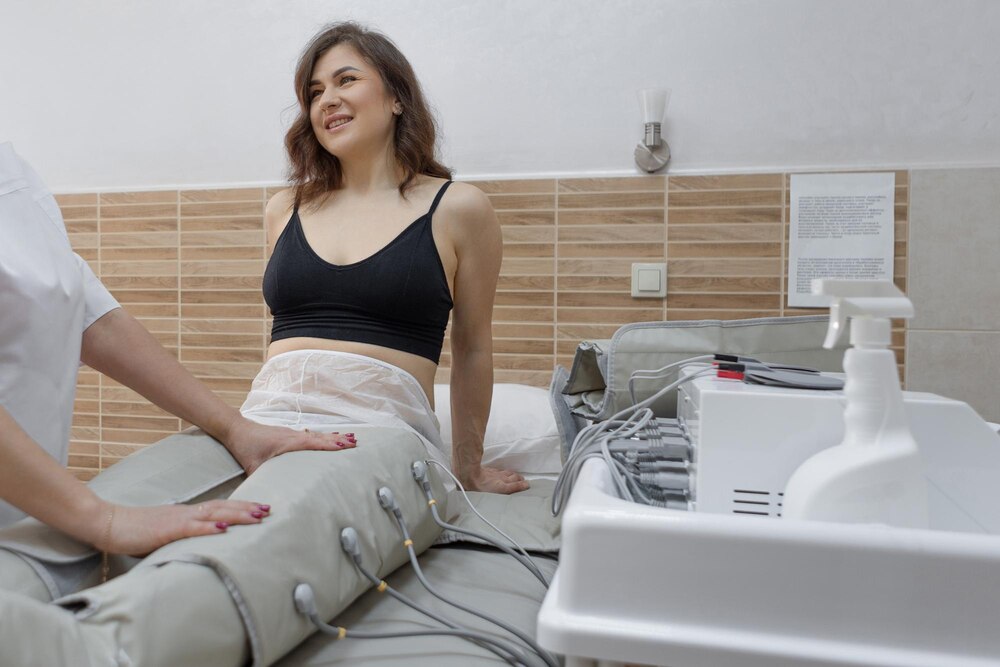
During a non-invasive session, patients lie comfortably while applicators or pads are positioned on the treatment area. Sensations range from mild warmth to tingling depending on the device. After treatment, the area may feel warm or slightly tender for a few hours. Drinking adequate water and engaging in light physical activity can support the lymphatic drainage process that helps the body eliminate disrupted fat cells.
Spring is a popular time for body contouring consultations, as many patients seek visible improvements before summer. Starting treatments in April or May allows sufficient time for full results to develop before peak warm-weather months.
How Many Laser Body Contouring Sessions Are Typically Needed?
The number of sessions varies significantly by technology and the amount of fat being addressed:
- Low-level laser therapy (LLLT): Typically requires 6 to 12 sessions, often scheduled two to three times per week
- Hyperthermic laser treatments (SculpSure): Often requires 1 to 2 sessions per area, spaced 6 weeks apart
- Minimally invasive laser lipolysis (SmartLipo): Usually completed in 1 session per area
Factors that influence session count include the size of the treatment area, the thickness of the fat layer, and the patient’s individual response to treatment.
Are There Side Effects or Risks from Laser Fat Removal?
Non-invasive laser fat reduction carries a favorable safety profile. Common side effects are mild and temporary, including redness, warmth, mild swelling, and tenderness at the treatment site. These effects typically resolve within hours to a few days.
Minimally invasive laser lipolysis carries additional risks associated with any procedure involving incisions, including bruising, numbness, infection, and uneven contour. These risks are low when the procedure is performed by a board-certified surgeon in an accredited facility. Rare complications from non-invasive treatments include prolonged discomfort or paradoxical fat responses, though these are uncommon with laser-based modalities.
How Much Does Laser Weight Loss Treatment Cost in 2026?
Laser weight loss treatment costs in 2026 range from approximately $150 to $500 per session for non-invasive options and $2,500 to $5,000 or more per area for minimally invasive laser lipolysis. Total treatment investment depends on the technology, the number of sessions required, and the number of areas treated. These procedures are considered elective and are not covered by health insurance.
A full course of LLLT may total $900 to $6,000 depending on the number of sessions. Hyperthermic laser treatments like SculpSure typically cost $1,000 to $1,500 per treatment area per session. Patients should ask about package pricing, which many practices offer to reduce the per-session cost.
What Factors Affect the Cost of Laser Body Contouring?
Several variables influence the total cost of laser body contouring:
- Technology used: FDA-cleared devices with stronger clinical evidence may command higher pricing
- Number of treatment areas: Treating the abdomen alone costs less than treating the abdomen, flanks, and thighs
- Geographic location: Prices tend to be higher in metropolitan areas and regions with a higher cost of living
- Provider credentials: Board-certified plastic surgeons and their affiliated med spas may charge more, reflecting the higher standard of medical oversight
- Single session versus package pricing: Bundled treatment courses are often offered at a discount
Can Laser Treatments Help After Major Weight Loss or GLP-1 Medication Use?
Laser body contouring treatments can address small residual fat pockets after major weight loss, including weight loss achieved through GLP-1 receptor agonist medications such as semaglutide (Ozempic, Wegovy) and tirzepatide (Mounjaro). However, laser treatments alone are generally insufficient for the loose, excess skin that commonly follows significant weight reduction. Surgical body contouring remains the standard for addressing substantial skin laxity.
According to industry reporting from Orlando Health, approximately 20 percent of body contouring patients in recent years have been individuals who lost weight using GLP-1 medications. This trend has driven increased demand for combination treatment plans that address both residual fat and skin redundancy.
Non-invasive laser treatments may play a supporting role for post-weight-loss patients who have good skin quality and only small areas of stubborn fat. For patients with moderate to severe skin laxity, however, surgical procedures such as abdominoplasty, arm lifts, or body lifts deliver more meaningful results.
What Body Contouring Options Work Best After GLP-1 Weight Loss?
The optimal body contouring plan after GLP-1-assisted weight loss depends on the amount of excess skin and the distribution of remaining fat. Options typically include:
- Skin tightening devices: Radiofrequency microneedling (e.g., Morpheus8) and ultrasound-based skin tightening can improve mild laxity
- Non-invasive laser fat reduction: Suitable for small, isolated fat deposits when skin quality is adequate
- Surgical body contouring: Tummy tucks, body lifts, and arm lifts address significant skin excess that no non-invasive device can correct
- Combination approaches: Many post-GLP-1 patients benefit from surgical skin removal followed by non-invasive treatments for refinement
A comprehensive consultation at a practice that offers both surgical and non-surgical aesthetic treatments is the most effective way to develop a personalized plan.
Why Is Choosing a Board-Certified Provider Important for Laser Fat Reduction?
Choosing a board-certified provider for laser fat reduction ensures that treatments are performed under proper medical oversight with appropriate patient screening and safety protocols. Board-certified plastic surgeons and their supervised clinical teams have the training to evaluate candidacy accurately, manage complications if they arise, and recommend alternative approaches when laser treatments are not the best fit for a patient’s goals.
Non-medical facilities such as day spas or wellness centers may offer laser body contouring devices, but they often lack the medical evaluation process that identifies contraindications or sets realistic expectations. A pre-treatment assessment should include a review of medical history, current medications, body composition, and skin quality.
Over the past decade, the proliferation of body contouring devices in non-medical settings has led to increased reports of patient dissatisfaction, primarily due to unrealistic expectations set at the point of sale rather than in a clinical consultation. A medical practice with both surgical and non-surgical capabilities can pivot treatment recommendations based on what the evaluation reveals.
What Questions Should You Ask at a Laser Body Contouring Consultation?
Arriving at a consultation with prepared questions helps patients make informed decisions. Consider asking:
- What are your credentials, and is this practice overseen by a board-certified surgeon?
- Which specific device will be used, and is it FDA-cleared for this indication?
- How many treatments will I need, and what is the total estimated cost?
- What realistic results can I expect based on my anatomy?
- Can I see before-and-after photos of patients with a similar body type?
- What happens if I am not satisfied with the results?
- Would a different treatment – surgical or non-surgical – produce better results for my goals?
Frequently Asked Questions About Laser Weight Loss
Is Laser Weight Loss Permanent?
Fat cells destroyed or permanently disrupted by laser treatments do not regenerate. However, remaining fat cells in the treated area and throughout the body can enlarge if a patient gains weight after treatment. Maintaining results requires a stable weight through consistent nutrition and physical activity. Laser fat reduction is best viewed as a long-lasting refinement rather than a permanent fix independent of lifestyle.
Can You Lose Belly Fat with Laser Treatments?
The abdomen is one of the most frequently treated areas with laser body contouring devices. Both non-invasive and minimally invasive laser treatments can reduce abdominal fat, though the degree of reduction is modest compared to surgical liposuction. Patients with a small, pinchable layer of belly fat and good skin elasticity tend to see the most satisfying results. Those with larger abdominal fat deposits or significant skin laxity may need a surgical approach.
How Long Does It Take to See Results from Laser Body Contouring?
Initial changes may become noticeable within two to four weeks as the body begins processing disrupted fat cells. Final results typically appear at eight to twelve weeks following the last treatment session. The timeline depends on the specific technology used, the body’s lymphatic efficiency, and how much fat was treated. Patients are advised to wait the full results window before evaluating the outcome.
Are Laser Weight Loss Treatments Painful?
Most non-invasive laser treatments produce minimal discomfort. LLLT sessions are generally painless, with patients feeling only mild warmth or no sensation at all. Hyperthermic laser treatments like SculpSure create a deep warming sensation that alternates with cooling pulses, which most patients tolerate well. Minimally invasive laser lipolysis is performed under local anesthesia, so patients may feel pressure but not sharp pain during the procedure.
Can Laser Fat Reduction Tighten Loose Skin?
Non-invasive LLLT devices do not produce a skin-tightening effect. Some minimally invasive laser lipolysis devices, such as SmartLipo, deliver thermal energy that stimulates collagen remodeling in the treatment area, resulting in mild to moderate skin tightening. This effect is not equivalent to a surgical lift and is most noticeable in patients with mild skin laxity. Patients with significant loose skin after weight loss should discuss dedicated skin tightening treatments or surgical options with their provider.
What Is the Best Next Step If You Are Considering Laser Body Contouring?
Laser weight loss treatments are body contouring tools – not weight loss solutions. They work best for adults near their goal weight who want to reduce stubborn, localized fat deposits that resist diet and exercise. Results depend on the technology selected, individual anatomy, and realistic expectations established during consultation.
The most important step is a personalized evaluation with a board-certified provider who can assess candidacy, recommend the most appropriate technology, and explain what results are achievable. Whether the right path involves non-invasive laser treatments, minimally invasive laser lipolysis, or surgical body contouring, an informed consultation ensures the treatment plan matches the patient’s goals.
If you are exploring laser body contouring options this spring, scheduling a consultation at NW Laser allows you to discuss your goals with experienced professionals who offer a full range of surgical and non-surgical body contouring services.
Frequently Asked Questions
Does laser weight loss actually help you lose weight?
Laser weight loss treatments reduce localized fat deposits but do not produce meaningful weight loss on a scale. These procedures are body contouring tools designed to improve shape and reduce inches in targeted areas. A patient might lose one to two inches around the waist while the scale barely changes, because fat is lightweight relative to its volume. Results are best viewed as a refinement of body shape rather than a weight loss method.
How long does it take to see results from laser fat removal?
Initial changes from laser fat removal may become noticeable within two to four weeks as the body begins processing disrupted fat cells. Final results typically appear at eight to twelve weeks following the last treatment session. The timeline depends on the specific technology used, the body’s lymphatic efficiency, and the volume of fat treated. Patients should wait the full results window before evaluating their outcome.
How much does laser body contouring cost in 2026?
Non-invasive laser body contouring costs approximately $150 to $500 per session in 2026, while minimally invasive laser lipolysis ranges from $2,500 to $5,000 or more per area. A full course of low-level laser therapy may total $900 to $6,000 depending on session count. These procedures are considered elective and are not covered by health insurance. Many practices offer package pricing to reduce per-session costs.
Is laser fat reduction permanent?
Fat cells destroyed or permanently disrupted by laser treatments do not regenerate. However, remaining fat cells in the treated area and throughout the body can enlarge if a patient gains weight after treatment. Maintaining results requires a stable weight through consistent nutrition and physical activity. Laser fat reduction is best viewed as a long-lasting refinement rather than a permanent fix independent of lifestyle choices.
Who is a good candidate for laser body contouring?
The best candidates for laser body contouring are adults within 10 to 20 pounds of their goal weight who have stubborn fat pockets resistant to diet and exercise. A body mass index under 30 is typically recommended for non-invasive laser treatments. Good skin elasticity, a stable weight maintained for at least three months, and realistic expectations about the degree of change all support favorable outcomes.
What is the difference between laser fat removal and CoolSculpting?
Laser fat removal uses heat energy to disrupt or destroy fat cells, while CoolSculpting uses controlled cooling to crystallize them. Both approaches result in gradual fat cell elimination over six to twelve weeks and require no downtime. Laser treatments like SculpSure take approximately 25 minutes per area, while CoolSculpting sessions last 35 to 60 minutes per applicator. A board-certified provider can recommend which technology best suits a patient’s anatomy and goals.
Can laser treatments help with loose skin after major weight loss?
Non-invasive laser fat reduction devices do not meaningfully tighten loose skin. Some minimally invasive laser lipolysis devices like SmartLipo offer mild skin tightening through collagen stimulation, but this effect is limited to patients with only mild laxity. Patients with moderate to severe loose skin after major weight loss – including weight loss from GLP-1 medications – typically need surgical body contouring procedures such as abdominoplasty or body lifts for meaningful improvement.
