

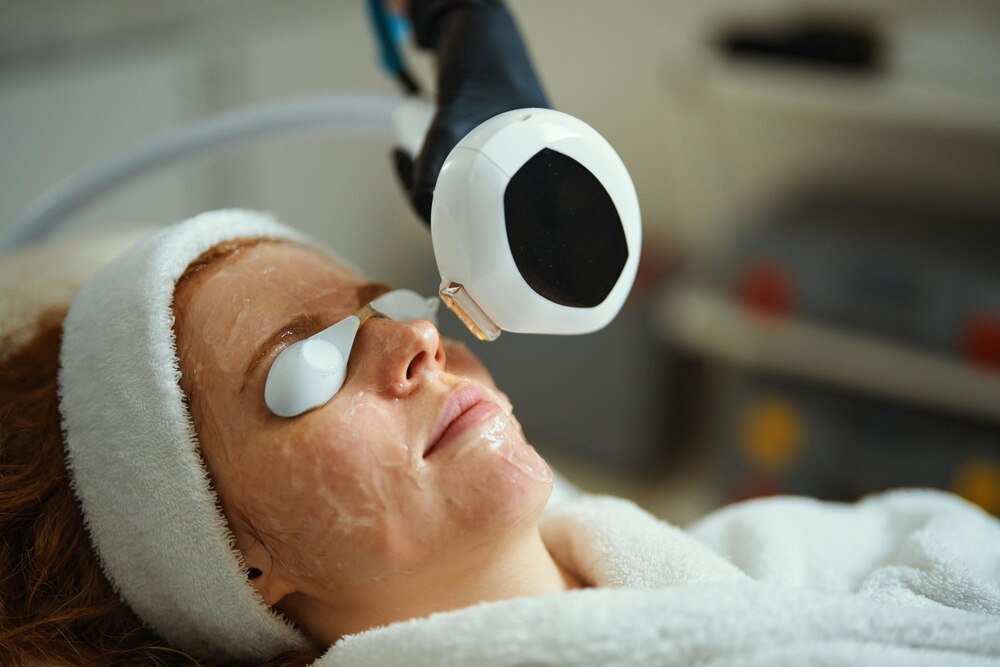
Recent data shows an unprecedented 118% surge in searches for laser treatment information since February 2024, reflecting growing public interest in these transformative procedures. Whether you’re considering laser therapy for acne scars, pigmentation, aging concerns, or other skin conditions, understanding realistic timelines and outcomes is essential for making informed decisions. This comprehensive guide addresses the most pressing questions about laser treatment results, providing evidence-based insights for every skin type and condition.
Understanding How Laser Treatments Work and Why Results Vary
Laser treatments work by delivering concentrated light energy to specific targets in the skin, whether that’s melanin for pigmentation, hemoglobin for vascular lesions, or water for resurfacing procedures. This targeted energy creates controlled damage that stimulates your body’s natural healing response, leading to collagen production, cell turnover, and gradual improvement in skin texture and appearance.
The effectiveness of laser treatments depends on multiple interconnected factors that make each patient’s journey unique. Understanding these variables helps explain why some patients see dramatic improvements after just a few sessions while others require more extensive treatment protocols to achieve their desired outcomes.
Key Factors That Influence Your Results
Your skin type plays a fundamental role in determining both treatment parameters and expected outcomes. The Fitzpatrick scale, which classifies skin into six types based on melanin content and sun sensitivity, guides practitioners in selecting appropriate laser settings. Darker skin types require modified protocols to minimize the risk of post-inflammatory hyperpigmentation, while lighter skin types may respond more quickly to certain wavelengths.
Condition severity significantly impacts treatment timelines and final results. Superficial concerns like fine lines or mild pigmentation typically respond faster than deep acne scars or extensive melasma. The depth of the target tissue, the extent of damage, and how long the condition has been present all influence the number of sessions required and the degree of improvement achievable.
Individual healing response varies considerably between patients due to factors including age, overall health, genetics, and lifestyle habits. Younger patients with robust collagen production often see faster results, while those with compromised healing or certain medical conditions may experience slower improvement. Smoking, sun exposure, and inadequate post-treatment care can all diminish results.
The Difference Between Professional Lasers and Home Devices
Professional medical-grade lasers operate at significantly higher power levels than consumer devices, allowing deeper penetration and more dramatic results. Clinical lasers can deliver energy densities ranging from 10 to over 100 joules per square centimeter, while home devices typically operate below 5 joules for safety reasons. This power differential translates directly to treatment efficacy.
The depth of penetration achievable with professional equipment enables treatment of deeper skin structures that home devices cannot reach. Medical lasers can target specific chromophores at various depths, from superficial pigmentation to deep dermal remodeling, while consumer devices primarily affect only the most superficial layers of the epidermis.
Professional treatments also benefit from customizable parameters that trained practitioners adjust based on individual skin response, ensuring optimal results while minimizing risks. Home devices use preset settings that cannot account for individual variations in skin type, condition severity, or treatment response.
Real Treatment Timelines: When You’ll See Results by Condition
Understanding realistic timelines for specific conditions helps set appropriate expectations and prevents disappointment during the treatment journey. While individual results vary, clinical data provides reliable benchmarks for typical improvement patterns across different concerns.
Acne Scar Treatment Results Timeline
Acne scar improvement follows a predictable pattern that requires patience and commitment. Research shows that 75% of patients report significant improvement in scar appearance after laser therapy, with mean satisfaction scores reaching 8.4 out of 10. However, these impressive results don’t happen overnight.
Most patients require between 3 to 6 treatment sessions spaced 4 to 6 weeks apart for optimal results. Initial improvements typically become visible within 3 to 6 months as collagen remodeling begins, with continued enhancement over the following months. The most dramatic results usually appear between 6 to 9 months post-treatment, when the full effects of collagen stimulation and tissue remodeling become apparent.
Different scar types respond at varying rates. Ice pick scars often require more aggressive treatment and longer timelines, while rolling scars and boxcar scars may show improvement more quickly. The combination of multiple laser modalities often accelerates results compared to single-laser approaches.
Pigmentation and Melasma Results
Treating pigmentation disorders presents unique challenges, particularly for melasma. Studies indicate that melasma recurrence rates reach 81% when laser therapy is used as monotherapy, highlighting the importance of combination treatments and realistic expectations.
Initial lightening of pigmented lesions may occur within 1 to 2 weeks following treatment, but multiple sessions are typically required for substantial improvement. Sun spots and age spots often respond well to 1 to 3 treatments, while melasma may require 4 to 6 sessions or more, combined with topical therapies and strict sun protection protocols.
Long-term management is crucial for maintaining results, especially with melasma. Patients must commit to ongoing sun protection, maintenance treatments, and often adjunctive topical therapies to prevent recurrence and preserve improvements achieved through laser treatment.
Anti-Aging and Skin Texture Improvements
The newer generation of lasers designed for anti-aging, including MOXI and Forever Young BBL, has seen a 27% increase in clinical usage due to their ability to deliver gradual, natural improvements with minimal downtime. These treatments work by stimulating collagen production and improving overall skin quality rather than creating dramatic, immediate changes.
Patients typically notice initial improvements in skin texture and tone within 2 to 4 weeks after their first treatment. Fine lines may begin softening after 1 to 2 sessions, while deeper wrinkles and more significant textural concerns require 3 to 5 treatments for noticeable improvement. The full anti-aging benefits continue developing for up to 6 months post-treatment as collagen remodeling progresses.
Maintenance treatments every 6 to 12 months help preserve and enhance results, with many patients reporting cumulative improvements over time. The gradual nature of these treatments makes them ideal for patients seeking subtle, natural-looking rejuvenation without extended recovery periods.
Rosacea and Vascular Lesion Outcomes
Vascular conditions often show some of the most rapid and dramatic responses to laser treatment. Spider veins and broken capillaries may disappear immediately or within days following treatment, though multiple sessions are often needed for complete clearance. Larger vessels and more extensive vascular networks typically require 2 to 4 treatments for optimal results.
Rosacea patients usually experience significant improvement in facial redness and flushing after 3 to 5 treatments, with many reporting sustained improvement for 6 to 12 months or longer with proper maintenance. The reduction in baseline redness and decreased frequency of flare-ups can dramatically improve quality of life for rosacea sufferers.
Results for Different Skin Types: What the Research Shows
One of the most significant gaps in available information concerns laser treatment outcomes for diverse skin types. Understanding how melanin content affects treatment response is crucial for setting realistic expectations and achieving safe, effective results across all skin tones.
Fitzpatrick Skin Types I-III Results
Lighter skin types generally have more flexibility in laser selection and treatment parameters, often allowing for more aggressive settings and faster results. These skin types typically show excellent response rates to a wide variety of laser wavelengths, with lower risk of post-inflammatory hyperpigmentation.
Common side effects for Types I-III include temporary redness lasting 2 to 48 hours, mild swelling that resolves within 1 to 3 days, and occasional mild crusting or peeling. These skin types can often tolerate more frequent treatments and higher energy settings, potentially accelerating their treatment timeline compared to darker skin types.
Fitzpatrick Skin Types IV-VI Results
Darker skin types require specialized treatment approaches to minimize complications while still achieving meaningful results. Medical literature emphasizes that patient education should set the expectation that improvement of hypermelanosis is slow and recurrences are common in these skin types.
Post-inflammatory hyperpigmentation remains the primary concern, occurring in up to 30% of darker-skinned patients even with appropriate precautions. Modified treatment protocols using longer wavelengths, lower fluences, and extended cooling times help minimize this risk while still delivering results. Treatment intervals may need to be extended to 6 to 8 weeks to allow complete healing between sessions.
Success rates for Types IV-VI can match those of lighter skin types when appropriate lasers and protocols are used. Nd:YAG lasers at 1064nm wavelength are particularly safe and effective for darker skin, though results may develop more gradually than with other laser types.
Why Some Skin Types Need Different Laser Settings
Melanin absorption varies significantly across different wavelengths of light, with darker skin absorbing more energy at certain wavelengths. This increased absorption can lead to unwanted heating of the epidermis, potentially causing burns, hyperpigmentation, or hypopigmentation if not properly managed through adjusted treatment parameters.
Longer wavelengths penetrate deeper and are less absorbed by epidermal melanin, making them safer for darker skin types. Pulse duration also plays a critical role – longer pulse durations allow heat to dissipate more effectively, reducing the risk of thermal damage to surrounding tissue while still achieving the desired therapeutic effect.
Why Your Skin Might Look Worse Before It Gets Better
Many patients experience initial concern when their skin appears worse in the days following laser treatment. This temporary worsening is often a normal part of the healing process and understanding what to expect can prevent unnecessary anxiety and ensure proper post-treatment care.
The Normal Healing Process After Laser Treatment
Days 1-3 typically involve redness, swelling, and a sensation similar to mild sunburn. Treated pigmented lesions often darken significantly, appearing more prominent than before treatment. This darkening indicates successful targeting of the pigment, which will gradually flake off over the following week.
Days 4-7 bring the peeling phase for many treatments, with dry, flaky skin that may appear patchy or uneven. Pigmented lesions begin to crust and slough off during this period. Some patients experience what appears to be a breakout, which is actually purging of debris from pores stimulated by the laser energy.
Weeks 2-4 mark the beginning of visible improvement for most patients, though skin may still appear slightly pink or sensitive. Collagen remodeling begins during this phase, though the full effects won’t be apparent for several months. Strict sun protection during this period is crucial to prevent new pigmentation from forming.
When to Be Concerned About Side Effects
While temporary side effects are normal, certain symptoms warrant immediate medical attention. Excessive pain that worsens rather than improves after 48 hours, blistering beyond mild surface bubbling, signs of infection such as yellow discharge or spreading redness, or any unusual color changes including gray or white patches require prompt evaluation.
Prolonged swelling lasting more than 5 days, severe itching accompanied by rash, or any reaction that seems disproportionate to the treatment performed should be reported to your provider. Early intervention can prevent minor complications from becoming permanent issues.
How Long Do Laser Treatment Results Actually Last?
The longevity of laser treatment results varies dramatically depending on the specific treatment, the condition being addressed, and individual factors. Understanding the distinction between permanent and temporary results helps in planning both initial treatment and long-term maintenance strategies.
Permanent vs. Temporary Results by Treatment Type
Some laser treatments offer essentially permanent results once the treatment series is complete. Hair removal, for instance, typically achieves 90% or greater permanent reduction after 6 to 8 sessions, with only occasional touch-ups needed. Scar revision results are also generally permanent, as the structural improvements to skin texture remain stable over time.
Other treatments provide long-lasting but not permanent improvements. Pigmentation removal may last years with proper sun protection but can recur with sun exposure or hormonal changes. Anti-aging treatments require ongoing maintenance as the natural aging process continues, though the improvements achieved create a better baseline moving forward.
Vascular treatments fall somewhere in between, with treated vessels typically remaining clear but new vessels potentially developing over time, especially in patients with underlying conditions like rosacea. Most patients find that maintenance treatments every 6 to 12 months keep vascular concerns well-controlled.
Maintenance Requirements for Lasting Results
Recent industry data shows that combination treatments can extend results by approximately 30% compared to laser monotherapy. This improvement comes from addressing multiple aspects of skin aging or damage simultaneously, creating synergistic effects that enhance and prolong outcomes.
Maintenance schedules vary by treatment type and individual response. Anti-aging treatments typically benefit from touch-ups every 6 to 12 months, while pigmentation may require annual treatments before summer months. Establishing a maintenance routine early helps preserve initial investments and prevents the need for more intensive retreatment later.
Maximizing Your Laser Treatment Results: The Latest Advances
The aesthetic industry continues evolving with new technologies and treatment combinations that enhance outcomes and patient satisfaction. Understanding these advances helps patients make informed decisions about their treatment plans.
Regenerative Aesthetic Combinations
The rise of regenerative aesthetic treatments marks a significant shift in laser therapy approaches. Polynucleotides, platelet-rich plasma (PRP), and exosomes are increasingly combined with traditional laser treatments to accelerate healing and enhance tissue regeneration. These biological enhancers work synergistically with laser-induced wound healing to amplify collagen production and improve overall results.
Clinical observations suggest that combining PRP with fractional laser treatments can reduce downtime by 30 to 50% while improving final outcomes. Exosome therapy, though still emerging, shows promise in enhancing post-laser healing and minimizing complications, particularly in patients prone to post-inflammatory hyperpigmentation.
Pre and Post-Treatment Care That Makes a Difference
Optimal results depend heavily on proper preparation and aftercare. Pre-treatment protocols including vitamin C supplementation, retinoid cessation, and sun avoidance for 2 to 4 weeks can significantly impact treatment success. Patients who follow comprehensive pre-treatment guidelines consistently report better outcomes and fewer complications.
Post-treatment care extends beyond the immediate healing period. A quality skincare routine incorporating growth factors, peptides, and appropriate sun protection helps maintain and enhance laser results. Avoiding harsh products, maintaining proper hydration, and following provider-specific guidelines ensures optimal healing and long-term success.
Setting Realistic Expectations: What 98.7% Patient Satisfaction Really Means
While laser treatments boast impressive satisfaction rates – with some procedures like LASIK achieving 98.7% patient satisfaction – understanding what these statistics mean for individual cases is crucial. High satisfaction doesn’t guarantee perfect results for everyone, and managing expectations remains key to positive treatment experiences.
Understanding Before and After Photos
When evaluating before and after photos, consider multiple factors that affect appearance. Lighting conditions, camera angles, and timing all influence how results appear in photographs. The most reliable galleries show multiple angles, consistent lighting, and clear timeline information indicating when photos were taken relative to treatment.
Look for galleries featuring patients with similar skin types and conditions to yours. Results can vary significantly between individuals, and what works dramatically for one person may produce more subtle improvements for another. Professional galleries should include a range of outcomes, not just the most dramatic transformations.
Questions to Ask Your Provider About Expected Results
Empowering yourself with the right questions ensures realistic expectations and optimal treatment planning. Ask about the typical number of sessions required for your specific condition and skin type, expected timeline for visible results, and potential variations in individual response. Inquire about the provider’s experience treating patients with similar concerns and skin types.
Request information about potential complications specific to your skin type, maintenance requirements for lasting results, and what happens if you’re not satisfied with initial outcomes. Understanding the full treatment journey, including best and worst-case scenarios, helps make informed decisions and prevents disappointment.
Conclusion: Your Next Steps Toward Optimal Laser Treatment Results
Laser treatment results depend on numerous factors including skin type, condition severity, treatment selection, and individual healing response. While satisfaction rates remain high across most laser procedures, success requires realistic expectations, proper treatment selection, and commitment to pre and post-treatment protocols. The key to optimal outcomes lies in working with experienced providers who can customize treatments to your unique needs and skin type.
As laser technology continues advancing with regenerative combinations and refined protocols for diverse skin types, more patients can achieve their aesthetic goals safely and effectively. Whether addressing acne scars, pigmentation, aging concerns, or vascular issues, understanding realistic timelines and expected outcomes empowers you to make informed decisions about your treatment journey. Schedule a consultation with a qualified provider to discuss your specific concerns and develop a personalized treatment plan tailored to deliver the best possible results for your unique situation.
