

Last updated: June 30, 2026
Laser treatments have become a cornerstone of modern aesthetic care, with many patients now weighing whether to purchase bundled multi-session packages instead of paying per visit. As search interest in laser procedures continues to climb in 2026, understanding how packages work, what they cost, and when to start them helps patients make informed decisions. This guide breaks down the value, safety, and seasonal timing of laser treatment packages.
What Are Laser Treatment Packages?
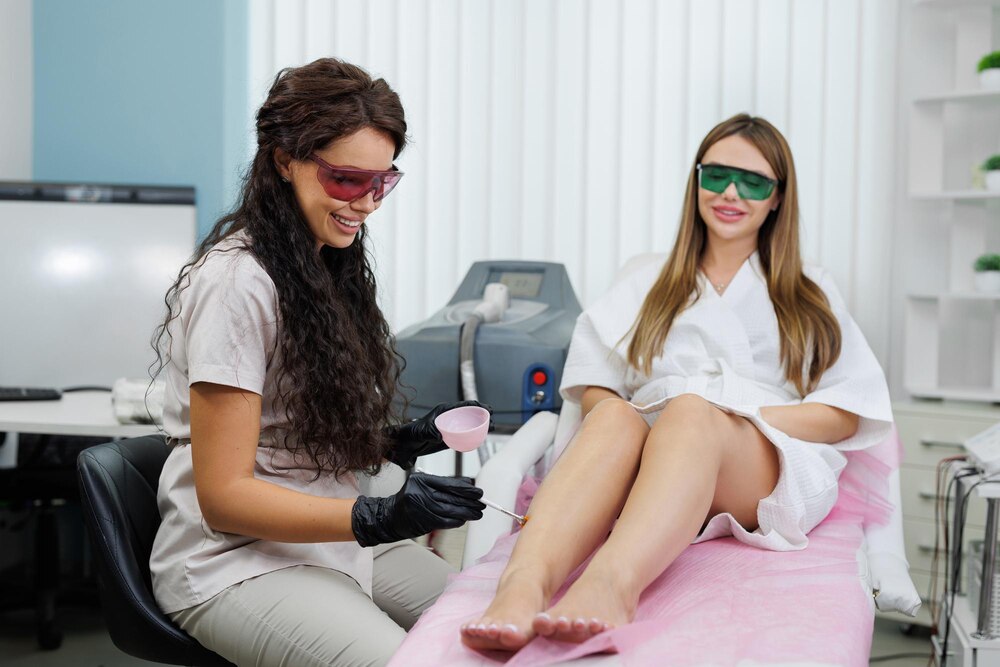
Laser treatment packages are bundled, prepaid sets of laser sessions for a single procedure or treatment area, such as a six-session laser hair removal series or a three-session skin resurfacing plan. Packages group the multiple sessions most laser treatments require into one purchase, often at a lower per-session price than individual bookings.
While individual laser procedures dominate online searches, the concept of bundled “packages” remains underrepresented in patient-facing content. Industry analyses of Google Trends data show that consumers commonly search for specific procedures and price modifiers, even though the multi-session nature of these treatments naturally lends itself to package purchasing.
Which Laser Procedures Are Commonly Offered as Packages?
The laser procedures most often sold as packages are those that require several sessions to achieve full results. These include treatments with consistent, stable demand across the aesthetic market.
- Laser hair removal: Typically the most commonly packaged procedure, given the multiple sessions needed for lasting reduction.
- Fractional CO2 laser resurfacing: A skin-resurfacing treatment with rising public interest in recent years.
- Laser facials: Often bundled to support cumulative skin rejuvenation.
- Skin rejuvenation and pigmentation treatments: Frequently offered as series for progressive improvement.
According to Google Trends product analyses, laser hair removal has maintained consistent interest over the past 12 months, reflecting a stable market for these bundled offerings.
How Do Packages Differ From Single Pay-Per-Session Treatments?
Packages bundle a fixed number of prepaid sessions into one purchase, usually at a discounted per-session rate, while pay-per-session treatments are booked and paid for individually. Packages encourage treatment-plan continuity, whereas single sessions offer flexibility without long-term financial commitment.
The trade-off centers on cost savings and consistency versus flexibility. Patients who commit to a package generally lock in a lower overall price and a structured treatment timeline. Those who pay per session retain freedom to stop or adjust their plan but may pay more per visit over the full course of treatment.
Why Do Laser Treatments Require Multiple Sessions?
Most laser treatments require multiple sessions because results depend on biological processes that unfold over time. Laser hair removal targets hair only during active growth phases, while skin resurfacing relies on a progressive collagen response. Several treatments spaced over weeks are needed to address the full treatment area effectively.
This clinical rationale is precisely why packages are relevant. Because a single session rarely delivers complete results, providers structure treatments into series, and packages align purchasing with the actual course of care that the procedure requires.
How Many Sessions of Laser Hair Removal Do You Typically Need?
Laser hair removal generally requires a series of sessions because hair grows in cycles, and the laser is most effective on hairs in the active growth phase. Most treatment plans involve multiple sessions spaced several weeks apart to target hairs as they progress through their growth cycles.
The exact number varies by individual factors such as hair color, hair thickness, skin type, and the body area being treated. A consultation with a qualified provider is the most reliable way to estimate the number of sessions appropriate for a specific patient and goal.
How Long Do Laser Resurfacing Results Last?
Laser resurfacing results can be long-lasting, but longevity depends on the treatment depth, skin condition, sun exposure, and ongoing skincare. Because resurfacing stimulates a progressive collagen response, results develop and continue over time, though aging and environmental factors gradually influence the skin afterward.
A 2025 peer-reviewed Google Trends analysis published through PubMed Central documented a 354% increase in search interest for fractional CO2 laser treatments over six years, reflecting growing public awareness of resurfacing outcomes and timelines. Setting realistic expectations during consultation helps patients plan maintenance appropriately.
Are Laser Treatment Packages Worth the Cost?
Laser treatment packages are often worth the cost for multi-session procedures because they typically offer per-session savings and ensure treatment-plan continuity. For procedures like hair removal and resurfacing that inherently require several sessions, prepaying as a bundle can reduce the total expense compared with booking each session separately.
Consumer search behavior reinforces strong cost and value intent. Retail trend analyses note that queries such as “price of laser hair removal” rose by approximately 170%, signaling that patients actively research value before committing. For those certain they need a full treatment series, packages convert that multi-session need into a more economical, structured plan.
How Much Do Laser Hair Removal Packages Cost?
Laser hair removal package costs vary widely based on the treatment area, the number of sessions included, geographic region, and provider type. Smaller areas cost less per package than full-body plans, and packages generally lower the per-session price compared with individual bookings.
Because pricing is highly variable, responsible providers offer transparent quotes during consultation rather than fixed universal rates. Some clinics also run periodic promotions; for example, discounted laser hair removal packages are sometimes offered at reduced rates. Patients should always confirm exactly which sessions and areas a package covers before purchasing.
Why Does Package Pricing Vary by Region and Provider?
Package pricing varies by region and provider because local market demand, cost of living, provider expertise, equipment quality, and clinic overhead all influence pricing. Urban markets with higher demand and operating costs often price laser packages differently than smaller regional providers.
This regional variation appears clearly in search data. Trend guidance has highlighted significant growth in location-specific queries, such as “laser hair removal Manhattan” rising approximately 120%, demonstrating that patients frequently pair procedure research with geography. Comparing several local providers helps patients understand the price range appropriate for their area.
When Is the Best Time to Start a Laser Treatment Package?
The best time to start a laser treatment package is often during cooler months or in advance of them, because reduced sun exposure supports safer laser skin and hair treatments. Beginning a package in summer 2026 allows patients to complete or progress through sessions as fall and winter approach, the peak laser season.
Peer-reviewed Google Trends data consistently shows winter peaks in laser skin treatment interest, yet few practices connect this seasonal pattern to package timing. Planning ahead aligns treatment with the seasons when sun avoidance is easier to maintain.
Why Is Fall and Winter Considered Laser Season?
Fall and winter are considered laser season because shorter days and less sun exposure reduce the risk of complications and support post-treatment skin care. Many laser treatments require patients to limit sun exposure before and after sessions, which is more practical during cooler months.
This pattern is reflected in search behavior. The 2025 fractional CO2 laser Google Trends analysis documented consistent seasonal peaks in winter months, indicating that public interest in laser skin treatments rises precisely when conditions favor them.
Should You Book a Summer Package to Prepare for Cooler Months?
Booking a laser package in summer can be a strategic choice, as it lets patients begin a treatment series and stay on schedule heading into fall and winter. Starting during summer 2026 positions patients to complete sessions before or during the peak laser season.
Because laser treatments are spaced weeks apart, beginning early ensures the full series progresses without delays. Summer planning also allows patients time to schedule a consultation, choose the right package, and take advantage of promotional timing before higher seasonal demand arrives.
Are Laser Treatment Packages Safe?
Laser treatment packages are generally safe when performed by qualified, trained providers using appropriate technology for the patient’s skin type. Safety depends on proper assessment, correct device settings, and adherence to pre- and post-treatment guidance, with risks varying by procedure and individual skin characteristics.
Industry data and health-related search behavior consistently show that patients prioritize safety information when researching laser treatments. A package itself does not change the safety profile of a procedure; what matters most is provider qualification and individualized treatment planning across each session in the series.
Who Is a Good Candidate for Laser Treatment Packages?
A good candidate for a laser treatment package is someone with treatment goals that require multiple sessions, realistic expectations, and a skin type suitable for the chosen laser. Candidacy is best determined through a professional consultation that evaluates skin tone, medical history, and treatment objectives.
For procedures like fractional CO2 laser resurfacing, suitability depends heavily on individual skin characteristics and goals. A qualified provider assesses these factors before recommending a multi-session plan, ensuring the package matches the patient’s needs rather than a generic protocol.
What Are the Potential Side Effects of Laser Treatments?
Common side effects of laser treatments are generally temporary and may include redness, swelling, mild discomfort, and skin sensitivity in the treated area. Skin resurfacing procedures can involve more pronounced, though typically short-term, effects such as peeling or temporary pigment changes.
The table below outlines typical, generally temporary side effects associated with two common laser procedures.
| Procedure | Common Temporary Side Effects |
|---|---|
| Laser hair removal | Redness, mild swelling, temporary skin sensitivity |
| Fractional CO2 laser resurfacing | Redness, swelling, peeling, temporary pigment changes |
Most side effects resolve on their own, but patients should always follow provider aftercare instructions and report any unexpected reactions promptly.
How Do You Choose the Right Laser Treatment Package for Your Goals?
Choosing the right laser treatment package means matching the package to the correct procedure, treatment area, appropriate session count, and a qualified provider. Start by identifying your specific goal, confirm the number of sessions clinically recommended, and verify the provider’s credentials and technology before committing.
A practical decision framework helps patients evaluate options consistently:
- Define your primary goal, such as hair reduction or skin resurfacing.
- Confirm how many sessions the procedure typically requires.
- Verify exactly which sessions and areas the package covers.
- Assess the provider’s qualifications and equipment.
- Compare total package cost against per-session pricing.
What Questions Should You Ask During a Consultation?
During a consultation, ask questions that clarify session count, expected results, pricing transparency, and provider credentials. Clear answers help confirm whether a package aligns with your goals and ensures you understand the full scope of the treatment plan before purchasing.
- How many sessions are recommended for my specific goals?
- What results can I realistically expect, and when?
- What exactly is included in the package price?
- What are the provider’s qualifications and experience?
- What aftercare and downtime should I plan for?
Frequently Asked Questions About Laser Treatment Packages
Laser treatment packages raise several recurring questions about procedures, combinations, and availability. The answers below address common long-tail and “People Also Ask” queries in concise, factual terms to support informed decision-making.
What Is the Difference Between Fractional CO2 Laser and Other Laser Resurfacing?
Fractional CO2 laser resurfacing treats microscopic columns of skin while leaving surrounding tissue intact, promoting collagen renewal with targeted precision. Other laser resurfacing methods may treat the skin’s surface more uniformly or use different wavelengths, varying in intensity, downtime, and suitability for specific skin concerns.
Search interest in fractional CO2 laser has grown substantially, with documented increases reflecting rising public awareness of resurfacing options. A consultation determines which resurfacing approach best matches a patient’s skin type and goals.
Can You Combine Different Laser Treatments in One Package?
Yes, some providers offer combination packages that bundle different laser treatments, such as pairing hair removal with a laser facial. Combining treatments depends on compatibility, skin tolerance, and proper scheduling, so a provider should confirm that the combination is safe and appropriate for the individual.
Combination packages can offer convenience and value for patients pursuing multiple goals. However, each procedure still requires its own appropriate spacing and aftercare, which a qualified provider coordinates within the overall plan.
Are Laser Hair Removal Packages Available Near You?
Laser hair removal packages are widely available through med spas and cosmetic surgery practices across the U.S., and many patients search for local providers when researching options. Availability, pricing, and package structures vary by location, making local consultation the best starting point.
Location-specific searches, such as “laser hair removal near me,” reflect strong patient demand to pair procedures with nearby providers. Reviewing a clinic’s current package offerings and specials helps patients identify available options in their area.
How Do You Get Started With a Laser Treatment Package?
Getting started with a laser treatment package begins with a professional consultation to assess your skin, define your goals, and build a personalized multi-session plan. From there, you can confirm session counts, review transparent pricing, and select a package that aligns with your treatment timeline and seasonal planning.
With laser interest peaking in cooler months and strong patient demand around cost and value, summer 2026 is an ideal time to plan ahead. Packages can deliver per-session savings, treatment continuity, and a structured path toward your goals when matched to the right procedure and a qualified provider. Schedule a consultation to determine whether a laser treatment package is the right choice for your needs.
Frequently Asked Questions
What are laser treatment packages?
Laser treatment packages are bundled, prepaid sets of laser sessions for a single procedure or treatment area, such as a six-session laser hair removal series or a three-session skin resurfacing plan. Packages group the multiple sessions most laser treatments require into one purchase, often at a lower per-session price than booking each visit individually.
How many sessions of laser hair removal do you typically need?
Laser hair removal generally requires a series of sessions spaced several weeks apart because hair grows in cycles, and the laser is most effective on hairs in their active growth phase. The exact number varies by hair color, hair thickness, skin type, and treatment area. A consultation with a qualified provider gives the most reliable estimate.
Are laser treatment packages worth the cost?
Laser treatment packages are often worth the cost for multi-session procedures because they typically offer per-session savings and ensure treatment-plan continuity. For procedures like hair removal and resurfacing that inherently require several sessions, prepaying as a bundle can reduce the total expense compared with booking each session separately, making it ideal for patients committed to a full series.
How long do laser resurfacing results last?
Laser resurfacing results can be long-lasting, but longevity depends on treatment depth, skin condition, sun exposure, and ongoing skincare. Because resurfacing stimulates a progressive collagen response, results develop and continue over time, though aging and environmental factors gradually influence the skin afterward. Setting realistic expectations during consultation helps patients plan maintenance appropriately.
When is the best time to start a laser treatment package?
The best time to start a laser treatment package is often during cooler months or in advance of them, because reduced sun exposure supports safer laser skin and hair treatments. Beginning a package in summer allows patients to progress through sessions as fall and winter approach, the peak laser season when sun avoidance is easier to maintain.
Are laser treatment packages safe?
Laser treatment packages are generally safe when performed by qualified, trained providers using appropriate technology for the patient’s skin type. Safety depends on proper assessment, correct device settings, and adherence to pre- and post-treatment guidance. A package itself does not change a procedure’s safety profile; provider qualification and individualized planning matter most.
What are the common side effects of laser treatments?
Common side effects of laser treatments are generally temporary and may include redness, swelling, mild discomfort, and skin sensitivity in the treated area. Skin resurfacing procedures like fractional CO2 can involve more pronounced but typically short-term effects such as peeling or temporary pigment changes. Most resolve on their own when patients follow aftercare instructions.
