

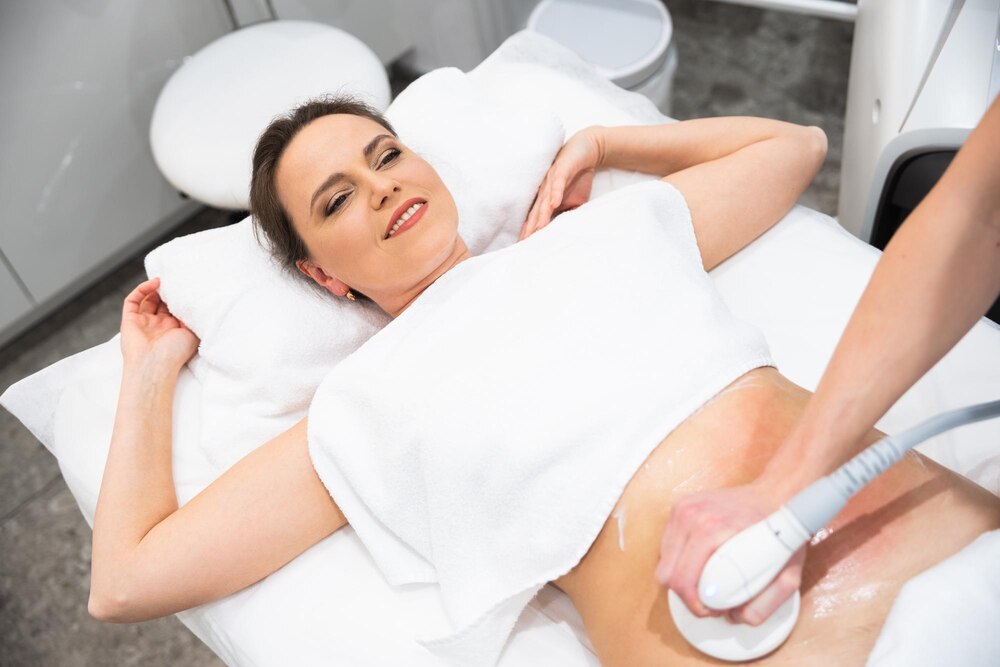
When considering non-invasive fat reduction treatments, you deserve more than marketing promises – you need clinical evidence and realistic expectations about what laser body sculpting can actually achieve. Recent research has revealed compelling data about laser-based fat reduction, with studies showing measurable results ranging from 8.55% to 20% reduction in treated areas after a single session. Understanding the science behind these treatments, along with their limitations and ideal applications, will help you make an informed decision about whether laser body sculpting aligns with your body contouring goals.
The landscape of non-invasive body contouring has evolved significantly, with laser technologies now offering alternatives to surgical procedures for targeted fat reduction. While these treatments cannot replace the dramatic results of liposuction or surgical body contouring, clinical evidence demonstrates their effectiveness for specific patient populations and treatment areas. This comprehensive analysis examines the mechanisms, clinical outcomes, and practical considerations of laser body sculpting based on peer-reviewed research and documented patient experiences.
How Laser Body Sculpting Works: The Science Behind Fat Cell Reduction
Laser body sculpting employs precisely calibrated light energy to target and disrupt fat cells beneath the skin’s surface. The mechanism centers on hyperthermic lipolysis – a process where controlled heating causes fat cells to release their stored contents and undergo programmed cell death. Research published by the National Institutes of Health demonstrates that 80% of fat is released from fat cells after just 4 minutes of laser exposure, with 99% release occurring at the 6-minute mark.
The 1060nm wavelength, commonly used in diode laser systems, penetrates to optimal depths for targeting subcutaneous fat while preserving overlying skin tissue. This wavelength specifically heats adipose tissue to temperatures between 42-47°C, triggering apoptosis (controlled cell death) without damaging surrounding structures. The body’s lymphatic system then naturally processes and eliminates the disrupted fat cells over the following weeks.
Temperature monitoring and cooling systems work simultaneously during treatment to maintain skin surface temperatures at comfortable levels while allowing therapeutic heating of deeper fat layers. This dual-action approach explains why patients can undergo treatment without anesthesia and return to normal activities immediately afterward, unlike surgical alternatives that require significant recovery time.
The Difference Between Subcutaneous and Visceral Fat Response
Not all body fat responds equally to laser treatment, and understanding these differences is crucial for setting realistic expectations. Subcutaneous fat, located directly beneath the skin, serves as the primary target for laser body sculpting procedures. This fat layer responds predictably to hyperthermic treatment due to its relatively uniform structure and accessible location.
Visceral fat, surrounding internal organs, presents different challenges and cannot be directly treated with external laser applications. Studies examining metabolic differences reveal that visceral adipose tissue demonstrates greater interleukin-6 (IL-6) gene expression compared to subcutaneous fat, contributing to its metabolic resistance and inflammatory properties. This biological distinction explains why laser body sculpting focuses exclusively on accessible subcutaneous deposits.
The metabolic activity of different fat deposits also influences treatment planning. Subcutaneous fat in areas like the abdomen and flanks typically shows better response rates than metabolically active regions. Understanding these variations helps practitioners customize treatment protocols and counsel patients about expected outcomes in different body areas.
Why Some Fat Resists Diet and Exercise
Certain fat deposits persist despite dedicated diet and exercise efforts due to complex biological factors beyond simple calorie balance. Board-Certified Plastic Surgeon Dr. Emily Kirby works with many patients looking for solutions to contour their diet- and exercise-resistant fat, recognizing that genetic factors, hormonal influences, and fat cell distribution patterns all contribute to stubborn fat accumulation.
Alpha-2 adrenergic receptors, concentrated in specific body areas, actively inhibit fat breakdown even during caloric deficit. These receptors are particularly dense in common problem areas like the lower abdomen, hips, and thighs, explaining why these regions often resist traditional weight loss efforts. Laser body sculpting bypasses these biological barriers by directly disrupting fat cells rather than relying on natural metabolic processes.
Gender-specific fat distribution patterns further complicate natural fat reduction. Women typically store more subcutaneous fat in the hips and thighs due to estrogen influence, while men accumulate abdominal fat more readily. These hormonally-influenced patterns often persist throughout life, making targeted treatments valuable for addressing genetically predetermined fat deposits.
Clinical Results: What Research Shows About 1060nm Diode Laser Treatments
Clinical evaluation published in the Aesthetic Surgery Journal reveals that a single 25-minute 1060nm diode laser treatment produced an 8.55% reduction in abdominal adipose tissue at 12 weeks post-treatment, with some patients achieving up to 20% fat reduction. These results represent averages across diverse patient populations, with individual outcomes varying based on factors including baseline fat thickness, metabolic rate, and lifestyle habits.
The consistency of results across multiple studies strengthens confidence in these findings. Research protocols typically employ standardized measurement techniques including ultrasound, MRI, or caliper measurements to quantify fat layer reduction objectively. These methodologies eliminate subjective bias and provide reproducible data supporting treatment efficacy.
Importantly, these percentages translate to visible body contour improvements rather than significant weight loss. A 15% reduction in a specific fat deposit creates noticeable sculpting effects without dramatically changing overall body weight, distinguishing laser body sculpting from weight loss interventions.
Abdominal Fat Reduction: 12-Week Treatment Outcomes
The abdomen represents the most extensively studied treatment area for laser body sculpting, with robust data supporting its effectiveness. The standard 25-minute treatment protocol targets multiple zones across the abdominal region, with applicators positioned to address both central and lateral fat deposits. Patients typically experience mild warming sensations during treatment, with comfort levels allowing them to read or use mobile devices throughout the session.
Progressive fat reduction occurs over the 12-week post-treatment period as the body processes disrupted fat cells. Week 6 typically marks the emergence of visible results, with continued improvement through week 12. Photography documentation at regular intervals demonstrates gradual contour refinement rather than dramatic sudden changes.
Multiple treatment sessions can enhance results for patients with thicker fat layers or those seeking more dramatic contouring. Spacing treatments 6-12 weeks apart allows complete resolution of the inflammatory response from each session while building cumulative fat reduction effects.
Real Patient Satisfaction Rates and Expectations
Patient satisfaction data provides valuable insight beyond clinical measurements. Studies report that 96% of subjects expressed satisfaction with 1060nm diode laser treatment outcomes for fat reduction. This high satisfaction rate reflects careful patient selection, realistic expectation setting, and the achievement of meaningful aesthetic improvements.
Factors contributing to positive patient experiences include minimal discomfort during treatment, absence of downtime, and gradual natural-appearing results. Patients particularly value the ability to maintain normal activities immediately post-treatment, contrasting sharply with surgical alternatives requiring extended recovery periods.
Dissatisfaction, when it occurs, typically stems from unrealistic expectations about the degree of fat reduction possible or confusion between body sculpting and weight loss. Clear communication about treatment capabilities and limitations during consultation helps align expectations with achievable outcomes.
Comparing Laser Body Sculpting Technologies and Treatment Protocols
The laser body sculpting market includes various technologies employing different wavelengths, power levels, and treatment approaches. Understanding these distinctions helps patients and practitioners select appropriate treatments for specific goals and anatomical considerations.
High-intensity focused treatments like 1060nm diode lasers deliver concentrated energy for efficient fat disruption in single sessions. Low-level laser therapy (LLLT) systems use gentler energy levels requiring multiple treatments but potentially offering enhanced cellular benefits beyond fat reduction. Each approach has demonstrated efficacy in clinical studies, with selection depending on individual factors.
Treatment protocols vary significantly between technologies. Some systems require multiple applicators for large areas, while others employ scanning devices covering broader regions. Session duration ranges from 25 minutes for high-intensity treatments to 40-60 minutes for low-level approaches, influencing scheduling convenience and patient comfort.
Low-Level Laser Therapy vs High-Intensity Diode Lasers
Low-level laser therapy operates on different principles than high-intensity treatments, creating temporary pores in fat cell membranes rather than destroying cells entirely. Clinical studies demonstrate that patients achieved 1.74 cm of waist girth loss over a 4-week LLLT treatment course, representing nearly one inch of circumference reduction through this gentler approach.
High-intensity 1060nm diode lasers achieve more dramatic single-session results through complete adipocyte disruption. The trade-off involves slightly more intense treatment sensations and potential for mild post-treatment swelling, though both resolve quickly without intervention. The permanent cell destruction achieved with high-intensity treatment may provide more lasting results compared to LLLT’s reversible effects.
Cost considerations often influence technology selection, with LLLT typically requiring 6-12 sessions versus 1-2 high-intensity treatments for comparable areas. Total treatment investment may be similar despite different session structures, making efficacy and convenience primary selection factors.
Treatment Duration and Session Requirements
Treatment timelines vary dramatically between laser body sculpting approaches. The 4-week LLLT course mentioned in research typically involves twice-weekly 30-minute sessions, requiring significant time commitment from patients. This extended protocol may suit individuals preferring gradual treatment experiences or those with scheduling flexibility.
Single-session 1060nm diode treatments offer convenience for busy patients, with the entire process completed in 25 minutes. Some patients opt for treating multiple areas in one appointment, though this extends session duration proportionally. The immediate return to activities post-treatment eliminates productivity concerns associated with surgical procedures.
Maintenance considerations differ between technologies as well. LLLT may require periodic touch-up sessions to maintain results, while high-intensity treatments typically provide permanent fat reduction in treated areas. Understanding these long-term implications helps patients select treatments aligned with their lifestyle preferences.
Who Makes an Ideal Candidate for Laser Body Sculpting
Ideal candidates for laser body sculpting maintain stable weight within 20-30 pounds of their goal, possess good skin elasticity, and have realistic expectations about achievable outcomes. These treatments excel at refining body contours rather than achieving significant weight loss, making them most suitable for individuals near their target physique seeking final sculpting.
Medical screening ensures treatment safety and efficacy. Conditions affecting wound healing, circulation, or temperature regulation may contraindicate treatment. Pregnancy, recent surgery in treatment areas, and certain medications also influence candidacy. Comprehensive consultation identifies these factors while assessing aesthetic goals.
Lifestyle factors significantly impact treatment success. Patients committed to maintaining results through healthy habits typically achieve better long-term outcomes than those viewing treatment as a substitute for lifestyle modification. This reality underscores the importance of laser body sculpting as a complement to, rather than replacement for, healthy living.
Areas Most Responsive to Laser Treatment
The abdomen consistently demonstrates excellent response to laser body sculpting, with established protocols and extensive clinical validation. The relatively uniform fat distribution and accessibility of abdominal tissue contribute to predictable outcomes. Both upper and lower abdominal zones respond well, though results may vary based on individual fat distribution patterns.
Submental (under-chin) fat represents another highly responsive treatment area, with specialized applicators designed for this delicate region. The concentrated fat deposit typical of submental fullness responds efficiently to targeted laser energy, often achieving noticeable improvement after single treatments.
Flanks, inner thighs, and back fat also show favorable response rates, though treatment protocols may require modification based on tissue characteristics. Areas with denser, more fibrous fat may need adjusted energy settings or multiple sessions for optimal results. Male breast tissue, when primarily composed of fatty tissue rather than glandular components, can also respond well to laser sculpting techniques.
When to Consider Alternative Body Contouring Options
Significant weight loss needs exceed laser body sculpting capabilities, requiring comprehensive weight management approaches instead. Patients with BMI over 30 typically achieve better results through medically supervised weight loss before considering body contouring treatments. This sequential approach optimizes both health outcomes and aesthetic results.
Loose or excess skin won’t improve with laser treatments alone, often requiring surgical intervention for optimal correction. Post-pregnancy or massive weight loss patients frequently present with skin laxity requiring excision rather than non-invasive approaches. Combination treatments addressing both fat and skin concerns may provide comprehensive solutions.
Large volume fat reduction goals necessitate surgical options like liposuction. When fat reduction needs exceed 20-25% in any area, surgical approaches provide more predictable and dramatic results. Understanding these limitations helps patients select appropriate treatments avoiding disappointment from unrealistic expectations.
What to Expect: Timeline, Recovery, and Long-Term Results
The laser body sculpting experience begins with comprehensive consultation establishing treatment goals and confirming candidacy. Treatment day involves minimal preparation – patients simply arrive wearing comfortable clothing. The actual treatment sensation resembles alternating warm and cool cycles, with most patients finding the experience tolerable without pain medication.
Immediate post-treatment effects are minimal, with possible mild tenderness or swelling resolving within hours to days. Unlike surgical procedures requiring compression garments or activity restrictions, laser body sculpting patients resume normal routines immediately. This convenience factor significantly influences treatment selection for active individuals.
Result emergence follows a predictable timeline, though individual variations occur. Understanding this progression helps patients maintain realistic expectations during the waiting period between treatment and final results.
The 12-Week Result Timeline
Weeks 1-3 post-treatment involve initial inflammatory response as the body begins processing disrupted fat cells. Patients may notice minimal visible changes during this phase, though cellular processes are actively underway. Maintaining photo documentation helps track subtle early improvements.
Weeks 4-8 mark the acceleration phase when visible contour changes typically emerge. Clothing may fit differently, and measurement reductions become apparent. This period often generates excitement as results become noticeable to patients and others.
Weeks 9-12 represent the refinement phase when final results manifest. The body completes processing damaged adipocytes, revealing the full extent of fat reduction achieved. Some patients continue seeing minor improvements beyond 12 weeks, though the majority of changes occur within this timeframe.
Maintaining Your Results After Treatment
Long-term result maintenance requires understanding that while destroyed fat cells don’t regenerate, remaining cells can expand with weight gain. Maintaining stable weight through balanced nutrition and regular exercise preserves treatment benefits indefinitely. This reality emphasizes laser body sculpting as an enhancement to, not replacement for, healthy lifestyle habits.
Regular body composition monitoring helps identify early changes requiring intervention. Small weight fluctuations are normal, but sustained gains can diminish treatment results. Proactive management through diet and exercise adjustments prevents significant result degradation.
Some patients benefit from periodic maintenance treatments addressing new problem areas or enhancing previous results. These touch-up sessions typically require less aggressive protocols than initial treatments, serving more as refinements than primary interventions.
Conclusion: Making an Informed Decision About Laser Body Sculpting
Clinical evidence supports laser body sculpting as an effective non-invasive option for targeted fat reduction, with studies demonstrating 8.55% to 20% reductions in treated areas and 96% patient satisfaction rates. Understanding the science, from the 99% fat release at 6 minutes of exposure to the 12-week result timeline, empowers you to make informed decisions about whether this treatment aligns with your body contouring goals. The key lies in matching the right technology and protocol to your specific needs while maintaining realistic expectations about achievable outcomes.
Your next step involves professional consultation to assess candidacy and develop a personalized treatment plan. A qualified provider can evaluate your specific anatomy, discuss realistic outcomes based on clinical evidence, and help determine whether laser body sculpting or alternative treatments best serve your goals. Armed with scientific understanding and realistic expectations, you’re prepared to make confident decisions about incorporating laser body sculpting into your aesthetic journey.
