

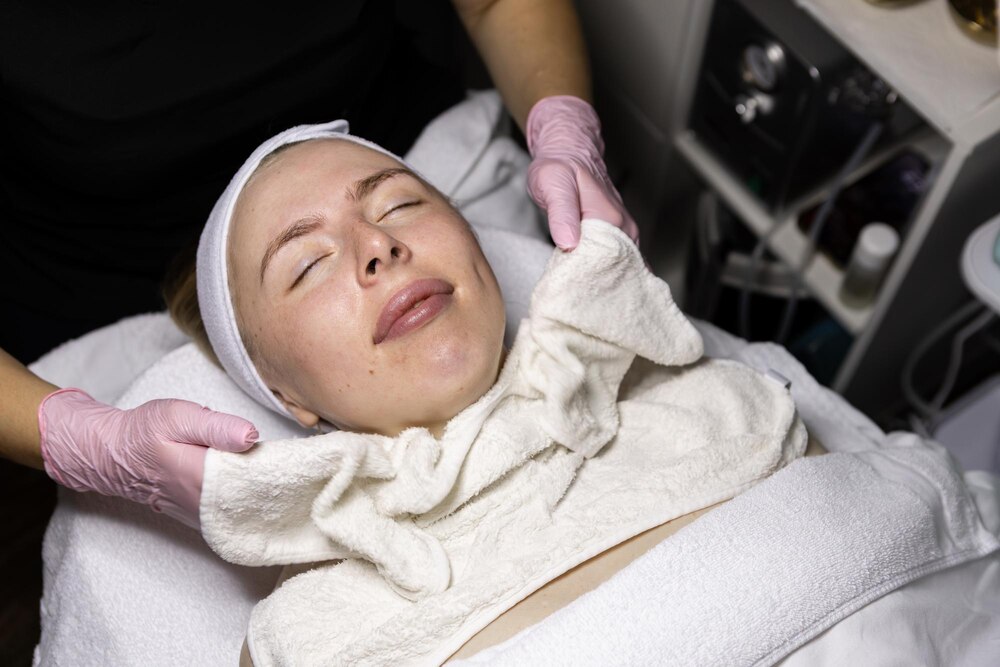
The landscape of facial rejuvenation has dramatically shifted with the widespread adoption of GLP-1 weight loss medications like Ozempic, Wegovy, and Mounjaro. As 6.9 million Americans embrace these revolutionary treatments for weight management, plastic surgeons and aesthetic professionals are witnessing an unprecedented transformation in patient needs and treatment approaches. The rapid weight loss achieved through these medications – often exceeding 15% of body weight – has created a new category of aesthetic concerns that require specialized expertise and innovative treatment strategies.
While celebrating their weight loss success, many GLP-1 users discover an unexpected challenge: significant facial volume loss that can age their appearance by years. This phenomenon, commonly referred to as “Ozempic face,” has sparked a surge in demand for facial rejuvenation procedures, with some practices reporting a 50% increase in fat grafting procedures over the past year. Understanding how to address these unique aesthetic concerns has become essential for anyone navigating their weight loss journey with GLP-1 medications.
What Is Ozempic Face and Why Does It Happen?
Ozempic face describes the distinctive facial changes that occur when rapid weight loss depletes the natural fat pads that provide youthful volume and contour to the face. As the body sheds pounds through GLP-1 medication use, facial fat compartments shrink disproportionately, leading to hollow cheeks, deepened nasolabial folds, and a gaunt appearance that can make individuals look older despite their improved overall health. This transformation affects not just the superficial fat layers but extends deep into the structural support systems of the face.
The mechanism behind these changes relates directly to how GLP-1 medications work systemically. These drugs mimic natural hormones that regulate appetite and slow gastric emptying, leading to sustained caloric deficit and consistent weight loss. Unfortunately, the face lacks the protective mechanisms that preserve fat in essential areas during weight loss, making it particularly vulnerable to volume depletion. Research published in radiographic studies demonstrates that patients experience approximately 7% midfacial volume loss for every 10 kilograms of total weight loss, highlighting the predictable nature of these changes.
The Science Behind GLP-1-Related Facial Volume Loss
Advanced imaging studies have revealed the precise anatomical changes occurring in GLP-1 users’ faces. The superficial fat compartments, which provide the smooth, youthful contours of the cheeks and temples, decrease by an average of 11% during significant weight loss. Simultaneously, the deep fat pads that support facial structure experience a 7% volume reduction, creating a double impact that dramatically alters facial appearance. These measurements, captured through sophisticated radiographic analysis, provide clinicians with crucial data for planning restoration treatments.
The pattern of facial volume loss follows a predictable sequence, beginning with the temples and progressing to the cheeks, under-eye areas, and eventually the lower face. This staged depletion creates distinct aesthetic challenges at different points in the weight loss journey. The buccal fat pads, once considered permanent facial features, also shrink significantly, contributing to the hollow appearance that characterizes advanced cases of medication-induced facial volume loss.
Who Is Most Affected by Facial Changes from Weight Loss Medications?
Individuals experiencing the most dramatic facial changes typically fall into specific demographic and weight loss categories. According to McKinsey’s analysis, 61% of GLP-1 patients seeking aesthetic treatment have lost between 11% and 30% of their body weight, representing the sweet spot where weight loss benefits are substantial but facial volume changes become concerning. Patients over 40 face particular challenges, as their natural collagen production has already begun declining, making volume loss more apparent and recovery slower.
The timeline of facial changes varies significantly based on individual factors including starting weight, age, skin elasticity, and genetic predisposition to facial fat storage. Some patients notice changes within the first three months of treatment, while others may not see significant facial volume loss until they’ve achieved 20% or more body weight reduction. Understanding these patterns helps both patients and providers anticipate when intervention might be most beneficial.
Rising Demand for Facial Rejuvenation Among GLP-1 Users
The aesthetic medicine industry has witnessed explosive growth in GLP-1-related treatment inquiries, with some practices reporting a 2080% increase in website traffic to GLP-1 content pages. This surge reflects not just curiosity but active treatment-seeking behavior, as patients recognize that their facial changes require professional intervention beyond standard skincare routines. The American Academy of Facial Plastic and Reconstructive Surgery reports that fat grafting procedures have increased by 50% in response to this demand, marking one of the most significant procedure trends in recent years.
Medical practices are rapidly adapting their service offerings to meet this unprecedented demand. Consultation requests specifically mentioning GLP-1 medications or “Ozempic face” have become routine, prompting clinics to develop specialized treatment protocols and patient education materials. The integration of weight loss support with aesthetic treatments represents a paradigm shift in how practices approach facial rejuvenation, requiring a more holistic understanding of the patient’s overall health journey.
Latest Statistics on GLP-1 Users Seeking Cosmetic Procedures
Recent surveys reveal that approximately 20% of GLP-1 users actively seek cosmetic procedures to address facial volume loss, according to data from Orlando Health. This percentage continues to grow as awareness of treatment options expands and social stigma around aesthetic procedures diminishes. The demographic seeking these treatments has also broadened, encompassing not just traditional cosmetic surgery patients but individuals who never previously considered aesthetic interventions.
Treatment-seeking patterns show interesting regional and seasonal variations, with urban centers experiencing higher demand and consultations peaking after major weight loss milestones. Patients typically begin researching options after losing 15-20 pounds, though many wait until achieving their goal weight before committing to procedures. This delay often results in more dramatic facial changes that require comprehensive treatment approaches rather than simple touch-ups.
Most Requested Procedures for Ozempic Face in 2025
The treatment landscape for GLP-1-related facial changes has evolved rapidly, with certain procedures emerging as clear favorites among patients and providers. Facial skin tightening treatments using radiofrequency or ultrasound technology rank among the most requested non-surgical options, addressing both volume loss and skin laxity simultaneously. These treatments appeal to patients seeking gradual, natural-looking improvements without significant downtime.
Volume restoration through strategic filler placement remains the cornerstone of immediate facial rejuvenation for GLP-1 users. Practitioners report increased use of bio-stimulatory fillers like Sculptra, which promote natural collagen production while providing subtle volume enhancement. Fat grafting procedures have experienced the most dramatic growth, offering permanent volume restoration using the patient’s own tissue – particularly appealing for those who have achieved stable weight loss and want lasting results.
Professional Treatment Options for GLP-1-Related Facial Volume Loss
Modern aesthetic medicine offers a sophisticated array of solutions for addressing Ozempic face, ranging from minimally invasive injections to comprehensive surgical interventions. The key to successful treatment lies in customizing the approach based on the degree of volume loss, skin quality, and individual aesthetic goals. Most patients benefit from a combination approach that addresses multiple aspects of facial aging accelerated by rapid weight loss.
Treatment planning begins with a thorough assessment of facial structure, including evaluation of bone structure, remaining fat distribution, skin elasticity, and muscle tone. Advanced imaging technologies help practitioners visualize sub-surface changes and plan precise treatment strategies. This comprehensive evaluation ensures that treatments address not just visible volume loss but also underlying structural changes that affect facial harmony and proportion.
Dermal Fillers and Injectable Treatments
Injectable treatments offer immediate results with minimal downtime, making them ideal for patients wanting quick improvements. Hyaluronic acid fillers provide instant volume restoration to hollow cheeks, temples, and under-eye areas, with results visible immediately after treatment. Strategic placement in deep and superficial planes recreates the multi-layered support structure lost during weight loss. Practitioners increasingly favor combination approaches, using different filler consistencies to address varying tissue depths and movement patterns.
Clinical trials have demonstrated exceptional patient satisfaction with combination treatments. Specifically, patients receiving both Sculptra for long-term collagen stimulation and Restylane for immediate volume report 91.4% satisfaction rates and would recommend the treatment to others experiencing similar concerns. This dual approach addresses both immediate aesthetic concerns and long-term tissue quality, providing natural-looking results that evolve and improve over time.
Facial Fat Grafting and Transfer Procedures
Fat grafting has emerged as the gold standard for permanent facial volume restoration in GLP-1 patients who have achieved stable weight loss. The procedure involves harvesting fat from areas with adequate reserves, processing it to concentrate healthy fat cells, and strategically injecting it into depleted facial areas. This technique not only restores volume but also improves skin quality through the stem cells naturally present in transferred fat tissue.
The 50% increase in fat grafting procedures reflects growing recognition of its unique benefits for GLP-1 patients. Unlike synthetic fillers that require periodic maintenance, successfully grafted fat becomes permanent living tissue that ages naturally with the patient. Modern techniques achieve high graft survival rates, with many patients seeing 60-70% retention of transferred volume after the initial healing period. The procedure can address multiple areas simultaneously, including temples, cheeks, nasolabial folds, and lips, providing comprehensive facial rejuvenation.
Skin Tightening and Lifting Solutions
Rapid weight loss often leaves skin lax and unable to contract to match new facial contours, creating jowls and deepened folds that add years to appearance. Non-surgical skin tightening using radiofrequency, ultrasound, or combination energy devices stimulates collagen remodeling and tissue contraction. These treatments work particularly well for mild to moderate skin laxity, providing gradual improvement over several months as new collagen forms and matures.
For more significant skin excess, surgical options including facelifts, neck lifts, and brow lifts provide dramatic, long-lasting results. Modern techniques focus on restoring natural facial vectors and avoiding the overdone appearance of traditional lifts. Many surgeons now combine lifting procedures with fat grafting during the same operation, addressing both skin laxity and volume loss simultaneously for comprehensive facial rejuvenation.
Creating a Comprehensive Treatment Plan for GLP-1 Patients
Successful facial rejuvenation for GLP-1 users requires thoughtful planning that considers both current appearance and anticipated future changes. A multimodal approach typically yields the best results, combining treatments that address volume loss, skin quality, and structural support. The treatment plan should evolve with the patient’s weight loss journey, starting with temporary solutions during active weight loss and progressing to more permanent interventions once weight stabilizes.
Patient education plays a crucial role in setting realistic expectations and ensuring treatment satisfaction. Understanding that facial changes may continue even after reaching goal weight helps patients make informed decisions about treatment timing and selection. Regular follow-up appointments allow for plan adjustments based on ongoing changes and treatment response, ensuring optimal outcomes throughout the weight loss journey.
Timeline for Treatment During Weight Loss Journey
The optimal treatment timeline varies based on individual weight loss goals and facial changes. During active weight loss, temporary solutions like hyaluronic acid fillers provide flexibility to adjust treatment as facial contours continue changing. These treatments can be modified or dissolved if needed, making them ideal for the dynamic phase of weight transformation. Starting conservative treatments early can prevent the psychological impact of dramatic facial changes and maintain confidence throughout the journey.
Once weight stabilizes for at least three to six months, patients become candidates for more permanent solutions like fat grafting or surgical procedures. This stability period ensures that further significant volume changes are unlikely and that surgical planning can be based on stable facial anatomy. Some patients benefit from staged approaches, beginning with non-surgical treatments during weight loss and transitioning to surgical options once they’ve maintained their goal weight.
Combining Procedures for Optimal Results
The most successful outcomes often result from strategically combining multiple treatment modalities. A typical comprehensive approach might include Sculptra injections for gradual collagen stimulation, strategic hyaluronic acid filler placement for immediate volume correction, and energy-based skin tightening for improved skin quality. This combination addresses the multiple factors contributing to aged appearance after weight loss, creating natural, harmonious results.
Treatment sequencing matters significantly in combination approaches. Beginning with skin quality improvements through laser treatments or chemical peels prepares the canvas for volume restoration. Following with strategic filler placement or fat grafting restores youthful contours. Finally, skin tightening procedures refine results and enhance definition. This systematic approach ensures each treatment builds upon the previous, maximizing the benefit of every intervention.
What to Expect: Results and Recovery
Understanding the recovery process and result timeline helps patients plan appropriately and maintain realistic expectations. Most non-surgical treatments for Ozempic face involve minimal downtime, with patients returning to normal activities within 24-48 hours. Minor swelling and bruising are common but typically resolve within a week. Surgical procedures require more extensive recovery, with initial healing taking two weeks and final results becoming apparent over several months as swelling subsides and tissues settle.
The emotional journey of facial rejuvenation after significant weight loss deserves acknowledgment. Many patients experience a boost in confidence as their facial appearance aligns with their improved physical health. However, adjusting to changes takes time, and some patients benefit from support during this transition. Open communication with providers ensures concerns are addressed promptly and treatment plans adjusted as needed.
Immediate vs Long-Term Results
Injectable fillers provide immediate gratification, with results visible as soon as treatment concludes. Initial swelling may create temporary over-correction, but this resolves within days to reveal the final outcome. These immediate improvements offer significant psychological benefits, helping patients feel confident during ongoing weight loss or while waiting for longer-term treatments to take effect.
Bio-stimulatory treatments and surgical procedures follow a different timeline, with gradual improvement over months. Sculptra, for example, stimulates collagen production that peaks around three months post-treatment. Fat grafting requires several months for final results as transferred fat establishes blood supply and integrates with surrounding tissues. Understanding these timelines helps patients appreciate the evolution of their results and maintain patience during the transformation process.
Maintenance and Follow-Up Care
Long-term success requires ongoing maintenance tailored to individual treatment choices and aging patterns. Hyaluronic acid fillers typically last 12-18 months in GLP-1 patients, though metabolism rates vary based on activity level and individual factors. Establishing a maintenance schedule ensures consistent results without gaps in treatment that might reveal underlying volume loss. Many patients find that maintenance treatments require less product over time as supporting treatments like collagen stimulation create lasting improvements.
Skin quality maintenance through professional treatments and medical-grade skincare maximizes the longevity of volume restoration procedures. Regular assessments allow providers to address new concerns promptly and adjust treatment plans based on ongoing facial changes. This proactive approach prevents minor issues from becoming major concerns and ensures patients maintain their rejuvenated appearance long-term.
Schedule Your Ozempic Face Consultation at NW Laser
Every GLP-1 weight loss journey is unique, and so are the facial changes that accompany it. At NW Laser, our experienced team specializes in creating personalized treatment plans that address your specific concerns while celebrating your weight loss success. We understand the complex relationship between overall health improvement and facial aesthetics, offering comprehensive solutions that restore confidence alongside facial volume.
Don’t let facial volume loss diminish the joy of your weight loss achievement. Our expert providers combine advanced techniques with artistic vision to create natural, harmonious results that reflect your inner vitality. Whether you’re just beginning to notice changes or seeking comprehensive rejuvenation after reaching your goal weight, we’re here to guide you through every step of your facial restoration journey. Explore our current specials and take the first step toward reclaiming your youthful appearance. Contact us today to schedule your personalized consultation and discover how we can help you look as healthy and vibrant as you feel.
