

Last updated: May 11, 2026
GLP-1 receptor agonist medications like Ozempic, Wegovy, and Mounjaro have helped millions of adults achieve significant weight loss. However, rapid fat reduction often brings visible skin changes – from facial volume loss to loose, sagging skin across the body. This guide explains why GLP-1 skin changes happen, how common they are, and what surgical and nonsurgical treatments can restore your appearance.
What Are GLP-1 Medications and Why Are So Many People Using Them?
GLP-1 receptor agonists are a class of injectable medications originally developed for type 2 diabetes that have become the most widely adopted prescription weight loss treatments in the United States. Approximately 12% of U.S. adults report having used a GLP-1 medication as of 2025, making the downstream skin effects of these drugs a widespread concern rather than a niche issue.
The most commonly prescribed GLP-1 medications include semaglutide, sold under the brand names Ozempic and Wegovy, and tirzepatide, marketed as Mounjaro. These drugs work by mimicking the GLP-1 hormone, which regulates appetite, slows gastric emptying, and promotes satiety. The result is substantial, sustained weight loss that often rivals outcomes previously seen only with bariatric surgery.
Since the FDA approved Wegovy for chronic weight management in 2021 and Mounjaro gained traction shortly after, demand for these medications has surged. This widespread adoption has created a new and rapidly growing population of patients experiencing the cosmetic consequences of major weight loss – particularly changes to facial appearance and body skin laxity.
How Much Weight Do GLP-1 Drugs Actually Help You Lose?
Clinical trial data demonstrates that GLP-1 medications produce weight loss percentages significant enough to cause visible skin changes in many patients. The following table summarizes the documented efficacy of the two most prescribed GLP-1 medications.
| Medication | Average Body Weight Reduction | Trial Duration |
|---|---|---|
| Semaglutide (Ozempic/Wegovy) | 14.9% | 68 weeks |
| Tirzepatide (Mounjaro) | 20.9% | 72 weeks |
For a person weighing 250 pounds, a 15-21% reduction translates to 37 to 52 pounds of weight loss in roughly 16 to 18 months. This magnitude and speed of fat reduction is precisely what drives the skin-related complications discussed throughout this article. The body simply cannot contract and remodel skin tissue fast enough to keep pace with the shrinking fat layer beneath it.
What Is Ozempic Face and Why Does It Happen?
Ozempic face is a colloquial term describing the exaggerated facial volume loss and accelerated aging appearance that develops when GLP-1 medications cause rapid fat reduction in the face. According to a 2025 systematic review published in PMC, semaglutide therapy produces gauntness in the cheeks, temples, and under-eye areas that makes patients look significantly older than their age.
Dr. Lindsey Bordone, a board-certified dermatologist quoted by the American Academy of Dermatology, explains the mechanism clearly: “Anyone that loses weight quickly notices changes in their face… However, GLP-1 drugs affect your collagen and muscles, along with your fat cells. That can lead to your face looking older after taking the drugs.”
The facial fat pads that give the face its youthful contour – particularly in the cheeks, temples, and periorbital region – diminish rapidly during GLP-1 treatment. As this structural fat disappears, the overlying skin loses support and begins to sag, creating hollowed cheeks, deepened nasolabial folds, and a drawn appearance that many patients find distressing.
How Do GLP-1 Drugs Affect Collagen and Skin Elasticity?
Research published on PMC in June 2025 identifies multiple mechanisms through which GLP-1 receptor agonists compromise skin structure. Rapid subcutaneous fat reduction outpaces the skin’s ability to contract, but the damage goes deeper than simple stretching.
GLP-1 medications decrease the density of thick collagen fibers in the dermis and impair the cross-linking process that gives collagen its structural strength. Simultaneously, elastic fiber density declines, reducing the skin’s ability to snap back after volume loss. These changes affect both facial and body skin.
Altered adipokine signaling and persistent low-grade inflammation further degrade skin elasticity. Additionally, GLP-1 drugs can impair the absorption of vitamins A and D – both critical nutrients for skin repair and collagen production. The combined effect of these mechanisms explains why GLP-1-related skin changes often appear more pronounced than those seen with comparable weight loss through diet and exercise alone.
Does Ozempic Face Only Happen with Ozempic or with All GLP-1 Medications?
Despite the name, Ozempic face is not unique to Ozempic. According to a January 2026 media tip sheet from George Washington University, the term was coined by social media and popular press to describe cosmetic effects that occur with all GLP-1 receptor agonist medications. Patients using Wegovy, Mounjaro, or any other GLP-1 drug can experience the same facial volume loss and aging changes.
The underlying cause is rapid, significant weight loss – not a unique chemical property of semaglutide. Any GLP-1 medication that produces double-digit percentage weight loss carries the potential for visible facial changes. Patients searching for information by brand name should understand that the treatment considerations and solutions apply equally regardless of which specific GLP-1 medication they use.
What Other Skin Side Effects Can GLP-1 Medications Cause?
GLP-1 medications produce a range of dermatologic side effects beyond facial aging, including loose skin on the body, chronic skin fold rashes, dehydration-related dryness, nail brittleness, hormonal acne, excessive sweating, and injection-site reactions. The American Academy of Dermatology and a comprehensive 2025 review in Skin Appendage Disorders document these effects across the full spectrum of GLP-1 users.
The following table summarizes the most commonly reported skin, hair, and nail side effects associated with GLP-1 receptor agonist use.
| Side Effect | Primary Cause | Recommended Action |
|---|---|---|
| Loose or sagging skin | Rapid fat loss outpacing skin contraction | Body contouring consultation |
| Intertrigo (skin fold rashes) | Moisture trapped in excess skin folds | Dermatologic treatment |
| Dry skin | Dehydration and reduced nutrient absorption | Hydration and moisturizing protocols |
| Brittle, slow-growing nails | Nutrient malabsorption | Dermatologist evaluation |
| Acne | Hormonal fluctuations during weight loss | Dermatologic treatment |
| Excessive sweating | Metabolic changes | Physician consultation |
| Injection-site reactions | Local immune response | Injection site rotation |
Can GLP-1 Drugs Cause Loose or Sagging Skin on the Body?
Body skin laxity is one of the most significant cosmetic consequences of GLP-1-mediated weight loss. Research from a 2025 Walden University dissertation found that 90-96% of individuals who undergo major weight loss develop areas of loose or sagging skin. GLP-1 medications that produce 15-21% body weight reduction frequently trigger the same excess skin challenges historically associated with bariatric surgery.
The most commonly affected areas include the abdomen, upper arms, thighs, breasts, and neck. Patients who are older, who have less baseline skin elasticity, or who lose weight more rapidly tend to experience more pronounced laxity. The excess skin is not merely a cosmetic concern – it can cause chafing, rashes, hygiene difficulties, and significant emotional distress that undermines the quality-of-life gains from weight loss itself.
Are There Any Positive Skin Effects from GLP-1 Medications?
Not all GLP-1 skin effects are negative. The American Academy of Dermatology notes that some inflammatory skin conditions, including psoriasis and hidradenitis suppurativa, may actually improve with GLP-1 treatment. The anti-inflammatory properties of GLP-1 receptor agonists appear to reduce the severity and frequency of flares in these conditions.
This positive finding reflects the complex pharmacologic profile of GLP-1 medications. While rapid weight loss stresses the skin’s structural integrity, the systemic anti-inflammatory effects can benefit patients with chronic inflammatory dermatologic conditions. A thorough discussion with both a prescribing physician and a dermatologist helps patients weigh the full spectrum of skin-related effects.
How Common Is It to Need Cosmetic Procedures After GLP-1 Weight Loss?
Demand for cosmetic procedures among GLP-1 patients is substantial and growing rapidly. According to the American Society of Plastic Surgeons 2024 Procedural Statistics Report, 20% of GLP-1 patients under ASPS member surgeons had already undergone plastic surgery, while 39% were considering surgical procedures and 41% were considering nonsurgical treatments. Aesthetic procedures among GLP-1 users grew 54% annually following the approvals of Wegovy and Mounjaro.
These numbers reflect a fundamental shift in aesthetic medicine. Body contouring procedures grew approximately 6% overall from 566,052 in 2023 to roughly 599,862 in 2024. With millions of Americans on GLP-1 medications and the majority experiencing some degree of skin laxity, the demand for post-weight-loss cosmetic care represents one of the defining trends in plastic surgery in 2026.
Why Are Body Contouring Procedures Growing So Fast?
The growth in body contouring is driven by two simultaneous market forces. First, GLP-1 medications are creating an unprecedented number of patients who have lost significant weight and now need skin-focused procedures. Second, noninvasive fat reduction procedures like CoolSculpting declined 40% in 2024 because GLP-1 medications are replacing them as the preferred fat loss method.
The ASPS 2024 data illustrates this shift clearly. Arm lift procedures increased 8% in a single year, liposuction remained the top cosmetic surgery at approximately 347,782 procedures, and tummy tucks reached 170,110 procedures. Patients no longer need a device to freeze or dissolve fat – they need a surgeon to address the skin left behind after the medication has done its work.
As the ASPS stated in its 2024 report: “Body contouring procedures can help GLP-1 patients achieve balance, improved functionality and enhanced self-esteem. It is important to consult a board-certified plastic surgeon to safely navigate the plastic surgery and weight loss journey.”
How Long After Starting a GLP-1 Medication Do People Typically Seek Cosmetic Surgery?
A 2024 peer-reviewed study published in PubMed (PMID: 38620005) found that the timeline for seeking cosmetic surgery varies significantly by medication. The following table summarizes the median time from GLP-1 initiation to body contouring surgery.
| GLP-1 Medication | Median Time to Surgery | Most Correlated Procedure |
|---|---|---|
| Wegovy (semaglutide) | 87 days | Breast procedures (r=0.28) |
| Ozempic (semaglutide) | Variable | Brachioplasty (r=0.23), Panniculectomy (r=0.21) |
| Liraglutide | 1,018 days | Variable |
The wide range – from under three months to nearly three years – reflects differences in weight loss speed, patient goals, and when skin laxity becomes bothersome enough to pursue intervention. Patients who began GLP-1 medications in late 2025 or early 2026 may now be at the appropriate stage to evaluate their body contouring options heading into summer.
What Surgical Procedures Can Fix Loose Skin After GLP-1 Weight Loss?
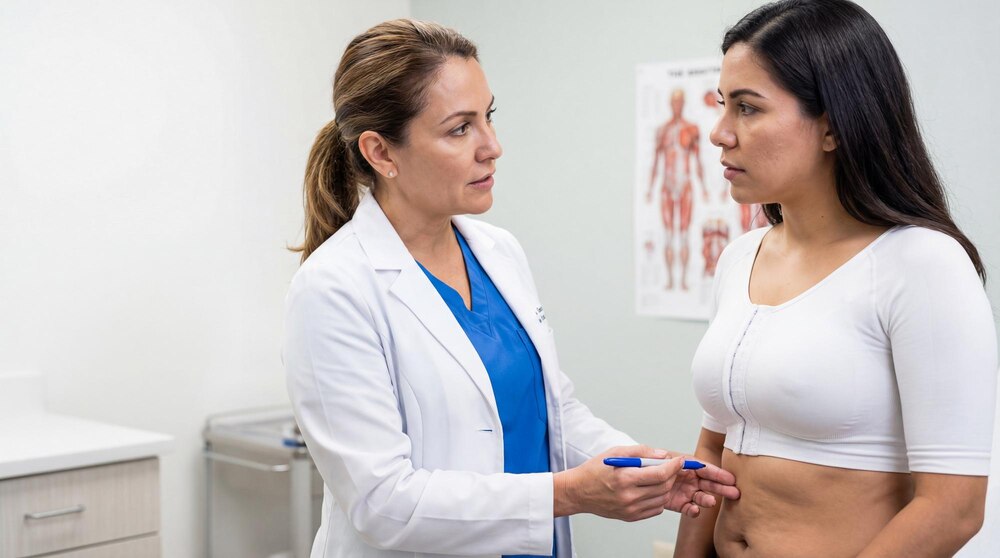
Surgical body contouring is the most effective treatment for moderate to severe skin laxity after GLP-1 weight loss. The most commonly performed procedures for post-GLP-1 patients include abdominoplasty (tummy tuck), brachioplasty (arm lift), panniculectomy, breast procedures, thigh lifts, and liposuction. Board-certified plastic surgeons evaluate each patient individually to recommend the procedures that will address their specific areas of concern.
Candidacy for surgical body contouring typically requires weight stability – most surgeons recommend maintaining a stable weight for at least three to six months before undergoing elective procedures. Overall health, nutritional status, and whether the patient plans to continue GLP-1 treatment are also important considerations during the consultation process.
Is a Tummy Tuck the Right Choice After Losing Weight on Ozempic?
Abdominoplasty is one of the most requested procedures among post-GLP-1 patients, with approximately 170,110 tummy tucks performed in 2024 according to the ASPS. The abdomen is particularly susceptible to skin laxity after significant weight loss because it is a primary fat storage area and the skin in this region is frequently stretched beyond its ability to retract.
Patients considering a tummy tuck after GLP-1 weight loss should ideally be at or near their goal weight and have maintained stable weight for several months. Many patients plan abdominoplasty for late summer or fall, allowing recovery time before the holiday season while having already enjoyed the confidence boost of their weight loss during the warmer months.
Why Are Arm Lift Procedures Surging Among GLP-1 Patients?
Brachioplasty saw the biggest single-year jump of any body contouring procedure in 2024, increasing 8% according to the ASPS report. The PubMed study on body contouring prevalence among GLP-1 users specifically identified a correlation between Ozempic use and brachioplasty (r=0.23), confirming that GLP-1 patients are disproportionately seeking this procedure.
The upper arms are particularly affected by rapid weight loss because the skin in this area is thin, has limited underlying muscle support, and is subject to gravity. Exercise can tone the underlying triceps muscle, but it cannot tighten excess skin. Many patients report that loose upper arm skin is the single most visible and socially uncomfortable reminder of their former weight, especially during warmer months when sleeveless clothing is common.
What Other Body Contouring Surgeries Should GLP-1 Patients Consider?
Beyond tummy tucks and arm lifts, several other body contouring procedures address specific areas of concern for GLP-1 patients:
- Panniculectomy – Removes the hanging apron of abdominal skin. Correlated with Ozempic use (r=0.21) in clinical research. May have functional and insurance-relevant components when excess skin causes hygiene issues or skin breakdown.
- Breast procedures – Most strongly correlated with Wegovy use (r=0.28). Breast lifts and breast augmentation with lift address volume loss and ptosis that commonly follow significant weight loss.
- Thigh lifts – Address inner and outer thigh laxity that causes chafing and limits comfortable movement.
- Liposuction – Remained the number one cosmetic surgery in 2024 at approximately 347,782 procedures. Often combined with skin excision procedures to refine contours where residual fat deposits persist alongside loose skin.
What Nonsurgical Treatments Can Help with Ozempic Face and Skin Laxity?
Nonsurgical treatments for GLP-1-related skin changes include dermal fillers for facial volume restoration, energy-based skin tightening devices, collagen-stimulating treatments, and medical-grade skincare protocols. A January 2026 clinical review published in PMC documents these approaches specifically for the growing population of GLP-1 patients experiencing facial and neck changes. With 41% of GLP-1 patients considering nonsurgical options according to the ASPS, this represents a major area of patient demand.
Can Dermal Fillers Reverse the Effects of Ozempic Face?
Injectable dermal fillers are a primary nonsurgical approach to restoring the facial volume lost during GLP-1 treatment. Hyaluronic acid fillers and biostimulatory injectables can replace lost subcutaneous fat in the cheeks, temples, under-eye hollows, and nasolabial folds – the specific areas where Ozempic face is most visible.
The systematic review on Ozempic face in plastic surgery (PMC, June 2025) and the nonsurgical treatment review (PMC, January 2026) both document filler-based approaches as effective for addressing GLP-1-related facial gauntness. Treatment is typically performed in a med spa or plastic surgery office setting, requires minimal downtime, and produces immediate visible improvement. Results generally last 12 to 18 months, and ongoing treatment may be recommended as long as the patient continues to experience facial volume changes.
What Skin Tightening Options Work Best for GLP-1-Related Skin Laxity?
Energy-based skin tightening treatments address mild to moderate skin laxity on both the face and body by stimulating new collagen production in the dermis. These technologies include radiofrequency devices, ultrasound-based treatments, and laser skin tightening – all of which work by delivering controlled thermal energy to the deeper skin layers.
Given that GLP-1 medications specifically impair collagen cross-linking and reduce elastic fiber density, collagen-stimulating treatments directly target the mechanism of damage. For patients whose skin laxity is not severe enough to warrant surgery, or who wish to optimize their results before or after a surgical procedure, energy-based treatments offer a meaningful improvement path. These treatments are commonly available at plastic surgery practices that include a med spa, providing patients with access to both surgical and nonsurgical options under one roof.
Should GLP-1 Patients See a Dermatologist for Skin Side Effects?
The American Academy of Dermatology recommends that GLP-1 patients consult a board-certified dermatologist for managing drug-related skin changes. Conditions such as intertrigo in skin folds, persistent dry skin, hormonal acne, and nail changes are best addressed by a dermatologic specialist who can provide targeted medical treatment.
Understanding when to see a dermatologist versus a plastic surgeon is important. Dermatologists manage medical skin conditions and disease processes. Plastic surgeons address structural skin laxity and volume loss through surgical and procedural interventions. Many patients benefit from coordinated care between both specialties – a dermatologist to manage rashes, dryness, and inflammatory conditions, and a plastic surgeon to evaluate options for excess skin removal and facial rejuvenation.
How Can You Protect Your Skin While Taking GLP-1 Medications?
Patients can take proactive steps during GLP-1 treatment to minimize skin damage, including maintaining adequate hydration, supplementing key nutrients that support skin structure, using medical-grade skincare, and discussing weight loss pacing with their prescribing physician. Addressing these factors during active treatment may reduce the severity of skin changes and improve outcomes if cosmetic procedures are needed later.
The NIH-published research on GLP-1 and skin aging identifies specific mechanisms that patients and their healthcare teams can target preventively. Rather than waiting until skin laxity becomes severe, patients who begin protective measures early in their GLP-1 journey may preserve more skin integrity throughout the weight loss process.
Does the Speed of Weight Loss Affect How Much Your Skin Sags?
Yes. The June 2025 PMC research on GLP-1 and skin aging makes clear that the skin effects are driven by the pace and magnitude of weight loss rather than direct drug toxicity. Rapid subcutaneous fat reduction outpaces the skin’s contraction capacity, resulting in more pronounced laxity than the same total weight loss achieved over a longer timeline.
This finding has practical implications. Patients who discuss dosing and titration schedules with their prescribing physician may be able to moderate the speed of weight loss somewhat, giving the skin more time to adapt. While the primary goal of GLP-1 treatment is health improvement through weight reduction, patients concerned about skin outcomes should raise this topic during their medical appointments to explore whether a more gradual approach is appropriate for their situation.
What Vitamins and Nutrients Help Support Skin During GLP-1 Treatment?
GLP-1 medications can impair the absorption of vitamins A and D, both of which are critical for maintaining skin structure and supporting collagen production. Vitamin A supports skin cell turnover and repair, while vitamin D plays a role in skin barrier function and inflammatory regulation.
Patients taking GLP-1 medications should discuss nutritional supplementation with their healthcare provider. Key supportive nutrients include:
- Vitamin A – Supports collagen production and skin cell renewal
- Vitamin D – Maintains skin barrier integrity and reduces inflammation
- Vitamin C – Essential cofactor in collagen synthesis
- Protein – Provides the amino acid building blocks for collagen and elastin
- Adequate hydration – Counteracts the dehydration effects that contribute to dry skin
NW Laser’s medical weight loss program includes oversight from physicians and registered dietitians who can help coordinate nutritional support alongside GLP-1 treatment to protect skin health during the weight loss process.
When Should You Consult a Plastic Surgeon About Post-GLP-1 Skin Changes?
Patients should consult a board-certified plastic surgeon when they have achieved weight stability for at least three to six months and are experiencing skin laxity that affects their quality of life, comfort, or confidence. Based on published data, the median time from GLP-1 initiation to body contouring surgery ranges from 87 days to over 1,000 days depending on the medication and individual factors. Summer 2026 is an ideal evaluation point for patients who began treatment in 2025.
Signs that nonsurgical treatments alone may be insufficient include hanging skin folds that cause chafing or rashes, skin laxity that interferes with physical activity, and visible excess skin that does not improve with time after weight stabilization. In these cases, surgical body contouring offers the most definitive and lasting correction.
The ASPS recommends consulting a board-certified plastic surgeon to safely navigate the intersection of weight loss treatment and cosmetic surgery. This is particularly important for GLP-1 patients because the specific pattern of collagen and elastin changes associated with these medications may affect surgical planning, healing expectations, and outcome optimization.
What Should You Look for in a Plastic Surgeon if You Have Used GLP-1 Medications?
Choosing the right plastic surgeon for post-GLP-1 body contouring requires evaluating several key qualifications:
- Board certification – Certification by the American Board of Plastic Surgery ensures the surgeon has completed rigorous training in both reconstructive and cosmetic surgery
- Post-weight-loss body contouring experience – Surgeons who regularly treat patients after significant weight loss understand the unique tissue characteristics and surgical techniques required
- Knowledge of GLP-1-related skin changes – Understanding how GLP-1 medications affect collagen, elastin, and skin elasticity helps surgeons plan procedures and set appropriate expectations
- Comprehensive treatment capabilities – A practice that offers both surgical procedures and nonsurgical med spa treatments can provide a complete range of solutions tailored to each patient’s needs
In clinical practice, patients who achieve the best outcomes are those who work with a surgical team experienced in the specific challenges of post-GLP-1 body contouring. The tissue quality, healing patterns, and aesthetic goals of GLP-1 patients differ in important ways from those of patients who have maintained a stable weight or lost weight through other methods.
Frequently Asked Questions About GLP-1 Medications and Skin Changes
Is Ozempic Face Permanent?
Ozempic face is not necessarily permanent, but it does not fully resolve on its own. The facial volume loss from GLP-1-mediated fat reduction is structural – the fat pads that support youthful facial contour have been depleted. Dermal fillers can restore this volume nonsurgically, while fat grafting and surgical facelifts offer more lasting solutions. However, collagen and elastin changes in the skin may require ongoing treatment to maintain optimal results, as documented in the 2025 systematic review and 2026 clinical review published on PMC.
Does Everyone on GLP-1 Medications Get Loose Skin?
Not everyone experiences the same degree of skin laxity, but the vast majority of patients who lose significant weight will notice some changes. Research indicates that 90-96% of individuals who undergo major weight loss develop areas of loose or sagging skin. The severity depends on the total amount of weight lost, the speed of loss, the patient’s age, genetics, and baseline skin elasticity. A patient who loses 10% of body weight will generally experience less skin laxity than one who loses 20%.
Can You Take GLP-1 Medications and Get Cosmetic Procedures at the Same Time?
Timing depends on the type of procedure. Most plastic surgeons recommend that patients reach weight stability before undergoing surgical body contouring, as continued weight loss after surgery can compromise results. However, some nonsurgical treatments – such as dermal fillers for facial volume loss or collagen-stimulating skin treatments – may be appropriate during active GLP-1 treatment. Coordinated care between the prescribing physician and the plastic surgeon ensures the safest and most effective approach.
Why Did Noninvasive Fat Reduction Procedures Decline 40% in 2024?
The 40% decline in noninvasive fat reduction procedures documented in the ASPS 2024 report reflects a fundamental market shift. GLP-1 medications are now the preferred method for fat reduction among patients who previously would have pursued treatments like CoolSculpting or laser lipolysis. The demand has shifted from fat elimination to skin management – patients need skin tightening, skin removal, and volume restoration rather than further fat reduction. This represents a permanent restructuring of the aesthetic medicine landscape.
How Much Do Body Contouring Procedures Cost After GLP-1 Weight Loss?
Body contouring costs vary significantly based on the specific procedure, geographic location, surgeon experience, facility fees, and the extent of correction needed. Patients who require multiple procedures – such as a tummy tuck combined with an arm lift – will have higher total costs than those addressing a single area. Notably, some procedures like panniculectomy may have functional components that qualify for insurance coverage when the excess skin causes documented medical problems. A consultation with a board-certified plastic surgeon provides personalized pricing based on the individual’s anatomy and goals.
What Does the Future Look Like for GLP-1 Patients Seeking Cosmetic Care?
The intersection of GLP-1 weight loss pharmacology and cosmetic medicine is one of the most significant developments in aesthetic healthcare. With approximately 12% of U.S. adults having used a GLP-1 medication, 54% annual growth in related aesthetic procedures, and body contouring volumes increasing year over year, demand for post-GLP-1 cosmetic care will continue to expand well beyond 2026.
The key takeaway for patients is straightforward: GLP-1 weight loss is transformative and medically beneficial, but the skin changes that follow are real, well-documented, and treatable. From dermal fillers that restore Ozempic face to surgical body contouring that removes excess skin, proven solutions exist for every level of concern.
Patients experiencing GLP-1-related skin changes should seek evaluation from a board-certified plastic surgeon with experience in post-weight-loss body contouring. A practice that combines surgical expertise with nonsurgical med spa capabilities can offer the full range of treatment options – ensuring that every patient’s weight loss success story includes feeling as good on the outside as they do on the inside.
Frequently Asked Questions
Is Ozempic face permanent or can it be reversed?
Ozempic face is not permanent but does not fully resolve on its own. The facial volume loss from GLP-1 weight loss is structural, meaning the fat pads that support youthful facial contour have been depleted. Dermal fillers can restore volume nonsurgically with immediate results lasting 12 to 18 months, while fat grafting and surgical facelifts offer more lasting correction. Ongoing collagen and elastin changes may require continued treatment.
How long after starting Ozempic or Wegovy does loose skin develop?
Loose skin typically becomes noticeable within the first 12 to 18 months of GLP-1 treatment, coinciding with the period of most rapid weight loss. Clinical data shows patients seek body contouring surgery as early as 87 days after starting Wegovy and up to 1,018 days after starting liraglutide. The timeline depends on the speed and total amount of weight lost, patient age, and baseline skin elasticity.
Does everyone on GLP-1 medications get loose or sagging skin?
Not everyone experiences the same severity, but research shows 90 to 96 percent of individuals who undergo major weight loss develop some degree of loose or sagging skin. GLP-1 medications that produce 15 to 21 percent body weight reduction frequently trigger visible skin laxity. Severity depends on total weight lost, speed of loss, age, genetics, and baseline skin elasticity – a patient losing 10 percent of body weight will generally have less laxity than one losing 20 percent.
Can you get cosmetic procedures while still taking GLP-1 medications?
Timing depends on the procedure type. Most plastic surgeons recommend achieving weight stability for three to six months before surgical body contouring, since continued weight loss can compromise surgical results. However, nonsurgical treatments like dermal fillers for facial volume loss or collagen-stimulating skin tightening may be appropriate during active GLP-1 treatment. Coordinated care between the prescribing physician and plastic surgeon ensures the safest approach.
What does Ozempic face treatment cost?
Treatment costs vary based on the approach chosen, geographic location, and extent of correction needed. Nonsurgical options like dermal fillers typically require repeat sessions every 12 to 18 months, while surgical solutions such as facelifts provide longer-lasting results at a higher upfront cost. Body contouring procedures like tummy tucks and arm lifts vary by complexity. A consultation with a board-certified plastic surgeon provides personalized pricing based on individual anatomy and goals.
Why are arm lifts the fastest-growing procedure among GLP-1 patients?
Brachioplasty increased 8 percent in 2024 – the largest single-year jump of any body contouring procedure – because the upper arms are particularly vulnerable to rapid weight loss. The skin in this area is thin, has limited muscle support, and is affected by gravity. Clinical research confirmed a direct correlation between Ozempic use and brachioplasty procedures. Exercise can strengthen the underlying triceps but cannot tighten excess hanging skin.
What vitamins help protect skin while taking GLP-1 medications?
GLP-1 medications can impair absorption of vitamins A and D, both critical for skin structure and collagen production. Key nutrients that support skin during GLP-1 treatment include vitamin A for collagen production and cell renewal, vitamin D for skin barrier integrity, vitamin C as an essential cofactor in collagen synthesis, and adequate protein to provide amino acid building blocks for collagen and elastin. Patients should discuss supplementation with their healthcare provider.
