

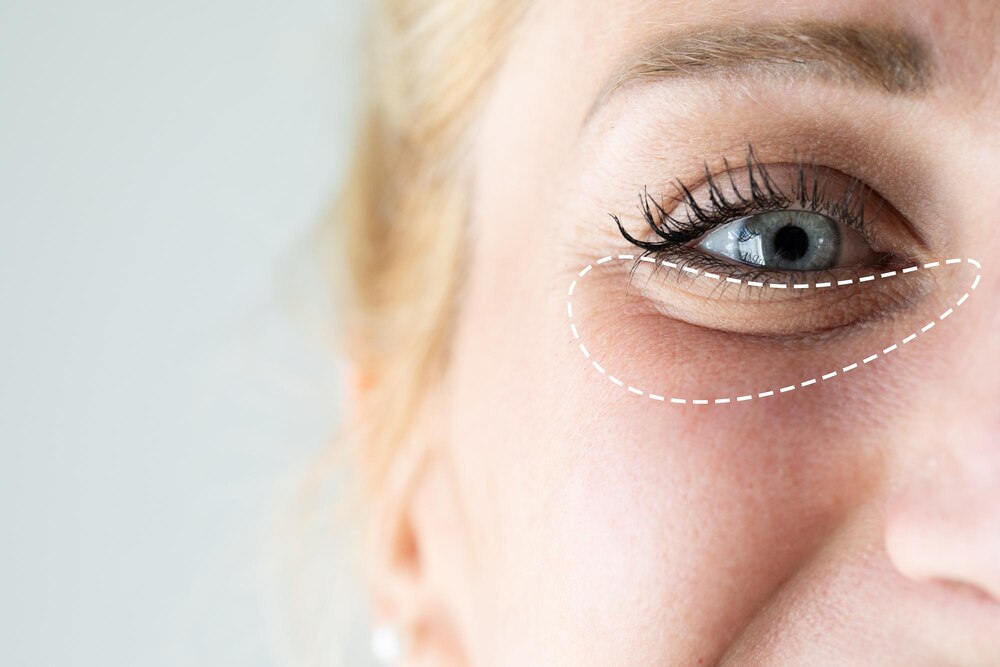
The world of eyelid rejuvenation has transformed dramatically in recent years, with traditional blepharoplasty now sharing the spotlight with trendy fox eye lifts and innovative non-surgical alternatives. As over 2.1 million people underwent blepharoplasty procedures in 2024 alone, and fox eye lift demand surged by 70%, many are left wondering which approach best suits their needs. This comprehensive guide breaks down everything you need to know about modern eyelid tightening treatments, from costs and recovery times to safety considerations and the latest 2025 innovations.
Understanding Your Eyelid Tightening Options: Surgical vs. Non-Surgical Approaches
The landscape of eyelid tightening treatments now spans from permanent surgical solutions to temporary non-invasive therapies, each with distinct advantages and limitations. Understanding these fundamental differences is crucial for making an informed decision about your eye rejuvenation journey.
Surgical approaches provide permanent results by physically removing excess skin, repositioning fat, and tightening muscles around the eye area. These procedures require incisions, anesthesia, and significant recovery time but offer dramatic, long-lasting transformation. Non-surgical methods, conversely, work by stimulating collagen production or creating temporary lifting effects through energy-based devices or injectable treatments. While these options involve minimal downtime, they require repeated sessions and maintenance to sustain results.
Traditional Blepharoplasty: The Gold Standard Since 2024
Blepharoplasty has emerged as the most popular cosmetic surgery worldwide in 2024, with over 2.1 million procedures performed, representing a remarkable 13.4% year-over-year increase. This time-tested procedure addresses both upper and lower eyelids through precise surgical techniques.
Upper blepharoplasty removes excess skin and fat from hooded upper eyelids, creating a more alert and youthful appearance. The surgeon makes incisions along the natural eyelid crease, ensuring scars remain virtually invisible once healed. Lower blepharoplasty targets under-eye bags and loose skin through incisions made just below the lash line or inside the lower lid. The procedure typically takes one to three hours and provides permanent results, though natural aging continues over time.
Fox Eye Lift Procedures: Thread Lifts to Canthoplasty
The fox eye lift encompasses a spectrum of procedures designed to create an almond-shaped, upward-slanting eye appearance popularized by celebrities and social media influencers. This trend has driven a 70% increase in demand, particularly among adults aged 25-45 seeking a more exotic eye shape.
Thread lifts represent the least invasive option, using dissolvable sutures to temporarily lift the outer corners of the eyes. These procedures cost between $1,500 and $4,500 and last approximately 6-12 months. Canthopexy involves surgically tightening the lateral canthal tendon without cutting it, while canthoplasty requires cutting and repositioning this tendon for more dramatic results. Surgical fox eye procedures range from $6,000 to $12,000, offering more permanent outcomes but with increased risks and recovery requirements.
Non-Invasive Alternatives: Laser and Radiofrequency Treatments
Rising search interest in “eyelid tightening without surgery” reflects growing demand for non-invasive alternatives that promise rejuvenation without scalpels or extended downtime. These technologies work by delivering controlled energy to stimulate collagen production and tighten existing collagen fibers.
Radiofrequency treatments like Thermage heat deeper skin layers to promote collagen remodeling, offering gradual tightening over several months. Laser resurfacing addresses surface-level concerns while also stimulating deeper tissue regeneration. While these treatments provide noticeable improvements for mild to moderate skin laxity, they cannot match the dramatic results of surgery for severe sagging or excess skin. Most patients require multiple sessions and annual maintenance treatments to sustain their results.
Real Costs Breakdown: What You’ll Actually Pay for Each Procedure
Understanding the true cost of eyelid tightening treatments extends beyond advertised prices to include facility fees, anesthesia, aftercare, and potential revision procedures. Geographic location, surgeon expertise, and procedure complexity all influence final pricing.
According to the American Society of Plastic Surgeons, average surgeon fees for upper blepharoplasty are $3,359, while lower blepharoplasty averages $3,876. However, these figures represent surgeon fees only and exclude anesthesia ($500-$1,500), facility fees ($800-$2,000), and post-operative care supplies. Fox eye surgical procedures command premium pricing between $6,000 and $12,000 total, reflecting their specialized nature and increased complexity.
Insurance Coverage and Financing Options
Insurance coverage for eyelid procedures depends entirely on medical necessity rather than cosmetic desire. Upper blepharoplasty may qualify for coverage when excess skin significantly impairs vision, documented through visual field testing. Patients must typically demonstrate at least 30% visual field obstruction to meet insurance criteria.
For cosmetic procedures, financing options like CareCredit offer monthly payment plans with promotional interest rates. Many practices also provide in-house financing or package deals combining multiple treatments. Hidden costs to consider include prescription medications ($50-$150), special pillows for elevated sleeping ($30-$80), and time off work for recovery.
Cost vs. Longevity: Calculating Long-Term Value
When evaluating treatment options, considering cost per year of results provides clearer value comparison. Surgical blepharoplasty, lasting 10-15 years, may cost $250-$400 annually when amortized. Thread lifts, requiring annual replacement at $1,500-$4,500, present higher long-term costs despite lower initial investment.
Non-surgical treatments like radiofrequency or laser typically require initial series of 3-5 sessions ($500-$1,500 each) followed by annual maintenance treatments. Over a decade, these repeated treatments can exceed surgical costs while providing less dramatic results. However, the ability to spread costs over time and avoid surgical risks makes them attractive for suitable candidates.
Recovery Time and Downtime: Planning Your Procedure
Recovery expectations vary dramatically between procedures, making accurate planning essential for work schedules, social commitments, and family responsibilities. Understanding realistic timelines helps prevent frustration and ensures optimal healing.
Blepharoplasty Recovery: The 4-6 Week Timeline
The first 48 hours post-blepharoplasty involve managing swelling and bruising with cold compresses applied 10-15 minutes hourly while awake. Days 3-5 typically mark peak swelling before gradual improvement begins. Sutures are removed at 5-7 days, when most patients feel comfortable with sunglasses in public.
Return to desk work usually occurs at 7-10 days, though screen time should be limited to prevent eye strain. Light exercise resumes at 2-3 weeks, with full activities including contact sports cleared at 4-6 weeks. Complete healing with final results takes 3-6 months as residual swelling resolves and scars mature. Experts recommend sleeping elevated and avoiding screens to optimize healing during the critical first two weeks.
Fox Eye Lift Healing: Varies by Technique
Thread lift recovery spans just 3-5 days, with immediate return to most activities aside from vigorous exercise. Minor swelling and tenderness resolve quickly, though patients must avoid rubbing or massaging the area for two weeks to prevent thread displacement.
Surgical fox eye procedures requiring canthopexy or canthoplasty involve 2-3 weeks recovery similar to blepharoplasty. However, as oculoplastic surgeon Dr. Jessica Lattman notes, asymmetry concerns are heightened with these procedures, potentially requiring revision surgery and extended healing periods. The pulling sensation and tightness around the eyes may persist for several months as tissues adapt to their new position.
Non-Surgical Treatment Recovery: Minimal but Repeated
Radiofrequency and laser treatments typically allow immediate return to normal activities with only mild redness lasting 2-4 hours. Some patients experience minor swelling for 24-48 hours, easily concealed with makeup. However, achieving optimal results requires multiple sessions spaced 4-6 weeks apart.
While individual session downtime remains minimal, the cumulative time commitment for multiple treatments and annual maintenance can exceed single surgical recovery. Patients must also avoid sun exposure and maintain strict skincare protocols between sessions to maximize results and prevent complications.
Safety Concerns and Complications: What Surgeons Won’t Always Tell You
Every eyelid tightening procedure carries inherent risks, from minor temporary issues to serious permanent complications. Understanding these risks enables informed consent and appropriate provider selection.
Blepharoplasty Risks: From Minor to Severe
Common blepharoplasty complications include temporary dry eyes, light sensitivity, and difficulty closing eyes completely during early recovery. More serious risks involve asymmetry requiring revision surgery, visible scarring, and ectropion – where the lower lid pulls away from the eye.
Research published in medical literature indicates complication rates vary significantly based on surgeon experience and technique. Ectropion occurs in approximately 1-2% of lower blepharoplasty cases, while permanent vision changes remain extremely rare at less than 0.05%. Careful patient selection and conservative tissue removal minimize these risks.
Fox Eye Lift Complications: Why Some Surgeons Refuse
Plastic surgeon Mr. Tunç Tiryaki explicitly states he refuses to perform fox eye procedures due to concerning complication profiles including visible scarring, asymmetry, restricted eyelid movement, and potential nerve injury. These risks increase with more aggressive techniques attempting dramatic eye shape changes.
Thread lifts carry additional risks of visible threads, dimpling, and infection along suture tracks. The temporary nature of results combined with potential complications leads many surgeons to discourage these procedures despite patient demand. Surgical fox eye procedures may result in permanent pulling sensations and inability to fully close eyes, particularly problematic during sleep.
Non-Invasive Treatment Limitations
While marketed as risk-free alternatives, non-invasive treatments carry their own complications. Radiofrequency and laser devices can cause burns, hyperpigmentation, or hypopigmentation, particularly in darker skin types. Fat atrophy from excessive heat may create hollowing rather than tightening.
These treatments prove unsuitable for significant skin excess or muscle laxity, potentially wasting time and money for inappropriate candidates. Temporary results require ongoing investment, and aggressive settings attempting to maximize outcomes increase complication risks without achieving surgical-level improvements.
2025 Innovations: What’s New in Eyelid Tightening
The past year has introduced several groundbreaking advances in eyelid rejuvenation, bridging gaps between surgical permanence and non-invasive convenience. These innovations address previous limitations while expanding treatment options for diverse patient needs.
Additive Blepharoplasty and Fat Grafting Advances
Traditional blepharoplasty focused primarily on removing excess tissue, sometimes creating a hollow, aged appearance. Additive blepharoplasty combines skin removal with strategic fat grafting to restore youthful volume while eliminating sagging. This approach particularly benefits patients with deep tear troughs or volume loss accompanying skin laxity.
Recent advances include nano-lipofilling techniques using specially processed fat particles for smoother, more predictable results. Stem cell-enriched grafts show promise for enhanced survival rates and regenerative effects. Platelet-rich plasma (PRP) adjuncts further optimize healing and graft integration, though long-term data remains limited.
Sutureless Devices Like Ziplyft
January 2025 saw increased adoption of innovative devices like Ziplyft, offering minimally invasive lifting without traditional sutures or extensive incisions. These technologies use specialized adhesive strips or micro-anchoring systems to achieve subtle lifting effects with minimal trauma.
While not replacing surgery for significant laxity, these devices fill the gap between non-invasive treatments and full surgical procedures. Recovery typically spans 5-7 days with results lasting 2-3 years. Early adopters report high satisfaction for appropriate candidates seeking natural enhancement without surgical commitment.
How to Choose: Matching Treatment to Your Goals
Selecting the optimal eyelid tightening treatment requires honest assessment of your concerns, expectations, lifestyle, and budget. No single approach suits everyone, and the best choice depends on individual circumstances.
Best Candidates for Each Procedure
Blepharoplasty suits patients over 35 with moderate to severe excess skin, fatty deposits, or muscle laxity seeking permanent improvement. Good candidates maintain realistic expectations, have adequate healing capacity, and can accommodate recovery downtime. Medical conditions affecting healing or eye health may disqualify certain individuals.
Fox eye procedures attract younger patients (25-45) desiring eye shape modification rather than simple rejuvenation. Thread lifts work best for mild lateral hooding with good skin quality. Surgical fox eye candidates must accept permanent alteration risks and potential need for revision.
Non-invasive treatments benefit patients with early signs of aging, those unable or unwilling to undergo surgery, and individuals seeking gradual, natural-looking improvements. Poor candidates include those with significant excess skin, unrealistic expectations, or inability to commit to multiple sessions.
Questions to Ask During Consultation
Essential consultation questions include surgeon credentials, specific procedure experience, and complication rates. Request extensive before-and-after portfolios showing similar cases to yours, paying attention to long-term results not just immediate post-procedure photos.
Clarify revision policies, emergency protocols, and actual total costs including all fees. Ask about alternative approaches and why they recommend their specific technique. Inquire about recovery specifics, activity restrictions, and realistic result timelines. Understanding maintenance requirements for non-surgical options prevents future disappointment.
Red Flags to Avoid
Beware providers promising miraculous results, pressuring immediate decisions, or offering suspiciously low prices. Lack of proper facility accreditation, absent emergency protocols, or reluctance to show credentials signal potential problems. Avoid practitioners primarily advertising on social media without established medical practices.
Be cautious of those dismissing risks, guaranteeing outcomes, or suggesting unnecessarily aggressive procedures. Reputable providers acknowledge limitations, discuss alternatives, and prioritize patient safety over profit. Trust your instincts if something feels wrong during consultation.
Conclusion: Making an Informed Decision About Eyelid Tightening
The evolution of eyelid tightening treatments offers unprecedented options for addressing aging and aesthetic concerns around the eyes. From permanent surgical solutions like blepharoplasty to trendy fox eye lifts and non-invasive alternatives, each approach presents unique benefits and considerations. Success depends not on choosing the most popular or expensive option, but on matching treatment to individual needs, expectations, and circumstances.
As innovation continues advancing these procedures, the importance of qualified providers and realistic expectations remains paramount. Whether pursuing surgical transformation or gradual non-invasive improvement, thorough research, careful provider selection, and honest self-assessment guide the path to optimal outcomes. Take time to explore all options, ask difficult questions, and choose providers who prioritize your safety and satisfaction over trends or profit margins.
