

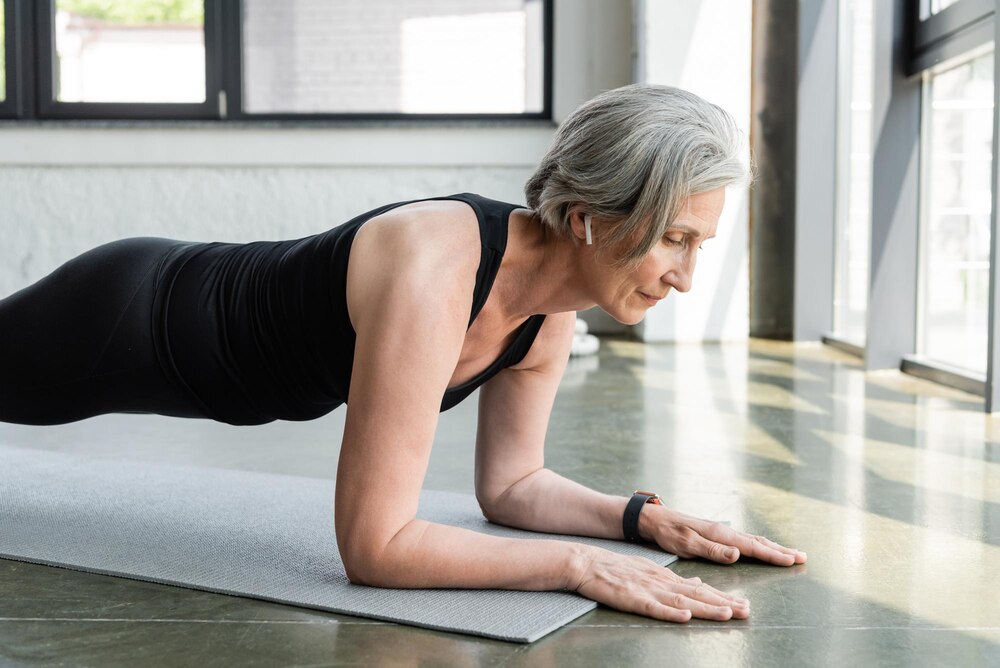
The fitness landscape has dramatically shifted for adults over 40, with core strength emerging as the fifth most important trend in the American College of Sports Medicine’s 2026 forecast. This surge in interest – representing a 27% increase in participation from 2022 to 2024 – reflects a growing awareness that traditional exercise approaches often fall short when addressing age-related abdominal changes. For many individuals navigating midlife fitness challenges, the solution increasingly lies not in choosing between surgical intervention and strength training, but in strategically combining both approaches.
As plastic surgeons observe rising numbers of patients seeking comprehensive abdominal restoration, a clear pattern has emerged: those who achieve the most lasting results understand that core strength extends beyond surface aesthetics. The journey to restored abdominal function often requires addressing structural issues that exercise alone cannot resolve, while simultaneously building the muscular foundation necessary for long-term success.
The Core Strength Crisis: Understanding Why 46.4% of Adults 40-59 Struggle with Abdominal Issues
The statistics paint a sobering picture of midlife health challenges. According to CDC data from 2024, adults aged 40-59 face the highest obesity prevalence of any age group at 46.4%, directly impacting core strength and abdominal integrity. This demographic challenge intersects with natural physiological changes that compound over decades, creating a perfect storm of factors that traditional fitness approaches struggle to address.
Beyond weight considerations, the core musculature undergoes significant changes during middle age. Starting around age 30, adults lose approximately 3-8% of muscle mass per decade, with this loss accelerating after 40. The deep stabilizing muscles of the core – including the transverse abdominis and multifidus – are particularly vulnerable to this decline, leading to compromised posture, reduced stability, and increased injury risk.
How Age and Lifestyle Affect Core Muscle Integrity
The deterioration of core strength rarely occurs in isolation. Sedentary work environments, where professionals spend 8-10 hours daily in seated positions, create muscle imbalances that weaken the anterior core while overtightening hip flexors. Pregnancy history adds another layer of complexity, as multiple pregnancies can permanently alter the fascial connections between abdominal muscles, creating structural changes that persist long after childbirth.
Hormonal shifts during perimenopause and menopause further accelerate muscle loss while promoting abdominal fat storage. Declining estrogen levels affect muscle protein synthesis, making it increasingly difficult to maintain or build core strength through exercise alone. These physiological realities explain why many individuals find their previously effective workout routines suddenly inadequate after 40.
The Hidden Impact of Diastasis Recti on Core Function
Diastasis recti, the separation of the rectus abdominis muscles along the midline, affects up to 60% of postpartum women and a significant percentage of men over 40. This condition creates more than cosmetic concerns – it fundamentally compromises core stability and function. The separated muscles cannot generate proper intra-abdominal pressure, leading to lower back pain, pelvic floor dysfunction, and an inability to perform basic core exercises effectively.
Many individuals spend years attempting to close this gap through targeted exercises, unaware that severe separations (typically those exceeding 2.5 centimeters) rarely respond to conservative treatment alone. The connective tissue between the muscles has been stretched beyond its elastic capacity, creating a structural problem that requires surgical intervention to restore proper muscle alignment and function.
Why Core Training Alone May Not Be Enough: When to Consider Surgical Intervention
The decision to pursue surgical intervention often comes after months or years of dedicated effort in the gym. Dr. Fouad Samaha, a board-certified plastic surgeon, observes this pattern regularly: “I have had scores of patients that underwent physical therapy and other programs – sometimes for years – struggle with inadequate results and tell me, ‘I wish I had met you sooner. I should have done this years ago.'” This sentiment reflects a common journey where individuals exhaust conservative options before recognizing that structural issues require structural solutions.
Understanding when exercise has reached its limits requires honest assessment of progress and goals. While core training can strengthen existing muscle tissue and improve neuromuscular coordination, it cannot repair separated muscles, remove excess skin, or reshape stretched fascia. These limitations become particularly evident when individuals maintain consistent training programs for 6-12 months without seeing meaningful improvement in core function or appearance.
Signs That Physical Therapy Has Reached Its Limits
Several indicators suggest that conservative treatment alone may be insufficient. Persistent lower back pain despite core strengthening exercises often signals compromised structural support that exercise cannot restore. A visible bulge or doming in the midline during core engagement, even after months of proper training, indicates that the connective tissue cannot contain intra-abdominal pressure effectively.
Functional limitations provide another crucial marker. When basic activities like lifting children, carrying groceries, or maintaining proper posture throughout the day remain challenging despite improved fitness levels, the core’s structural integrity may be compromised beyond what exercise can address. Additionally, if the gap between muscles can accommodate two or more finger widths when checked during a partial sit-up, surgical consultation becomes increasingly appropriate.
The Role of Diastasis Recti Repair in Core Restoration
Surgical repair of diastasis recti addresses the fundamental structural problem that limits core function. Dr. Avraham, a board-certified plastic surgeon, explains the technical approach: “We’ll do a low transverse incision, which allows us to access the abdominal wall and remove the excess skin and fat in the lower belly. At the same time, we use surgery and sutures to reposition and repair the diastasis recti.” This comprehensive approach restores the anatomical foundation necessary for effective core function.
The repair process involves more than simply bringing muscles together. Surgeons carefully reconstruct the linea alba – the connective tissue running down the abdominal midline – using permanent sutures that create lasting structural support. This restoration allows the core muscles to work as an integrated unit again, generating proper intra-abdominal pressure and providing the stability necessary for both daily activities and athletic performance.
The Science Behind Combined Approaches: Surgery Plus Strength Training
Recent research illuminates the profound benefits of combining surgical intervention with structured strength training. Studies show that 90 minutes of weekly strength training correlates with four years less biological aging, highlighting the systemic benefits that extend far beyond aesthetics. When surgical repair removes structural barriers to effective exercise, patients can access these anti-aging benefits more fully than either approach alone would allow.
The synergy between surgery and strength training creates a multiplier effect. Surgical repair provides the structural foundation for effective muscle engagement, while subsequent strength training protects and enhances surgical results. This combination addresses both the immediate structural issues and the long-term muscle health necessary for sustained core function throughout the aging process.
Post-Surgical Core Strengthening Protocols
Evidence-based rehabilitation following abdominal surgery follows a carefully structured progression. Initial recovery focuses on gentle breathing exercises and pelvic floor activation, gradually introducing isometric contractions that don’t stress surgical sites. Research published in Frontiers in Physiology demonstrates that Pilates-based training shows significant effectiveness (SMD=0.75) for pain relief and functional improvement when properly integrated into post-surgical protocols.
The typical progression spans 12-16 weeks, beginning with supine exercises that minimize intra-abdominal pressure and advancing to standing and dynamic movements as tissues heal. Physical therapists specializing in post-surgical rehabilitation often incorporate neuromuscular re-education techniques, teaching patients to properly engage their newly repaired core muscles in coordination with breathing patterns and movement sequences.
Integrating Trending Fitness Modalities: Pilates, Yoga, and Barre
The ACSM’s ranking of core training as the #5 fitness trend aligns perfectly with post-surgical recovery needs. Pilates, with its emphasis on controlled movement and deep core activation, provides ideal rehabilitation exercise that progressively challenges the core without overwhelming healing tissues. Mat-based Pilates sequences can begin as early as 8 weeks post-surgery, with equipment-based work introduced as strength improves.
Yoga offers complementary benefits through its integration of flexibility, balance, and mindful movement. Modified yoga sequences help restore the fascial mobility often compromised by surgery while building functional strength through sustained holds. Barre workouts, combining elements of ballet, Pilates, and strength training, provide low-impact options for building core endurance while improving overall body composition.
Non-Surgical Options: Med Spa Treatments That Support Core Strength Goals
For individuals not ready for surgery or seeking to enhance surgical results, medical spa treatments offer valuable support for core strength objectives. These technologies work synergistically with exercise programs, addressing specific concerns that training alone may not resolve while accelerating results for those committed to fitness protocols.
Body Contouring Technologies for Core Definition
Advanced body contouring treatments have evolved significantly, with options like Emsculpt using High-Intensity Electromagnetic (HIFEM) technology to stimulate muscle contractions equivalent to 20,000 contractions in 30 minutes. This technology builds muscle mass while increasing metabolism to reduce fat, delivering measurable results over a series of treatments without downtime. These supramaximal contractions reach muscle fibers that voluntary exercise cannot fully engage, making them particularly valuable for individuals with compromised core function.
Radiofrequency and ultrasound-based treatments complement muscle-building technologies by addressing stubborn fat deposits that obscure muscle definition. When combined with regular strength training, these treatments can accelerate the visibility of results, providing motivation to maintain exercise programs while addressing areas resistant to traditional diet and exercise approaches.
Combining Injectable Treatments with Core Training Programs
Strategic use of injectable treatments can support core training goals in unexpected ways. Certain peptide therapies may enhance muscle recovery and growth when combined with resistance training, while specific vitamin and mineral injections can address nutritional deficiencies that limit exercise performance. These treatments work best as part of comprehensive wellness programs that include proper nutrition, hydration, and recovery protocols.
Creating Your Personalized Core Restoration Plan: Questions to Ask Your Plastic Surgeon
Developing an effective core restoration strategy requires careful evaluation and planning. Dr. Avraham emphasizes a crucial starting point: “Number one – look for a board-certified plastic surgeon.” This certification ensures your provider has completed rigorous training and maintains current knowledge of both surgical techniques and safety protocols.
Beyond credentials, ask potential surgeons about their specific experience with diastasis recti repair and their approach to combining surgery with fitness goals. Inquire about their collaboration with physical therapists and fitness professionals, as the most successful outcomes often involve coordinated care teams. Request before-and-after photos of patients with similar starting points and goals, paying attention to both aesthetic results and functional improvements.
Assessing Your Starting Point: Medical Evaluation Essentials
Comprehensive evaluation begins with detailed medical history, including pregnancy history, previous surgeries, and current fitness levels. Physical examination assesses the degree of muscle separation, skin quality, presence of hernias, and overall abdominal wall integrity. Many surgeons now use imaging studies to evaluate deeper structures and plan surgical approaches that address individual anatomical variations.
Functional assessment has become increasingly important, with some practices incorporating movement screens to identify compensation patterns and strength imbalances. This information guides both surgical planning and post-operative rehabilitation protocols, ensuring that interventions address not just appearance but also functional performance.
Timeline Expectations: From Surgery to Full Core Strength
Realistic timeline expectations prevent frustration and ensure proper healing. Initial recovery typically spans 2-4 weeks, during which basic daily activities resume gradually. Light walking begins immediately to promote circulation, but core-specific exercises wait until 6-8 weeks post-surgery. Return to full exercise, including high-intensity training, usually occurs around 12 weeks, though individual variations depend on surgical extent and healing response.
Full core strength development continues for 6-12 months post-surgery as neural adaptations occur and muscle memory rebuilds. Many patients report continued improvements in strength and function up to 18 months post-procedure, particularly when maintaining consistent training programs designed specifically for their post-surgical anatomy.
The Long-Term Investment: Maintaining Results Through Evidence-Based Core Training
The 27% increase in core training participation from 2022-2024 reflects growing recognition that core strength requires ongoing investment. For those who’ve undergone surgical intervention, this commitment becomes even more crucial. Maintaining surgical results requires consistent engagement with evidence-based training programs that evolve with changing fitness levels and life circumstances.
Success in long-term core strength maintenance involves periodic reassessment and program adjustment. What works immediately post-surgery differs from maintenance protocols years later. Regular check-ins with fitness professionals familiar with post-surgical anatomy ensure that training continues to challenge the core appropriately while respecting any limitations created by surgical alterations. The combination of surgical correction and lifelong commitment to core training creates the foundation for healthy, functional aging that extends far beyond aesthetic improvements.
