

Excessive sweating can transform everyday interactions into anxiety-inducing experiences. From avoiding handshakes to changing clothes multiple times daily, hyperhidrosis affects millions of Americans who struggle with sweat production that goes far beyond normal body temperature regulation. If you’re considering professional treatment for excessive sweating, two leading options have emerged as the most effective solutions available at medical spas and cosmetic surgery practices: Botox injections and miraDry microwave therapy.
Both treatments offer FDA-cleared approaches to managing hyperhidrosis, but they work through fundamentally different mechanisms and provide distinct benefits. Understanding these differences, along with factors like cost, duration of results, and treatment experience, will help you make an informed decision about which option aligns best with your lifestyle and treatment goals. Let’s explore how these innovative treatments compare and which might be the right choice for your excessive sweating concerns.
Understanding Hyperhidrosis: When Sweating Becomes a Medical Concern
Hyperhidrosis affects approximately 15 million Americans who experience sweating that significantly interferes with daily activities. This medical condition involves overactive sweat glands that produce moisture regardless of temperature or physical activity level. Primary hyperhidrosis, the most common form, typically begins in childhood or adolescence and has no identifiable underlying cause, often running in families.
Secondary hyperhidrosis develops later in life and stems from underlying medical conditions such as thyroid disorders, diabetes, or certain medications. While both types can severely impact quality of life, primary hyperhidrosis responds particularly well to cosmetic treatments. Professional intervention becomes necessary when antiperspirants fail, clothing choices become restricted, or social and professional interactions suffer due to excessive sweating.
Signs You May Have Hyperhidrosis
Recognizing hyperhidrosis involves more than just feeling sweaty occasionally. True hyperhidrosis presents with visible sweating that soaks through clothing within minutes of putting it on, even in cool environments. Many patients report needing to change shirts multiple times throughout the day or avoiding certain colors that show sweat stains more prominently.
Additional indicators include skin maceration or peeling in areas of excessive moisture, frequent skin infections, and the need to constantly wipe hands before touching objects or shaking hands. If sweating disrupts your work performance, limits your wardrobe choices, or causes you to avoid social situations, these are clear signs that professional hyperhidrosis treatment could significantly improve your quality of life.
Areas Most Commonly Affected
While hyperhidrosis can affect any area with sweat glands, certain regions prove particularly problematic. The underarms represent the most common treatment area at medical spas, with nearly 51% of hyperhidrosis sufferers experiencing axillary sweating. This area responds exceptionally well to both Botox and miraDry treatments, making it the primary focus for most cosmetic practices.
Palmar hyperhidrosis affects the hands and creates challenges with writing, using electronic devices, and professional handshakes. Plantar hyperhidrosis involves the feet and can lead to shoe damage and foot odor issues. While Botox can treat all these areas effectively, miraDry technology currently only addresses underarm sweating, making location a crucial factor in treatment selection.
How Botox Works for Excessive Sweating
Botox for hyperhidrosis works by temporarily blocking the chemical signals from nerves that stimulate sweat glands. When these nerves can’t signal the glands to produce sweat, moisture production decreases dramatically in the treated area. The FDA approved Botox for severe underarm sweating in 2004, and it has since become one of the most popular non-surgical treatments for hyperhidrosis.
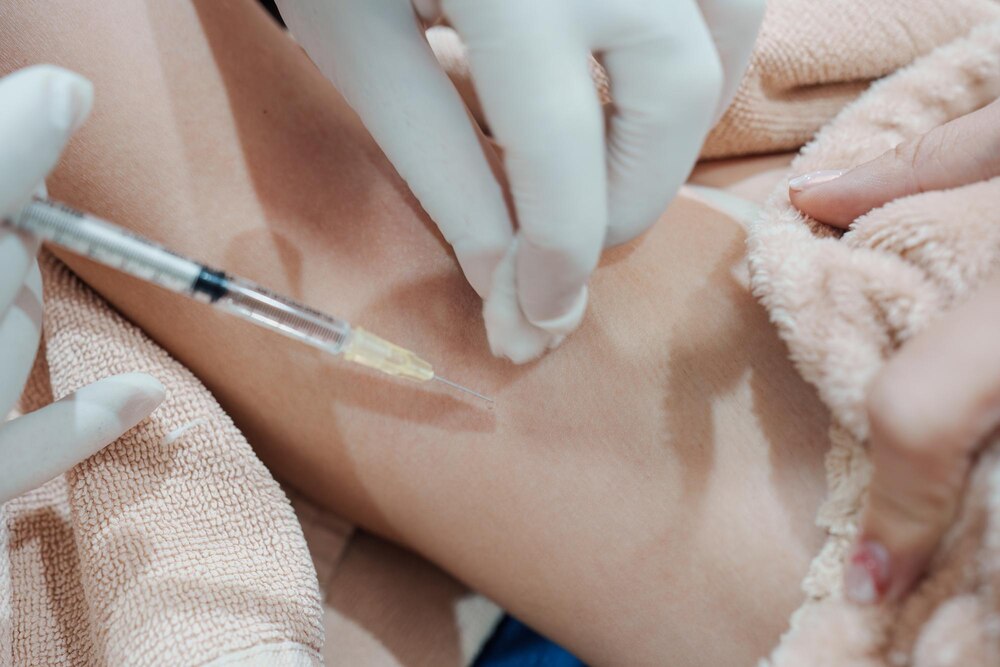
The treatment process involves multiple small injections administered in a grid pattern across the affected area. Most patients require 15 to 20 injection sites per underarm, with the entire procedure taking about 15 minutes. The effects typically begin within 3 to 5 days, with maximum sweat reduction achieved within two weeks of treatment.
Treatment Results and Duration
Clinical studies demonstrate that Botox reduces sweat production by 80-90% in responding patients at the three-month mark. The average duration between treatments is seven months, though some patients experience benefits lasting up to a year. Remarkably, research shows that 28% of patients needed only one treatment during a 16-month observation period.
An encouraging aspect of Botox treatment is that efficacy often increases with repeated injections. Studies indicate that 62% of patients experience longer-lasting results with subsequent treatments, potentially reducing the frequency of required visits over time. This improvement in duration can make Botox increasingly cost-effective for long-term management of hyperhidrosis.
Ideal Candidates for Botox Hyperhidrosis Treatment
Botox proves ideal for patients who want to test professional hyperhidrosis treatment without committing to a permanent solution. Those with excessive sweating in multiple body areas particularly benefit, as Botox can treat palms, feet, face, and underarms effectively. The reversible nature appeals to patients concerned about long-term effects or those whose sweating patterns may change.
Individuals with busy schedules appreciate the minimal downtime and quick treatment sessions. Botox also suits patients whose insurance covers the treatment for severe hyperhidrosis, as many plans provide coverage when medical necessity is documented. The ability to adjust treatment areas and intensity over time makes Botox flexible for evolving needs.
miraDry: The Permanent Solution for Underarm Sweating
miraDry utilizes precisely controlled microwave energy to permanently eliminate sweat glands in the underarm area. The technology delivers thermal energy to the specific layer of tissue where sweat glands reside, while simultaneously cooling the skin surface for comfort and protection. Once destroyed, these glands don’t regenerate, providing lasting freedom from excessive underarm sweating.
FDA-cleared for treating primary axillary hyperhidrosis, miraDry typically requires one to two treatment sessions spaced three months apart. Each session lasts 60 to 90 minutes, during which the handheld device systematically treats the entire underarm area. Local anesthesia ensures patient comfort throughout the procedure, with most describing the sensation as mild warmth and suction.
Long-Term Results and Patient Satisfaction
Recent clinical data reveals impressive long-term outcomes for miraDry recipients. Studies show that 95% of patients experience no or minimal sweating after completing their treatment protocol. Even more compelling, 70% of miraDry recipients reported their sweating no longer bothered them after 1.5 years, demonstrating sustained quality of life improvements.
The permanence of results distinguishes miraDry from temporary solutions. Unlike Botox, which requires ongoing maintenance, miraDry provides a one-time solution for most patients. This permanence translates to freedom from scheduling repeated appointments and the psychological relief of knowing excessive underarm sweating won’t return.
Additional Benefits Beyond Sweat Reduction
miraDry offers unique advantages that extend beyond moisture control. The same microwave energy that eliminates sweat glands also reduces odor glands in the underarms, providing lasting freshness without antiperspirants or deodorants. Many patients report significant reduction in underarm odor, even those who didn’t consider odor a primary concern before treatment.
An unexpected benefit many patients appreciate is underarm hair reduction. The treatment can decrease hair density by approximately 70%, eliminating or reducing the need for shaving or waxing. These combined benefits – sweat reduction, odor control, and hair reduction – make miraDry particularly appealing for those seeking comprehensive underarm treatment.
Cost Comparison: Botox vs miraDry Over Time
Initial cost considerations often influence treatment decisions, but understanding long-term financial implications provides clearer perspective. Botox treatments typically range from $1,000 to $1,500 per session, with most patients requiring treatment every 6-7 months. Over three years, this translates to approximately $6,000 to $9,000 in treatment costs.
miraDry requires a higher upfront investment of $2,000 to $3,000 per session, with most patients achieving desired results after one or two treatments. The total investment ranges from $2,000 to $6,000, but these results are permanent. When calculated over several years, miraDry often proves more economical, especially for patients who would otherwise require decades of Botox treatments.
Insurance Coverage Considerations
Insurance coverage for hyperhidrosis treatments varies significantly between providers and treatment types. Many insurance plans cover Botox for severe primary axillary hyperhidrosis when medical necessity is documented. Requirements typically include failed conservative treatments, documented impact on daily life, and specific diagnostic criteria.
miraDry generally isn’t covered by insurance, as most providers classify it as an elective procedure. However, some flexible spending accounts (FSAs) and health savings accounts (HSAs) can be used for miraDry treatments. Patients should verify coverage details and required documentation with their insurance provider before beginning treatment.
Treatment Experience: What to Expect During and After
Understanding the treatment experience helps set realistic expectations and aids in planning around work and social commitments. Both procedures are performed in-office, but the experience differs significantly in duration, sensation, and recovery requirements. Patient comfort remains a priority for both treatments, with various measures employed to minimize discomfort.
Botox Treatment Process
Botox treatment begins with marking injection sites in a grid pattern across the treatment area. Some providers apply topical numbing cream, though many patients find the injections tolerable without anesthesia. The ultra-fine needles create minimal discomfort, often described as small pinpricks lasting mere seconds per injection.
Patients can return to normal activities immediately after treatment, including work and exercise. Minor bruising or swelling at injection sites typically resolves within 24-48 hours. Results emerge gradually over the first week, with full effects visible by day 14. Maintenance treatments follow a predictable schedule, allowing patients to plan appointments in advance.
miraDry Treatment Process
miraDry treatment requires more preparation, beginning with local anesthetic injections to numb the entire underarm area. Once numbness is achieved, the provider uses a template to create a temporary tattoo grid guiding treatment placement. The handheld device moves systematically across the grid, delivering controlled microwave energy to each section.
Post-treatment effects include mild to moderate swelling and tenderness lasting 3-5 days. Ice packs and over-the-counter pain medication manage discomfort effectively. Some patients experience temporary altered sensation in the treatment area, which typically resolves within a few weeks. Most return to regular activities within 24-48 hours, though strenuous exercise should be avoided for several days.
Making the Right Choice: Key Decision Factors
Selecting between Botox and miraDry involves weighing multiple factors including treatment areas, lifestyle preferences, budget considerations, and desired permanence. Both treatments offer excellent results for appropriate candidates, but individual circumstances determine the optimal choice. Consider your long-term goals, financial situation, and tolerance for repeated treatments when making this decision.
When to Choose Botox
Botox makes sense for patients wanting to experience professional hyperhidrosis treatment before committing to permanent changes. The lower initial investment allows you to evaluate results without significant financial commitment. If excessive sweating affects multiple body areas, Botox’s versatility in treating hands, feet, face, and underarms provides comprehensive relief unavailable with miraDry.
Choose Botox if your sweating patterns fluctuate seasonally or with life changes, as treatment can be adjusted or discontinued as needed. Patients who qualify for insurance coverage often find Botox more affordable than paying out-of-pocket for miraDry. The minimal downtime and quick treatment sessions suit busy professionals who can’t accommodate extended recovery periods.
When to Choose miraDry
miraDry appeals to patients seeking permanent liberation from underarm sweating without ongoing maintenance. If you’re tired of scheduling regular appointments and want a one-time solution, miraDry’s permanent results justify the higher upfront cost. The additional benefits of odor and hair reduction make miraDry particularly attractive for comprehensive underarm treatment.
Consider miraDry if you’ve already tried Botox successfully but want to eliminate the need for repeated treatments. Patients planning other cosmetic procedures can often combine treatments for convenience. Those who calculate long-term costs recognize that miraDry’s permanent results often prove more economical than years of Botox injections.
Combining Hyperhidrosis Treatment with Other Aesthetic Services
Many patients discover hyperhidrosis treatment as part of their broader aesthetic journey. Medical spas offering both Botox and miraDry often provide complementary services that enhance overall results. Timing treatments strategically can maximize convenience and potentially reduce overall costs through package pricing.
For Botox patients, combining hyperhidrosis treatment with cosmetic Botox for wrinkles proves efficient, as both can be administered during the same appointment. miraDry patients might coordinate treatment with other body contouring procedures, planning recovery periods to minimize time away from activities. Discussing comprehensive treatment plans with your provider ensures optimal scheduling and results.
Schedule Your Hyperhidrosis Consultation
Taking the first step toward treating excessive sweating begins with a professional consultation. During this appointment, your provider will assess sweating patterns, discuss treatment goals, and recommend the most appropriate solution. Bring a list of questions, previous treatments tried, and any insurance information for coverage verification.
Preparation for consultation includes documenting how sweating impacts your daily life, work performance, and social interactions. This information helps providers understand treatment urgency and may support insurance claims. Many practices offer complimentary consultations, allowing you to explore options without financial commitment.
Living with hyperhidrosis doesn’t have to limit your potential or confidence. Whether you choose the flexibility of Botox or the permanence of miraDry, professional treatment can dramatically improve your quality of life. Both options offer proven results backed by extensive clinical research and thousands of satisfied patients who’ve reclaimed their comfort and confidence. The key lies in selecting the treatment that aligns with your specific needs, lifestyle, and long-term goals for managing excessive sweating.
