

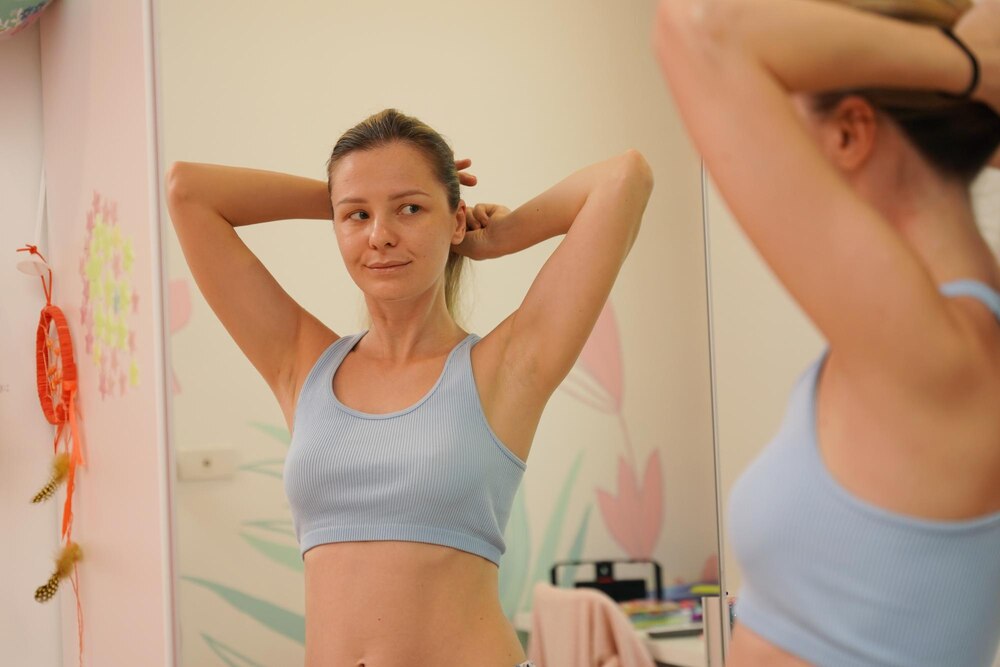
Excessive sweating can transform everyday activities into sources of anxiety and embarrassment. For the millions of Americans dealing with hyperhidrosis, simple tasks like shaking hands, giving presentations, or wearing certain colors become daily challenges. While antiperspirants and lifestyle changes help some people, many find lasting relief through an FDA-approved treatment that might surprise you – Botox injections.
The same neurotoxin famous for smoothing wrinkles has been successfully treating severe underarm sweating since 2004, when the FDA first approved it for hyperhidrosis. Today, this treatment extends beyond underarms to help patients regain confidence by controlling excessive sweating in their hands, feet, and face. Understanding how Botox works for hyperhidrosis can help you determine if this highly effective treatment could be your solution to excessive sweating.
Understanding Hyperhidrosis and Its Impact on Daily Life
Hyperhidrosis is a medical condition characterized by excessive sweating that goes far beyond the body’s normal cooling needs. According to the International Hyperhidrosis Society, approximately 4.8% of the US population – about 15.3 million people – suffer from this condition. Globally, an estimated 385 million people deal with hyperhidrosis, with 8.8% of people aged 18-39 affected.
The physical discomfort of constantly damp clothing and skin is just the beginning. People with hyperhidrosis often experience profound emotional and social impacts. They may avoid social situations, limit career choices, and struggle with intimate relationships. The condition can lead to skin infections, dehydration, and a significantly reduced quality of life that many sufferers describe as debilitating.
Primary vs Secondary Hyperhidrosis
Primary hyperhidrosis typically begins in childhood or adolescence and has no identifiable medical cause. It usually affects specific areas symmetrically – both hands, both feet, or both underarms. This type responds exceptionally well to Botox treatment because the sweating stems from overactive nerves rather than an underlying condition.
Secondary hyperhidrosis develops later in life due to medical conditions like thyroid disorders, diabetes, or menopause. It often causes generalized sweating across the entire body. While Botox can help specific problem areas in secondary hyperhidrosis, addressing the underlying condition remains the primary treatment approach.
Most Commonly Affected Areas
The underarms represent the most frequently treated area for hyperhidrosis, affecting daily clothing choices and professional interactions. Palmar hyperhidrosis (excessive hand sweating) creates challenges with writing, using electronics, and social greetings. Plantar hyperhidrosis affects the feet, causing slipping in shoes and increased risk of fungal infections.
Facial hyperhidrosis, while less common, can be particularly distressing as it’s highly visible and often misinterpreted as nervousness or poor hygiene. Each of these areas can be effectively treated with targeted Botox injections, though the injection techniques and dosages vary by location.
How Botox Works to Control Excessive Sweating
Botox works by interrupting the signals between nerves and sweat glands. When injected into areas of excessive sweating, the botulinum toxin temporarily blocks the chemical messenger acetylcholine, which normally tells sweat glands to produce sweat. Without this signal, the treated sweat glands essentially go dormant while surrounding untreated areas continue normal perspiration for temperature regulation.
This targeted approach means you don’t lose your body’s ability to cool itself. The treatment only affects the specific overactive areas causing problems, leaving the rest of your body’s cooling system intact. The effect is temporary, lasting several months before nerve endings regenerate and normal signaling resumes.
The Science Behind Neurotoxin Treatment
OnabotulinumtoxinA, the active ingredient in Botox, works at the neuroglandular junction where nerve endings meet sweat glands. The toxin binds to nerve terminals and prevents the release of acetylcholine into the synaptic cleft. This process, called chemodenervation, is highly selective and doesn’t damage the nerves or sweat glands themselves.
The treatment leverages the same mechanism used for cosmetic applications but targets different nerve types. While cosmetic Botox affects motor nerves controlling muscles, hyperhidrosis treatment targets autonomic nerves controlling sweat production. This specificity explains why the treatment is both safe and effective for multiple applications.
FDA Approval and Clinical Evidence
The FDA approved Botox for severe primary axillary hyperhidrosis in 2004, following extensive clinical trials demonstrating its safety and efficacy. Recent studies published by the NIH show that 49-61% of patients achieve at least a 2-point improvement on the Hyperhidrosis Disease Severity Scale, representing a meaningful quality of life improvement.
Clinical evidence continues to support impressive outcomes. Multiple studies document patient satisfaction rates reaching up to 98%, with many patients reporting life-changing results. The treatment has accumulated over two decades of safety data, establishing it as a well-understood and predictable intervention for excessive sweating.
What to Expect During Botox Treatment for Hyperhidrosis
Your journey begins with a comprehensive consultation to assess your sweating patterns, medical history, and treatment goals. The provider will evaluate the severity of your condition and may perform simple tests to map the most active sweating areas. This initial assessment ensures you’re a good candidate and helps create a customized treatment plan.
The actual treatment process is surprisingly quick and straightforward. Most patients are pleasantly surprised by how manageable the procedure is, especially considering the dramatic results it can deliver. Understanding each step helps reduce anxiety and ensures optimal outcomes.
Pre-Treatment Preparation
Your provider may perform a minor starch-iodine test to identify the exact areas of maximum sweating. This painless test involves applying iodine solution followed by starch powder, which turns dark purple where sweating occurs. The visual map guides precise injection placement for maximum effectiveness.
Preparation is minimal but important. Stop using antiperspirants 24 hours before treatment to ensure accurate assessment. Avoid blood-thinning medications if medically appropriate. Shaving the treatment area 2-3 days prior helps prevent irritation, but avoid shaving immediately before your appointment.
The Injection Process
Treatment typically involves 10-15 injections per underarm, using an ultra-fine needle to minimize discomfort. The entire process takes just 15-30 minutes. Many providers use ice or topical numbing cream to enhance comfort, though most patients find the injections very tolerable – similar to small pinpricks.
For palm and sole treatments, more injections may be needed due to the larger surface area and thicker skin. Nerve blocks or stronger numbing techniques might be used for these more sensitive areas. Your provider will work at a pace that keeps you comfortable throughout the procedure.
Post-Treatment Care and Recovery
One of Botox’s biggest advantages for hyperhidrosis is the minimal downtime. Most patients return to normal activities immediately, though avoiding strenuous exercise for 24 hours is recommended. You might experience minor bruising or tenderness at injection sites, which typically resolves within a few days.
Results begin appearing within 2-4 days, with full effects evident within one week. During this time, you’ll notice a dramatic reduction in sweating in treated areas. Most patients describe feeling liberated as they realize they can wear whatever they want and engage in activities they previously avoided.
Treatment Results and Duration
Clinical studies demonstrate impressive efficacy rates for Botox hyperhidrosis treatment. Patients typically experience an 82-87% reduction in sweating, transforming their daily lives. The improvement is often so dramatic that many patients report feeling like different people, finally free from the constant worry about visible sweat.
Individual results vary based on severity, injection technique, and personal metabolism. Some patients achieve near-complete dryness, while others maintain light, manageable perspiration. Even partial improvement can be life-changing for someone who previously dealt with dripping sweat.
Timeline of Results
The onset of dryness occurs rapidly, often surprising first-time patients. Within 48-72 hours, you’ll notice significantly reduced sweating. Peak effects develop over the first two weeks as the neurotoxin fully blocks nerve signals. This quick onset means you can plan treatment around important events or seasons.
The effects remain stable for several months before gradually declining. As nerve endings slowly regenerate, you’ll notice a gradual return of sweating rather than sudden failure. This predictable pattern allows you to schedule maintenance treatments before symptoms fully return.
Maintenance Treatment Schedule
Treatment duration varies by individual and injection site. Studies show median duration of 175-238 days, with many patients enjoying 6-12 months of relief. Underarm treatments tend to last longer than palm or sole injections due to differences in skin thickness and activity levels.
Most patients develop a personalized retreatment schedule based on their response patterns. Some prefer treating at the first sign of returning symptoms, while others wait for more significant sweating to return. Your provider will help optimize timing to maintain consistent results while minimizing treatment frequency.
Candidacy and Safety Considerations
Ideal candidates for Botox hyperhidrosis treatment have primary focal hyperhidrosis that significantly impacts their quality of life. You should have tried and failed conservative treatments like prescription antiperspirants before considering Botox. The treatment works best for otherwise healthy adults whose excessive sweating is localized to specific body areas.
Age considerations typically require patients to be 18 or older, though some providers treat younger patients with severe hyperhidrosis affecting school and social development. A thorough medical evaluation ensures you don’t have contraindications like neuromuscular disorders or allergies to botulinum toxin.
Ideal Candidates for Treatment
The best candidates experience excessive sweating that interferes with daily activities despite using clinical-strength antiperspirants. Your sweating should be relatively symmetric and occur in typical hyperhidrosis locations. Realistic expectations about results and commitment to maintenance treatments are important for long-term satisfaction.
Previous treatment failures actually make you a better candidate, as insurance often requires documentation of unsuccessful conservative treatments. Keep records of antiperspirants tried, lifestyle modifications attempted, and how sweating impacts your work and social life.
Potential Side Effects and Risks
Common temporary effects include injection site discomfort, minor bruising, and temporary weakness in treated areas. Hand treatments occasionally cause temporary grip weakness, though this is usually mild and resolves within weeks. Compensatory sweating in other body areas is possible but uncommon with Botox, unlike surgical alternatives.
Serious complications are extremely rare when treatment is performed by qualified providers. The established safety profile over millions of treatments provides reassurance. Most patients experience no significant side effects and find the temporary minor effects well worth the sweating relief achieved.
Cost and Insurance Coverage for Hyperhidrosis Treatment
Treatment costs vary based on the size of the treatment area and amount of product required. Underarm treatments typically require 100 units total, while hands or feet might need more. Geographic location and provider expertise also influence pricing. Many practices offer package pricing for maintenance treatments.
Insurance coverage is increasingly common for hyperhidrosis treatment since it’s an FDA-approved medical indication. Many plans cover Botox for severe primary hyperhidrosis after conservative treatment failure. Documentation requirements typically include treatment history and symptom severity assessments. Working with experienced providers familiar with insurance requirements can significantly improve coverage approval chances.
Why Choose NW Laser for Your Hyperhidrosis Treatment
At NW Laser, our experienced providers understand the profound impact hyperhidrosis has on your life. We combine advanced injection techniques with a compassionate, comprehensive approach to help you achieve lasting relief from excessive sweating. Our team stays current with the latest hyperhidrosis treatment protocols to ensure optimal results.
We offer thorough consultations to evaluate your specific needs and create personalized treatment plans. Our practice’s expertise in both cosmetic and medical applications of neurotoxins ensures precise, effective treatment delivery. Take the first step toward freedom from excessive sweating by scheduling your hyperhidrosis consultation today. Let us help you regain confidence and enjoy life without the constant worry of visible sweat.
