

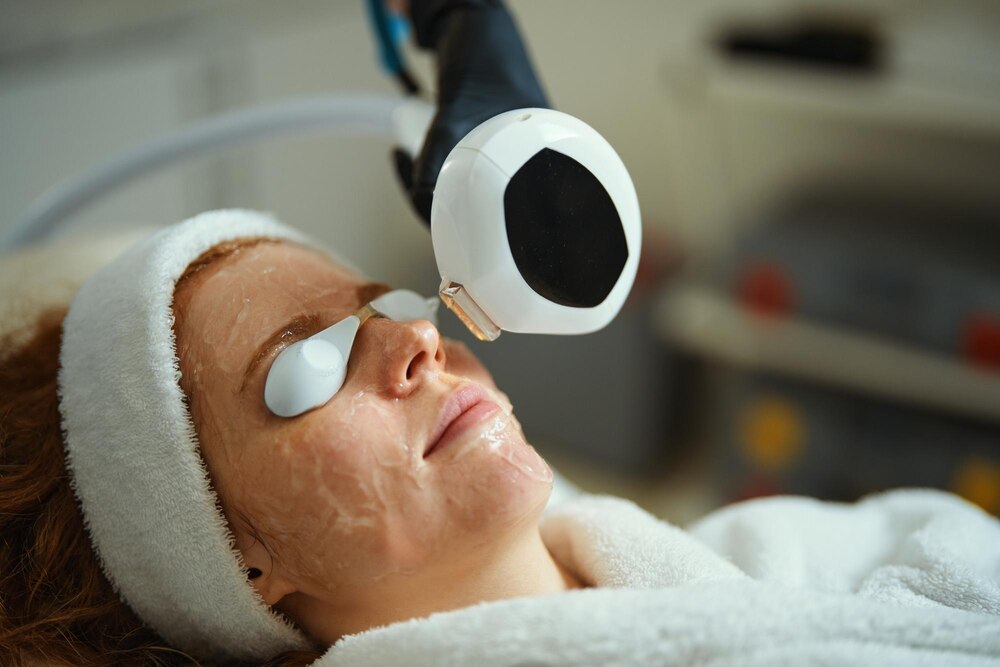
Managing sensitive skin while pursuing cosmetic improvements has long been a challenge in aesthetic medicine. For the millions dealing with rosacea, persistent redness, or compromised skin barriers, traditional laser treatments often seemed out of reach – too risky, too aggressive, or simply incompatible with their reactive skin. However, the landscape of energy-based treatments has evolved dramatically, with 2025 marking a turning point in barrier-supporting technologies designed specifically for sensitive skin types.
Today’s advanced laser platforms offer sophisticated solutions that work with, rather than against, delicate skin. Medical aesthetic practices now have access to precision technologies that can address vascular concerns, textural irregularities, and signs of aging while actually strengthening the skin’s protective barrier. These innovations mean that patients who were previously considered poor candidates for laser treatments can now safely achieve meaningful improvements in their skin’s appearance and health.
Understanding Sensitive Skin and Barrier Dysfunction in Aesthetic Medicine
Sensitive skin affects a significant portion of the population seeking aesthetic treatments. Recent global studies reveal that 5% of the world’s population – approximately 415 million individuals – suffer from rosacea alone, with 16 million Americans currently managing this chronic condition. Beyond rosacea, countless others experience reactive skin, barrier dysfunction, or heightened sensitivity that complicates their aesthetic treatment journey.
The skin barrier, technically known as the stratum corneum, serves as the body’s first line of defense against environmental stressors. When this barrier becomes compromised, skin loses moisture more readily, becomes more reactive to external stimuli, and develops increased sensitivity to products and procedures. Common manifestations include persistent redness, burning or stinging sensations, excessive dryness, and paradoxical reactions to typically well-tolerated treatments.
Traditional aggressive treatments often worsen these conditions by further disrupting the already fragile barrier function. High-energy ablative lasers, deep chemical peels, and intensive resurfacing procedures can trigger inflammatory cascades that lead to prolonged healing, increased sensitivity, and potential scarring in sensitive skin patients. This creates a frustrating cycle where those who could benefit most from skin improvements face the highest risk of adverse reactions.
Common Triggers and Contraindications for Traditional Laser Treatments
Older ablative laser systems, including CO2 and erbium lasers at full strength, pose significant risks for sensitive skin patients. These technologies work by vaporizing tissue layers, creating controlled wounds that require substantial healing capacity. For those with rosacea or barrier dysfunction, this aggressive approach can trigger severe flare-ups lasting weeks or months.
Chemical peels present similar challenges, as their mechanism relies on controlled chemical burns to remove damaged skin layers. Even medium-depth peels using trichloroacetic acid can cause excessive inflammation, prolonged erythema, and post-inflammatory hyperpigmentation in sensitive individuals. The unpredictability of healing responses makes these treatments particularly risky for this population.
Mechanical resurfacing methods like traditional dermabrasion also prove problematic, as the physical trauma can activate inflammatory pathways and disrupt the skin’s natural protective mechanisms. These contraindications have historically limited treatment options for sensitive skin patients to gentle topical therapies with modest results.
The Role of Skin Barrier Function in Treatment Response
Barrier integrity directly influences how skin responds to any aesthetic intervention. A healthy barrier maintains optimal hydration levels, regulates inflammatory responses, and supports efficient healing processes. When this barrier is compromised, even minor procedures can result in extended downtime, unpredictable reactions, and suboptimal results.
The 2025 trend toward barrier-repair focused technologies recognizes this fundamental relationship. Modern devices now incorporate features that support barrier function during treatment, including precise temperature control, microsecond pulse durations, and wavelengths that target specific chromophores without collateral damage. This approach allows for therapeutic effects while preserving the skin’s protective capabilities.
Understanding barrier function also helps practitioners predict treatment outcomes more accurately. Patients with intact barriers typically experience shorter recovery times, better treatment tolerance, and more consistent results. This knowledge has driven the development of pre-treatment protocols specifically designed to strengthen the barrier before energy-based procedures.
Breakthrough Laser Technologies Designed for Sensitive and Rosacea-Prone Skin
The latest generation of laser devices represents a paradigm shift in treating sensitive skin. These systems utilize innovative pulse structures, specialized wavelengths, and intelligent cooling mechanisms to deliver therapeutic energy while minimizing inflammatory responses. The result is a new category of treatments that sensitive skin patients can safely undergo with confidence.
Leading this revolution are devices specifically engineered for compromised skin barriers. These platforms offer multiple wavelengths, adjustable parameters, and real-time skin temperature monitoring to ensure treatments remain within therapeutic windows. The emphasis has shifted from maximum energy delivery to optimal energy distribution, prioritizing safety without sacrificing efficacy.
Aerolase Neo Elite: 650-Microsecond Technology for Compromised Skin
Clinical data shows that the Aerolase Neo Elite achieves an impressive 83% improvement in rosacea symptoms after just four monthly treatments. This device’s unique 650-microsecond pulse duration delivers energy faster than the skin’s thermal relaxation time, preventing heat accumulation that triggers inflammatory responses in sensitive patients.
The Neo Elite’s gentle heating approach targets hemoglobin in dilated vessels without damaging surrounding tissue. This precision allows practitioners to treat active rosacea, including papules and pustules, without exacerbating inflammation. The device’s contact-free delivery system further reduces irritation risk, making it suitable for even the most reactive skin types.
Patients typically experience minimal discomfort during treatment, with most describing a warm sensation rather than the sharp pain associated with traditional lasers. Post-treatment recovery is remarkably brief, with mild redness resolving within hours rather than days. This favorable safety profile makes the Neo Elite particularly valuable for maintaining results through regular maintenance treatments.
Pulsed Dye Laser (PDL) for Vascular Redness and Sensitivity
Meta-analyses demonstrate that pulsed dye laser treatments achieve 50-80% improvement in facial erythema and telangiectasia, making PDL a cornerstone of vascular rosacea management. Beyond visible improvements, PDL offers a unique benefit for sensitive skin patients – it can actually reduce skin reactivity over time.
A landmark study found that 31 of 32 patients with positive stinger tests (indicating heightened sensitivity) experienced decreased reactivity following PDL treatment. This suggests that addressing underlying vascular dysfunction can normalize skin sensitivity, breaking the cycle of chronic irritation and inflammation that characterizes many sensitive skin conditions.
Modern PDL systems incorporate dynamic cooling devices that protect the epidermis while allowing therapeutic energy to reach deeper vascular targets. Treatment parameters can be precisely adjusted based on vessel size, depth, and patient skin type, ensuring optimal outcomes while minimizing purpura and other side effects that concerned earlier PDL users.
Non-Ablative Fractional Lasers and Barrier Repair Technology
The 2025 trend toward skin barrier repair lasers represents a fundamental shift in fractional technology. Unlike traditional fractional resurfacing that creates thousands of microscopic wounds, newer non-ablative fractional devices stimulate regeneration without disrupting the skin surface. This approach maintains barrier integrity while promoting collagen remodeling and cellular turnover.
These advanced systems create controlled thermal zones that trigger healing responses without removing tissue. The surrounding untreated skin provides growth factors and structural support, accelerating recovery while minimizing inflammation. For sensitive skin patients, this means achieving textural improvements and mild tightening without the risks associated with ablative procedures.
Treatment protocols typically involve lower densities and gentler settings compared to standard patients, with results building gradually over multiple sessions. While this approach requires patience, the absence of significant downtime and reduced risk profile make it ideal for those who cannot tolerate aggressive interventions.
Comparing Treatment Modalities: Lasers vs. IPL vs. RF for Sensitive Skin
Choosing the appropriate energy-based technology for sensitive skin requires understanding the unique advantages and limitations of each modality. While all can be effective when properly applied, their mechanisms of action and safety profiles vary significantly, making certain options more suitable for specific presentations of sensitivity.
Intense Pulsed Light (IPL) Safety Profile and Limitations
Research confirms that IPL is safe and effective for vascular rosacea in individuals with skin types I-III, offering a non-invasive option for reducing redness and visible vessels. IPL’s broad spectrum of light allows practitioners to target multiple chromophores simultaneously, addressing both vascular and pigmentary concerns in a single treatment.
However, IPL’s less selective energy delivery compared to lasers means careful patient selection is crucial. Darker skin types face increased risk of post-inflammatory hyperpigmentation, and the technology’s limited penetration depth may not adequately address deeper vascular lesions. Additionally, the large spot sizes and broad spectrum can make IPL less precise than laser alternatives for treating specific concerns.
Modern IPL devices with advanced filters and cooling systems have improved safety profiles for sensitive skin, but treatment parameters must be conservative. Starting with lower fluences and gradually increasing based on skin response helps minimize adverse reactions while still achieving therapeutic effects.
Radiofrequency and Ultrasound: Non-Light Energy Options
Radiofrequency (RF) and ultrasound technologies offer unique advantages for sensitive skin patients by completely avoiding the chromophore-dependent mechanisms of light-based treatments. These modalities generate controlled heating through electrical currents or sound waves, stimulating collagen production without surface damage.
Non-invasive RF devices provide skin tightening with zero downtime, making them ideal for patients who cannot tolerate any visible recovery period. The heating occurs in deeper tissue layers while surface cooling protects the epidermis, maintaining barrier function throughout treatment. This approach is particularly valuable for sensitive skin patients seeking anti-aging benefits without irritation risk.
Ultrasound technology, particularly microfocused ultrasound with visualization, allows precise energy delivery to specific tissue depths. The ability to bypass the skin surface entirely while creating focal points of thermal coagulation makes this modality exceptionally safe for compromised barriers. However, the lifting and tightening effects develop gradually over months, requiring patient education about realistic timelines.
Treatment Protocols and Modifications for Highly Reactive Skin
Successfully treating sensitive skin requires more than selecting appropriate technology – it demands comprehensive protocol modifications that account for heightened reactivity at every stage. These adjustments, often overlooked in standard treatment approaches, can mean the difference between success and complications.
Pre-Treatment Preparation and Skin Conditioning
Barrier strengthening begins weeks before the actual procedure. A preparatory regimen focusing on ceramides, niacinamide, and gentle hyaluronic acid helps fortify the skin’s protective mechanisms. Avoiding potentially irritating ingredients like retinoids, alpha hydroxy acids, and vitamin C in the week before treatment reduces baseline inflammation.
Timing considerations extend beyond product use to include lifestyle factors. Scheduling treatments during periods of low stress, avoiding peak allergy seasons, and ensuring adequate hydration all contribute to optimal treatment conditions. For rosacea patients, identifying and avoiding personal triggers in the days leading up to treatment helps ensure skin is in its calmest state.
Some practitioners advocate for a test spot approach, treating a small, inconspicuous area first to assess individual response. This conservative strategy, while extending the overall treatment timeline, provides valuable information about optimal parameters and expected healing patterns for each patient.
Parameter Adjustments and Treatment Spacing
Starting with significantly lower fluences than manufacturer recommendations is standard practice for sensitive skin. Initial treatments might use 30-50% of typical energy levels, with gradual increases only after confirming good tolerance. This conservative approach may require additional sessions but dramatically reduces adverse reaction risk.
Extended intervals between treatments allow complete recovery and assessment of delayed reactions. While standard protocols might suggest treatments every 4 weeks, sensitive skin patients often benefit from 6-8 week intervals, particularly during initial treatment series. This spacing also allows for evaluation of cumulative effects and adjustment of subsequent session parameters.
Pulse duration, spot size, and cooling settings all require careful consideration. Longer pulse durations with lower peak powers often prove more comfortable, while smaller spot sizes allow for more precise treatment of problem areas without affecting surrounding sensitive tissue.
Managing Post-Treatment Recovery in Compromised Skin
Post-treatment care for sensitive skin emphasizes barrier restoration and inflammation control. Immediately following treatment, application of medical-grade healing serums containing growth factors or peptides can accelerate recovery. Simple, fragrance-free moisturizers with minimal ingredients reduce irritation risk during the vulnerable healing phase.
Red flags requiring immediate attention include excessive swelling, blistering, prolonged burning sensations, or signs of infection. Sensitive skin patients should receive detailed written instructions outlining expected healing progression and clear guidelines for when to contact their provider. Having a low threshold for follow-up ensures early intervention if complications arise.
Sun protection becomes even more critical for sensitive skin post-treatment. Physical sunscreens with zinc oxide or titanium dioxide provide broad-spectrum protection without chemical irritants. Patients should understand that even brief sun exposure can trigger inflammatory responses that compromise results and potentially cause lasting hyperpigmentation.
Combining Laser Therapy with Regenerative and Biologic Treatments
The integration of regenerative medicine with energy-based treatments represents an exciting frontier for sensitive skin management. These biologic therapies can enhance healing, reduce inflammation, and improve overall treatment outcomes while maintaining exceptional safety profiles.
PRP and Growth Factors for Enhanced Barrier Recovery
Platelet-rich plasma (PRP) applied immediately after laser treatment delivers concentrated growth factors directly to treated tissue. For sensitive skin patients, this can significantly reduce recovery time and minimize inflammatory responses. The autologous nature of PRP eliminates allergic reaction concerns, making it ideal for reactive skin types.
Topical growth factor serums provide similar benefits without the invasiveness of PRP preparation. These products, when applied during the immediate post-treatment window, support cellular regeneration and barrier repair. Some formulations specifically target inflammation pathways, helping to prevent the cascade of reactions that can occur in sensitive skin.
Exosome therapy, emerging as a next-generation regenerative option, offers even more targeted cellular communication and healing signals. Early studies suggest exosomes may be particularly beneficial for rosacea and other inflammatory skin conditions, though more research is needed to establish optimal protocols.
Building a Comprehensive Treatment Plan
Successful long-term management requires strategic sequencing of treatments. Starting with gentle, barrier-supporting modalities establishes a foundation before progressing to more targeted interventions. For example, beginning with LED therapy or gentle radiofrequency can precondition skin for subsequent laser treatments.
Combining modalities must be done thoughtfully to avoid overwhelming sensitive skin. Rather than aggressive combination treatments, a staged approach alternating between vascular-targeted and collagen-stimulating treatments often yields better results. This allows skin to fully recover between different types of stimulation.
Maintenance protocols are essential for preserving improvements in sensitive skin. Regular, gentle treatments often prove more effective than sporadic aggressive interventions. Establishing a sustainable routine that patients can maintain long-term ensures lasting results while minimizing flare-up risks.
Expected Outcomes and Realistic Timelines for Sensitive Skin
Understanding realistic expectations helps sensitive skin patients commit to treatment plans despite potentially slower initial progress. Evidence-based data specific to sensitive skin populations provides valuable guidance for both practitioners and patients.
Clinical Response Rates in Rosacea and Sensitive Skin
Studies consistently show that sensitive skin patients can achieve excellent results with appropriate treatments, though timelines may extend beyond those for normal skin. Vascular improvements typically become visible after 2-3 treatments, with optimal results at 4-6 sessions. Textural changes and overall skin quality improvements develop more gradually, often requiring 6-12 months of consistent treatment.
Response rates vary by condition severity and treatment modality. Mild to moderate rosacea shows 60-85% improvement with appropriate laser therapy, while severe cases may achieve 40-60% reduction in symptoms. Importantly, even partial improvements can dramatically impact quality of life for sensitive skin sufferers who have struggled with chronic irritation.
The number of treatments needed depends on multiple factors including baseline severity, skin reactivity, and treatment aggressiveness. Conservative protocols may require 6-8 sessions to achieve results comparable to 3-4 aggressive treatments, but the reduced risk and minimal downtime often justify this approach for sensitive patients.
Managing Patient Expectations and Treatment Goals
Setting realistic goals prevents disappointment and encourages treatment adherence. Complete resolution of sensitivity is rare; instead, focus should be on meaningful improvement and enhanced skin resilience. Patients should understand that managing sensitive skin is an ongoing process requiring maintenance treatments and consistent homecare.
Different severities require adjusted expectations. Mild sensitivity may resolve completely with appropriate intervention, while severe rosacea or chronic barrier dysfunction may always require some level of management. Helping patients understand their specific situation prevents unrealistic expectations and frustration.
Alternative approaches should be considered when laser treatments prove unsuitable. Some patients may respond better to combination topical therapy, oral medications, or lifestyle modifications. Recognizing when to pivot treatment strategies demonstrates good clinical judgment and ultimately serves patient interests better than pursuing ineffective interventions.
Conclusion: The Future of Sensitive Skin Treatment in Medical Aesthetics
The landscape of sensitive skin treatment has transformed dramatically, with 2025’s advanced technologies finally offering safe, effective options for this previously underserved population. The shift toward barrier-supporting, precision-targeted treatments means that rosacea, chronic redness, and skin sensitivity no longer disqualify patients from achieving their aesthetic goals. These innovations represent more than technological advancement – they embody a fundamental change in how the aesthetic medicine field approaches skin health.
For those with sensitive skin considering professional treatments, the key lies in finding qualified providers who understand the unique requirements of compromised barriers and reactive skin. The right practitioner will prioritize skin health over aggressive intervention, take time to develop personalized protocols, and maintain realistic expectations while working toward meaningful improvements. With proper expertise and today’s sophisticated treatment options, even the most sensitive skin can achieve lasting enhancement in both appearance and comfort.
