

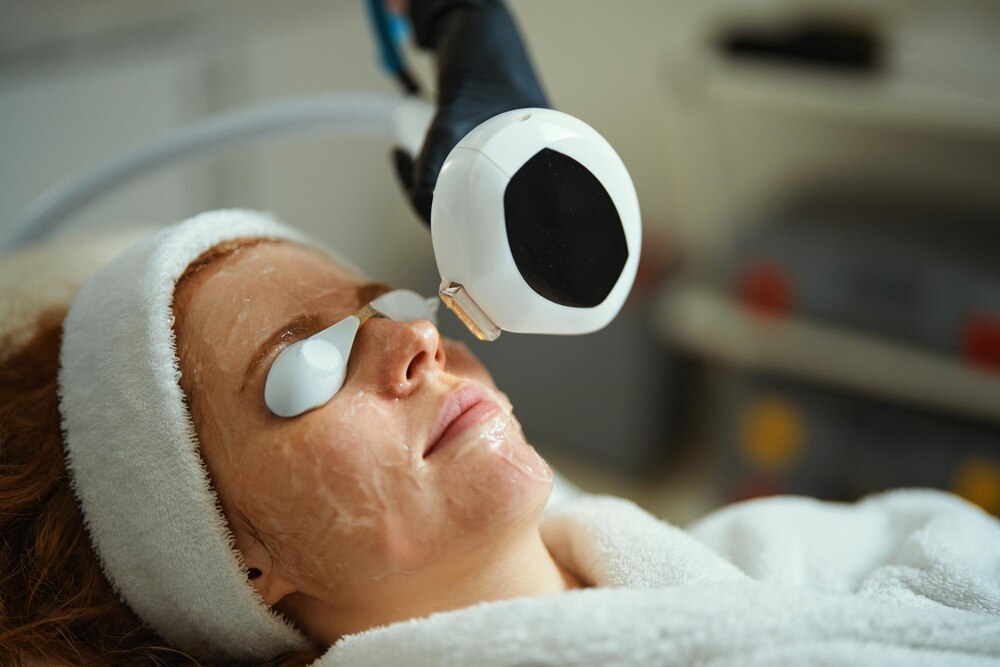
The landscape of laser pigmentation removal has transformed dramatically in 2025, with advanced technologies offering safer, faster, and more effective solutions for various skin discoloration concerns. Whether dealing with stubborn melasma, sun spots from years of UV exposure, or post-inflammatory hyperpigmentation, today’s laser systems deliver results that were unattainable just a few years ago. Understanding which technology best addresses your specific pigmentation type – and why combination approaches often yield superior outcomes – is essential for anyone considering professional treatment.
Understanding Different Types of Pigmentation and Their Laser Treatment Approaches
Not all pigmentation responds equally to laser treatment. The depth, cause, and cellular characteristics of discoloration determine which laser wavelength and treatment protocol will be most effective. Surface-level sun spots may clear with a single type of laser, while deeper melasma requires a multi-modal approach to prevent the high recurrence rates seen with monotherapy.
The key to successful pigmentation removal lies in accurate diagnosis and customized treatment planning. Each pigmentation type has unique characteristics that influence how it responds to different laser wavelengths and energy levels. Understanding these differences helps explain why some patients see dramatic results after just a few sessions while others require ongoing maintenance treatments.
Melasma: Why It Requires Specialized Treatment
Melasma presents one of the most challenging pigmentation conditions to treat effectively. This hormone-influenced discoloration typically appears as symmetrical brown or gray-brown patches on the face, particularly on the cheeks, forehead, upper lip, and nose. What makes melasma particularly stubborn is its tendency to recur – studies show an 81% recurrence rate when Q-switched laser is used as monotherapy.
The complexity of melasma stems from its multi-factorial nature. Hormonal fluctuations, sun exposure, genetic predisposition, and even heat can trigger or worsen the condition. This is why the most effective melasma treatments now combine laser therapy with topical medications, oral supplements, and strict sun protection protocols. The laser component breaks up existing pigment, while adjunctive therapies address the underlying triggers and prevent new pigmentation from forming.
Sun Spots and Age Spots: Straightforward Laser Solutions
Unlike melasma, sun spots and age spots (solar lentigines) respond predictably to laser treatment. These discrete, well-defined patches of hyperpigmentation result from cumulative sun damage over years or decades. Because they lack the hormonal component and complex pathophysiology of melasma, sun spots typically clear effectively with targeted laser treatments without the high recurrence rates seen in other pigmentation types.
The superficial nature of most sun spots makes them ideal candidates for Q-switched laser treatment. The laser energy selectively targets the concentrated melanin in these lesions, breaking it into smaller particles that the body’s immune system can clear away. Most patients see significant fading after one to three sessions, with complete clearance possible in many cases.
Post-Inflammatory Hyperpigmentation (PIH): Treatment Considerations
Post-inflammatory hyperpigmentation develops following skin injury or inflammation, commonly after acne, burns, or aggressive cosmetic procedures. PIH presents unique treatment challenges, particularly in darker skin types (Fitzpatrick IV-VI), where the risk of worsening pigmentation from laser treatment itself must be carefully managed.
For patients with darker skin tones, laser settings must be precisely calibrated to avoid triggering additional inflammation. Lower energy levels, longer pulse durations, and proper skin cooling become critical for safe treatment. Pre-treatment with topical lightening agents and post-treatment anti-inflammatory protocols help minimize the risk of paradoxical darkening while maximizing pigment clearance.
Q-Switch Laser Technology: The Gold Standard for Pigmentation Removal
Q-switched lasers have earned their reputation as the gold standard for pigmentation removal through decades of clinical use and refinement. Recent research demonstrates that 53% of patients achieved excellent clearance using Q-switched 1064/532 nm Nd:YAG lasers for facial pigmentation, with an additional 30% achieving good to moderate clearance across all skin types.
The effectiveness of Q-switched technology lies in its ability to deliver extremely short, high-energy pulses measured in nanoseconds. This rapid energy delivery creates a photoacoustic effect that shatters pigment particles without heating surrounding tissue, minimizing the risk of scarring or post-inflammatory hyperpigmentation.
How Q-Switch Lasers Target Pigmentation
Q-switched lasers work through selective photothermolysis, a process where specific wavelengths of light are absorbed by melanin while sparing surrounding tissue. The 532 nm wavelength targets superficial pigmentation in the epidermis, while the 1064 nm wavelength penetrates deeper to address dermal pigmentation. This dual-wavelength capability allows practitioners to customize treatment based on pigmentation depth.
When the laser energy hits concentrated melanin, it causes rapid thermal expansion that fragments the pigment into microscopic particles. These fragments are then recognized as foreign material by the body’s immune system and gradually removed through lymphatic drainage. This process typically takes several weeks, which is why pigmentation continues to fade even after the treatment session ends.
Clinical Success Rates and Patient Outcomes
Clinical studies provide compelling evidence for Q-switched laser effectiveness. Research shows a 69.4% reduction in pigmentation severity index with Q-switched 532 nm laser treatment, significantly outperforming tranexamic acid injections alone, which achieved only 26.1% reduction. These results highlight the superior efficacy of laser treatment for pigmentation removal when compared to standalone topical or injectable therapies.
Patient satisfaction rates remain high with Q-switched laser treatment, particularly when realistic expectations are set regarding the number of sessions required and the gradual nature of improvement. Most patients require three to six sessions spaced four to six weeks apart for optimal results, though some may see significant improvement after just one or two treatments.
Safety Profile for Different Skin Types
Modern Q-switched lasers have demonstrated excellent safety profiles across all Fitzpatrick skin types when operated by experienced practitioners. The key to safe treatment in darker skin types lies in using longer wavelengths (1064 nm), lower fluences, and appropriate cooling methods. Pre-treatment spot testing helps identify optimal parameters for each patient’s unique skin characteristics.
Side effects remain minimal with proper technique, typically limited to temporary redness, mild swelling, and transient darkening of treated pigmentation before it begins to fade. The risk of scarring or permanent pigmentation changes is extremely low when appropriate protocols are followed, making Q-switched lasers a reliable choice for diverse patient populations.
Fractional CO2 Laser: Beyond Surface Pigmentation
Fractional CO2 lasers offer unique advantages for patients whose pigmentation concerns accompany textural issues or deeper sun damage. Unlike Q-switched lasers that specifically target pigment, fractional CO2 technology creates controlled micro-injuries that trigger comprehensive skin remodeling while addressing discoloration. DOT laser therapy exemplifies this approach, combining pigmentation removal with collagen stimulation for overall skin rejuvenation.
The dual action of fractional CO2 lasers makes them particularly valuable for mature skin showing multiple signs of photoaging. While clearing pigmentation, these lasers simultaneously improve fine lines, skin texture, and overall tone, providing more comprehensive rejuvenation than pigment-specific treatments alone.
When Fractional CO2 Is the Better Choice
Fractional CO2 becomes the preferred option when pigmentation issues coincide with acne scarring, textural irregularities, or significant photodamage. Patients with extensive sun damage often present with a combination of pigmentation, wrinkles, and skin laxity that benefits from the multi-dimensional improvement fractional CO2 provides.
The ablative nature of fractional CO2 also allows for better penetration of topical treatments applied immediately post-procedure. This enhanced absorption can significantly improve outcomes when combining laser treatment with prescription lightening agents or other active ingredients.
Combination Protocols with Tranexamic Acid
Recent research has revealed impressive results when combining fractional CO2 laser with tranexamic acid delivery. Studies show that 62.5% of patients demonstrated fading of pseudo reticular pigmentation networks when fractional CO2 was combined with 10% tranexamic acid application, compared to 55% with ascorbic acid combinations.
The microscopic channels created by fractional CO2 laser act as delivery pathways for tranexamic acid, allowing deeper penetration than topical application alone. This drug-assisted laser therapy approach represents a significant advancement in treating resistant pigmentation, particularly in cases where traditional methods have failed.
Mosaic 3D and Other Emerging Laser Technologies
Non-ablative laser systems like Mosaic 3D are gaining attention for their ability to treat pigmentation with minimal downtime. These systems work by heating targeted tissue without removing the surface layer of skin, making them ideal for patients who cannot accommodate the recovery period associated with more aggressive treatments.
The appeal of these newer technologies lies in their versatility and safety profile. Mosaic 3D effectively addresses hyperpigmentation while also improving acne scarring and fine wrinkles, offering comprehensive benefits without the extended healing time of traditional ablative procedures.
Non-Ablative vs. Ablative: Choosing the Right Approach
The choice between non-ablative and ablative laser treatments depends on several factors including pigmentation severity, available recovery time, and treatment goals. Non-ablative treatments typically require more sessions but offer the advantage of minimal downtime – patients can often return to normal activities immediately. Ablative treatments provide more dramatic results per session but require several days to a week of recovery.
For mild to moderate pigmentation, non-ablative approaches often provide sufficient improvement with less risk and inconvenience. However, severe or deeply embedded pigmentation may require the more aggressive approach of ablative lasers to achieve satisfactory clearance.
Why Combination Therapy Is Essential for Lasting Results
The high recurrence rate of certain pigmentation types, particularly melasma, has led to a paradigm shift toward combination therapy. The American Academy of Dermatology now emphasizes that there is no single best treatment for melasma, instead recommending multiple strategies tailored to individual needs.
Combination therapy addresses pigmentation through multiple mechanisms simultaneously. While lasers break up existing pigment, topical treatments prevent new pigmentation from forming, oral medications address systemic factors, and sun protection prevents triggering of melanocytes. This comprehensive approach significantly improves both initial clearance rates and long-term maintenance of results.
Laser Plus Topical Treatments: The New Standard
Modern pigmentation protocols typically combine laser sessions with prescription topical treatments including hydroquinone, tretinoin, tranexamic acid, and vitamin C derivatives. These topicals work synergistically with laser treatments – the laser breaks up existing pigment while topicals prevent new pigmentation and enhance the skin’s natural clearing mechanisms.
Timing of topical application relative to laser treatments requires careful consideration. Some ingredients are discontinued before laser sessions to prevent adverse reactions, while others are applied immediately post-treatment to take advantage of enhanced penetration. This orchestrated approach maximizes efficacy while minimizing side effects.
Treatment Frequency and Maintenance Protocols
Optimal treatment frequency varies by laser type and individual response. Q-switched laser sessions are typically spaced four to six weeks apart to allow complete healing and pigment clearance between treatments. Fractional treatments may require longer intervals of six to eight weeks due to the more intensive remodeling process.
Maintenance protocols are crucial for preventing recurrence, especially with melasma. This often includes quarterly touch-up laser sessions, ongoing use of topical treatments, and vigilant sun protection. Patients who commit to comprehensive maintenance programs show significantly better long-term outcomes than those who discontinue care after initial clearance.
What to Expect During Your Laser Pigmentation Treatment Journey
Understanding the treatment process helps patients prepare mentally and physically for their pigmentation removal journey. From initial consultation through final results, each phase plays a crucial role in achieving optimal outcomes while minimizing risks and discomfort.
The journey typically begins with a comprehensive skin assessment to determine the type and depth of pigmentation, identify any contraindications, and develop a customized treatment plan. This personalized approach ensures that each patient receives the most appropriate laser settings and complementary treatments for their specific condition.
Initial Consultation and Skin Assessment
The consultation process includes detailed examination using specialized lighting such as Wood’s lamp, which helps differentiate between epidermal and dermal pigmentation. Many practitioners also perform patch testing to determine optimal laser parameters and assess individual healing response before proceeding with full treatment.
During this initial visit, practitioners review medical history, current medications, and lifestyle factors that could affect treatment outcomes. Patients taking photosensitizing medications or those with a history of abnormal scarring may require modified protocols or alternative treatment approaches.
Treatment Sessions: Pain Management and Recovery
Modern laser systems have significantly improved patient comfort compared to earlier generations. Most treatments involve application of topical numbing cream 30-45 minutes before the procedure, making the experience tolerable for most patients. The sensation is often described as a rubber band snapping against the skin, with most sessions lasting 15-30 minutes depending on treatment area.
Recovery varies significantly by laser type. Q-switched treatments typically cause mild redness and possible darkening of pigmented areas that resolve within days. Fractional CO2 treatments involve more intensive recovery with redness, swelling, and peeling lasting up to a week. Non-ablative treatments offer the gentlest recovery with minimal visible effects.
Results Timeline and Follow-Up Care
Pigmentation fading occurs gradually over weeks to months following treatment. Initial darkening of treated spots is common and represents successful targeting of pigment, not treatment failure. Most patients begin seeing lightening within two to three weeks, with continued improvement for several months.
Sun protection becomes paramount during the healing process and beyond. Even brief sun exposure can trigger melanocyte activity and undo treatment progress. Patients must commit to daily broad-spectrum sunscreen use, protective clothing, and sun avoidance during peak hours to maintain their results.
Cost Considerations and Treatment Value in 2025
Laser pigmentation removal represents a significant investment, with individual session costs ranging from several hundred to over a thousand dollars depending on the technology used and treatment area. However, when compared to years of prescription topicals or over-the-counter products that provide minimal improvement, laser treatment often proves more cost-effective long-term.
Insurance typically does not cover cosmetic pigmentation removal, though some plans may provide coverage when pigmentation results from medical conditions or treatments. Many practices offer package pricing for multiple sessions or combination treatments, reducing the per-session cost. Financing options have also become more accessible, allowing patients to spread treatment costs over time.
Is Laser Pigmentation Removal Right for You? Key Decision Factors
Ideal candidates for laser pigmentation removal have realistic expectations about results and are committed to following pre and post-treatment protocols. Those with discrete, well-defined pigmentation typically see better results than patients with diffuse, hormone-related discoloration. Skin type, lifestyle factors, and ability to avoid sun exposure during treatment also influence candidacy.
Contraindications include active skin infections, recent isotretinoin use, pregnancy, and certain medical conditions affecting healing. Patients should disclose all medications and supplements during consultation, as some can increase photosensitivity or affect treatment outcomes. Key questions to ask during consultation include the practitioner’s experience with your skin type, expected number of sessions, potential risks, and long-term maintenance requirements.
The advancement of laser technology in 2025 has made pigmentation removal more accessible, effective, and safe than ever before. Whether addressing stubborn melasma, sun damage, or post-inflammatory hyperpigmentation, today’s laser systems offer solutions tailored to individual needs and skin types. Success requires choosing the right technology, following comprehensive treatment protocols, and maintaining results through ongoing care. With proper treatment selection and realistic expectations, most patients can achieve significant improvement in their pigmentation concerns, leading to clearer, more even-toned skin.
