

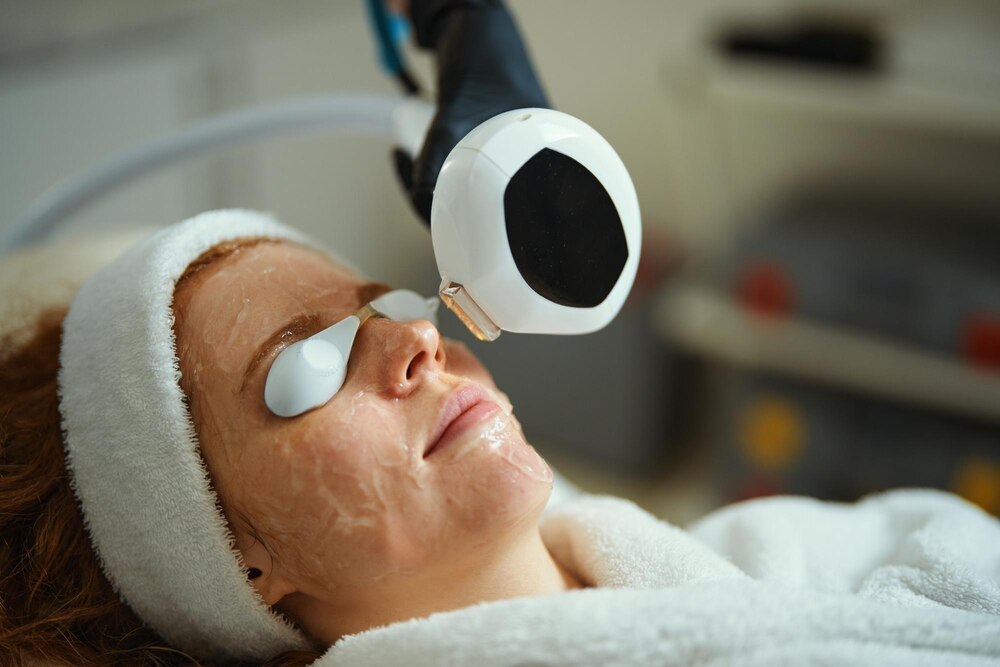
Recovery after facial laser therapy is one of the most common concerns for patients considering treatment in 2025. While laser skin resurfacing has proven highly effective for addressing acne scars, hyperpigmentation, and signs of aging, the actual day-to-day recovery experience often differs from what many clinics advertise. This comprehensive guide provides honest, detailed timelines based on current clinical data and the latest technological advances, helping you understand exactly what to expect during your healing journey.
Understanding Different Facial Laser Types and Their Recovery Requirements
The recovery timeline for facial laser therapy varies significantly depending on the type of laser used and the intensity of treatment. In 2025, advanced laser technologies offer more options than ever before, each with distinct healing profiles and downtime requirements. Understanding these differences is crucial for setting realistic expectations and planning your recovery period.
Modern facial lasers fall into two main categories: ablative and non-ablative. Ablative lasers remove thin layers of skin to trigger regeneration, while non-ablative options heat underlying tissue without damaging the surface. The newer generation of devices available in 2025 includes AI-enabled systems that automatically adjust settings based on real-time skin analysis, potentially reducing recovery times while maintaining effectiveness.
Fractional CO2 Lasers: 7-14 Day Recovery Window
Fractional CO2 lasers remain the gold standard for dramatic skin resurfacing results but require the longest recovery period. These powerful devices create microscopic treatment zones that penetrate deep into the dermis, stimulating extensive collagen remodeling. Recent clinical studies show that more than 50% of patients experience significant swelling, tenderness, and discomfort during the early recovery phase, though these symptoms typically resolve within two weeks.
The fractional approach, which treats only a portion of the skin surface while leaving surrounding tissue intact, has revolutionized CO2 laser recovery compared to older full-field ablation. Despite this improvement, patients should still plan for at least one week of social downtime, with complete healing extending to 14 days for more intensive treatments.
Er:YAG and Non-Ablative Lasers: 1-3 Day Recovery
Er:YAG (erbium-doped yttrium aluminum garnet) lasers offer a gentler alternative with minimal downtime. These devices precisely remove superficial skin layers with less heat damage to surrounding tissue compared to CO2 lasers. Recovery after Er:YAG laser treatment requires pre-procedure topical tretinoin to help prime the skin for quicker healing after ablation, typically resulting in just 1-3 days of visible redness and mild peeling.
Non-ablative options like Nd:YAG and diode lasers work beneath the skin surface without removing the epidermis, allowing patients to return to normal activities immediately. While multiple sessions are usually needed for optimal results, the virtually nonexistent downtime makes these treatments popular for busy professionals who cannot afford extended recovery periods.
New 2025 AI-Enabled and Hybrid Laser Systems
The latest generation of laser systems introduced in 2025 incorporates artificial intelligence and enhanced cooling technologies to optimize treatment while minimizing recovery time. These smart devices analyze skin characteristics in real-time, automatically adjusting energy levels and pulse patterns to deliver customized treatment that reduces unnecessary tissue damage.
Hybrid laser systems that combine multiple wavelengths in a single session are also gaining traction, allowing practitioners to address various skin concerns simultaneously. These combination approaches can potentially reduce the total number of treatments needed while maintaining manageable recovery periods similar to traditional single-laser sessions.
Day-by-Day Recovery Timeline: What Actually Happens to Your Skin
Understanding the specific stages of laser recovery helps patients prepare mentally and practically for the healing process. While individual experiences vary based on skin type, treatment intensity, and adherence to aftercare protocols, most patients follow a predictable recovery pattern that unfolds over several distinct phases.
Days 1-3: Immediate Post-Treatment Phase
The first 72 hours after facial laser therapy are characterized by acute inflammatory responses as your skin begins its healing process. Immediately following treatment, expect significant redness resembling a severe sunburn, accompanied by warmth and mild to moderate swelling. The treated area may feel tight and sensitive to touch, with some patients describing a sensation similar to windburn.
During this initial phase, skin may appear bronzed or develop a grid-like pattern if fractional technology was used. Swelling typically peaks within 24-48 hours, particularly around the eyes and mouth. Cool compresses and prescribed anti-inflammatory medications help manage discomfort, while keeping the head elevated during sleep reduces facial edema.
Days 4-7: Peak Healing and Peeling Stage
The most dramatic visible changes occur during days 4-7 as old skin begins to shed and new tissue emerges. This peeling phase can be psychologically challenging as skin may appear worse before improving. The bronzed appearance darkens and begins flaking off in sheets or small pieces, revealing pink, fresh skin underneath.
Social downtime is most critical during this period, as the peeling process cannot be concealed with makeup and attempting to do so may cause irritation or infection. Patients must resist the urge to pick or manually remove peeling skin, as this can lead to scarring or hyperpigmentation. Gentle cleansing with prescribed products and liberal application of healing ointments keeps the skin moist and comfortable.
Days 8-14: Resolution and Initial Results
By the second week, most patients experience significant improvement in appearance and comfort. The intense redness fades to pink, then gradually returns to normal skin tone. Peeling subsides, revealing smoother texture and improved clarity. Most patients can safely return to makeup application and normal skincare routines by day 10, though sun protection remains critical.
Initial improvements in skin texture, fine lines, and pigmentation become apparent during this phase, though full results continue developing over the coming months as collagen remodeling progresses. Some residual pinkness may persist for several weeks, particularly in fair-skinned individuals, but is easily covered with mineral makeup.
Weeks 3-4: Continued Improvement and Final Healing
The final stages of surface healing occur during weeks 3-4, though deeper tissue remodeling continues for months. Any lingering redness resolves, and skin texture continues to refine. Patients often report a healthy glow and improved skin quality that wasn’t fully apparent during earlier recovery stages.
This period marks the transition from active healing to ongoing improvement, with collagen production accelerating and skin firmness increasing progressively. While the visible recovery is complete, continued sun protection and gentle skincare support optimal long-term results.
Facial Laser Safety for Different Skin Types: 2025 Guidelines
Laser safety for diverse skin types has significantly improved with technological advances and updated clinical protocols in 2025. However, individuals with darker skin tones still face unique considerations that require careful treatment planning and provider selection to minimize risks while achieving desired outcomes.
Fitzpatrick Skin Types IV-VI: Special Considerations
Patients with Fitzpatrick skin types IV-VI (medium to dark skin) have historically faced higher risks of post-inflammatory hyperpigmentation and scarring from laser treatments. The increased melanin content in darker skin absorbs more laser energy, potentially leading to unwanted pigmentation changes if settings aren’t properly adjusted.
Modern laser systems with longer wavelengths and advanced cooling mechanisms have made treatments safer for darker skin types. Nd:YAG lasers, in particular, bypass superficial melanin to target deeper structures, reducing pigmentation risks. Pre-treatment with hydroquinone or kojic acid for 4-6 weeks helps minimize hyperpigmentation risk, while test spots in inconspicuous areas confirm safe settings before full treatment.
Managing Post-Inflammatory Hyperpigmentation Risk
Post-inflammatory hyperpigmentation (PIH) remains the primary concern for patients with darker skin undergoing laser therapy. This temporary darkening occurs when inflammation triggers excess melanin production during healing. Prevention strategies include using conservative laser settings, implementing proper pre-treatment skin preparation, and maintaining aggressive sun protection throughout recovery.
Should PIH develop despite precautions, early intervention with topical lightening agents and gentle chemical peels can prevent permanent discoloration. Patience is essential, as PIH typically resolves within 3-6 months with proper management, though some cases may require additional laser treatments specifically targeting pigmentation.
Pre-Treatment Skin Preparation Requirements
Proper skin preparation significantly impacts recovery outcomes and complication risks. Most practitioners recommend starting a preparatory regimen 4-6 weeks before laser treatment, particularly for patients prone to hyperpigmentation. This typically includes nightly retinoid application to normalize skin cell turnover and improve healing capacity.
Additional preparation may include antiviral prophylaxis for patients with history of cold sores, as laser treatment can trigger outbreaks that complicate healing. Discontinuing photosensitizing medications and avoiding sun exposure for at least two weeks before treatment helps ensure skin is in optimal condition for laser therapy.
Realistic Expectations: Number of Sessions and Long-Term Results
Understanding treatment frequency and result durability helps patients make informed decisions about their investment in laser therapy. While marketing materials often emphasize dramatic single-session transformations, most patients require multiple treatments for optimal outcomes, with maintenance needs varying by individual factors and treatment goals.
Treatment Plans by Skin Concern
Acne scarring typically requires 3-5 fractional laser sessions spaced 4-6 weeks apart for significant improvement, with deeper scars potentially needing additional treatments. Hyperpigmentation and melasma often respond to 2-4 sessions of appropriate wavelength lasers, though hormonal influences may necessitate ongoing maintenance.
Age-related concerns like fine lines and skin laxity generally show improvement after 1-3 ablative treatments or 4-6 non-ablative sessions. Sun damage and uneven texture typically require 2-3 treatments for noticeable results, with annual maintenance treatments recommended to sustain improvements.
Result Duration and Maintenance Requirements
The longevity of laser treatment results depends on multiple factors including treatment type, skin condition severity, age, and lifestyle habits. Ablative laser results typically last 3-5 years for wrinkle reduction and texture improvement, while pigmentation corrections may require annual touch-ups depending on sun exposure and hormonal factors.
Consistent sun protection and quality skincare significantly extend treatment benefits. Patients who maintain results with proper homecare and periodic maintenance treatments often enjoy improvements for many years, while those who neglect skin protection may see benefits diminish within 12-18 months.
Combination Treatments: Laser Plus Microneedling Benefits
Combining laser therapy with microneedling has emerged as a powerful approach for comprehensive skin rejuvenation. This multi-modal strategy addresses different skin layers simultaneously, potentially achieving superior results compared to either treatment alone. The combination particularly benefits patients with acne scarring, as microneedling breaks up scar tissue while lasers resurface and stimulate collagen production.
Timing between combination treatments requires careful planning to avoid overwhelming the skin’s healing capacity. Most protocols alternate treatments every 4-6 weeks or perform both procedures in a single session using gentler settings for each modality.
Managing Side Effects and Complications: When to Worry
While facial laser therapy has an excellent safety profile when performed by qualified practitioners, understanding potential complications helps patients identify issues requiring medical attention. Distinguishing between expected healing responses and concerning symptoms ensures timely intervention if problems arise.
Common Side Effects That Resolve Naturally
Expected side effects during laser recovery include temporary redness, swelling, and skin tightness that gradually improve over days to weeks. Mild burning sensations, itching during healing, and temporary dryness are also normal responses that resolve with proper aftercare. These symptoms, while uncomfortable, indicate normal healing processes and don’t require medical intervention beyond standard post-treatment care.
Temporary pigmentation changes, particularly darkening in treated areas before peeling, are part of the normal healing cascade. Minor bruising may occur with certain laser types, resolving within 7-10 days without specific treatment.
Warning Signs Requiring Medical Attention
Certain symptoms warrant immediate medical evaluation to prevent permanent complications. Signs of infection include increasing pain after day 3, yellow or green discharge, fever, or expanding redness beyond treatment borders. Unusual pigmentation patterns, especially irregular darkening or whitening, may indicate improper healing requiring intervention.
Severe or prolonged swelling lasting beyond one week, blistering not present immediately after treatment, or any signs of scarring should prompt immediate provider contact. Early intervention often prevents permanent sequelae, making prompt communication with your treatment provider essential.
FDA 2025 Safety Updates and At-Home Device Warnings
The FDA issued updated safety guidelines in July 2025 regarding stricter labeling requirements for at-home laser devices following increased reports of complications from improper use. These consumer devices, while convenient, lack the power and precision of professional systems and carry significant risks when used incorrectly.
Professional oversight ensures appropriate device selection, proper settings for individual skin types, and immediate management of any complications. The FDA strongly recommends seeking treatment only from licensed practitioners using FDA-cleared devices in clinical settings.
Cost Transparency: 2025 Facial Laser Therapy Pricing
Understanding treatment costs helps patients budget appropriately and avoid unexpected expenses. Pricing varies significantly based on geographic location, provider expertise, and technology used, but general ranges provide helpful planning benchmarks.
Average Treatment Costs by Laser Type
Fractional CO2 laser treatments typically range from $1,500 to $4,000 per session in 2025, reflecting the technology’s complexity and extended provider time required. Er:YAG treatments generally cost $800 to $2,500 per session, while non-ablative options range from $400 to $1,500 per treatment.
Package pricing for multiple sessions often provides 15-20% savings compared to individual treatments. Geographic variations can be substantial, with major metropolitan areas commanding premium prices compared to suburban locations. Provider expertise and facility overhead also significantly impact pricing.
Insurance Coverage and Financing Options
Insurance rarely covers cosmetic laser treatments, though medical necessity for scar revision or precancerous lesion treatment may qualify for partial coverage. Many practices offer financing through healthcare credit companies, allowing patients to spread costs over 6-24 months with promotional interest rates.
Some providers offer membership programs or payment plans directly through their practice, potentially offering better terms than third-party financing. Flexible spending accounts (FSAs) and health savings accounts (HSAs) may cover treatments deemed medically necessary with proper documentation.
Choosing the Right Provider: Questions to Ask Before Treatment
Provider selection significantly impacts both safety and outcomes. Taking time to research and interview potential providers ensures you receive appropriate treatment from qualified professionals using proper protocols.
Credentials and Experience Requirements
Board certification in dermatology or plastic surgery provides baseline assurance of proper training, though many qualified providers come from other specialties with additional laser training. Ask specifically about experience treating your skin type and condition, requesting before-and-after photos of similar patients.
Inquire about annual procedure volume and years of experience with specific laser systems. Providers performing high volumes of laser treatments typically achieve more consistent results and better manage complications. Membership in professional organizations like the American Society for Dermatologic Surgery indicates commitment to ongoing education.
Technology and Safety Protocols
Ask about specific laser devices used and their FDA clearance status for your intended treatment. Newer equipment with advanced cooling systems and safety features may justify higher prices through improved outcomes and reduced complications. Verify that the practice maintains proper safety protocols including eye protection, smoke evacuation systems, and emergency equipment.
Understanding the practice’s complication management protocols, including after-hours availability and revision policies, provides important safety assurance. Reputable providers openly discuss risks and have clear protocols for managing any adverse events.
Conclusion: Making an Informed Decision About Facial Laser Therapy
Facial laser therapy in 2025 offers remarkable potential for skin rejuvenation, with various treatment options available to address specific concerns. Understanding realistic recovery timelines, from the 1-3 day downtime of gentle lasers to the 7-14 day recovery of intensive CO2 treatments, allows for proper planning and expectation setting. With patient satisfaction rates exceeding 95% when treatments are properly performed and managed, laser therapy remains a highly effective option for those seeking significant skin improvements.
The key to successful outcomes lies in choosing qualified providers who understand your specific skin type and concerns, following proper pre-treatment preparation, and maintaining realistic expectations about recovery and results. As technology continues advancing with AI-enabled systems and improved safety features, facial laser therapy becomes increasingly accessible and effective for diverse patient populations. By arming yourself with comprehensive knowledge about the recovery process and asking the right questions before treatment, you can confidently pursue laser therapy knowing exactly what to expect during your healing journey.
