

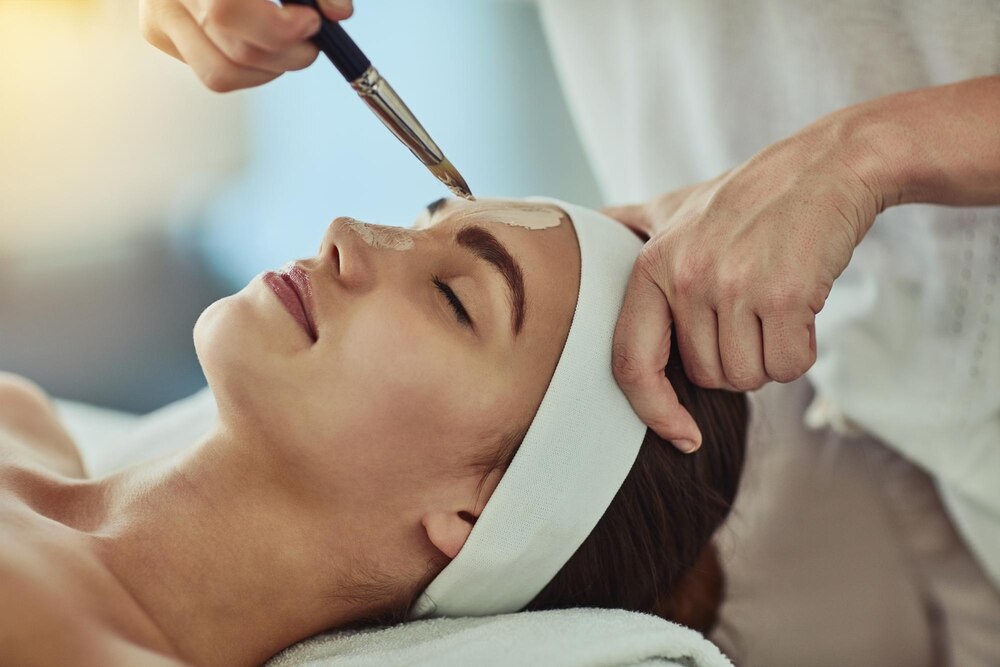
Understanding Your Skin After Dermaplaning: The First 72 Hours
After dermaplaning, your skin undergoes significant changes that require careful attention and proper care. During the first 72 hours, your skin is particularly vulnerable as the protective layer of dead cells has been removed along with vellus hair, commonly known as peach fuzz. This manual exfoliation process exposes fresh, new skin cells that are more sensitive to environmental factors and skincare products.
According to Cleveland Clinic guidelines, redness and swelling should subside within one week, with complete healing occurring within two to four weeks. During this initial recovery period, your skin may feel tight, slightly tender, or more reactive than usual. These sensations are normal responses to the treatment as your skin adjusts to the removal of its outermost protective layer.
Normal vs. Concerning Post-Treatment Reactions
Understanding the difference between expected reactions and potential complications helps ensure proper healing. Normal reactions in the first 72 hours include mild redness similar to a light sunburn, slight tightness or dryness, increased sensitivity to touch, and temporary shininess as natural oils redistribute. These symptoms typically peak within the first 24 hours and gradually diminish.
Signs that require professional attention include severe redness that worsens after 24 hours, persistent burning or stinging sensations, unusual swelling or inflammation, development of pustules or infected-looking areas, or any signs of allergic reaction such as hives or extreme itching. Contact your skincare provider immediately if you experience any of these concerning symptoms.
Why Your Skin Barrier Needs Extra Protection
The skin barrier, also known as the stratum corneum, serves as your body’s first line of defense against environmental damage, bacteria, and moisture loss. Dermaplaning temporarily disrupts this barrier by removing the topmost layer of dead skin cells. This controlled disruption is part of what makes the treatment effective for improving skin texture and appearance, but it also means your skin requires extra support during the healing process.
In 2025, the skincare industry has embraced barrier-friendly treatments and products, recognizing that maintaining barrier integrity is crucial for healthy skin. After dermaplaning, your compromised barrier makes skin more susceptible to dehydration, irritation from products that would normally be well-tolerated, and environmental damage from UV rays and pollution. Supporting barrier repair through proper aftercare accelerates healing and maximizes treatment benefits.
The Complete Post-Dermaplaning Skincare Routine: Day 1 to Day 14
A structured aftercare routine ensures optimal healing and results from your dermaplaning treatment. Professional skincare experts emphasize that the products and techniques you use in the two weeks following treatment significantly impact your results and risk of complications.
Days 1-3: Essential Products Only
During the first three days, simplicity is key. Vibrant Skin Bar professionals recommend using only essential products in your skincare routine – a cleanser, serum or moisturizer, and sunscreen. Choose a gentle, non-foaming cleanser without sulfates or harsh surfactants. Cream or milk cleansers work particularly well during this sensitive period.
For hydration, products containing hyaluronic acid provide excellent moisture without heaviness or irritation. Apply a hydrating serum followed by a gentle, fragrance-free moisturizer to lock in moisture and support barrier repair. Sun protection is absolutely critical – use a mineral sunscreen with SPF 30 or higher every day, even if staying indoors, as UV rays can penetrate windows.
Avoid all exfoliating acids including AHAs, BHAs, and PHAs, retinoids and retinol products, vitamin C serums with concentrations above 10%, physical scrubs or brushes, and any products containing alcohol or fragrance. These ingredients can cause severe irritation on freshly treated skin.
Days 4-7: Gradual Reintroduction Phase
As your skin begins to normalize, you can slowly reintroduce gentle active ingredients. Start with one product at a time, introducing it gradually to monitor your skin’s response. Low-concentration niacinamide (5% or less) can help with redness and support barrier function. Gentle peptide serums may be added to support collagen production without irritation.
Continue avoiding harsh actives, but you may begin using slightly more complex formulations if your skin shows no signs of irritation. Watch for any increased redness, stinging, or breakouts as indicators that your skin needs more time before accepting additional products. If irritation occurs, return to the simplified routine from days 1-3.
Week 2: Returning to Normal Routine
By the second week, most skin types have sufficiently recovered to resume their regular skincare routine. Signs that your skin has fully recovered include even skin tone without persistent redness, normal texture without excessive dryness or oiliness, and comfortable tolerance of your usual products without stinging or irritation.
You can now safely reintroduce stronger actives like retinoids, higher concentration vitamin C, and chemical exfoliants. However, introduce them one at a time over several days rather than all at once. This graduated approach helps maintain the smooth, radiant results from your dermaplaning treatment while preventing irritation that could compromise your progress.
Dermaplaning and Acne: Preventing Post-Treatment Breakouts
One of the most common concerns about dermaplaning involves its potential impact on acne-prone skin. Research on this topic shows mixed results, with some individuals experiencing improvement while others may notice temporary breakouts. Understanding why breakouts can occur and how to prevent them helps ensure a positive treatment outcome.
Why Breakouts Can Occur After Dermaplaning
Several factors can contribute to post-dermaplaning breakouts. First, the removal of the skin’s protective layer allows products to penetrate more deeply, which can overwhelm pores if heavy or comedogenic products are used. Second, if the blade spreads bacteria across the skin during treatment, it may trigger inflammatory acne. Third, the skin’s inflammatory response to the treatment itself can temporarily increase oil production in some individuals.
Additionally, the sudden change in skin texture and absorption capability can disrupt the skin’s microbiome balance. This disruption typically resolves within a few days as the skin adjusts, but it can cause temporary congestion or small breakouts during the transition period.
Evidence-Based Prevention Strategies
BH Skin Dermatology notes that the American Academy of Dermatology has not officially recommended dermaplaning as part of routine acne treatment, emphasizing the importance of proper technique and aftercare for acne-prone individuals. To minimize breakout risk, ensure your practitioner uses sterile, single-use blades and proper sanitization protocols.
Avoid dermaplaning if you have active cystic acne or numerous inflamed pustules, as the treatment could spread bacteria and worsen inflammation. For those with mild acne or occasional breakouts, scheduling treatment during clear skin periods reduces complications. Using non-comedogenic, lightweight products post-treatment prevents pore congestion while still providing necessary hydration and protection.
Managing Unexpected Breakouts Post-Treatment
If breakouts occur despite preventive measures, resist the urge to use harsh acne treatments immediately. Your freshly treated skin cannot tolerate strong acids or drying agents typically used for acne. Instead, use gentle spot treatments with low concentrations of salicylic acid (0.5-1%) applied only to affected areas, not the entire face.
Maintain your gentle cleansing routine and avoid picking or squeezing blemishes, which can lead to scarring on sensitive post-treatment skin. If breakouts persist beyond one week or worsen significantly, contact your skincare provider for guidance, as you may need professional intervention or adjusted aftercare protocols.
Sensitive Skin Considerations: Minimizing Irritation and Maximizing Results
Individuals with sensitive skin require special consideration before and after dermaplaning treatments. While the procedure can benefit sensitive skin by removing irritating dead cells and improving product absorption, the treatment process itself requires careful modification to prevent adverse reactions.
Pre-Treatment Sensitivity Assessment
Before undergoing dermaplaning, assess your skin’s current sensitivity level. Signs that your skin may be too reactive for treatment include active eczema or rosacea flares, recent allergic reactions to skincare products, or persistent redness and irritation from mild products. If you experience these issues, postpone treatment until your skin stabilizes.
Consider requesting a patch test on a small, inconspicuous area before full-face treatment. This allows you and your provider to observe how your skin responds to the blade pressure and technique. Inform your practitioner about all skin sensitivities, allergies, and medications that might affect your skin’s reaction to treatment.
Modified Aftercare for Reactive Skin Types
Sensitive skin types should extend the gentle care phase beyond the standard three days. Dr. Yoo recommends using a hydrating moisturizer with soothing ingredients like ceramides, centella asiatica, or colloidal oatmeal to calm inflammation and support healing. These ingredients help rebuild the skin barrier while minimizing irritation potential.
Apply products with patting motions rather than rubbing to minimize friction on delicate skin. Use lukewarm water for cleansing, as hot water can exacerbate sensitivity and redness. Consider using a humidifier in your bedroom to maintain skin hydration without relying solely on topical products. For sensitive skin, the complete healing timeline may extend to three to four weeks rather than the standard two weeks.
Common Dermaplaning Myths Debunked: Hair Growth and Texture Changes
Persistent misconceptions about dermaplaning, particularly regarding hair regrowth, continue to cause unnecessary concern among potential patients. Scientific evidence clearly contradicts these myths, yet they remain widespread in online discussions and beauty forums.
The Science Behind Vellus Hair Regrowth
Vellus hair, the fine, soft hair removed during dermaplaning, grows from follicles that are genetically programmed to produce only this type of hair. The structure and programming of these follicles cannot be altered by surface-level cutting with a blade. This is fundamentally different from terminal hair follicles, which produce thicker, pigmented hair in areas like the scalp, eyebrows, and for many people, the legs and underarms.
When dermaplaning removes vellus hair at skin level, it does not affect the follicle below or change its genetic programming. The hair that regrows will have the same texture, color, and thickness as before treatment. The myth that hair grows back thicker likely stems from the blunt edge created by cutting, which can feel slightly different than naturally tapered hair ends for the first few days of regrowth.
Expected Timeline for Hair Return
Vellus hair typically begins to regrow within two to three weeks after dermaplaning, with full regrowth occurring at three to four weeks for most individuals. This timeline can vary based on individual hair growth cycles, hormonal factors, and genetic predisposition. The hair returns gradually and evenly across treated areas, maintaining its original fine, soft texture.
Some people may notice the hair seems more visible initially because it grows back uniformly rather than in the varied lengths present before treatment. This temporary appearance normalizes as the hair continues growing and returns to its natural state. Regular dermaplaning every four to six weeks can maintain smooth results without any cumulative changes to hair texture or density.
Professional vs. At-Home Aftercare: Critical Differences
The debate between professional and at-home dermaplaning extends beyond the treatment itself to encompass significant differences in aftercare requirements and results. Understanding these distinctions helps set realistic expectations and ensures appropriate care regardless of treatment setting.
Why Professional Treatment Aftercare Differs
Professional dermaplaning at medical spas like NW Laser achieves deeper exfoliation than at-home treatments due to surgical-grade scalpels and expert technique. This more thorough removal of dead skin cells and debris means the skin requires more intensive aftercare support. Professional treatments also often include post-procedure products specifically formulated to optimize healing and results.
The controlled environment of a professional setting reduces contamination risk and ensures proper angle and pressure during treatment. This precision minimizes trauma to the skin, leading to more predictable healing timelines and reduced risk of complications. Professionals can also assess your skin’s immediate response and adjust aftercare recommendations accordingly.
At-Home Kit Safety and Limitations
At-home dermaplaning tools typically feature smaller, less sharp blades designed for consumer safety. While this reduces injury risk, it also limits effectiveness and may require more passes to achieve desired results, potentially increasing irritation. The lack of professional assessment means users must rely on their own judgment about skin readiness and post-treatment reactions.
Those using at-home kits should be especially cautious with aftercare, as inconsistent technique may create uneven exfoliation or micro-trauma that increases sensitivity. Avoid at-home dermaplaning if you have active acne, rosacea, eczema, or highly sensitive skin, as these conditions require professional evaluation and modified techniques for safe treatment.
When to Schedule Your Next Dermaplaning Session
Determining the optimal frequency for dermaplaning treatments requires balancing desired results with skin health and recovery capacity. Over-treatment can damage the skin barrier and cause chronic sensitivity, while treatments spaced too far apart may not maintain desired smoothness and radiance.
Optimal Treatment Intervals by Skin Type
For normal to combination skin, treatments every four to five weeks align with the natural skin cell turnover cycle and vellus hair regrowth pattern. This interval maintains smooth texture and enhanced product absorption without overtaxing the skin’s recovery mechanisms. Oily skin types may benefit from slightly more frequent treatments at three to four week intervals, as increased sebum production can lead to faster accumulation of dead cells and debris.
Sensitive and dry skin types should extend intervals to five to six weeks minimum, allowing complete barrier recovery between sessions. Acne-prone skin requires individualized scheduling based on breakout patterns – some benefit from regular monthly treatments to prevent congestion, while others need longer intervals to avoid triggering inflammatory responses.
Seasonal Considerations for Treatment Timing
Google Trends data reveals increased interest in dermaplaning during late summer and early fall, coinciding with wedding season and holiday preparation. These timing preferences make practical sense, as dermaplaning provides immediate smoothness ideal for special events. However, seasonal factors should influence scheduling decisions beyond social calendars.
Summer treatments require extra diligence with sun protection due to increased UV exposure and outdoor activities. Consider scheduling treatments during periods of lower sun exposure or when you can commit to strict SPF application. Winter treatments benefit from increased environmental humidity in many climates, supporting healing, though indoor heating can create drying conditions requiring richer moisturizers. Spring and fall often provide ideal conditions with moderate temperatures and humidity levels that support comfortable healing.
Key Takeaways: Your Dermaplaning Aftercare Success Checklist
Successful dermaplaning aftercare ensures optimal results while minimizing complications. Following a structured approach to post-treatment care protects your investment in professional skincare and maintains the smooth, radiant complexion achieved through treatment.
- Simplify skincare for 72 hours post-treatment using only cleanser, moisturizer, and SPF 30+
- Avoid all exfoliating acids, retinoids, and harsh actives for at least three days
- Monitor for abnormal reactions requiring professional attention versus normal healing responses
- Gradually reintroduce active ingredients starting day four if no irritation present
- Maintain consistent sun protection throughout the healing period and beyond
- Schedule treatments every 4-6 weeks based on individual skin type and response
- Choose professional treatment over at-home kits for sensitive or acne-prone skin
- Address breakouts gently without harsh acne treatments during healing
- Extend healing timelines for sensitive skin with modified gentle protocols
- Remember vellus hair regrowth is normal and will not change in texture or thickness
Proper aftercare transforms dermaplaning from a simple exfoliation treatment into a comprehensive skin renewal process. By following evidence-based protocols and respecting your skin’s healing timeline, you can achieve lasting improvements in texture, tone, and radiance while maintaining skin health. When in doubt about any aspect of aftercare or if unexpected reactions occur, consult with your skincare professional for personalized guidance tailored to your specific needs and skin type.
