

Last updated: November 13, 2026
Liposuction for FUPA may reduce a localized pocket of fat above the pubic area. At NW Laser Clinic in Vancouver, Washington, we offer tumescent liposuction treatment.
Can liposuction for FUPA remove pubic fat?
Yes. Liposuction can remove localized fat from the mons pubis, the soft tissue over the pubic bone.
What does FUPA mean, and which area would liposuction treat?
FUPA is an informal term for fullness above the pubic area. People may use it to mean the mons pubis, the lower abdomen, or both. That distinction matters: removing fat from one area will not necessarily change the contour of the other. An examination can identify whether the concern is a localized fat pocket, lower abdominal skin laxity, or a combination.
Can you surgically remove your FUPA?
Yes. Surgical options include liposuction for a localized fat pad and a mons lift for sagging mons tissue. An examination helps determine which approach addresses the area you mean by FUPA.
How does tumescent liposuction remove fat in this area?
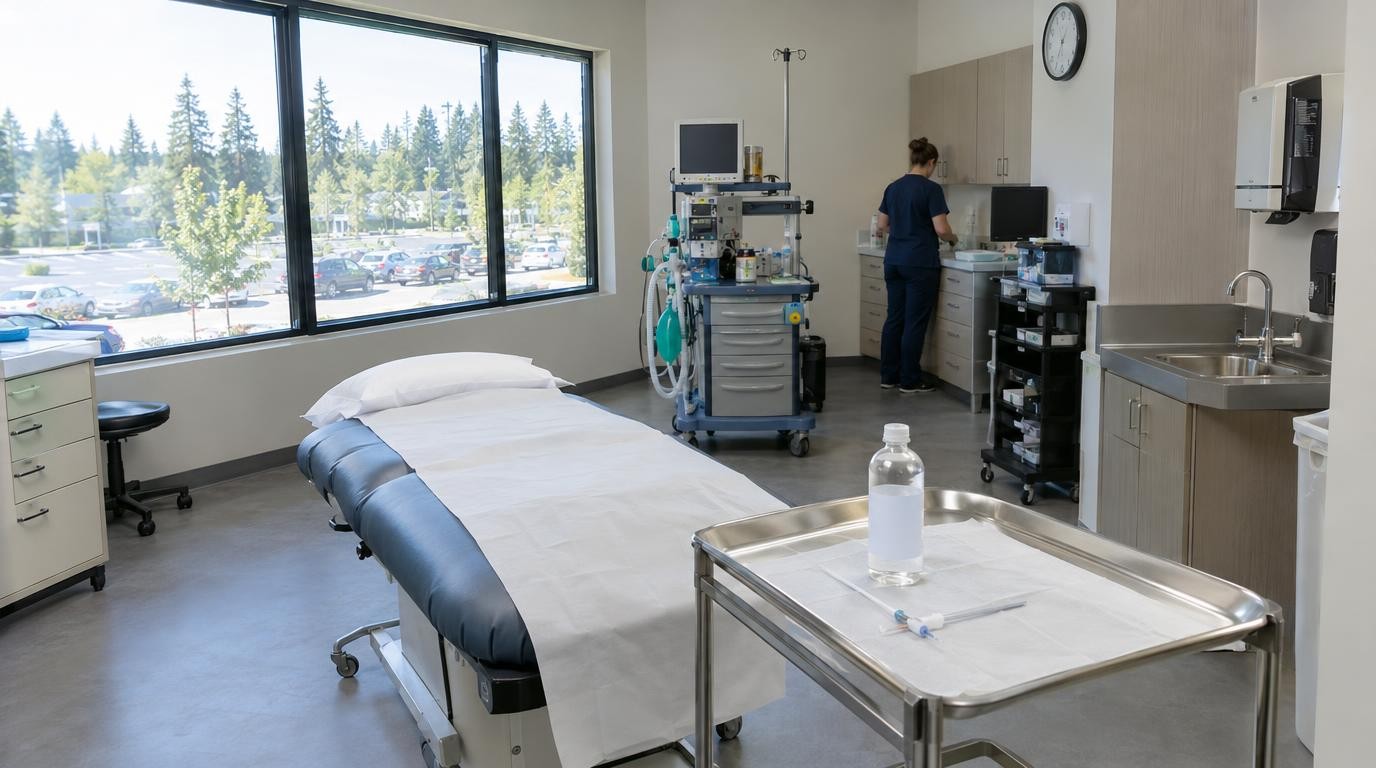
Tumescent liposuction uses an injected solution to prepare the fatty tissue and a suction cannula to remove fat. The solution is not itself a fat-removal device.
What does the tumescent solution do?
Our tumescent solution contains saline, lidocaine, and epinephrine. Saline hydrates the tissue, lidocaine provides local anesthesia, and epinephrine constricts blood vessels to help reduce bleeding and bruising. The American Academy of Dermatology’s explanation of tumescent liposuction likewise describes numbing and bleeding control before fat is suctioned through a thin tube. Patients who want more detail about the anesthetic can read our guide to lidocaine dose safety in tumescent liposuction.
Does tumescent liposuction always use a vibrating cannula?
No. Tumescent infiltration describes how the tissue is prepared, not whether the cannula vibrates. Cleveland Clinic’s description of power-assisted liposuction explains that this approach pairs tumescent solution with a device that uses rapid vibrations during fat removal. A published review of microcannular tumescent liposuction also describes fat removal with small cannulas under local anesthesia.
Who is a good candidate for pubic fat pad liposuction?
A good candidate generally has a localized fat pocket, good overall health, a stable weight within the normal range, and realistic contour goals. At NW Laser Clinic, a medical evaluation and assessment of body composition help determine suitability. Significant excess weight makes the procedure unsuitable.
Can you lose 20 pounds with liposuction?
No—liposuction is not a way to lose 20 pounds. It reshapes a specific area rather than producing substantial weight loss. In Ultrasonic liposuction vs traditional liposuction, the American Society of Plastic Surgeons describes candidates as within 20 to 30 pounds of their ideal weight but emphasizes contouring, not drastic weight loss. The American Society of Plastic Surgeons’ Road to wellness: Patients with higher BMI can benefit from liposuction coupled with a healthy lifestyle describes a recommendation to limit total lipoaspirate—the fat and fluid removed together—to five liters in one procedure. That limit is not a weight-loss goal.
Does skin elasticity affect whether liposuction will help?
Yes. Skin with good elasticity is more likely to conform to the new contour after fat removal. We assess skin elasticity alongside the fat pocket when planning treatment. For related choices, see our guide to surgical and nonsurgical options for excess abdominal fat.
What happens during a tumescent liposuction appointment?
At NW Laser Clinic, tumescent liposuction is generally an outpatient procedure that takes a few hours. The steps follow an individual treatment plan established after medical review:
- The target area is injected with tumescent solution containing local anesthetic.
- Small incisions allow a cannula connected to suction to reach and remove the fat.
- Before going home, you receive instructions for incision care, activity, and follow-up.
How should you prepare for the procedure?
Preparation starts with a review of your goals, health history, allergies, medications, and supplements. Our team provides individualized instructions and may advise changes to certain medications or supplements; do not make those changes on your own.
Is tumescent liposuction performed under local anesthesia?
Yes. Our tumescent approach uses local anesthesia in the injected solution, so general anesthesia is not required for our usual procedure.
What is recovery like after tumescent liposuction?
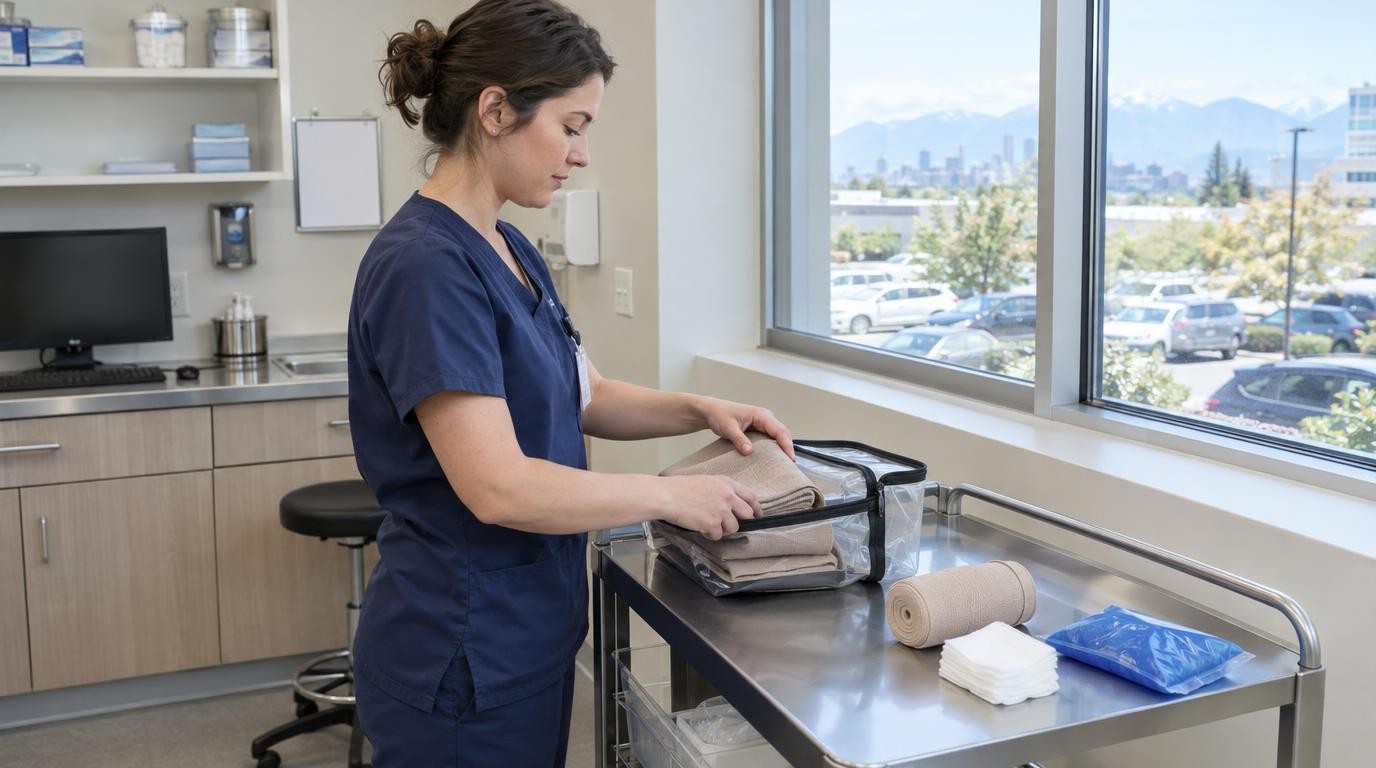
Recovery commonly includes swelling, bruising, and discomfort around the treated area. Our surgeon may prescribe pain medication or recommend an over-the-counter option; rest and ice packs may also help. Follow your own postoperative instructions before taking medication or using ice. Follow-up visits allow us to assess healing and address concerns. Recovery varies with the patient and treatment site.
Eat a healthy diet during recovery. We also recommend avoiding processed foods, sugary drinks, and alcohol while you heal.
When can you return to work and exercise?
A return to work within a few days may be possible, depending on how you feel and what your job requires. Light walking can help circulation; avoid strenuous activity for several weeks.
How long should you wear compression?
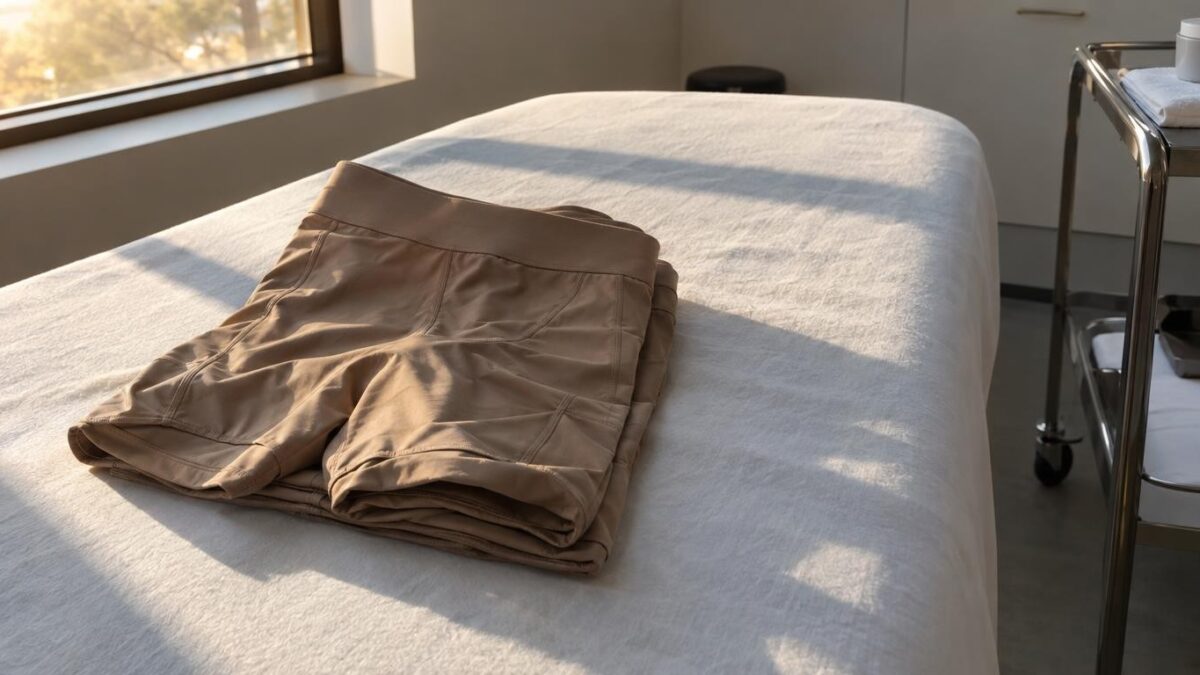
We usually recommend compression garments for a few days after tumescent liposuction, but the schedule for your treated area may differ. Compression helps support the area and manage swelling and bruising. Follow the schedule you receive after the procedure rather than assuming a standard duration applies to the mons.
What results can liposuction achieve for a FUPA?
Liposuction may create a smoother contour when localized fat is the principal cause of fullness. The change is not a guarantee of a flat lower abdomen or a particular pubic-area appearance. Early swelling can obscure the contour; Cleveland Clinic says swelling may take three to six months to resolve completely.
Will liposuction tighten loose skin?
No. Removing fat may allow elastic skin to settle over a smaller area, but liposuction does not remove excess skin. If lower abdominal skin laxity or sagging mons tissue is the main concern, fat removal alone may not achieve the intended shape.
Can fat return after liposuction?
Removed fat cells do not grow back, but liposuction does not prevent future weight gain. Remaining fat cells can enlarge, and later weight changes or pregnancy can alter the contour. Maintaining a stable weight helps preserve the result, although it cannot guarantee an unchanged appearance.
When is a mons lift or tummy tuck more appropriate than liposuction?
A mons lift may be more appropriate when sagging mons tissue, rather than fat alone, drives the concern. A tummy tuck addresses excess abdominal skin and can be relevant when lower-abdominal looseness is prominent. Liposuction removes fat; whether skin removal, repositioning, or a combined approach makes sense depends on examination.
What is a mons lift?
A mons lift repositions sagging tissue over the pubic bone and may remove excess skin. Its purpose differs from mons pubis liposuction, which removes fat through a cannula.
How is a tummy tuck different from mons pubis liposuction?
A tummy tuck treats the abdomen rather than simply suctioning a pubic fat pocket. The American Board of Cosmetic Surgery’s procedure guide describes a tummy tuck as removing excess abdominal skin and fat and tightening abdominal muscles. Our comparison of mini and full tummy tucks offers more context for lower-abdominal concerns.
The main distinction is the tissue each approach is meant to address:
| Approach | Main concern addressed |
|---|---|
| Mons pubis liposuction | Localized fat over the pubic bone |
| Mons lift | Sagging mons tissue and excess skin |
| Tummy tuck | Excess abdominal skin and related abdominal contour concerns |
What are the risks and who should avoid tumescent liposuction?
Tumescent liposuction is surgery, so temporary swelling, bruising, and discomfort are possible, along with complications such as infection. In high-volume liposuction, removing too much total lipoaspirate can disrupt fluid or electrolyte balance and cause an irregular heartbeat (arrhythmia) or dangerously low blood pressure. Certain health conditions or significant excess weight can make the procedure unsuitable. An individual medical evaluation is necessary even when the goal is a small, localized contour change.
Which side effects are expected, and when should you seek help?
Bruising, swelling, and discomfort around the treated area are expected possibilities and can persist during healing. Seek prompt medical attention if redness, increasing swelling, or warmth develops around an incision. Seek urgent medical care for severe symptoms such as difficulty breathing or chest pain. Discuss procedure risks and your own warning signs with your clinician before treatment.
Which health conditions require extra screening?
At NW Laser Clinic, we do not recommend tumescent liposuction for people with certain conditions, including bleeding disorders, diabetes, or heart disease, or for people who are significantly overweight. Medical history, current medicines, and overall health need review before a treatment decision.
Frequently Asked Questions
Will I be awake during FUPA liposuction?
Yes. We perform tumescent liposuction with local anesthesia, so you are awake while the treatment area is numb.
Will I need someone to drive me home after tumescent liposuction?
Yes. Arrange for someone to drive you home. The American Academy of Dermatology advises that patients are monitored after tumescent liposuction and need a driver when cleared to leave.
Does insurance cover liposuction of the pubic fat pad?
Usually not when the procedure is cosmetic. The American Academy of Dermatology notes that insurance generally does not cover procedures done to improve appearance. Coverage depends on your plan and the reason for treatment, so check with your insurer rather than assuming pubic fat pad liposuction is covered.
Will FUPA liposuction leave a scar?
Small scars are possible because liposuction requires incisions for the cannula. At NW Laser Clinic, our tumescent procedure uses small incisions, but their placement and how they heal depend on the treatment plan and your skin.
Can liposuction remove the deeper belly fat causing my FUPA?
No. Liposuction removes fat beneath the skin, not fat deeper inside the abdomen. Cleveland Clinic describes the cannula working in fatty tissue between the skin and muscle.
Will pubic fat pad liposuction get rid of cellulite?
No. Liposuction can reduce a localized fat pocket, but it is not a treatment for cellulite, as the American Academy of Dermatology explains.
Is tumescent liposuction the same as laser liposuction?
No. Tumescent liposuction uses an injected solution to numb tissue and limit bleeding; laser-assisted liposuction uses laser energy to break down fat before removal. The techniques can be combined, but they are not the same thing. We offer both tumescent and laser liposuction.
How can you find out whether this treatment fits your goals?
Whether tumescent liposuction fits your goal depends on whether the fullness comes from mons fat, abdominal fat, loose skin, or a combination. The proposed treatment area and expected contour should be clear before you decide.
What should you ask about the planned technique?
Questions to bring include whether the mons pubis itself would be treated, whether an assisted cannula is proposed, and what anesthesia and aftercare would apply. If you are considering liposuction for FUPA, contact NW Laser Clinic in Vancouver, Washington, for a consultation focused on the area and outcome that matter to you.
This information is general and is not medical advice. Talk to a licensed clinician about your own situation before making a treatment decision.
