

Last updated: October 27, 2026
Tumescent liposuction uses a planned amount of dilute lidocaine, not an unspecified amount of numbing medicine. Blood-level research helps explain how that dose is assessed, but no published figure can guarantee safety for an individual patient. At NW Laser Clinic’s tumescent liposuction service in Vancouver, Washington, we perform the procedure under local anesthesia.
How Is Lidocaine Dosed During Tumescent Liposuction?
Lidocaine is dosed by calculating the total amount of drug planned relative to a patient’s body weight, then assessing whether that plan fits the treatment and the patient. The amount of fluid injected is a separate measurement. A larger volume of dilute solution does not, by itself, tell you the total lidocaine dose.
What Is in the Tumescent Solution?
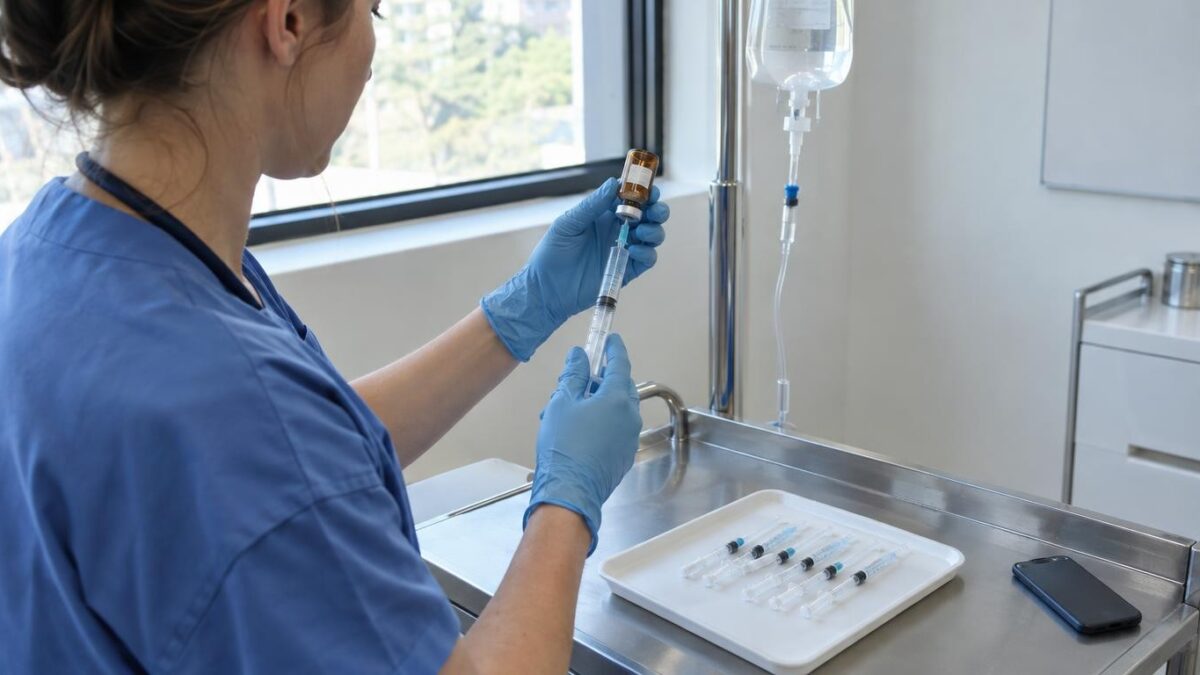
We inject a solution of saline, lidocaine, and epinephrine into the fat being treated. Lidocaine numbs the area; epinephrine constricts blood vessels to help reduce bleeding and bruising. Saline helps hydrate the tissue, making fat removal easier.
Is the Lidocaine Dose Based on Your Weight?
Body weight is part of the calculation: a dose expressed in milligrams per kilogram compares the total milligrams of lidocaine with the patient’s weight in kilograms. Fluid volume describes how much solution enters the treatment area. The surgeon must also consider how much lidocaine that solution contains, the planned treatment extent, other anesthetic sources, and the patient’s health rather than treating a published dose as a target.
What Do Blood-Level Studies Show About Tumescent Lidocaine Safety?
Blood-level studies show that lidocaine can enter the bloodstream gradually after tumescent infiltration and that measured levels vary with the procedure. In a volunteer study, concentrations stayed below the researchers’ mild-toxicity threshold across the doses studied.
What Do the 19.2-52 mg/kg Doses and 6 µg/mL Threshold Mean?
In their 2016 study, Klein and Jeske measured blood levels after tumescent infiltration with and without liposuction. They estimated a risk of lidocaine toxicity of no more than 1 in 2,000 at 28 mg/kg without liposuction and 45 mg/kg with liposuction. These were preliminary modeled estimates, not observed complication rates or dosing limits for an individual patient. Their key measurements are summarized below.
| Measurement | Finding | Meaning |
|---|---|---|
| Procedures and participants | Klein and Jeske, 2016: 41 infiltration procedures among 14 volunteers | A limited study population, not a guarantee for all patients |
| Administered doses | Klein and Jeske, 2016: 19.2-52 mg/kg | The range studied, not a recommended dose for every procedure |
| Blood sampling | Klein and Jeske, 2016: from baseline through 24 hours | Sampling accounted for delayed absorption |
| Mild-toxicity comparison | Klein and Jeske, 2016: 6 µg/mL | All measured concentrations remained below the study’s threshold |
Klein and Jeske also found a lower overall blood-concentration profile when liposuction followed infiltration than when infiltration was performed alone. In the 1996 liposuction study, researchers measured lidocaine in the aspirate and found that suction removed a negligible amount. Suction removes fat and some infiltrated fluid, but neither finding establishes that it removes a predictable, clinically useful amount of lidocaine from an individual patient.
Does a Published 55 mg/kg Figure Guarantee Safety?
No. The 1996 liposuction study concluded that doses up to 55 mg/kg appeared safe in the patients it evaluated; that finding is not a prescription for a patient today. Klein and Jeske’s later study noted that the absolute maximum safe tumescent lidocaine dose remains unknown.
What Happens During Tumescent Liposuction at NW Laser Clinic?
At NW Laser Clinic, tumescent liposuction proceeds in these steps:
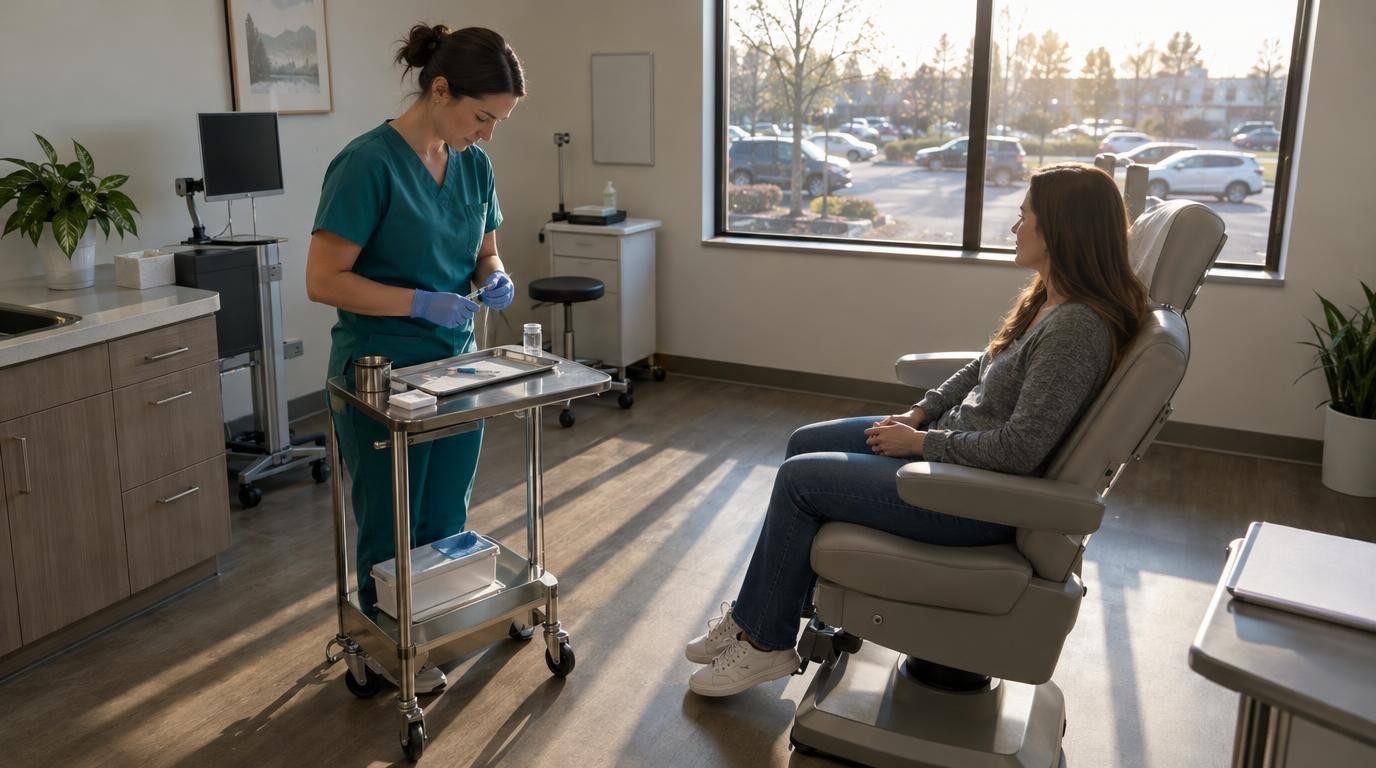
- We inject saline, lidocaine, and epinephrine into the targeted fatty tissue to numb it and help limit bleeding.
- Once the solution takes effect, the surgeon inserts a small cannula through skin incisions.
- Suction through the cannula removes fat to shape the contour.
How Is the Area Numbed Before Fat Removal?
The injected solution numbs the area and causes the tissue to swell and feel firm before fat removal begins. The amount of solution and lidocaine depends on the treatment plan.
Is Tumescent Liposuction an Outpatient Procedure?
At NW Laser Clinic, the procedure is generally outpatient, typically uses local anesthesia, and takes a few hours. The plan may change with the areas treated and the patient’s needs. Our guide to outpatient fat-removal options can help frame questions about different approaches before a consultation.
Who Is a Good Candidate for Tumescent Liposuction?
A good candidate is generally healthy, has a stable weight and good skin elasticity, and has realistic goals for changing a localized contour. At NW Laser Clinic, we review your medical history and body composition before determining suitability.
Can Tumescent Liposuction Treat Stubborn Fat Pockets?
Tumescent liposuction can address localized fat pockets that remain despite healthy habits, such as deposits around the abdomen, hips, or thighs. The surgeon assesses where fat removal could improve contour and whether the overlying skin is likely to conform smoothly. Poor skin elasticity can leave loose or sagging skin after fat is removed. For a closer look at treating fat above the pubic area, read about liposuction for FUPA and who qualifies.
Is Tumescent Liposuction a Weight-Loss Treatment?
No. Tumescent liposuction removes localized fat to change shape; it is not a treatment for overall weight loss. It is also not suitable for people who are significantly overweight.
What Should You Discuss Before a Tumescent Liposuction Procedure?
Before tumescent liposuction, ask how your surgeon will calculate the planned total lidocaine dose, account for your weight and treatment extent, and watch for adverse effects. Bring a complete account of your health, medicines, and supplements. The consultation should also leave you with clear preparation and postoperative instructions.
How Will My Planned Lidocaine Dose Be Checked?
At a NW Laser Clinic consultation in Vancouver, Washington, useful questions include:
- What total lidocaine dose is planned relative to my body weight, and how does the treatment area affect the plan?
- Will I receive lidocaine from any other source during the procedure?
- How will the team monitor for adverse effects, and what symptoms should I report?
- What instructions will I need for incision care, activity, compression, and follow-up?
Which Medical Conditions and Medicines Should I Disclose?
Tell the surgeon about medical conditions, allergies, prescription and nonprescription medicines, and supplements. That information helps the team evaluate suitability and prepare an anesthetic plan. Do not stop or change a medicine or supplement on your own; follow the surgeon’s instructions about any changes before surgery.
What Are the Risks, Side Effects, and Reasons to Avoid Tumescent Liposuction?
Bruising, swelling, and discomfort are common and usually temporary after tumescent liposuction. Possible complications include infection, significant bleeding, an uneven contour, and lidocaine toxicity. Rare serious surgical complications include blood clots. Seek urgent medical evaluation for new one-sided leg pain or swelling, heavy bleeding, or rapidly worsening pain or swelling; call emergency services for chest pain, sudden shortness of breath, or fainting. Bleeding disorders, diabetes, heart disease, or poor skin elasticity may make treatment unsuitable or change what result is reasonable.
Can Lidocaine Cause Side Effects Even When the Dose Is Planned?
Yes. Lidocaine can produce adverse effects even when a dose has been calculated, particularly because absorption may continue after the procedure. Tell the treatment team promptly about unusual symptoms such as ringing in the ears, a metallic taste, dizziness, or confusion. A seizure, collapse, or serious breathing or heart symptoms require emergency medical care. Discuss your own risks and whether the procedure is appropriate with your surgeon.
When Should You Contact the Clinic About Infection Signs?
Contact NW Laser Clinic promptly about new or worsening redness, warmth, swelling, pain, drainage, or fever, which can signal an infection. Follow your incision-care instructions, and seek urgent medical attention if symptoms worsen rapidly or you feel very ill.
How Long Does Recovery After Tumescent Liposuction Take?
Recovery varies with the patient and the extent of fat removal. At NW Laser Clinic, patients can generally return to work within a few days, although bruising, swelling, and discomfort may last several weeks. We provide instructions for incision care, compression, activity, and follow-up.

When Can You Return to Work and Exercise?
The timing depends on how you feel, the work you do, and the areas treated. Light walking as tolerated can help you resume movement, but avoid strenuous activity for several weeks as directed after treatment. Keep scheduled follow-up visits so the team can check healing and address questions before you increase activity.
How Long Should You Wear a Compression Garment?
At NW Laser Clinic, patients usually need a compression garment for a few days after tumescent liposuction, but your surgeon’s instructions determine how long you should wear yours. Compression supports treated areas and helps manage swelling and bruising. Your aftercare instructions should explain how to wear the garment alongside incision care and when to ask whether it needs adjusting.
What Results Can You Expect From Tumescent Liposuction?
Tumescent liposuction is intended to improve the contour of treated fat deposits, not produce a particular weight or guaranteed appearance. Swelling can hide the early contour while the area heals.
Will Removing Fat Change Your Weight or Skin Tightness?
Removing a localized fat deposit can change shape without creating meaningful overall weight loss. Liposuction also does not guarantee tighter skin. If skin elasticity is limited, the skin may not conform as closely to the smaller area beneath it, which is why skin quality is part of the candidacy assessment.
How Do You Maintain Your New Contour?
Removed fat cells generally do not return, but weight gain can enlarge the fat cells that remain and change your contour. Maintaining a stable weight through nutrition and activity helps preserve the result. Follow your recovery instructions before returning to strenuous exercise.
How Does Tumescent Liposuction Compare With Traditional Liposuction?
Tumescent liposuction emphasizes infiltration with dilute local anesthetic and epinephrine before fat is removed by suction. That technique can reduce bleeding and often allows treatment under local anesthesia. Other liposuction techniques and anesthesia plans vary, so the right comparison is an individualized plan, not a promise of easier recovery for everyone.
The American Board of Cosmetic Surgery’s liposuction guide describes ultrasound-assisted approaches, including VASER, that loosen fat before suction, and laser-assisted approaches that use laser energy to help dislodge fat. Tumescent infiltration can be combined with ultrasound-assisted liposuction; these are not necessarily mutually exclusive techniques. We also offer VASER and laser liposuction, as well as nonsurgical body-contouring options such as Emsculpt. Nonsurgical treatment does not suction out fat, so we would compare your contour goal, skin, and recovery preferences before recommending an approach. For further reading, see our guide to surgical and nonsurgical body contouring.
Does Traditional Liposuction Always Require General Anesthesia?
No. The MedlinePlus explanation of liposuction notes that patients may receive local or general anesthesia, depending on the procedure. Tumescent infiltration may provide the anesthesia needed for a treatment, but the word “traditional” does not establish which anesthetic another approach requires.
Are Recovery and Compression Needs the Same for Everyone?
No. Cleveland Clinic’s cosmetic surgery FAQs describe less bruising, less swelling, and quicker recovery with tumescent liposuction than with older traditional methods. Recovery still varies, and compression and activity instructions depend on the procedure performed. Our discussion of VASER liposuction safety research offers background on another approach.
Frequently Asked Questions
How concentrated is the lidocaine in tumescent solution?
Tumescent lidocaine is diluted before it is injected into fatty tissue. The 2016 blood-level study describes tumescent solutions containing no more than 1 gram of lidocaine per liter and no more than 1 milligram of epinephrine per liter. Those figures describe the solutions studied, not a required concentration for every patient.
How do you calculate a lidocaine dose from the amount of fluid injected?
Multiply the fluid volume by its lidocaine concentration to find the total drug amount, then divide the milligrams by your weight in kilograms to get mg/kg. For example, 1 liter containing 1 gram of lidocaine contains 1,000 milligrams. The 2016 study describes concentrations up to 1 gram per liter; that is not a standard recipe for every patient.
How much tumescent fluid might be injected during liposuction?
The amount varies with the treatment plan. The 2016 blood-level study describes tumescent anesthesia using relatively large volumes of dilute solution, sometimes 4 liters or more. That figure is not a recommended volume for everyone; the total lidocaine dose depends on both the volume and the concentration.
When do lidocaine blood levels peak after tumescent liposuction?
Blood levels can peak hours after the solution is injected, not necessarily during surgery. In the 1996 liposuction study, peak plasma lidocaine levels occurred at approximately 4 or 8 hours after infusion. Report unusual symptoms promptly, even if they develop after you leave the clinic.
Can lidocaine remain in the tissue the day after liposuction?
Yes. The 1996 liposuction study found that plasma levels at 24 hours suggested lidocaine remained in subcutaneous tissue and could provide pain relief beyond that time. How long it persists for you cannot be determined from that study alone.
If multiple areas are treated, is lidocaine calculated separately for each?
No. The planned total includes lidocaine administered across all treatment areas, not a separate allowance for each area. Ask the surgeon how treating more than one area affects the total dose and whether treatment should be limited or staged.
Can tumescent liposuction treat areas other than the abdomen, hips, or thighs?
Yes. The American Academy of Dermatology’s guide describes treatment of areas including the neck, upper arms, back, and knees. Ask us whether the area you want to change is suitable for fat removal and whether your skin is likely to conform to the new contour.
How Can You Make an Informed Tumescent Liposuction Decision?
At your consultation, we can decide which areas are suitable to treat, how the proposed lidocaine dose accounts for your weight and other anesthetic sources, whether another approach better matches your goals, and what monitoring and aftercare you will need.
If you are considering tumescent liposuction, contact NW Laser Clinic in Vancouver, Washington, for a consultation. Our team can review your goals, explain the proposed anesthetic plan, and help you understand what treatment and recovery would involve for you.
This information is general and is not medical advice. Talk to a licensed clinician about your own situation before making a treatment decision.
