


Last updated: July 31, 2026
Recent action from the Food and Drug Administration has brought renewed attention to a category of cosmetic treatments that many patients encounter during their research into nonsurgical fat reduction. The agency has issued explicit consumer warnings against fat-dissolving injections that lack FDA approval, citing documented adverse reactions among individuals who obtained these products through unregulated channels. For adults in the Portland and Vancouver areas considering options to reduce stubborn fat deposits, understanding the distinction between approved treatments and unapproved products is essential for making informed decisions about their care.
What Is Lipodissolve and Why Is It in the News?
Lipodissolve treatments refer to a class of injection-based treatments marketed for reducing localized fat deposits without surgery. These products typically contain compounds such as phosphatidylcholine and deoxycholic acid, which are intended to break down fat cells in targeted areas. The treatments gained popularity through direct-to-consumer marketing and online sales, making them accessible to patients who might not have considered visiting a medical practice for fat reduction.
The current news attention stems from FDA guidance issued in 2025, which explicitly warns consumers against using fat-dissolving injections that have not received agency approval. The FDA’s consumer alert identified specific products being sold under brand names including Aqualyx, Lipodissolve, Lipo Lab, and Kabelline as unapproved medical products that pose potential risks to patients.
How Does Lipodissolve Differ from FDA-Approved Fat-Dissolving Treatments?
The fundamental difference lies in regulatory status and clinical validation. FDA-approved fat-dissolving injections have undergone rigorous clinical trials demonstrating both safety and efficacy for specific treatment areas. These products are available only through licensed medical providers who can verify proper sourcing and storage. In contrast, unapproved products like Lipodissolve have not undergone this formal evaluation process, meaning their concentration, sterility, and actual contents cannot be guaranteed.
Provider-administered treatments also offer the advantage of professional assessment. A qualified practitioner evaluates each patient’s unique anatomy, discusses realistic expectations, and creates a customized treatment plan. This clinical oversight helps ensure appropriate patient selection and reduces the risk of complications that may occur when treatments are self-administered or obtained from unregulated sources.
What Fat-Dissolving Products Lack FDA Approval?
The FDA has documented that numerous fat-dissolving products sold online and through international suppliers do not meet agency standards for approval. These products often contain inconsistent concentrations of active ingredients, may be contaminated, and frequently lack proper labeling with complete ingredient disclosure. The agency has taken enforcement action against companies selling these unapproved products, including warning letters to distributors.
What Is the FDA’s Position on Fat-Dissolving Injections?
The FDA’s position is clear and unambiguous: fat-dissolving injections that have not received agency approval can be harmful and should be avoided. The agency maintains an active consumer guidance page specifically addressing these products and has documented numerous cases where patients experienced adverse reactions after using unapproved formulations.
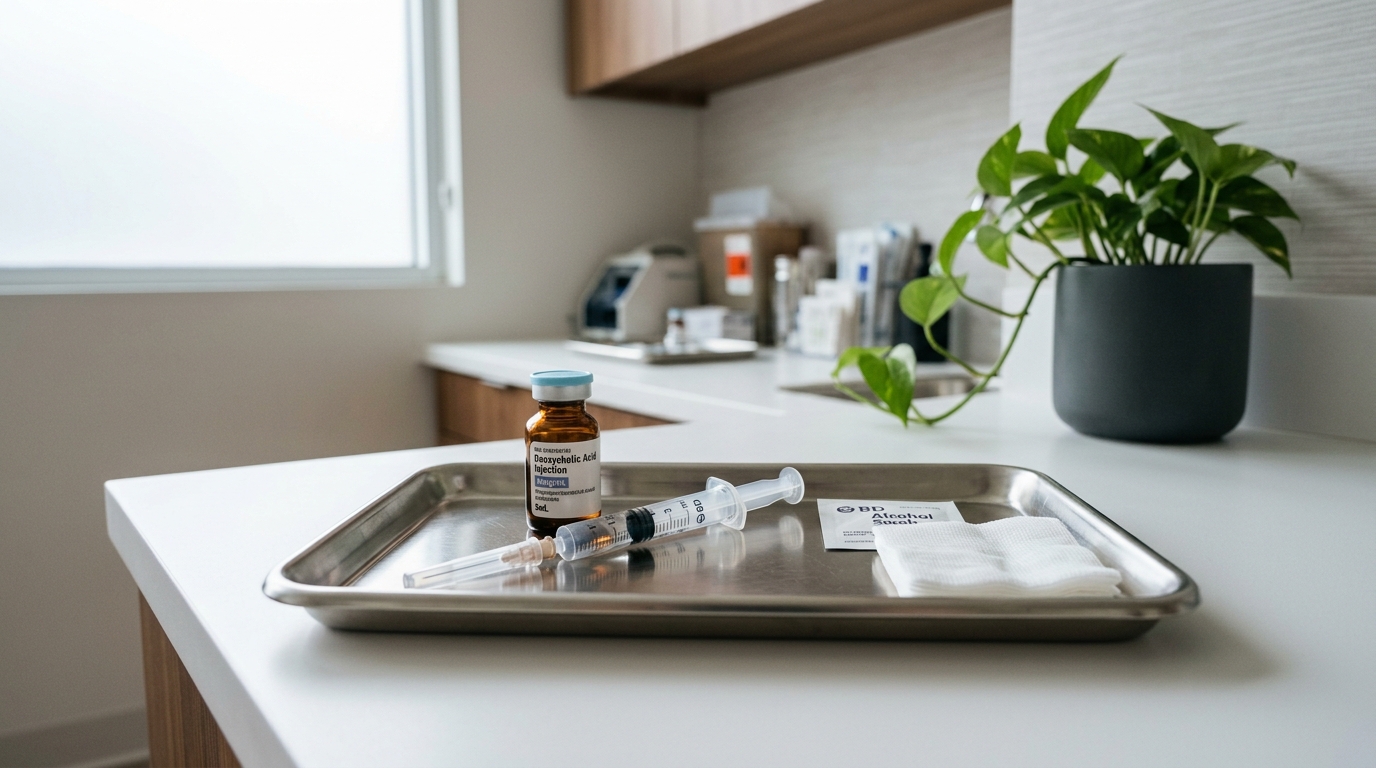
The FDA has explicitly warned against using fat-dissolving injections sold under brand names including Aqualyx, Lipodissolve, Lipo Lab, and Kabelline. These products are marketed through online channels and international suppliers without the regulatory oversight that characterizes approved pharmaceuticals. The agency has received reports of serious adverse events including infections, tissue damage, and allergic reactions associated with these unapproved treatments.
What Fat-Dissolving Products Does the FDA Explicitly Warn Against?
According to the FDA’s official consumer guidance, the agency has identified multiple brands of fat-dissolving injections that lack required approval. The list includes Lipodissolve, Aqualyx, Lipo Lab, and Kabelline, among others. These products are often marketed with claims about their ability to dissolve fat in areas such as the chin, abdomen, thighs, and love handles without sufficient evidence to support their safety or effectiveness.
The FDA has taken enforcement action against companies distributing these products, including issuing warning letters to firms like Vivid-Scientific LLC for marketing unapproved drug products. Patients should be aware that purchasing these products online or from international suppliers exposes them to significant risks, as there is no guarantee of product quality, concentration, or sterility.
What Fat-Dissolving Treatment Is FDA Approved?
Kybella, containing synthetic deoxycholic acid, remains the only FDA-approved injectable for reducing submental fat, commonly known as a double chin. Deoxycholic acid is a naturally occurring molecule in the body that aids in the breakdown and absorption of dietary fat. When injected into the fat beneath the chin, it destroys fat cells, which are then naturally eliminated by the body’s metabolic processes.
The FDA approved Kybella in 2015 based on clinical trials involving hundreds of patients demonstrating significant reduction in submental fat after multiple treatment sessions. This approval pathway required extensive safety data and efficacy evidence, providing patients with confidence that the product meets rigorous regulatory standards when administered by qualified providers.
What Makes Provider-Administered Fat Treatments Different?
When fat-dissolving treatments are administered in a clinical setting by licensed medical professionals, patients receive several critical protections that cannot be guaranteed with unregulated products. These advantages encompass medical oversight, product sourcing verification, and individualized treatment planning that addresses each patient’s unique anatomy and aesthetic goals.
How Does Medical Oversight Protect Patients?
Board-certified physicians and licensed nurse practitioners undergo extensive training that prepares them to evaluate patients for appropriate treatment candidacy, recognize potential contraindications, and manage any adverse reactions that may occur during or after treatment. This expertise allows providers to identify patients who may not be suitable candidates for fat-dissolving injections due to underlying health conditions, medication interactions, or anatomical factors.
In clinical practice, providers also monitor patients during the treatment process, ensuring proper injection technique and spacing. This attention to detail helps optimize results while minimizing risks such as nerve irritation, asymmetry, or uneven fat reduction. The ability to adjust treatment plans based on patient response represents another advantage of receiving care from experienced medical professionals.
Why Does Product Sourcing Matter for Fat Reduction?
FDA-approved products like Kybella are manufactured under strict pharmaceutical quality controls and distributed through authorized channels that maintain proper temperature control and storage conditions. When patients receive treatments from licensed providers, they can be confident that the product in their treatment room is exactly what the labeling claims.
This traceability is impossible with products obtained through unauthorized online suppliers or international sources. Counterfeit medications, products with incorrect concentrations, and contaminated formulations all pose documented risks that FDA-approved products sourced through legitimate medical suppliers eliminate. VelaShape and other advanced body contouring technologies offered at NW Laser maintain similar quality standards, with treatments using equipment sourced through authorized distributors to ensure safety and efficacy.
What Areas Can FDA-Approved Fat-Dissolving Injections Treat?
While Kybella holds FDA approval specifically for submental fat reduction, providers may use deoxycholic acid treatments off-label in other areas where localized fat deposits create aesthetic concerns. Off-label use is a common and legal practice when conducted by qualified medical professionals who understand the relevant anatomy and can counsel patients on realistic expectations.
Can Fat-Dissolving Injections Reduce a Double Chin?
Yes, reducing submental fat with FDA-approved deoxycholic acid injections represents the most well-studied and reliable application of this technology. The treatment effectively targets the pocket of fat beneath the chin that creates the appearance of a double chin, helping create a more defined jawline and improved facial profile. Patients typically require multiple treatment sessions spaced several weeks apart to achieve optimal results.
What Other Body Areas Respond to Fat-Dissolving Treatments?
Off-label treatment areas commonly addressed with fat-dissolving injections include bra bulge, love handles, thigh fat, knee fat, jowls, armpit fat, back fat, and belly fat. Each area requires specific injection technique and dosing adjustments based on the thickness of the fat layer and the sensitivity of surrounding tissues. A consultation with a qualified provider helps determine whether these areas are appropriate for treatment based on individual patient factors.
How Does Injection Lipolysis Work?
Injection lipolysis describes the chemical process by which fat-dissolving compounds break down and eliminate fat cells from targeted areas. Understanding this mechanism helps patients appreciate why treatments require multiple sessions and why results develop gradually over time following each injection series.
What Is the Science Behind Fat-Dissolving Injections?
Deoxycholic acid works by disrupting the cell membrane of fat cells in the treatment area. Once the membrane is compromised, the fat cell can no longer maintain its integrity and releases its contents into the surrounding tissue. The body then processes these lipids through normal metabolic pathways while inflammatory cells gradually clear the cellular debris.
This mechanism explains why multiple treatments are typically necessary. Each session destroys a portion of the fat cells in the treatment area, with cumulative treatments progressively reducing the fat layer. The body requires several weeks to fully process the cellular debris before the next treatment session can be safely administered.
What Happens to Fat Cells After Treatment?
Fat cells destroyed by deoxycholic acid are permanently eliminated from the body. Unlike weight loss, which reduces fat cell size, injection lipolysis reduces the actual number of fat cells in the treated area. This distinction means that results can be long-lasting, provided patients maintain stable body weight through healthy lifestyle habits. Remaining fat cells in the area can still expand with significant weight gain, so ongoing attention to nutrition and exercise supports maintaining treatment results.
What Is the Treatment Experience Like?
Patients considering fat-dissolving injections benefit from understanding what to expect during and after treatment. This knowledge helps set realistic expectations and allows patients to plan their schedules accordingly, particularly around social events and work commitments during the recovery period.

How Many Sessions Are Typically Needed?
Most patients require between two and four treatment sessions for submental fat reduction, though some may need up to six sessions for optimal results. Sessions are typically spaced four to six weeks apart, allowing adequate time for the body to process destroyed fat cells and for swelling to resolve before the next treatment. Off-label body areas may require similar or slightly longer treatment protocols depending on the treatment area and fat thickness.
What Does Recovery Look Like After Fat-Dissolving Injections?
Common post-treatment effects include swelling, bruising, numbness, and mild discomfort in the treatment area that typically resolves within one to two weeks. Patients can usually return to normal activities within a few days, though strenuous exercise may be limited for the first week. Applying cold compresses and keeping the head elevated helps minimize swelling during the initial recovery period.
Results develop gradually as the body eliminates destroyed fat cells, with visible improvement typically emerging over several weeks following each session. The final outcome becomes apparent approximately four to six weeks after the last treatment session, once all residual swelling has resolved and the full effect of fat reduction is evident.
How Do I Choose a Safe Provider for Fat Reduction Injections?
Selecting the right provider significantly impacts both treatment safety and results. Patients should invest time in evaluating potential providers’ credentials, experience, and practice standards before committing to treatment. This due diligence helps ensure a positive experience and reduces the likelihood of complications.
What Credentials Should I Look for in a Fat-Reduction Provider?
Board certification from an accredited medical specialty board demonstrates that a physician has completed required training and passed rigorous examinations in their field. Additional training or specialization in cosmetic procedures, particularly injectable treatments, indicates focused expertise in the techniques used for fat reduction. State medical licensure confirms that the provider meets minimum legal requirements to practice medicine.
Patients should also inquire about the provider’s experience with fat-dissolving injections specifically, including the number of treatments performed and familiarity with managing potential complications. Practices that offer comprehensive body contouring services often have more extensive experience with these treatments than providers who offer fat reduction only occasionally.
What Questions Should I Ask Before Getting Fat-Dissolving Injections?
Before proceeding with treatment, patients should ask about the specific product being used, confirming that it is FDA-approved and sourced through authorized distributors. Inquiring about the provider’s training and experience with the treatment, expected outcomes based on individual anatomy, and management of potential side effects all provide valuable information for decision-making.
Patients should also ask about alternative treatment options, what to expect during recovery, and what follow-up care the practice provides. A provider who takes time to answer these questions thoroughly demonstrates commitment to patient education and informed consent, both hallmarks of quality medical practice.
Lipodissolve vs. FDA-Approved Alternatives: What Portland Patients Need to Know
For adults in Portland, Oregon, Vancouver, Washington, and surrounding communities researching fat reduction options, the distinction between unapproved products and FDA-cleared treatments represents a critical safety consideration. Understanding why Kybella stands alone as the only FDA-approved injectable fat reducer helps patients prioritize their health and outcomes when evaluating treatment options.
Why Is Kybella the Only FDA-Approved Fat-Dissolving Injection?
The FDA approval process requires extensive clinical trials demonstrating both safety and efficacy before a product can receive marketing authorization. Kybella completed this rigorous evaluation, providing the agency with sufficient evidence that the product, when used as directed by qualified providers, effectively reduces submental fat with an acceptable safety profile. No other injectable fat-dissolving product has successfully completed this process in the United States.
This approval status means that patients receiving Kybella from licensed providers can have confidence in product quality, consistent dosing, and clear labeling. The approval also means that the FDA continues to monitor the product’s safety profile and requires manufacturers to report adverse events, providing ongoing oversight that unapproved products simply do not have.
How Can I Schedule a Consultation in the Portland Area?
Patients interested in exploring FDA-approved fat-dissolving treatments are encouraged to schedule a consultation with a qualified provider. During this appointment, patients can discuss their aesthetic goals, undergo physical assessment, and receive personalized recommendations based on their individual anatomy and health history.
NW Laser welcomes patients from Portland, Vancouver, Maywood Park, Camas, and surrounding communities to explore their nonsurgical fat reduction options. The practice offers Kybella treatments along with complementary body contouring technologies including SmoothShapes, VelaShape, and laser liposuction for patients seeking comprehensive solutions. Scheduling a consultation provides the opportunity to learn about all available options and develop a customized treatment plan tailored to individual needs.
Frequently Asked Questions
What is lipodissolve and why is the FDA warning against it?
Lipodissolve refers to injection-based treatments marketed for reducing localized fat deposits without surgery. The FDA has issued consumer warnings against fat-dissolving injections that lack agency approval, including products sold under brand names like Aqualyx, Lipodissolve, Lipo Lab, and Kabelline. These unapproved products may contain inconsistent concentrations, potential contaminants, and lack proper ingredient disclosure.
How does Kybella differ from unapproved fat-dissolving injections?
Kybella is the only FDA-approved injectable fat reducer, having completed rigorous clinical trials demonstrating safety and efficacy for submental fat reduction. Unapproved products like Lipodissolve have not undergone this formal evaluation, meaning their concentration, sterility, and actual contents cannot be guaranteed. Kybella is available only through licensed medical providers who can verify proper sourcing and storage.
How many sessions of FDA-approved fat-dissolving injections are needed?
Most patients require two to four treatment sessions for submental fat reduction, though some may need up to six sessions for optimal results. Treatment sessions are typically spaced four to six weeks apart, allowing adequate time for the body to process destroyed fat cells and for swelling to resolve before the next treatment.
What does recovery look like after fat-dissolving injections?
Common post-treatment effects include swelling, bruising, numbness, and mild discomfort that typically resolves within one to two weeks. Patients can usually return to normal activities within a few days, though strenuous exercise may be limited for the first week. Applying cold compresses and keeping the head elevated helps minimize swelling during recovery.
What areas can FDA-approved fat-dissolving injections treat?
Kybella holds FDA approval specifically for reducing submental fat, commonly known as a double chin. Off-label treatment areas that may be addressed by qualified providers include bra bulge, love handles, thigh fat, knee fat, jowls, armpit fat, back fat, and belly fat. Each area requires specific injection technique and dosing adjustments.
How do fat-dissolving injections eliminate fat cells?
Deoxycholic acid works by disrupting the cell membrane of fat cells in the treatment area. Once compromised, the fat cell releases its contents into surrounding tissue, where inflammatory cells gradually clear the cellular debris through normal metabolic pathways. Fat cells destroyed by treatment are permanently eliminated from the body, with results that can be long-lasting when patients maintain stable weight.
