

Last updated: June 28, 2026
Warts are among the most common skin growths, affecting people of all ages and often appearing on highly visible areas like the hands, feet, and face. While many warts eventually resolve on their own, professional removal offers faster, more reliable clearance with attention to cosmetic outcomes. This guide explains the leading in-office options – cryotherapy, CO2 laser, and surgical excision – along with effectiveness data, scarring considerations, and when specialist care is warranted.
What Are Warts and What Causes Them?
Warts are benign skin growths caused by the human papillomavirus (HPV). The virus infects the top layer of skin, often entering through small cuts or breaks, and triggers rapid cell growth that forms a raised, rough lesion. According to StatPearls (NCBI, 2024), warts affect approximately 10% of the population worldwide, making them one of the most prevalent skin conditions.
Prevalence is even higher among children. StatPearls data (2024) reports a 10-20% prevalence in school-aged children, peaking between ages 12 and 16. Because HPV spreads through direct contact and contaminated surfaces, warts can also pass from one body area to another or between individuals.
What Are the Most Common Types of Warts?
Warts vary by appearance and location, and the type often guides treatment choice. Common varieties include:
- Common warts: Rough, raised growths typically found on the hands and fingers.
- Plantar warts: Warts on the soles of the feet that grow inward and can cause pain when walking.
- Hand warts: Frequent on fingers and around nails, sometimes spreading with biting or picking.
- Flat warts: Smaller, smoother warts that often appear in clusters on the face, arms, or legs.
- Genital warts: Sexually transmitted lesions that require professional evaluation and specialized treatment.
Do Warts Go Away on Their Own?
Many warts do resolve without treatment, but the process can take years. StatPearls (NCBI, 2024) reports that nearly two-thirds (~66%) of warts spontaneously disappear within 24 months, and scarring is uncommon when resolution occurs naturally. This makes watchful waiting reasonable for some patients.
Timelines vary by case. According to the UCSF Hospital Handbook (2023), cutaneous warts resolve in roughly half of cases within one year and three-quarters within two years. Patients who want faster, more predictable results – or who have warts in cosmetically sensitive areas – often choose professional removal rather than waiting.
When Should You See a Professional for Wart Removal?
See a professional for warts that persist after over-the-counter treatment, recur after freezing, appear on the face or hands, are genital, cause pain, or occur in people with diabetes or weakened immune systems. Professional evaluation ensures accurate diagnosis and access to higher-clearance treatments while minimizing scarring and complications.
In clinical practice, patients frequently arrive after months of unsuccessful self-treatment with salicylic acid or home freeze kits. A qualified provider can confirm the diagnosis, rule out other lesions, and select the modality best suited to the wart’s size, location, and the patient’s cosmetic goals.
Can You Treat Genital Warts at Home?
No – genital warts should not be treated with standard over-the-counter wart removers and require professional evaluation. These products are formulated for thick skin on hands and feet, and applying them to sensitive genital tissue can cause significant irritation or injury. Professional management is essential for safe, effective care.
Healthdirect guidance notes that genital warts can be treated with prescription creams, chemical wart paint, cryotherapy, laser treatment, or surgical removal, all delivered under professional supervision. Because genital warts are caused by specific HPV strains, accurate diagnosis and an appropriate treatment plan are critical.
Is Professional Wart Removal Recommended for People With Diabetes or Weakened Immune Systems?
Yes – people with diabetes or weakened immune systems should seek professional care rather than self-treating. These patients face a higher risk of complications such as poor wound healing, infection, and tissue damage, particularly from acids or home freezing kits applied to the feet. Mayo Clinic advises professional evaluation for these groups.
Impaired circulation and reduced sensation, common in diabetes, make foot warts especially risky to treat at home. A medical provider can monitor healing closely and choose a controlled, lower-risk approach.
What Are the Professional Wart Removal Options?
Professional wart removal at a plastic surgery or med spa practice typically includes three main in-office modalities: cryotherapy, CO2 laser, and surgical excision. Each destroys or removes wart tissue through a different mechanism, and the right choice depends on the wart’s type, size, location, and the patient’s cosmetic priorities.
The following sections detail how each option works, along with effectiveness data and considerations for healing and scarring.
How Does Cryotherapy for Warts Work?
Cryotherapy freezes the wart with liquid nitrogen, destroying the infected tissue so it sloughs off over the following days. The treatment is quick and performed in-office, though most warts require several sessions for full clearance. It is a long-established, widely used option for common and plantar warts.
Effectiveness is well documented. MedlinePlus/NCBI (NIH, 2023) reports that roughly 49 of 100 people treated with cryotherapy no longer had hand warts after three months, compared with about 13 of 100 without treatment. The UCSF Hospital Handbook (2023) notes a 50-70% cure rate after three to four treatments, underscoring the typical need for repeat sessions.
How Does Laser Wart Removal Work?
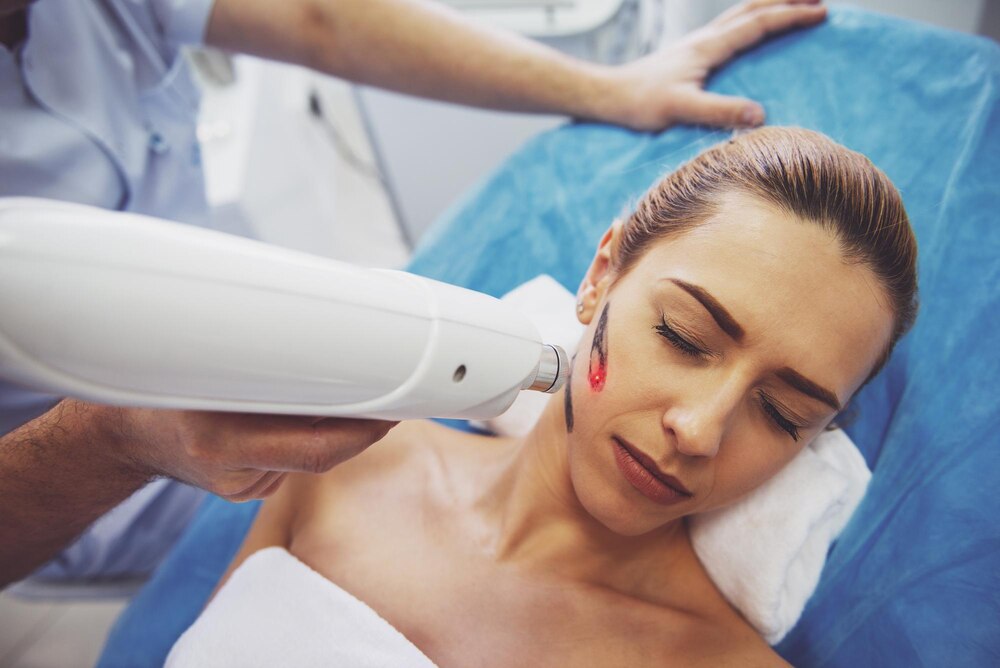
CO2 laser wart removal uses a precise beam of light energy to vaporize wart tissue while minimizing damage to surrounding skin. The targeted nature of the laser makes it well suited for stubborn warts and cosmetically sensitive areas, and it often achieves clearance in fewer sessions than freezing.
According to the American Academy of Dermatology: “Laser therapy: If other treatments have not worked, your dermatologist may recommend this in-office procedure. A laser can effectively treat stubborn warts and may clear them quickly. Possible side effects include bleeding, temporarily discolored skin, or a burning sensation.” This modality addresses a common gap in patient information around CO2 laser effectiveness.
When Is Surgical Excision Used to Remove a Wart?
Surgical excision immediately removes the wart by cutting it out, making it useful for select cases such as large, isolated, or treatment-resistant warts. The primary advantage is instant removal in a single visit, though healing may produce a scar. Complications are rare when the procedure is performed by a qualified provider.
The American Academy of Dermatology notes: “The advantage of excision is that the wart is immediately removed. However, as the surgical wound heals, you may develop a scar. [Complications] are rare when performed by a dermatologist.” For this reason, excision is often reserved for cases where other modalities are less practical.
Is Laser or Cryotherapy More Effective for Wart Removal?
CO2 laser is generally more effective and faster than cryotherapy for wart removal. A 2018 randomized controlled trial published in PubMed Central found CO2 laser achieved 89.7% remission versus 70.4% for cryotherapy in plantar warts at three months, with the laser requiring a median of just one session compared with three for cryotherapy.
A separate trial reinforces this advantage. The table below compares key outcomes from the available peer-reviewed data.
| Outcome | CO2 Laser | Cryotherapy |
|---|---|---|
| Plantar wart remission at 3 months (2018) | 89.7% | 70.4% |
| Median sessions to clear (2018) | 1 | 3 |
| Clearance rate (2012 trial) | 95% | 46.2% |
| Recurrence rate (2012 trial) | 2.5% | 18% |
Data from the 2018 plantar wart trial and a 2012 comparative study (both NIH/PubMed Central) consistently favor CO2 laser for clearance and lower recurrence.
How Many Treatment Sessions Will You Need?
The number of sessions depends on the modality. CO2 laser often clears warts in a single session, while cryotherapy typically requires three to four sessions for full clearance. Wart size, type, location, and individual response all influence the final count, so a consultation provides the most accurate estimate.
Patients seeking faster resolution before summer sandal and swimwear season frequently prefer the lower session count associated with laser treatment, particularly for visible plantar or hand warts.
What Happens if a Wart Won’t Go Away After Treatment?
Refractory warts that persist after multiple treatments may require alternative modalities such as laser therapy or immunotherapy, and in some cases a biopsy to confirm the diagnosis. Stubborn warts are common, and switching approaches or combining treatments often improves outcomes when standard freezing has failed.
A biopsy is occasionally recommended to rule out other skin lesions that can mimic warts. A practice offering multiple removal modalities is well positioned to manage these treatment-resistant cases.
Does Wart Removal Leave a Scar?
Scarring risk varies by removal method. A 2012 randomized trial in PubMed Central found CO2 laser carried a greater risk of scarring than cryotherapy, while post-procedure hypopigmentation was not statistically different between the two. Scarring is uncommon with spontaneous resolution and rare with skilled surgical excision performed by a qualified provider.
Because outcomes depend heavily on technique and aftercare, choosing an experienced provider matters for minimizing visible marks. In a cosmetic or plastic surgery setting, modality selection and meticulous technique are tailored specifically to protect appearance, which is a key advantage for warts in exposed areas.
Which Wart Removal Method Is Best for the Face and Hands?
Precision modalities such as CO2 laser are often favored for cosmetically sensitive areas like the face and hands. The laser’s targeted energy vaporizes wart tissue while limiting damage to surrounding skin, helping to minimize scarring and preserve a natural appearance in highly visible locations.
For patients concerned about cosmetic outcomes, a provider may combine careful modality selection with attention to healing. Those exploring options for visible growths may also benefit from professional laser and cosmetic removal of benign skin lesions, including warts, skin tags, and moles.
How Long Does Healing Take After Wart Removal?
Healing time depends on the modality and the wart’s size and location. Cryotherapy may cause a blister that resolves over one to two weeks, while CO2 laser and surgical excision create a small wound that typically heals over one to several weeks. Temporary redness or discoloration can persist longer in some patients.
Proper aftercare – keeping the area clean, following provider instructions, and protecting healing skin from sun exposure – supports the best cosmetic result. Sun protection is especially important during summer to reduce the risk of pigment changes.
How Can You Prevent Warts From Coming Back?
Preventing wart recurrence involves good hygiene, avoiding contact that spreads HPV, and, for genital warts, HPV vaccination. Keeping skin intact, not sharing personal items, wearing footwear in communal areas, and avoiding picking at warts all reduce the chance of reinfection or spread to new areas.
Healthdirect guidance highlights HPV vaccination as a preventive measure that can reduce the risk of genital warts caused by certain HPV strains. Because warts result from a virus, complete prevention is not guaranteed, but these steps meaningfully lower recurrence risk.
Why Choose a Plastic Surgery Practice or Med Spa for Wart Removal?
A plastic surgery practice or med spa combines medical-grade removal modalities – CO2 laser, cryotherapy, and surgical excision – with a strong emphasis on aesthetic outcomes and scar minimization. This integration of clinical effectiveness and cosmetic expertise is particularly valuable for warts on the face, hands, and other visible areas.
As Amreen Sitabkhan, MD, FAAD, a Board-Certified Dermatologist and Fellow of the American Academy of Dermatology, notes: “Dermatologists offer a range of safe and effective treatments for warts, and they tailor these treatments to the patient’s needs.” A cosmetic practice can also coordinate wart removal with complementary services such as skin rejuvenation and scar revision for a comprehensive approach.
Frequently Asked Questions About Wart Removal
The questions below address the most common patient concerns about professional and at-home wart treatment, with concise, evidence-based answers.
How Long Does Salicylic Acid Take to Remove a Wart?
Over-the-counter salicylic acid typically takes several weeks to a few months to remove a wart, with consistent daily application. If a wart does not improve after this period, recurs, or causes irritation, professional care is recommended. Mayo Clinic and GoodRx both note that persistent warts often warrant escalation to in-office treatment.
Is Wart Removal Painful?
Discomfort varies by method. Cryotherapy can cause a stinging or burning sensation during and after freezing, while CO2 laser and surgical excision are usually performed with local anesthesia to minimize pain. Mild soreness during healing is common across all modalities but is typically manageable.
Are At-Home Freeze Kits Safe to Use?
At-home freeze kits can be used safely when product instructions are followed precisely, but they carry a risk of skin damage, blistering, and pigment changes if overused. These kits are not as cold as clinical liquid nitrogen and should not be applied to the face, genitals, or repeatedly beyond label directions. Persistent warts warrant professional evaluation.
How Much Does Professional Wart Removal Cost?
The cost of professional wart removal varies based on the modality chosen, the number and size of warts, their location, and how many sessions are needed. Because each case differs, a consultation provides the most accurate pricing and treatment plan. Single-session laser treatment may offer value by reducing the total number of visits.
What Are the Next Steps for Safe, Effective Wart Removal?
Warts are common and highly treatable. Professional options like CO2 laser, cryotherapy, and surgical excision deliver higher clearance and faster results than self-treatment, with careful attention to cosmetic outcomes – and certain warts, including genital and treatment-resistant cases, require specialist evaluation.
With summer’s sandals, swimwear, and short sleeves drawing attention to warts on the feet, hands, and face, now is an ideal time to address them before peak exposure season. Schedule a consultation to determine the safest, most effective removal approach tailored to your skin and cosmetic goals.
Frequently Asked Questions
Is laser or cryotherapy more effective for wart removal?
CO2 laser is generally more effective and faster than cryotherapy. A 2018 randomized trial found CO2 laser achieved 89.7% remission versus 70.4% for cryotherapy in plantar warts at three months, requiring a median of one session compared with three. A 2012 trial showed 95% laser clearance versus 46.2% for cryotherapy, with lower recurrence (2.5% versus 18%).
How many treatment sessions does wart removal require?
The number of sessions depends on the modality. CO2 laser often clears warts in a single session, while cryotherapy typically requires three to four sessions for full clearance. Wart size, type, location, and individual response all influence the final count. Patients seeking faster resolution frequently prefer the lower session count associated with laser treatment for visible warts.
Does wart removal leave a scar?
Scarring risk varies by removal method. A 2012 randomized trial found CO2 laser carried a greater risk of scarring than cryotherapy, while post-procedure hypopigmentation was not statistically different between the two. Scarring is uncommon with spontaneous resolution and rare with skilled surgical excision performed by a qualified provider. Choosing an experienced provider matters for minimizing visible marks.
How long does healing take after wart removal?
Healing time depends on the modality and the wart’s size and location. Cryotherapy may cause a blister that resolves over one to two weeks, while CO2 laser and surgical excision create a small wound that typically heals over one to several weeks. Temporary redness or discoloration can persist longer in some patients. Proper aftercare and sun protection support the best cosmetic result.
Do warts go away on their own?
Many warts resolve without treatment, but the process can take years. StatPearls (NCBI, 2024) reports that nearly two-thirds (about 66%) of warts spontaneously disappear within 24 months, and scarring is uncommon when resolution occurs naturally. Cutaneous warts resolve in roughly half of cases within one year and three-quarters within two years, making watchful waiting reasonable for some patients.
How much does professional wart removal cost?
The cost of professional wart removal varies based on the modality chosen, the number and size of warts, their location, and how many sessions are needed. Because each case differs, a consultation provides the most accurate pricing and treatment plan. Single-session laser treatment may offer value by reducing the total number of visits compared with multi-session cryotherapy.
Can you treat genital warts at home?
No, genital warts should not be treated with standard over-the-counter wart removers and require professional evaluation. These products are formulated for thick skin on hands and feet, and applying them to sensitive genital tissue can cause significant irritation or injury. Professional management offers prescription creams, chemical wart paint, cryotherapy, laser treatment, or surgical removal under supervision.
