

Last updated: June 1, 2026
No downtime lifting has emerged as a defining aesthetic category in 2026, reflecting a broader shift toward refined preservation and natural-looking results. This guide explains what these treatments are, how they work, who they suit, and what to realistically expect from recovery, results, and cost.
What Is No Downtime Lifting?
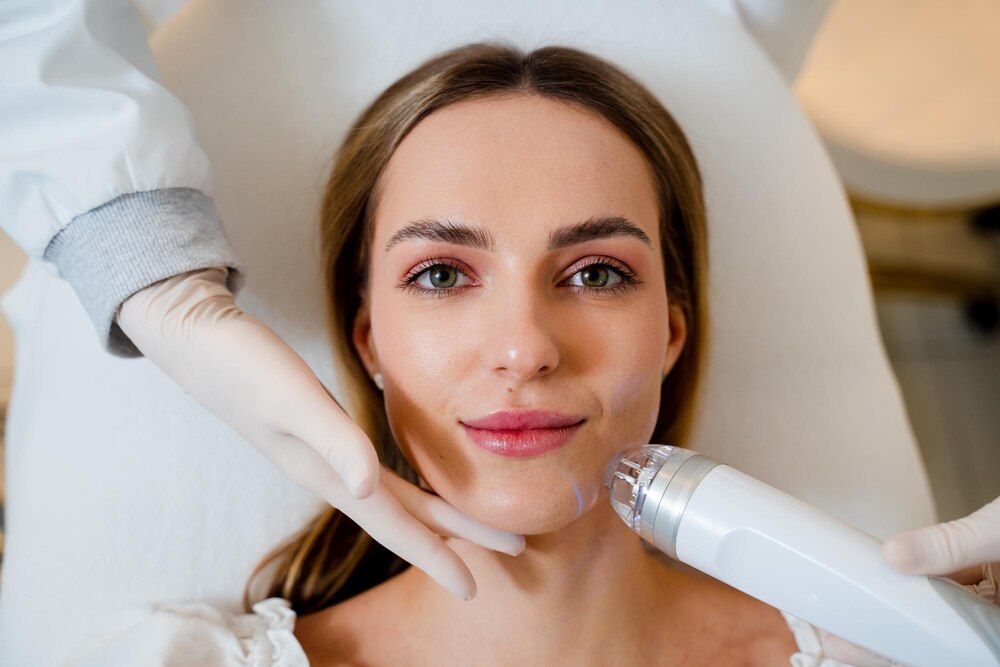
No downtime lifting refers to minimally invasive and non-surgical treatments that lift and tighten skin with little to no recovery time. These procedures stimulate collagen, reposition tissue, or restore facial structure without the incisions, anesthesia, or extended healing associated with surgical lifting, allowing patients to return to normal activity quickly.
This category fits the 2026 emphasis on aesthetic “preservation,” as outlined by the American Society of Plastic Surgeons (ASPS), where patients increasingly favor subtle, maintainable enhancements over dramatic transformation. Treatments may include energy-based skin tightening, biostimulatory injectables, and thread lifting, all designed to deliver visible improvement while preserving a natural appearance.
How Does No Downtime Lifting Differ From a Surgical Facelift?
No downtime lifting differs from a surgical facelift primarily in invasiveness, recovery, and longevity. A surgical facelift addresses significant skin laxity through incisions and tissue repositioning, while non-surgical options work on mild to moderate laxity with minimal recovery but more gradual, shorter-lived results.
The table below compares key differences between these two approaches.
| Factor | No Downtime Lifting | Surgical Facelift |
|---|---|---|
| Invasiveness | Minimal or none | Surgical incisions |
| Recovery | Hours to a few days | 2-4 weeks |
| Best for | Mild to moderate laxity | Significant laxity |
| Results duration | Months to ~2 years | 10+ years |
Why Is No Downtime Lifting Trending in 2026?
No downtime lifting is trending in 2026 because patient demand has shifted toward refined preservation, regenerative sculpting, and natural, undetectable results. The American Society of Plastic Surgeons’ 2026 outlook highlights faster recovery expectations and growing interest in minimally invasive procedures that fit busy lifestyles without sacrificing visible improvement.
This momentum reflects a cultural move away from obvious surgical changes toward subtle, maintainable enhancements. Patients increasingly want treatments they can schedule around work and travel, see steady improvement from, and maintain with lighter touch-ups over time rather than committing to a single dramatic procedure.
What Role Does Regenerative Aesthetics Play in Modern Lifting?
Regenerative aesthetics plays a central role in modern lifting by using the body’s own healing processes to improve skin quality and firmness. Per ASPS 2026 trends, tools such as platelet-rich plasma (PRP), platelet-rich fibrin (PRF), exosomes, skin boosters, and biostimulatory fillers support collagen production and tissue regeneration that contribute to a tightening effect.
These regenerative options are often combined with energy-based or injectable treatments. Rather than physically pulling skin, they enhance underlying skin health, which supports more natural-looking lift results over time and aligns with the preservation-focused direction of current aesthetic care.
How Has Weight Loss Driven Interest in Skin Tightening?
Weight loss has driven significant interest in skin tightening because rapid reductions, often linked to GLP-1 medications, can leave behind loose or lax skin. ASPS and CareCredit 2026 trend coverage both highlight “GLP-1 makeovers,” skin tightening after weight loss, and body contouring as leading drivers of demand for lifting treatments.
Patients who have lost substantial weight frequently seek non-surgical tightening for mild to moderate laxity on the face, neck, and body. For more advanced laxity, however, surgical skin removal may be the more appropriate route – a distinction a qualified provider can clarify during consultation.
Which Treatments Offer Lifting With Little to No Downtime?
Treatments offering lifting with little to no downtime include energy-based skin tightening, biostimulatory injectables, and thread lifts. Energy devices use radiofrequency or ultrasound to stimulate collagen, injectables restore volume and trigger collagen production, and threads physically reposition tissue, all with minimal recovery compared to surgery.
A combined surgical practice and med spa can offer a full spectrum of these options. The right choice depends on the treatment area, degree of laxity, and individual goals, often using more than one modality for comprehensive results.
- Ultrasound-based skin tightening (e.g., Ultherapy)
- Radiofrequency and RF microneedling devices
- Biostimulatory fillers and liquid lift techniques
- Thread lifts
- Regenerative treatments such as PRP and PRF
How Do Energy-Based Devices Tighten Skin?
Energy-based devices tighten skin by delivering controlled heat into deeper skin layers to stimulate collagen production. Radiofrequency and focused ultrasound modalities trigger the body’s natural healing response, gradually firming and lifting tissue over several weeks to months with little to no recovery time required after treatment.
Ultherapy is an FDA-approved, non-surgical ultrasound treatment that lifts, tones, and tightens loose skin on the brow, neck, and under the chin without downtime. A typical session takes 60 to 90 minutes with no special preparation or aftercare requirements. For an honest comparison of marketing claims versus outcomes, see real patient experiences with Sofwave, HIFU, and RF microneedling.
Can Injectables and Biostimulatory Fillers Create a Lift?
Injectables and biostimulatory fillers can create a lift by restoring volume and stimulating collagen in strategic areas. Biostimulatory products encourage the body to produce its own collagen over time, while precisely placed fillers support and reposition tissue, producing a “liquid lift” effect with minimal downtime.
This approach is well suited to patients who have lost facial volume or want subtle contouring without surgery. Because biostimulatory results develop gradually, the outcome tends to look natural, reinforcing the 2026 focus on undetectable enhancement.
What Are Thread Lifts and How Much Recovery Do They Require?
Thread lifts are minimally invasive procedures that use dissolvable sutures to physically lift and reposition sagging skin. Recovery is short, typically a few days of mild swelling, bruising, or tightness, with most patients returning to normal activity quickly compared to a surgical lift.
The threads also stimulate collagen along their path, contributing to gradual firming. Thread lifts work best for mild to moderate laxity and are often combined with energy-based or regenerative treatments to enhance and prolong results.
Who Is a Good Candidate for No Downtime Lifting?
A good candidate for no downtime lifting typically has mild to moderate skin laxity, realistic expectations, and a desire for subtle improvement without surgery. Adults aged 35 to 65 seeking maintenance or early intervention are often ideal, while those with significant laxity may achieve better results with surgical options.
Candidacy depends on the treatment area, skin quality, age, and lifestyle. A consultation with a qualified provider is the most reliable way to determine which modality, or combination, suits individual goals.
Is No Downtime Lifting Right for Post-Weight-Loss Skin Laxity?
No downtime lifting can be right for post-weight-loss skin laxity when the looseness is mild to moderate. Energy-based tightening and regenerative treatments can improve skin firmness in these cases, but patients with substantial excess skin often require surgical skin removal for meaningful correction.
Because weight-loss-related laxity varies widely, an in-person evaluation is essential. A provider can assess whether non-surgical tightening will deliver satisfactory results or whether a surgical approach better matches the degree of laxity.
When Should You Consider Surgery Instead?
Surgery should be considered when skin laxity is significant, when excess skin hangs or folds, or when non-surgical treatments are unlikely to meet a patient’s goals. In these cases, procedures such as facelift surgery or body skin removal provide more dramatic, longer-lasting correction than minimally invasive options.
Non-surgical lifting has clear limits. Recognizing those limits early prevents disappointment and wasted resources, which is why a candid consultation that compares both pathways is valuable for anyone weighing their options.
How Long Do No Downtime Lifting Results Last?
No downtime lifting results typically last from several months to about two years, depending on the treatment type and individual factors. Energy-based collagen stimulation and biostimulatory fillers often last around one to two years, while thread lifts and some injectables may require more frequent maintenance.
The table below summarizes general duration expectations by treatment class.
| Treatment Type | Typical Results Duration |
|---|---|
| Ultrasound skin tightening | About 1-2 years |
| Radiofrequency / RF microneedling | About 1-2 years |
| Biostimulatory fillers | Up to ~2 years |
| Thread lifts | About 1-2 years |
The ASPS 2026 outlook notes growing interest in “lighter maintenance” procedures, where periodic touch-ups preserve results gradually rather than relying on a single intervention.
What Does Recovery Really Look Like After No Downtime Lifting?
Recovery after no downtime lifting is usually brief, ranging from no recovery at all to a few days of minor side effects. Common temporary effects include mild redness, swelling, bruising, or tenderness, with most patients resuming normal activities the same day or within a short window.
It is important to distinguish “no downtime” from “minimal downtime.” Many treatments allow an immediate return to daily life, while thread lifts or aggressive energy settings may involve a few days of mild swelling. Following provider aftercare guidance supports a smooth recovery.
How Do You Achieve Natural-Looking Lift Results?
Natural-looking lift results are achieved through provider experience, conservative dosing, and thoughtful combination treatments. Skilled practitioners aim for gradual, balanced improvement rather than overcorrection, which aligns with the 2026 emphasis on natural, undetectable beauty highlighted in the ASPS trend outlook.
In clinical practice, combining modalities – such as regenerative treatments to improve skin quality alongside energy-based tightening – often yields more harmonious outcomes than any single treatment. The goal is a refreshed appearance that looks like the patient, only well-rested and firmer.
Why Is Summer a Popular Time for No Downtime Lifting?
Summer is a popular time for no downtime lifting because quick-recovery treatments fit easily around warm-weather events, vacations, and gatherings. Patients in 2026 increasingly seek refreshed, lifted results without taking time off work, making minimally invasive options especially appealing during the busy summer season.
Sun protection is an important consideration. Skin can be more sensitive after energy-based and injectable treatments, so diligent use of broad-spectrum sunscreen and sun avoidance supports healing and protects results during the high-UV months of summer.
How Much Does No Downtime Lifting Cost?
No downtime lifting costs vary widely by treatment type, the number of sessions, treatment area size, and provider expertise. Energy-based tightening, biostimulatory fillers, and thread lifts each fall into different price ranges, and many patients combine treatments, which affects overall investment.
Several factors influence pricing:
- Type and number of treatments or sessions needed
- Size and number of treatment areas
- Provider experience and practice location
- Whether treatments are combined for enhanced results
Because plans are individualized, a personalized consultation provides the most accurate estimate. Many practices also offer financing options, such as CareCredit, to help patients manage costs.
Frequently Asked Questions About No Downtime Lifting
The following questions address common concerns about no downtime lifting, including comfort, timing of results, combination treatments, and safety. Each answer reflects general expectations; individual outcomes depend on the specific treatment and patient.
Is No Downtime Lifting Painful?
No downtime lifting is generally well tolerated, with most patients reporting mild discomfort rather than pain. Sensations vary by treatment, from warmth during energy-based procedures to brief pressure during injectables or threads. Topical numbing, cooling, or local anesthetic options are commonly used to keep treatments comfortable.
How Soon Will You See Results?
Results vary by treatment type. Some injectable and thread treatments offer an immediate visible lift, while collagen-stimulating procedures like ultrasound and radiofrequency produce gradual improvement over several weeks to a few months as the body builds new collagen, with continued progress often visible up to six months later.
Can No Downtime Lifting Be Combined With Other Treatments?
Yes, no downtime lifting can be combined with other treatments, and combination protocols often deliver enhanced results. Pairing regenerative treatments such as PRP or PRF with energy-based tightening, or combining injectables with skin boosters, addresses both skin quality and structure for more comprehensive, natural-looking improvement.
Are There Risks or Side Effects?
No downtime lifting carries low risk, with side effects typically limited to temporary redness, swelling, bruising, or tenderness. Rare complications can include uneven results or, in some treatments, nodules or asymmetry. Choosing a qualified, experienced provider significantly reduces these risks and supports safe, predictable outcomes.
How Do You Choose the Right Provider for No Downtime Lifting?
The right provider for no downtime lifting is board-certified, experienced in both surgical and non-surgical aesthetics, and transparent about candidacy. A practice that combines plastic surgery expertise with med spa capabilities can recommend the most appropriate treatment, or honestly advise when surgery is the better option.
When evaluating providers, review credentials, before-and-after results, and whether the practice offers a full range of lifting options. A thorough consultation should include realistic expectations, a personalized plan, and clear explanation of recovery, results, and cost.
Ready to Explore No Downtime Lifting Options?
No downtime lifting offers a compelling path to firmer, lifted skin without the recovery of surgery, fitting the 2026 emphasis on preservation, regenerative aesthetics, and natural results. From energy-based tightening to biostimulatory injectables and thread lifts, the right approach depends on individual laxity, goals, and lifestyle.
The most reliable way to identify the best minimally invasive lifting plan is a personalized consultation with a qualified provider who can evaluate your skin and goals. Schedule a consultation to explore which no downtime lifting options are right for you this summer.
Frequently Asked Questions
What is no downtime lifting?
No downtime lifting refers to minimally invasive and non-surgical treatments that lift and tighten skin with little to no recovery time. These procedures stimulate collagen, reposition tissue, or restore facial structure without incisions, anesthesia, or extended healing. Common options include energy-based skin tightening, biostimulatory injectables, and thread lifts, all designed to deliver visible improvement while preserving a natural appearance.
How long do no downtime lifting results last?
No downtime lifting results typically last from several months to about two years, depending on the treatment type. Ultrasound and radiofrequency skin tightening generally last around one to two years, biostimulatory fillers can last up to roughly two years, and thread lifts last about one to two years. Periodic touch-ups help maintain results gradually rather than relying on a single intervention.
How is no downtime lifting different from a surgical facelift?
No downtime lifting differs from a surgical facelift in invasiveness, recovery, and longevity. Non-surgical lifting uses minimal or no incisions, requires only hours to a few days of recovery, and best suits mild to moderate laxity with results lasting months to about two years. A surgical facelift addresses significant laxity through incisions, needs two to four weeks of recovery, and lasts 10 or more years.
How soon will you see results after no downtime lifting?
Results vary by treatment type. Some injectable and thread treatments offer an immediate visible lift, while collagen-stimulating procedures like ultrasound and radiofrequency produce gradual improvement over several weeks to a few months as the body builds new collagen. Continued progress is often visible up to six months after the treatment session.
What does recovery look like after no downtime lifting?
Recovery after no downtime lifting is usually brief, ranging from no recovery at all to a few days of minor side effects. Common temporary effects include mild redness, swelling, bruising, or tenderness, with most patients resuming normal activities the same day or within a short window. Thread lifts or aggressive energy settings may involve a few days of mild swelling.
Is no downtime lifting good for skin laxity after weight loss?
No downtime lifting can work for post-weight-loss skin laxity when the looseness is mild to moderate. Energy-based tightening and regenerative treatments can improve skin firmness in these cases, often linked to GLP-1 weight loss. However, patients with substantial excess skin that hangs or folds typically require surgical skin removal for meaningful correction, so an in-person evaluation is essential.
How much does no downtime lifting cost?
No downtime lifting costs vary widely based on treatment type, the number of sessions, treatment area size, and provider expertise. Energy-based tightening, biostimulatory fillers, and thread lifts each fall into different price ranges, and combining treatments affects overall investment. Because plans are individualized, a personalized consultation provides the most accurate estimate, and many practices offer financing options such as CareCredit.
Are there risks or side effects with no downtime lifting?
No downtime lifting carries low risk, with side effects typically limited to temporary redness, swelling, bruising, or tenderness. Rare complications can include uneven results or, in some treatments, nodules or asymmetry. Choosing a qualified, experienced, board-certified provider significantly reduces these risks and supports safe, predictable outcomes.
