

Last updated: May 30, 2026
Significant weight loss is a major health achievement, but it often leaves behind excess skin and changes in body shape that diet and exercise cannot address. For the growing number of patients reaching their goal weight through GLP-1 medications, body contouring after weight loss has become one of the most sought-after categories of plastic surgery in 2026. This guide covers procedures, timing, candidacy, recovery, and what to expect at every stage of the process.
Why Are So Many People Seeking Body Contouring After GLP-1 Weight Loss in 2026?
Body contouring after GLP-1 weight loss has surged in demand because medications like Ozempic, Wegovy, Mounjaro, and Zepbound have helped millions of patients achieve significant weight reduction, often 50 pounds or more. Rapid or substantial weight loss frequently results in loose, hanging skin and volume deflation that cannot be corrected without surgical or procedural intervention.
The American Society of Plastic Surgeons (ASPS) identified the “GLP-1 makeover” as a continuing aesthetic trend into 2026, reflecting the downstream demand created by widespread adoption of these weight loss medications. Patients who have worked hard to improve their metabolic health are now seeking body contouring to align their appearance with their healthier weight.
This trend is particularly relevant during summer 2026. Many patients who began GLP-1 medications in fall or winter 2025 are now reaching or approaching their goal weight, making this the ideal window to evaluate candidacy and begin planning procedures.
What Is a GLP-1 Makeover and Why Is It Trending?
The term “GLP-1 makeover” refers to a coordinated set of aesthetic procedures designed to address the visible side effects of rapid pharmacological weight loss. These side effects can include sagging skin on the body, facial volume loss (sometimes called “Ozempic face”), deflated breasts, and disproportionate remaining fat deposits.
A GLP-1 makeover typically involves some combination of body contouring surgery, skin tightening treatments, facial rejuvenation, and breast reshaping. The concept recognizes that significant weight loss affects the entire body and that optimal aesthetic results often require a comprehensive, multi-procedure approach rather than a single operation.
What Happens to Your Skin and Body Shape After Losing 50+ Pounds?
When the body loses a large volume of fat, the overlying skin often lacks the elasticity to contract and conform to the new, smaller frame. Collagen and elastin fibers in the skin become damaged or stretched beyond their ability to recover, particularly in patients over 35 or those whose weight was carried for many years.
Common changes after losing 50 or more pounds include hanging skin folds on the abdomen, upper arms, and inner thighs; breast deflation and ptosis (sagging); a flattened or drooping buttock contour; and facial hollowing with visible jowling. These changes are physiological realities of significant weight loss and are not a reflection of inadequate effort by the patient. Surgical body contouring is often the only effective solution for moderate to severe skin laxity.
What Are the Most Common Body Contouring Procedures After Weight Loss?
The most common body contouring procedures after weight loss include abdominoplasty (tummy tuck), circumferential body lift, brachioplasty (arm lift), thigh lift, and breast lift (mastopexy). Each procedure targets a specific area of excess skin and tissue laxity, and many patients require more than one to achieve balanced, proportional results.
What Does a Tummy Tuck (Abdominoplasty) Do After Weight Loss?
Abdominoplasty is the most frequently requested post-weight-loss body contouring procedure. It removes excess abdominal skin, tightens weakened or separated abdominal wall muscles (diastasis recti), and eliminates residual fat deposits to create a smoother, flatter abdominal profile.
After GLP-1-assisted weight loss, patients often present with a significant abdominal skin apron (pannus) that causes chafing, hygiene difficulties, and discomfort during physical activity. An extended abdominoplasty, which carries the incision further around the flanks, is frequently appropriate for post-weight-loss patients whose excess skin extends beyond the front of the abdomen.
What Is a Circumferential Body Lift and Who Needs One?
A circumferential body lift, also called a 360-degree body lift, addresses excess skin around the entire trunk – including the abdomen, flanks, lower back, and buttocks – in a single operation. This procedure is appropriate for patients with significant skin laxity that wraps around the torso rather than being limited to the front of the abdomen.
Candidacy for a circumferential body lift is determined by the distribution and severity of excess skin. Patients who have lost 80 pounds or more are more likely to need this comprehensive approach. The procedure involves a longer operative time and a more involved recovery than a standalone tummy tuck, but it produces dramatic circumferential improvement that cannot be achieved with isolated procedures.
Can an Arm Lift (Brachioplasty) Remove Loose Skin on the Upper Arms?
Brachioplasty removes excess skin and fat from the upper arms, addressing the hanging tissue commonly referred to as “bat wings.” Upper arm skin is particularly resistant to tightening through exercise because the skin in this area is thin and has limited underlying muscular support.
The procedure involves an incision along the inner arm, typically extending from the armpit to the elbow. Scarring is a significant consideration – patients should understand that the tradeoff for a tighter arm contour is a visible scar. In clinical practice, most patients who pursue brachioplasty after major weight loss report high satisfaction despite the scarring, as the functional and aesthetic improvement is substantial.
How Does a Thigh Lift Address Sagging Skin on the Inner and Outer Thighs?
A thigh lift removes excess skin from the inner thighs (medial thigh lift), outer thighs (lateral thigh lift), or both. Inner thigh laxity is especially common after major weight loss and can cause chafing, rashes, and difficulty with physical activity and clothing fit.
A medial thigh lift places the incision in the groin crease and along the inner thigh. Recovery requires limiting lower-body activity for several weeks. Thigh lifts are often performed as part of a staged body contouring plan rather than as a first-stage procedure, allowing the patient to recover from higher-priority operations first.
Why Do Many Patients Need a Breast Lift After Significant Weight Loss?
Breast ptosis (sagging) is one of the most common concerns among women after major weight loss. The breasts lose volume as fat is reduced, while the skin envelope remains stretched, resulting in a deflated appearance with the nipple-areola complex positioned below the breast fold.
A breast lift (mastopexy) reshapes and elevates the breast tissue, removes excess skin, and repositions the nipple. Some patients may choose to combine mastopexy with breast augmentation to restore lost volume, while others prefer a lift alone for a natural result. Male patients who experience residual gynecomastia after weight loss may also benefit from chest contouring procedures.
Are There Non-Surgical Skin Tightening Options After Weight Loss?
Non-surgical skin tightening treatments can improve mild to moderate skin laxity after weight loss, but they cannot replicate the results of surgery for patients with significant excess skin. Technologies including radiofrequency, ultrasound-based devices, and laser skin tightening stimulate collagen production and can modestly improve skin tone and texture.
These treatments are most effective for patients with early or limited skin laxity – for example, patients who have lost 20 to 30 pounds and have mildly loose skin without hanging folds. For patients with substantial laxity after losing 50 or more pounds, non-surgical treatments alone are typically insufficient.
Which Non-Surgical Skin Tightening Treatments Actually Work?
Evidence-based non-surgical skin tightening options include radiofrequency (RF) devices, microfocused ultrasound, and fractional laser treatments. These technologies deliver controlled energy to the deeper layers of the skin, stimulating new collagen and elastin formation over a period of weeks to months.
Results are gradual and modest compared to surgery. Ideal candidates for non-surgical skin tightening are patients with mild laxity, good skin quality, and realistic expectations. Multiple treatment sessions are typically required, and results are not permanent. These treatments are best viewed as complementary tools rather than surgical alternatives for post-weight-loss patients with moderate to severe laxity.
Can Non-Surgical Treatments Be Combined with Surgery for Better Results?
Combining non-surgical skin tightening with surgical body contouring can enhance overall results. Non-surgical treatments may be used before surgery to optimize skin quality or after surgery to refine areas of residual mild laxity, improve skin texture, and support scar maturation.
A practice like NW Laser that offers both plastic surgery and med spa services under one roof is well-positioned to create integrated treatment plans. This allows for continuity of care, coordinated timing between surgical and non-surgical treatments, and a single team managing the entire body contouring process. Patients considering this approach can explore the full range of available options during their medical weight loss program or at a body contouring consultation.
When Is the Right Time to Get Body Contouring After Losing Weight?
The right time to pursue body contouring is after reaching a stable goal weight and maintaining that weight for at least three to six months. Operating before weight has stabilized increases the risk of suboptimal results, as continued weight loss or weight regain after surgery can compromise the outcome and necessitate revision procedures.
How Long Should You Maintain Your Weight Before Having Surgery?
Most board-certified plastic surgeons recommend maintaining a stable weight for a minimum of three to six months before undergoing body contouring surgery. This stabilization period allows tissues to settle, ensures the patient is nutritionally optimized, and confirms that the weight loss is durable.
For patients using GLP-1 medications, “stable weight” means the weight has plateaued even while continuing the medication, or the patient has transitioned off the medication and maintained their weight. Nutritional status is particularly important to assess, as rapid weight loss can deplete protein stores, iron, and vitamins essential for surgical healing.
Should You Stop Taking GLP-1 Medications Before Body Contouring Surgery?
GLP-1 medications raise specific preoperative considerations that patients and surgeons must address together. These medications slow gastric emptying (the rate at which food leaves the stomach), which can increase the risk of aspiration during anesthesia. Many anesthesiologists and surgeons currently recommend holding GLP-1 medications for a defined period before surgery.
There is no universal protocol – recommendations vary by medication, dosage, and the individual patient’s surgical plan. Patients should disclose all GLP-1 medication use to their surgical team well in advance of any procedure. Coordination between the prescribing weight loss physician and the plastic surgeon is essential. NW Laser’s integrated approach to supervised weight loss and surgical planning supports this type of coordinated care.
What Is Staged Body Contouring and Why Might You Need Multiple Procedures?
Staged body contouring refers to dividing the surgical plan into two or more separate operations performed weeks or months apart. This approach is common after major weight loss because addressing all areas of excess skin in a single operation would result in an excessively long surgery time, increased blood loss, and higher complication risk.
A typical staging sequence might begin with a tummy tuck or body lift as the first operation, followed by a breast lift and arm lift several months later, with thigh contouring as a third stage if needed. Staging allows the body to recover fully between procedures and gives the surgeon the ability to evaluate how tissues respond before planning subsequent operations.
How Do You Know If You Are a Good Candidate for Post-Weight-Loss Body Contouring?
Good candidates for post-weight-loss body contouring have reached a stable goal weight, are in good overall health, do not smoke, have realistic expectations about outcomes and scarring, and are psychologically prepared for the recovery process. A thorough evaluation by a board-certified plastic surgeon is the most reliable way to determine individual candidacy.
What BMI or Weight Should You Reach Before Considering Body Contouring?
While many surgeons prefer to operate on patients with a BMI at or below 30 to 32 for optimal safety and results, there is no single rigid BMI cutoff that applies to every patient. Candidacy is evaluated on a case-by-case basis considering overall health, body fat distribution, skin quality, and the specific procedures planned.
Patients who are still significantly above their goal weight are generally advised to continue their weight loss efforts before scheduling surgery. Operating at a higher BMI increases the risk of wound healing complications, seroma formation, and the potential need for revision procedures.
What Health Conditions Could Affect Your Eligibility for Surgery?
Several health factors influence surgical eligibility and healing after body contouring. The following conditions require evaluation and optimization before surgery:
- Nutritional deficiencies – protein, iron, vitamin D, and B12 deficits are common after rapid weight loss and impair wound healing
- Diabetes – blood glucose must be well-controlled to reduce infection and wound complication risk
- Smoking – tobacco use significantly impairs blood flow to tissues and dramatically increases complication rates; cessation is typically required at least four to six weeks before and after surgery
- Cardiovascular conditions – must be evaluated and cleared by the patient’s primary care physician or cardiologist
- Anemia – must be corrected before large-surface-area procedures to ensure safe hemoglobin levels during and after surgery
What Should You Expect During Recovery from Post-Weight-Loss Body Contouring?
Recovery from post-weight-loss body contouring varies by procedure but generally requires two to six weeks of limited activity, use of compression garments, management of surgical drains, and a gradual return to exercise and normal routines. Patients should plan for adequate time off work and arrange help at home during the initial recovery phase.
How Long Does Recovery Take for Each Type of Body Contouring Procedure?
The following table summarizes general recovery timelines for the most common post-weight-loss body contouring procedures:
| Procedure | Return to Desk Work | Return to Exercise | Full Recovery |
|---|---|---|---|
| Tummy Tuck (Abdominoplasty) | 2 – 3 weeks | 6 – 8 weeks | 3 – 6 months |
| Circumferential Body Lift | 3 – 4 weeks | 8 – 12 weeks | 6 – 12 months |
| Arm Lift (Brachioplasty) | 1 – 2 weeks | 4 – 6 weeks | 3 – 4 months |
| Thigh Lift | 2 – 3 weeks | 6 – 8 weeks | 3 – 6 months |
| Breast Lift (Mastopexy) | 1 – 2 weeks | 4 – 6 weeks | 3 – 4 months |
These timelines are general estimates. Individual recovery depends on the extent of the procedure, the patient’s baseline health, nutritional status, and adherence to postoperative instructions. Patients undergoing staged procedures should plan for separate recovery periods for each operation.
What Can You Do to Minimize Scarring After Body Contouring Surgery?
All body contouring procedures produce scars. The goal is to place incisions in concealable locations and manage scars proactively to optimize their long-term appearance. Effective scar management strategies include:
- Silicone sheeting or silicone-based scar gels applied consistently for several months after surgery
- Strict sun protection of healing incisions for at least 12 months to prevent hyperpigmentation
- Laser scar revision treatments, which can improve scar color, texture, and thickness after the scar has matured
- Avoiding tension on incisions during early healing by following activity restrictions
Scars typically take 12 to 18 months to fully mature. They start firm and pink or red, gradually fading to a flatter, lighter line. Scar revision using laser technology is a growing area of interest in 2026, and practices with in-house laser capabilities can offer this as part of a comprehensive aftercare plan.
How Much Does Body Contouring After Weight Loss Cost and Is It Covered by Insurance?
Body contouring costs after weight loss vary widely depending on the procedures performed, geographic location, surgeon experience, anesthesia fees, and facility charges. A single procedure such as abdominoplasty may cost several thousand dollars, while a multi-stage contouring plan involving multiple operations can represent a significant financial investment over time.
Does Insurance Ever Cover Skin Removal Surgery After Weight Loss?
Insurance may cover a panniculectomy – the removal of a hanging abdominal skin apron – when it is deemed medically necessary. Medical necessity is typically established by documenting recurrent skin infections, rashes, or functional impairment caused by the excess tissue. A panniculectomy is a functional procedure that removes the skin apron but does not include the muscle tightening or aesthetic contouring of an abdominoplasty.
Abdominoplasty, arm lifts, thigh lifts, breast lifts, and body lifts are almost always classified as cosmetic procedures and are not covered by insurance. Patients seeking insurance coverage for a panniculectomy should be prepared to provide documentation from their primary care physician, photographs, and records of conservative treatments attempted before surgery. Prior authorization is typically required.
What Financing Options Are Available for Post-Weight-Loss Body Contouring?
Several patient financing programs are available to help manage the cost of body contouring, including CareCredit, Alphaeon Credit, and practice-specific payment plans. Many of these programs offer promotional periods with low or deferred interest for qualified applicants.
Because post-weight-loss contouring often involves multiple staged procedures, patients benefit from developing a financial plan that budgets for the full treatment sequence rather than a single operation. Discussing financing options during the initial consultation allows patients to understand total projected costs and plan accordingly.
Why Should You Choose a Board-Certified Plastic Surgeon for Post-Weight-Loss Contouring?
Board certification by the American Board of Plastic Surgery ensures that a surgeon has completed accredited training in plastic surgery, passed rigorous examinations, and maintains ongoing education in the field. Post-weight-loss body contouring is a technically demanding subspecialty that requires experience with large tissue resections, complex wound closure, and the unique tissue characteristics of patients who have lost significant weight.
Choosing a surgeon with specific experience in post-weight-loss contouring – not just general cosmetic surgery – is critical because these patients have different tissue quality, higher complication risk profiles, and more complex surgical planning needs than typical cosmetic surgery patients. An integrated practice offering both surgical and non-surgical options provides additional flexibility in treatment planning.
What Questions Should You Ask During a Body Contouring Consultation?
Patients should come to their consultation prepared to discuss their weight loss history, current medications (including GLP-1 drugs), health conditions, and aesthetic goals. The following questions help evaluate a surgeon’s qualifications and approach:
- Are you board-certified by the American Board of Plastic Surgery?
- How many post-weight-loss body contouring procedures do you perform each year?
- Can I see before-and-after photos of patients with a similar body type and weight loss history?
- What procedures do you recommend for my specific concerns, and in what order?
- What are the most common complications you see in post-weight-loss patients, and how do you manage them?
- What is your protocol for patients currently taking GLP-1 medications?
- What is the total estimated cost for my recommended treatment plan, including all stages?
Frequently Asked Questions About Body Contouring After Weight Loss
Is Body Contouring After GLP-1 Weight Loss Different from Post-Bariatric Surgery Contouring?
The surgical techniques are largely the same, but there are notable differences in patient presentation. Post-bariatric surgery patients may have more severe nutritional deficiencies due to malabsorptive procedures and often present with more extreme skin laxity after very high volume weight loss (100+ pounds). GLP-1 patients tend to have more moderate weight loss and may retain better tissue quality, though this varies significantly between individuals. Both groups require thorough preoperative nutritional assessment and individualized surgical planning.
Can You Get Body Contouring If You Still Have More Weight to Lose?
Operating before reaching a stable goal weight is generally not recommended. Continued weight loss after surgery can result in recurrent skin laxity, contour irregularities, and the potential need for revision surgery. In select cases, a surgeon may consider early intervention if the excess skin is causing significant medical problems such as recurrent infections. However, the standard recommendation remains to reach and maintain goal weight before scheduling elective body contouring.
What Are the Risks of Body Contouring Surgery After Major Weight Loss?
Post-weight-loss body contouring carries general surgical risks including infection, bleeding, seroma (fluid collection), blood clots, and adverse reactions to anesthesia. Risks specific to this patient population include delayed wound healing due to nutritional deficiencies, wound separation at incision sites, and higher complication rates associated with large surface-area procedures. Careful preoperative optimization – including correcting nutritional deficits, achieving a healthy BMI, and stopping smoking – significantly reduces these risks.
How Do You Maintain Your Body Contouring Results Long-Term?
Maintaining body contouring results requires sustained weight stability through balanced nutrition, regular physical activity, and ongoing medical support. Patients who continue GLP-1 medications for weight maintenance should coordinate closely with both their prescribing physician and their plastic surgeon. Significant weight fluctuations after body contouring can stretch tissues and compromise surgical results. Minor touch-up procedures may be appropriate in some cases as the body continues to age naturally.
What Is the Difference Between a Panniculectomy and a Tummy Tuck?
A panniculectomy is a functional procedure that removes the overhanging skin apron (pannus) from the lower abdomen. It does not involve muscle repair, liposuction, or aesthetic reshaping of the abdomen, and it may be covered by insurance when medically necessary. An abdominoplasty (tummy tuck) is an aesthetic procedure that includes removal of excess skin, tightening of the abdominal wall muscles, and contouring of the waistline. Abdominoplasty produces a more refined cosmetic result but is classified as elective and is not typically covered by insurance.
What Is the Best Next Step If You Are Considering Body Contouring After Weight Loss?
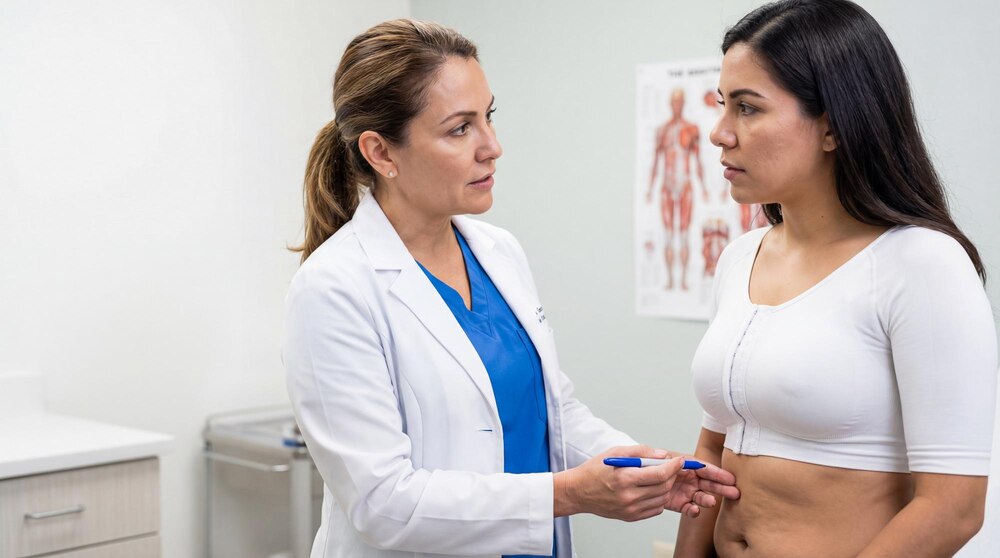
The most productive next step is scheduling a consultation with a board-certified plastic surgeon who has specific experience in post-weight-loss body contouring. During this evaluation, the surgeon will assess skin laxity, discuss medical history and current medications, recommend appropriate procedures, and outline a realistic timeline and treatment plan tailored to individual goals.
Summer 2026 is an ideal time to begin this planning process. Patients who consult now can optimize their health, finalize their weight stabilization, and schedule procedures with enough lead time to recover well before the following year. For patients currently enrolled in a weight loss program, discussing body contouring goals with the medical team early allows for coordinated planning between weight management and surgical readiness.
Body contouring after weight loss is not about vanity – it is the final step in a health transformation. A personalized consultation ensures that the surgical plan aligns with each patient’s anatomy, goals, and medical needs for the safest, most satisfying outcome.
Frequently Asked Questions
How long should you wait after reaching your goal weight to get body contouring surgery?
Most board-certified plastic surgeons recommend maintaining a stable goal weight for at least three to six months before undergoing body contouring surgery. This stabilization period allows tissues to settle, ensures nutritional optimization for healing, and confirms that weight loss is durable. For patients on GLP-1 medications, stable weight means the weight has plateaued on the medication or has been maintained after discontinuation.
What is the difference between a panniculectomy and a tummy tuck?
A panniculectomy is a functional procedure that removes the overhanging abdominal skin apron without muscle repair or aesthetic contouring, and it may be covered by insurance when medically necessary. An abdominoplasty – commonly called a tummy tuck – is an aesthetic procedure that removes excess skin, tightens abdominal wall muscles, and contours the waistline for a more refined cosmetic result. Abdominoplasty is classified as elective and is not typically covered by insurance.
Do you need to stop taking GLP-1 medications like Ozempic or Wegovy before body contouring surgery?
GLP-1 medications slow gastric emptying, which can increase the risk of aspiration during anesthesia. Many surgeons and anesthesiologists recommend holding these medications for a defined period before surgery. There is no universal protocol – recommendations vary by medication, dosage, and surgical plan. Patients should disclose all GLP-1 medication use to their surgical team well in advance so preoperative care can be properly coordinated.
Can non-surgical skin tightening treatments replace surgery after major weight loss?
Non-surgical skin tightening treatments such as radiofrequency, ultrasound, and fractional laser devices can improve mild to moderate skin laxity but cannot replicate surgical results for patients with significant excess skin. These treatments work best for patients who have lost 20 to 30 pounds with mildly loose skin and no hanging folds. For patients who have lost 50 or more pounds, surgery is typically the only effective solution for moderate to severe laxity.
Why do post-weight-loss patients often need multiple body contouring surgeries instead of one?
Staged body contouring divides the surgical plan into two or more operations performed weeks or months apart to reduce risks from excessively long surgery times, increased blood loss, and higher complication rates. A typical sequence might begin with a tummy tuck or body lift, followed by a breast lift and arm lift several months later, with thigh contouring as a third stage if needed. Staging allows full recovery between procedures for safer outcomes.
What results should you realistically expect from body contouring after weight loss?
Body contouring removes excess hanging skin, tightens underlying tissue, and creates a smoother, more proportional body shape. All procedures produce permanent scars that take 12 to 18 months to fully mature and fade. Results are long-lasting when patients maintain a stable weight through balanced nutrition, regular exercise, and ongoing medical support. Significant weight fluctuations after surgery can stretch tissues and compromise surgical outcomes.
Does insurance ever cover body contouring surgery after weight loss?
Insurance may cover a panniculectomy – removal of a hanging abdominal skin apron – when documented medical necessity exists, such as recurrent skin infections, rashes, or functional impairment. Patients must typically provide physician documentation, photographs, and records of conservative treatments attempted. Abdominoplasty, arm lifts, thigh lifts, breast lifts, and body lifts are almost always classified as cosmetic and are not covered by insurance plans.
