

Last updated: May 11, 2026
Persistent facial redness affects millions of adults and can influence confidence, social comfort, and daily routines. Whether the cause is rosacea, sun damage, or reactive skin, understanding why your face stays red is the first step toward effective treatment. This guide covers the most common causes of facial redness, professional treatments available at a plastic surgery practice and med spa, at-home strategies, and when to seek expert evaluation.
Why Is My Face Always Red?
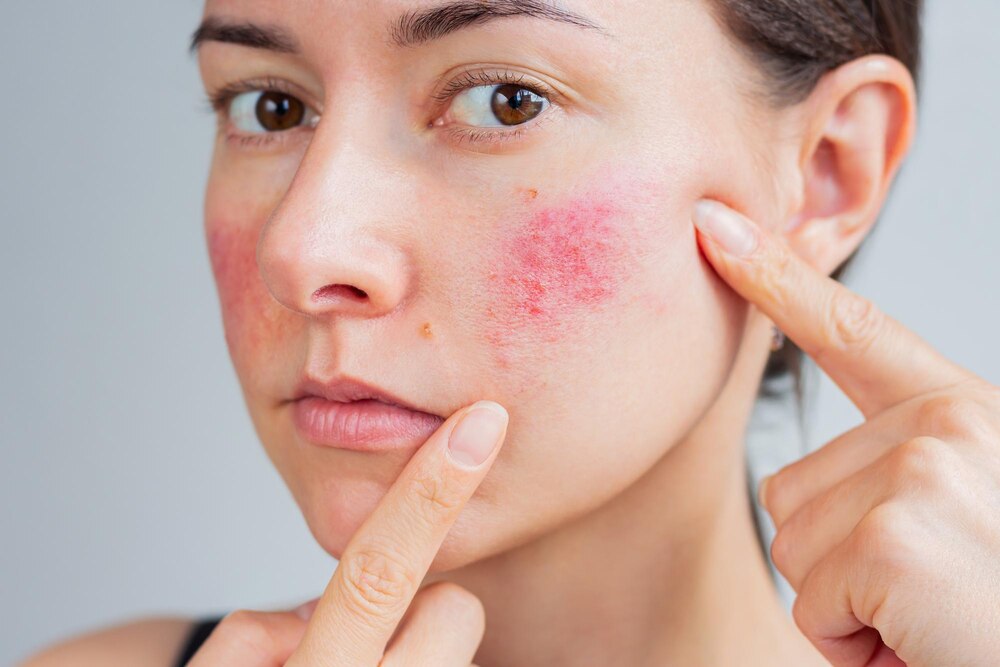
Chronic facial redness occurs when blood vessels near the skin’s surface become persistently dilated, inflamed, or damaged. Common underlying mechanisms include vascular hyperreactivity, chronic low-grade inflammation, skin barrier dysfunction, and neurogenic flushing triggered by the nervous system. Effective treatment depends on identifying which of these mechanisms is driving the redness.
In many cases, more than one factor is at play. For example, a person with rosacea may also have sun damage compounding their baseline redness. The skin on the face is thinner and more vascular than most other body areas, which is why redness tends to concentrate on the cheeks, nose, chin, and forehead. Understanding the root cause allows providers to select treatments that address the problem at its source rather than simply masking symptoms.
What Are the Most Common Causes of Persistent Facial Redness?
Facial redness has a wide range of potential causes. The following are the conditions most frequently seen in clinical practice:
- Rosacea – The most common cause of chronic redness in adults over 30, characterized by flushing, persistent erythema, visible blood vessels, and sometimes papules or pustules.
- Sun damage and photoaging – Years of UV exposure break down collagen and damage blood vessel walls, leading to diffuse redness and visible capillaries.
- Contact dermatitis – An inflammatory reaction to skincare products, fragrances, or environmental irritants that causes localized redness and stinging.
- Seborrheic dermatitis – Redness with flaking, typically around the nose, eyebrows, and hairline, caused by an overgrowth of skin yeast.
- Eczema (atopic dermatitis) – Dry, inflamed patches that may appear red and irritated, often worsened by environmental triggers.
- Acne-related inflammation – Active breakouts and post-inflammatory erythema can leave the skin looking persistently red even after blemishes resolve.
- Medication side effects – Certain blood pressure medications, topical steroids (when overused), and vasodilators can cause chronic facial flushing.
- Hormonal fluctuations – Perimenopause, menopause, and thyroid conditions can increase flushing episodes and baseline redness.
Each of these conditions has distinct features that help a trained provider differentiate one from another during a clinical evaluation.
Is My Red Face Actually Rosacea?
Rosacea affects an estimated 16 million Americans, according to the National Rosacea Society, yet many go undiagnosed or are told they simply have “sensitive skin.” The condition is most common in adults between ages 30 and 60 with fair skin, though it occurs across all skin tones and ethnicities.
Dermatologists recognize four primary rosacea subtypes:
| Subtype | Key Features | Primary Concern |
|---|---|---|
| Erythematotelangiectatic | Persistent central facial redness, visible blood vessels, flushing episodes | Redness and vascular changes |
| Papulopustular | Acne-like bumps and pustules with underlying redness | Breakouts mistaken for acne |
| Phymatous | Thickened skin, enlarged pores, most commonly on the nose | Tissue overgrowth |
| Ocular | Eye irritation, dryness, swollen eyelids, visible blood vessels on the eye | Eye involvement |
Common rosacea triggers include sun exposure, heat, stress, alcohol, spicy foods, and certain skincare products. Because rosacea can mimic other conditions, professional diagnosis is important before beginning any treatment protocol.
Can Sun Exposure and Heat Make Facial Redness Worse in Summer?
Summer is one of the most challenging seasons for anyone managing facial redness. UV radiation directly damages blood vessel walls and triggers inflammatory cascades that increase vascular dilation. Heat and humidity compound the problem by stimulating flushing responses through the nervous system.
For rosacea patients specifically, sun exposure is the single most commonly reported trigger. Even brief outdoor activity without sun protection can provoke a flare lasting hours or days. As summer 2026 approaches, this is an ideal time to establish a treatment plan and protective routine before peak UV exposure intensifies symptoms through July and August.
What Are the Best Professional Treatments for a Red Face?
Professional treatments for facial redness include vascular lasers, intense pulsed light (IPL) therapy, LED light therapy, and prescription topical medications. These treatments target the dilated blood vessels and inflammation responsible for persistent redness and produce results that over-the-counter products cannot achieve alone. A board-certified provider selects the appropriate technology based on the underlying diagnosis and skin type.
For moderate-to-severe redness or redness that has not improved with topical care over several weeks, professional intervention offers the most reliable path to visible, lasting improvement.
How Does Laser Treatment Reduce Facial Redness?
Vascular laser therapy works through a principle called selective photothermolysis. The laser emits a specific wavelength of light that is preferentially absorbed by hemoglobin – the pigment inside red blood cells. When the laser energy is absorbed, it heats and collapses the targeted blood vessels without damaging surrounding tissue.
Two primary vascular laser technologies are used for facial redness:
| Laser Type | Wavelength | Best For | Typical Sessions |
|---|---|---|---|
| Pulsed Dye Laser (PDL) | 595 nm | Individual visible vessels, rosacea erythema, concentrated redness | 1 – 3 sessions |
| Nd:YAG Laser | 1064 nm | Deeper vessels, darker skin tones, resistant vascular lesions | 2 – 4 sessions |
NW Laser offers pulse dye laser treatment for rosacea and facial redness, targeting broken capillaries and reducing erythema using advanced laser technology. PDL remains one of the most well-studied and effective treatments for vascular redness, with decades of clinical evidence supporting its safety and efficacy.
What Is IPL and How Does It Help With Redness and Rosacea?
Intense Pulsed Light (IPL) therapy uses broad-spectrum light filtered to target vascular and pigmented structures in the skin. Unlike lasers that emit a single wavelength, IPL delivers a range of wavelengths, making it particularly effective for treating diffuse, widespread redness across larger facial areas.
During an IPL session, a handheld device delivers controlled pulses of light to the treatment area. The light energy is absorbed by hemoglobin in visible blood vessels, causing them to constrict and gradually be reabsorbed by the body. Most patients require three to five sessions spaced three to four weeks apart for optimal results.
IPL is well suited for patients with generalized facial redness, mild-to-moderate rosacea, sun damage-related vascular changes, and scattered broken capillaries. Because it treats a broad area with each pulse, sessions are efficient – typically lasting 20 to 30 minutes for a full face.
Are There Other Med Spa Treatments That Can Calm Facial Redness?
A comprehensive approach to facial redness often combines vascular-targeted treatments with adjunctive therapies that support skin barrier health and reduce inflammation:
- LED light therapy – Red and near-infrared wavelengths reduce inflammation and promote cellular repair without heat or downtime.
- Medical-grade facials – Customized facials for reactive skin use gentle, anti-inflammatory ingredients to calm and hydrate without triggering flares.
- Chemical peels for sensitive skin – Low-concentration lactic acid or mandelic acid peels can improve skin texture and tone without the irritation caused by stronger formulations.
- Prescription topical treatments – Medications such as brimonidine (for temporary redness reduction), ivermectin, and low-dose metronidazole may be prescribed to manage rosacea between laser sessions.
The most effective treatment plans typically combine in-office procedures with a tailored at-home regimen, creating a multi-modal approach that addresses redness from several angles simultaneously.
Which Red Face Treatment Is Right for My Skin Type and Condition?
Treatment selection depends on several patient-specific factors. Providers evaluate Fitzpatrick skin type, the severity and distribution of redness, the underlying diagnosis, tolerance for downtime, and the patient’s goals. For example, a fair-skinned patient with diffuse rosacea redness may be an excellent candidate for IPL, while a patient with darker skin and prominent individual vessels may benefit more from an Nd:YAG laser.
There is no single treatment that works best for every patient. A personalized consultation is essential to build a plan that is safe, effective, and aligned with individual needs and expectations.
What Results Can I Expect From Facial Redness Treatments?
Most patients see a noticeable reduction in facial redness after a series of professional treatments, with improvement typically ranging from 50 to 75 percent. Results develop gradually over the course of multiple sessions, and maintenance treatments are often recommended to sustain long-term improvement, particularly for chronic conditions like rosacea.
How Many Treatment Sessions Does It Take to See Improvement?
The number of sessions required varies by treatment type and individual response:
| Treatment | Typical Sessions | Session Interval | Initial Improvement Visible |
|---|---|---|---|
| IPL | 3 – 5 | 3 – 4 weeks apart | After 1 – 2 sessions |
| Pulsed Dye Laser | 1 – 3 | 4 – 6 weeks apart | After first session |
| Nd:YAG Laser | 2 – 4 | 4 – 6 weeks apart | After 1 – 2 sessions |
| LED Light Therapy | 6 – 10 | 1 – 2 weeks apart | After 4 – 6 sessions |
Most patients notice progressive improvement with each session. Factors such as redness severity, skin type, trigger exposure, and adherence to post-treatment care all influence the speed and degree of response.
Is There Any Downtime After Laser or IPL for Facial Redness?
Downtime varies by treatment. IPL typically produces mild redness and slight swelling lasting a few hours to one day. Most patients return to normal activities immediately. Pulsed dye laser may cause temporary purpura – small bruise-like spots – that can last five to ten days, depending on the treatment settings used.
Social downtime is a common concern, and many patients schedule treatments on a Thursday or Friday to allow any visible effects to fade over the weekend. Providers can often adjust treatment parameters to balance efficacy with acceptable recovery time based on patient preferences.
How Long Do Red Face Treatment Results Last?
For sun damage-related redness, results from a completed treatment series can last years with proper sun protection. Rosacea, however, is a chronic condition, and treated blood vessels may be replaced by new dilated vessels over time as the disease progresses. Most rosacea patients benefit from maintenance sessions once or twice per year to sustain their results.
Consistent daily sunscreen use, trigger avoidance, and a gentle skincare routine significantly extend the longevity of treatment outcomes.
What Can I Do at Home to Reduce Facial Redness?
At-home care for facial redness focuses on strengthening the skin barrier, reducing inflammation, avoiding known triggers, and protecting the skin from UV damage. While home care alone may not resolve moderate-to-severe redness, a proper routine is essential for maintaining results from professional treatments and preventing flares between sessions.
What Skincare Ingredients Help Calm a Red Face?
Several ingredients have evidence supporting their use for redness-prone skin:
- Niacinamide (vitamin B3) – Strengthens the skin barrier and reduces inflammation; well tolerated even by highly reactive skin.
- Azelaic acid – Reduces redness, bumps, and inflammation associated with rosacea; available in both prescription and over-the-counter formulations.
- Centella asiatica (cica) – A botanical extract with anti-inflammatory and wound-healing properties widely used in products for sensitive skin.
- Ceramides – Essential lipids that restore and maintain the skin barrier, preventing moisture loss and irritant penetration.
- Green tea extract – Contains polyphenols with antioxidant and anti-inflammatory activity that help calm reactive skin.
Equally important is knowing what to avoid. Skincare products containing denatured alcohol, synthetic fragrance, menthol, and harsh physical exfoliants frequently worsen facial redness. High-concentration retinoids should be introduced cautiously, if at all, in rosacea-prone skin.
How Important Is Sunscreen for Managing Facial Redness?
Daily broad-spectrum sunscreen with SPF 30 or higher is the single most impactful at-home step for managing facial redness. UV radiation is a direct trigger for vascular dilation, inflammation, and rosacea flares. Consistent sunscreen use also protects the results of professional treatments by preventing new vascular damage.
Mineral sunscreens containing zinc oxide or titanium dioxide are generally better tolerated by rosacea-prone skin than chemical sunscreens, which can cause stinging or irritation. Tinted mineral formulations offer the added benefit of providing cosmetic coverage that neutralizes visible redness. During summer months, reapplication every two hours during outdoor activity is essential.
Can Diet and Lifestyle Changes Reduce Facial Redness?
For some patients, dietary and lifestyle modifications meaningfully reduce flushing frequency and baseline redness. Common dietary triggers include alcohol (especially red wine), spicy foods, hot beverages, and histamine-rich foods. Stress management techniques, regular moderate exercise, and avoiding extreme temperature changes can also help reduce flushing episodes.
An anti-inflammatory dietary pattern – rich in omega-3 fatty acids, colorful vegetables, and whole grains – may support overall skin health. However, diet and lifestyle changes are most effective as a complement to professional treatment, not as a replacement for it in moderate-to-severe cases.
When Should I See a Doctor or Specialist About My Red Face?
Professional evaluation is recommended when facial redness is persistent, worsening, or accompanied by symptoms such as skin thickening, eye irritation, pustules, or pain. A specialist can differentiate between cosmetic concerns and medical conditions that require diagnosis and targeted treatment, ensuring that patients receive appropriate care rather than spending time and money on ineffective over-the-counter products.
What Are the Signs That Facial Redness Needs Medical Attention?
Seek evaluation from a dermatologist or qualified med spa provider if you experience any of the following:
- Redness that has progressively worsened over weeks or months
- Eye symptoms such as dryness, burning, grittiness, or visible redness (possible ocular rosacea)
- Skin thickening or textural changes, particularly on the nose
- Pustules or bumps that do not respond to standard acne treatments
- Redness accompanied by pain, fever, or other systemic symptoms
- No improvement after four to eight weeks of consistent over-the-counter treatment
- Redness that significantly affects quality of life or emotional well-being
What Happens During a Facial Redness Consultation at a Med Spa?
A consultation at a practice like NW Laser typically begins with a thorough skin assessment and medical history review. The provider examines the pattern, distribution, and severity of redness and may use diagnostic tools such as magnification or vascular imaging to evaluate blood vessel involvement.
Based on the evaluation, the provider discusses the likely diagnosis, reviews treatment options, explains expected outcomes and timelines, and creates a personalized treatment plan. Patients are encouraged to ask questions about costs, downtime, and how to prepare for treatment. The consultation is designed to inform – not pressure – and serves as the foundation for a treatment relationship built on clear communication.
Frequently Asked Questions About Red Face Solutions
Can Facial Redness Be Permanently Cured?
Whether facial redness can be permanently eliminated depends on the underlying cause. Redness caused by sun damage or isolated broken capillaries can often be significantly and durably reduced with vascular laser or IPL treatments. Rosacea, however, is a chronic condition. Professional treatments very effectively manage rosacea symptoms and dramatically reduce visible redness, but periodic maintenance sessions and consistent daily care are typically needed to sustain results over time.
Is Laser Treatment for Facial Redness Safe for All Skin Tones?
Vascular laser and IPL treatments are safest and most predictable on lighter skin tones (Fitzpatrick types I through III). Patients with darker skin tones (Fitzpatrick types IV through VI) face a higher risk of post-inflammatory hyperpigmentation or hypopigmentation if incorrect parameters are used. The Nd:YAG laser, with its longer 1064 nm wavelength, is generally the safest vascular laser option for darker skin. Seeking a provider experienced in treating diverse skin types is essential for safe, effective outcomes.
How Much Do Professional Red Face Treatments Cost?
Costs vary based on treatment type, geographic location, and the number of sessions needed:
| Treatment | Approximate Cost Per Session | Typical Total Investment |
|---|---|---|
| IPL Photofacial | $300 – $600 | $900 – $3,000 (3 – 5 sessions) |
| Pulsed Dye Laser | $250 – $600 | $250 – $1,800 (1 – 3 sessions) |
| Nd:YAG Laser | $300 – $700 | $600 – $2,800 (2 – 4 sessions) |
Some treatments for clinically diagnosed rosacea may be partially covered by medical insurance when prescribed by a physician. A consultation provides an accurate cost estimate based on individual treatment needs.
Are Red Face Treatments Painful?
Most patients describe IPL and vascular laser treatments as producing a sensation similar to a rubber band snapping against the skin, accompanied by brief warmth. Discomfort is mild and short-lived. Providers typically use cooling devices during treatment and may apply topical numbing cream beforehand for sensitive areas. The brief discomfort of a treatment session is minimal compared to the daily burden of living with visible, persistent facial redness.
Should I Treat My Red Face Before or After Summer?
Both timing options have merit. Treating before summer – such as now in May 2026 – allows patients to enter peak sun season with reduced baseline redness and stronger skin. However, some treatments, particularly PDL, require strict sun avoidance during the healing period, which can be challenging in summer months. IPL and certain other treatments can be performed year-round with diligent sunscreen use. A provider can recommend the best timing strategy based on the specific treatment plan and the patient’s summer activities.
What Is the Best Next Step for Treating My Red Face?
Effective red face solutions begin with understanding the cause and selecting the right treatment approach. Over-the-counter skincare can support skin health, but persistent redness caused by rosacea, sun damage, or vascular changes typically requires professional treatment to achieve meaningful, lasting improvement.
NW Laser specializes in vascular laser treatments for rosacea and facial redness, offering advanced technologies including pulsed dye laser and IPL in a practice setting that combines plastic surgery expertise with med spa care. Scheduling a consultation is the most productive step toward a personalized treatment plan designed to reduce redness and restore comfort in your skin.
Frequently Asked Questions
What causes persistent facial redness in adults?
Persistent facial redness is most commonly caused by rosacea, sun damage, contact dermatitis, seborrheic dermatitis, or hormonal fluctuations. The underlying mechanisms include chronically dilated blood vessels, low-grade inflammation, skin barrier dysfunction, and neurogenic flushing. Because the facial skin is thinner and more vascular than other body areas, redness tends to concentrate on the cheeks, nose, chin, and forehead. A professional evaluation helps identify the specific cause driving the redness.
How does laser treatment reduce facial redness?
Vascular laser treatment reduces facial redness through selective photothermolysis – the laser emits light absorbed by hemoglobin in dilated blood vessels, heating and collapsing them without damaging surrounding tissue. Pulsed dye laser (595 nm) is effective for visible vessels and rosacea erythema in one to three sessions. Nd:YAG laser (1064 nm) treats deeper vessels and is safer for darker skin tones, typically requiring two to four sessions.
How many sessions does it take to see improvement in facial redness?
Most patients notice visible improvement after one to two sessions of IPL or vascular laser treatment. IPL typically requires three to five sessions spaced three to four weeks apart for optimal results. Pulsed dye laser often produces noticeable results after the first session, with one to three total sessions recommended. LED light therapy requires more sessions – usually six to ten treatments before significant improvement appears.
Can facial redness from rosacea be permanently cured?
Rosacea is a chronic condition that can be very effectively managed but not permanently cured. Professional treatments such as pulsed dye laser and IPL dramatically reduce visible redness and broken capillaries, with improvement typically ranging from 50 to 75 percent. However, new dilated vessels may develop over time, so most rosacea patients benefit from maintenance laser or IPL sessions once or twice per year along with consistent daily skincare.
Is laser treatment for facial redness safe for darker skin tones?
Vascular laser and IPL treatments are safest and most predictable on lighter skin tones (Fitzpatrick types I through III). Patients with darker skin tones face higher risk of post-inflammatory hyperpigmentation if incorrect settings are used. The Nd:YAG laser at 1064 nm is generally the safest vascular laser option for darker skin. Choosing a provider experienced in treating diverse skin types is essential for safe and effective outcomes.
How much do professional facial redness treatments cost?
Professional facial redness treatments range from $250 to $700 per session depending on the technology used. A full IPL treatment series of three to five sessions typically costs $900 to $3,000. Pulsed dye laser ranges from $250 to $1,800 for one to three sessions. Costs vary by geographic location, treatment area size, and severity of redness. Some treatments for diagnosed rosacea may be partially covered by medical insurance.
What is the best time of year to start treating facial redness?
Late spring and early summer are ideal times to begin treatment so patients enter peak sun season with reduced baseline redness. However, some treatments like pulsed dye laser require strict sun avoidance during healing, which can be difficult in summer. IPL and other treatments can be performed year-round with diligent sunscreen use. A provider can recommend the best timing strategy based on the specific treatment plan and the patient’s outdoor activity level.
