

Last updated: May 5, 2026
Photodynamic therapy has earned a well-established role in both medical dermatology and cosmetic skin rejuvenation. Whether you are dealing with precancerous actinic keratoses or the visible effects of years of sun exposure, PDT offers a unique treatment approach that selectively targets damaged cells while leaving healthy tissue intact. This guide covers everything patients should know about photodynamic therapy in 2026 – from how it works to what recovery looks like and how it compares to other options available at a plastic surgery practice with med spa services.
What Is Photodynamic Therapy and How Does It Work?
Photodynamic therapy is a two-step skin treatment that combines a topically applied photosensitizing agent with a specific wavelength of light to destroy abnormal or damaged cells. The photosensitizer is absorbed preferentially by rapidly dividing or precancerous cells, and when activated by light, it produces reactive oxygen species that cause targeted cell death without significant harm to surrounding healthy tissue.
The process relies on a precise biochemical reaction. After the photosensitizing agent is applied to the skin and allowed to incubate, it converts into protoporphyrin IX inside the targeted cells. When the provider then exposes the treated area to the appropriate light source, this compound reacts with oxygen to generate free radicals. These free radicals destroy the abnormal cells from the inside out, triggering the body’s natural healing and skin renewal process.
What Photosensitizing Agents Are Used in PDT?
The two primary photosensitizing agents used in clinical PDT are aminolevulinic acid (ALA), marketed as Levulan Kerastick, and methyl aminolevulinate (MAL), marketed as Metvixia. ALA is FDA-approved for the treatment of minimally to moderately thick actinic keratoses on the face and scalp. MAL received FDA approval for similar indications and is also widely used in European protocols.
Both agents are applied topically to the treatment area and allowed to incubate, typically for one to three hours depending on the clinical protocol and the condition being treated. During incubation, the agent penetrates the skin and accumulates selectively in abnormal, sun-damaged, or rapidly proliferating cells. This selective uptake is what gives PDT its precision – healthy cells absorb far less of the photosensitizer and remain largely unaffected during light activation.
What Types of Light Sources Activate PDT?
Providers choose from several light sources based on treatment depth and clinical goals. The most common options include blue light (BLU-U, 417 nm wavelength), red light (630-635 nm), and intense pulsed light (IPL) devices.
| Light Source | Wavelength | Penetration Depth | Common Uses |
|---|---|---|---|
| Blue Light (BLU-U) | 417 nm | Superficial | Actinic keratoses, surface-level lesions |
| Red Light | 630-635 nm | Deeper | Thicker lesions, photoaging, acne |
| IPL | Broad spectrum | Variable | Cosmetic rejuvenation, pigmentation, redness |
Blue light therapy for sun damage and precancerous lesions is the most widely used activation method in the United States due to its strong absorption by protoporphyrin IX. Red light penetrates deeper into the dermis, making it suitable for thicker lesions and cosmetic applications. IPL offers the additional benefit of addressing pigmentation and vascular concerns simultaneously, which is why some providers prefer it for photorejuvenation protocols.
What Skin Conditions Can Photodynamic Therapy Treat?
Photodynamic therapy treats a range of skin conditions spanning both medical and cosmetic concerns, including FDA-approved indications such as actinic keratoses and off-label applications like acne, sun-damaged skin, and certain superficial skin cancers. PDT’s ability to target abnormal cells selectively makes it versatile for patients seeking both health-protective and aesthetic outcomes at a single practice.
Is PDT Effective for Actinic Keratoses and Precancerous Lesions?
Actinic keratoses remain the primary FDA-approved indication for photodynamic therapy. Published clinical data show clearance rates ranging from 75 to 90 percent for thin actinic keratoses after one or two PDT sessions. PDT is often preferred over cryotherapy (liquid nitrogen) for patients with multiple lesions spread across a broad area – a presentation dermatologists refer to as field cancerization – because it treats the entire field rather than individual spots.
Field treatment is particularly valuable because subclinical actinic keratoses that are not yet visible to the naked eye can also be addressed during the same session. This approach may reduce the development of new lesions in the treated area over time, offering both therapeutic and potentially preventive benefits.
Can Photodynamic Therapy Improve Sun-Damaged Skin and Photoaging?
PDT skin rejuvenation is one of the most sought-after off-label applications. Patients with chronic sun damage often present with mottled pigmentation, rough texture, fine lines, and enlarged pores – all of which respond well to photodynamic therapy. The treatment stimulates collagen remodeling in the weeks following each session, producing gradual improvements in skin tone and texture.
As summer approaches and sun damage becomes more visible, many patients begin exploring rejuvenation options. PDT is an effective choice, though scheduling requires careful planning around sun avoidance requirements during recovery.
Does PDT Help with Acne or Oily Skin?
Photodynamic therapy for acne is used off-label for moderate-to-severe inflammatory acne, particularly in patients who have not responded adequately to conventional treatments. The mechanism involves destruction of sebaceous glands, reduction of the bacteria Cutibacterium acnes, and modulation of the inflammatory response.
Patients should have realistic expectations. Multiple sessions – typically three to six – are usually needed, and results vary. Some patients experience significant and lasting reduction in acne severity, while others see moderate improvement. PDT for acne tends to produce the best outcomes when integrated into a broader treatment plan.
Can PDT Address Rosacea or Superficial Skin Cancers?
Emerging evidence supports PDT as an adjunctive treatment for rosacea-associated redness and flushing. Patients exploring options for rosacea treatment including laser and light-based therapies may benefit from discussing PDT with their provider as part of a multimodal approach.
PDT is also used for superficial basal cell carcinoma in patients who are not candidates for surgical excision – such as elderly patients or those with lesions in cosmetically sensitive areas. This application requires careful patient selection and follow-up monitoring to confirm adequate treatment response.
What Happens During a Photodynamic Therapy Session?
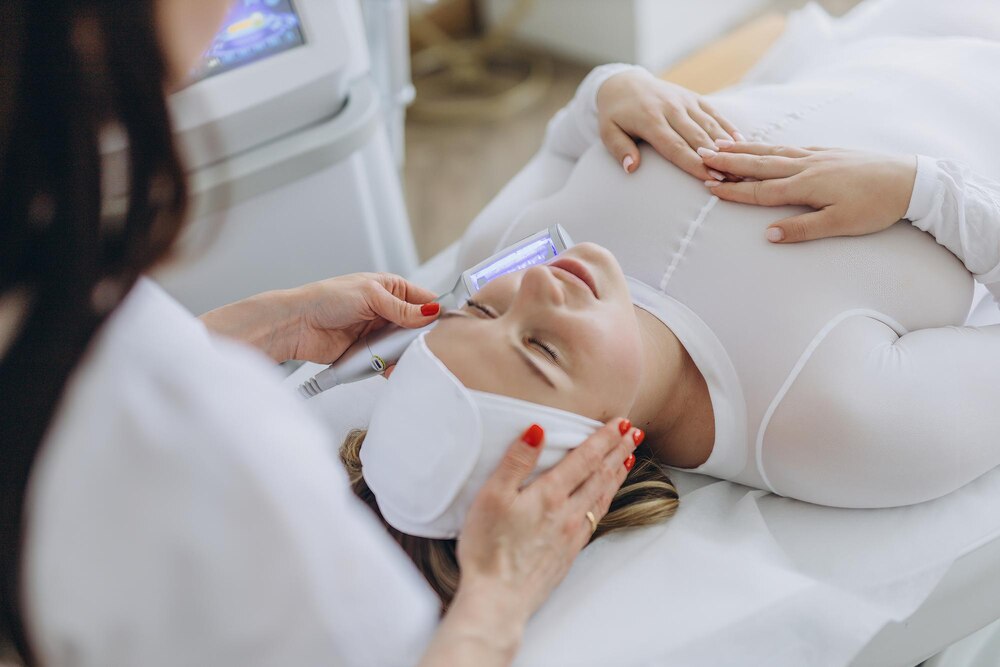
A typical photodynamic therapy session involves cleansing the skin, applying a photosensitizing agent, waiting through an incubation period of one to three hours, and then exposing the treated area to a light source for approximately 15 to 20 minutes. The entire appointment generally lasts two to four hours, with most of that time devoted to the incubation phase.
How Should You Prepare for a PDT Appointment?
Preparation for PDT begins several days before the appointment. Patients should follow these guidelines:
- Discontinue retinoids, alpha-hydroxy acids, and other photosensitizing skincare products at least 3 to 5 days before treatment
- Review current medications with the provider, as certain drugs (tetracyclines, thiazide diuretics, fluoroquinolones) increase photosensitivity
- Avoid excessive sun exposure or tanning for at least two weeks prior
- Arrive with clean skin free of makeup, sunscreen, and moisturizers on the treatment area
How Long Does the Treatment Take from Start to Finish?
After cleansing and gentle degreasing of the skin (sometimes with acetone or microdermabrasion to improve agent penetration), the provider applies the photosensitizing agent. Incubation times vary: shorter incubation periods of 60 minutes are common for cosmetic applications, while medical-grade treatment of actinic keratoses may require 90 minutes to three hours for deeper absorption.
The light activation phase is relatively brief, usually lasting 15 to 20 minutes depending on the device and protocol. Including preparation, incubation, and activation, patients should plan for a total appointment time of approximately two to four hours.
What Does PDT Feel Like During the Light Activation?
During light activation, most patients experience stinging, burning, or a sensation of heat in the treated area. The intensity varies from mild to moderate and is directly related to the amount of photosensitizer absorbed – areas with more sun damage or abnormal cells typically feel more uncomfortable because those cells have taken up more of the agent.
Providers manage discomfort with fans, cool air devices, water misting, and brief pauses during the light exposure. In clinical practice, most patients tolerate the treatment well, describing the sensation as uncomfortable but manageable. The discomfort subsides quickly once the light is turned off.
What Is Recovery Like After Photodynamic Therapy?
Recovery after photodynamic therapy involves an expected period of redness, swelling, and peeling that typically resolves within 7 to 14 days. The severity of the recovery experience depends on the incubation time used, the condition treated, and individual skin sensitivity. Most patients return to normal daily activities within a week, though strict sun avoidance is required for at least 48 hours.
How Long Does Redness and Peeling Last After PDT?
The following general timeline applies to most patients, though individual experiences vary:
| Timeframe | What to Expect |
|---|---|
| Day 1-2 | Redness, swelling, mild to moderate discomfort, skin feels sunburned |
| Day 3-5 | Darkening of treated lesions, onset of peeling and flaking |
| Day 5-7 | Active peeling, crusting of treated areas |
| Day 7-14 | Gradual resolution of redness, new skin revealed underneath |
| Week 3-4 | Skin continues to improve in tone and texture |
Patients treated with longer incubation times or those with extensive sun damage generally experience more pronounced redness and peeling. Shorter-incubation cosmetic protocols tend to produce a milder recovery course.
What Aftercare Steps Are Essential Following PDT?
- Remain completely indoors and away from windows for the first 48 hours
- Use only gentle, fragrance-free cleansers and bland moisturizers
- Avoid retinoids, glycolic acid, salicylic acid, and all active skincare ingredients until the skin has fully healed
- Apply broad-spectrum SPF 30 or higher sunscreen once the skin can tolerate it, typically after peeling resolves
- Do not pick, scratch, or peel flaking skin prematurely
Why Is Sun Avoidance So Critical After Photodynamic Therapy?
Residual photosensitizer remains active in the skin for 24 to 48 hours after the treatment session. Any exposure to ultraviolet light or even bright visible light during this window can trigger a severe phototoxic reaction – resulting in intense burning, blistering, and potential scarring that goes far beyond the intended treatment effect.
This is especially important for patients scheduling PDT during the summer months in 2026. While late spring and early summer are ideal times to address accumulated sun damage, patients must be prepared to stay indoors and avoid all sun exposure during the critical post-treatment period. Wide-brimmed hats and sun-protective clothing are essential for any unavoidable outdoor exposure in the days following treatment.
What Are the Risks and Side Effects of PDT?
Photodynamic therapy carries risks that are generally mild and self-limiting, including redness, swelling, crusting, peeling, and stinging during light activation. Serious complications such as severe blistering, infection, or scarring are rare but possible, particularly when aftercare instructions – especially sun avoidance – are not followed carefully.
What Are the Most Common Side Effects?
- Redness and swelling at the treatment site (expected in virtually all patients)
- Stinging or burning during light activation
- Crusting and peeling during the first week
- Temporary hyperpigmentation (darkening) or hypopigmentation (lightening) of treated skin
- Mild edema, particularly around the eyes when treating the face
These side effects are considered a normal part of the treatment response and typically resolve without intervention within one to two weeks.
Are There Serious Complications to Be Aware Of?
Rare but documented complications include severe blistering, secondary bacterial infection, prolonged photosensitivity lasting beyond 48 hours, and scarring. The risk of serious adverse events increases when patients do not follow sun avoidance protocols, when the photosensitizer is incubated for excessive periods, or when treatment is performed by providers without adequate training in PDT protocols.
Choosing an experienced provider at a practice with medical oversight significantly reduces the risk of complications and ensures appropriate management if they occur.
Who Should Not Get Photodynamic Therapy?
PDT is contraindicated in the following situations:
- Patients with porphyria or known porphyrin sensitivity
- Allergy to aminolevulinic acid, methyl aminolevulinate, or any component of the formulation
- Pregnancy or breastfeeding (due to insufficient safety data)
- Active skin infection, open wounds, or severe eczema at the treatment site
- Patients unable or unwilling to comply with strict post-treatment sun avoidance
How Does PDT Compare to Other Skin Treatments?
Photodynamic therapy occupies a unique position among skin treatments because it addresses both medical concerns like precancerous lesions and cosmetic issues like photoaging in a single modality. Compared to chemical peels, laser resurfacing, and other light-based treatments, PDT offers the distinct advantage of selectively targeting abnormal cells through its photosensitizer-mediated mechanism.
How Is Photodynamic Therapy Different from Chemical Peels?
| Factor | Photodynamic Therapy | Chemical Peels |
|---|---|---|
| Mechanism | Photosensitizer + light targets abnormal cells | Acid solution causes uniform exfoliation |
| Cell Selectivity | High – preferentially destroys damaged cells | Low – affects all treated skin equally |
| Medical Applications | Actinic keratoses, precancerous lesions | Limited to cosmetic concerns |
| Downtime | 7-14 days | 3-14 days depending on depth |
PDT’s ability to selectively target precancerous and damaged cells while simultaneously rejuvenating surrounding skin sets it apart from peels, which provide only generalized exfoliation without cellular selectivity.
Should You Choose PDT or Laser Resurfacing for Sun Damage?
Both PDT and laser resurfacing effectively treat sun-damaged skin, but they work through different mechanisms and suit different clinical scenarios. Fractional CO2 and erbium lasers are typically more effective for deep wrinkles and significant textural irregularities, while PDT excels at treating field sun damage with concurrent precancerous changes.
Some providers use PDT and laser resurfacing in combination – treating the field with PDT first to address precancerous cells, then following with laser treatments for deeper cosmetic concerns. Patients interested in exploring these options can discuss comprehensive treatment plans during a consultation.
Can PDT Be Combined with Other Med Spa Treatments?
PDT can be integrated with several complementary treatments for enhanced results. Microneedling performed several weeks after PDT can further stimulate collagen production. IPL sessions may be used between PDT treatments to address residual pigmentation and vascular concerns. Topical retinoids and antioxidant serums can be reintroduced once healing is complete to maintain and extend results.
Timing and sequencing matter. The treated skin must be fully healed before introducing additional procedures, and a qualified provider will develop a treatment timeline that maximizes benefits while minimizing risk.
How Many PDT Sessions Do You Need and What Results Can You Expect?
The number of photodynamic therapy sessions needed depends on the condition being treated and its severity, with most patients requiring one to two sessions for actinic keratoses, two to four sessions for cosmetic photorejuvenation, and three to six sessions for acne. Treatment plans are individualized based on the provider’s assessment and the patient’s response to initial sessions.
How Many Treatments Are Typically Recommended?
| Condition | Typical Number of Sessions | Session Interval |
|---|---|---|
| Actinic keratoses | 1-2 | 4-8 weeks apart |
| Cosmetic photorejuvenation | 2-4 | 3-6 weeks apart |
| Acne | 3-6 | 2-4 weeks apart |
| Rosacea (adjunctive) | 2-4 | 3-6 weeks apart |
When Will You See Results After PDT?
Initial improvement becomes visible once peeling resolves, typically within one to two weeks. The full benefits of collagen remodeling develop gradually over four to eight weeks as new collagen is synthesized in the deeper dermis. Patients receiving multiple sessions notice cumulative improvement with each treatment, with photodynamic therapy before and after differences becoming most apparent after the second or third session.
How Long Do Photodynamic Therapy Results Last?
Results from PDT for actinic keratoses can last a year or longer, though new lesions may develop with ongoing sun exposure. Cosmetic rejuvenation benefits typically last six to twelve months, depending on sun protection habits, skincare routine, and genetic factors. Annual maintenance treatments are commonly recommended for patients with a history of significant sun damage.
How Much Does Photodynamic Therapy Cost?
Photodynamic therapy costs vary based on the treatment area, number of sessions, photosensitizing agent used, and geographic location, with per-session prices for cosmetic applications generally ranging from $200 to $600 or more. Medical PDT for actinic keratoses may be covered by insurance, while cosmetic applications are typically paid out of pocket.
Does Insurance Cover Photodynamic Therapy?
PDT performed for FDA-approved medical indications – specifically the treatment of actinic keratoses and precancerous lesions – is often covered by health insurance, including Medicare. Cosmetic applications such as photorejuvenation, acne treatment, and general skin improvement are not typically covered. Patients should verify coverage with their insurance provider before scheduling and ask the treating practice about prior authorization requirements.
What Factors Affect the Price of PDT Treatment?
- Size of the treatment area (full face versus localized treatment)
- Type and cost of photosensitizing agent used
- Number of sessions in the treatment plan
- Geographic location and practice setting
- Provider expertise and the level of medical oversight available
Why Should You Choose a Plastic Surgery Practice for PDT?
A plastic surgery practice with med spa capabilities offers the medical expertise needed to diagnose skin conditions accurately and the aesthetic insight to optimize cosmetic outcomes from photodynamic therapy. PDT straddles the line between medical and cosmetic treatment, making it essential to work with providers who understand both dimensions and can manage the full spectrum of potential outcomes.
What Qualifications Should Your PDT Provider Have?
Patients should seek providers who hold board certification in a relevant specialty (plastic surgery, dermatology, or a related field), have documented experience administering PDT, and have access to multiple light source technologies. The ability to accurately identify and diagnose skin lesions prior to treatment is critical – misdiagnosing a skin cancer as a benign lesion could delay appropriate treatment.
Providers should also have protocols in place for managing potential complications, including access to medical-grade wound care and follow-up monitoring.
How Does a Med Spa Setting Enhance the PDT Experience?
A med spa setting within a plastic surgery practice combines clinical rigor with patient comfort. Advantages include personalized treatment planning that considers both medical and aesthetic goals, access to combination therapies such as laser and light-based treatments for rosacea and vascular concerns, and structured follow-up protocols that monitor healing and optimize results.
Frequently Asked Questions About Photodynamic Therapy
Is Photodynamic Therapy Painful?
Most patients describe PDT as uncomfortable rather than painful. The light activation phase produces stinging and burning that varies from mild to moderate. Providers use cooling fans, chilled air, and treatment pauses to manage discomfort. The sensation resolves within minutes after the light source is turned off.
Can You Wear Makeup After PDT?
Makeup should be avoided for at least 24 to 48 hours after treatment. Once active redness and swelling begin to subside and the skin is no longer raw or weeping, mineral-based makeup can typically be reintroduced. Patients should avoid products containing fragrances, retinoids, or exfoliating acids until the skin is fully healed.
Is PDT Safe for All Skin Types and Tones?
PDT can be performed on all Fitzpatrick skin types, though patients with darker skin tones (Fitzpatrick types IV through VI) have a higher risk of post-inflammatory hyperpigmentation. Modified protocols with shorter incubation times and careful light dosing help reduce this risk. A thorough pre-treatment consultation should assess individual risk factors.
How Soon Can You Go in the Sun After PDT?
Patients must avoid all sun exposure and bright indoor light for a minimum of 48 hours after treatment. After this critical window, graduated sun reintroduction with broad-spectrum SPF 30 or higher sunscreen, wide-brimmed hats, and sun-protective clothing is recommended for at least two weeks. This is especially relevant for patients scheduling PDT during the summer months.
Can Photodynamic Therapy Prevent Skin Cancer?
PDT addresses the concept of field cancerization by treating not only visible actinic keratoses but also subclinical precancerous changes across the entire treated area. Published studies suggest that PDT-treated skin develops fewer new actinic keratoses compared to untreated areas over follow-up periods of 12 to 24 months. However, PDT should be considered a risk-reduction strategy rather than a guarantee of skin cancer prevention, and ongoing dermatologic surveillance remains essential.
Is Photodynamic Therapy Right for You This Summer?
Summer is often when patients notice the cumulative effects of years of sun exposure – mottled pigmentation, rough texture, and new actinic keratoses that seem to appear overnight. Photodynamic therapy addresses these concerns at a cellular level with a precision that few other treatments can match, targeting damaged and precancerous cells while promoting natural skin renewal.
The key to successful PDT during the warmer months is planning. Treatment sessions should be scheduled when patients can commit to 48 hours of strict indoor sun avoidance and at least two weeks of diligent sun protection. With proper timing and aftercare, patients can address sun damage proactively rather than allowing precancerous changes to progress.
A thorough in-person evaluation is the first step toward determining whether photodynamic therapy is the right approach for your skin concerns. Board-certified providers at practices like NW Laser assess each patient’s skin type, medical history, and aesthetic goals to develop a safe and effective treatment plan tailored to individual needs.
Frequently Asked Questions
How long does recovery take after photodynamic therapy?
Recovery after photodynamic therapy typically takes 7 to 14 days. Redness and swelling appear immediately, peeling begins around days 3 to 5, and new skin is revealed by the end of the second week. Patients treated with longer incubation times or those with extensive sun damage generally experience a more pronounced recovery course. Most people return to normal daily activities within one week.
How much does photodynamic therapy cost per session?
Photodynamic therapy for cosmetic applications generally costs between $200 and $600 or more per session, depending on the treatment area size, the photosensitizing agent used, the number of sessions planned, and geographic location. Medical PDT for actinic keratoses and precancerous lesions is often covered by health insurance, including Medicare. Cosmetic uses such as photorejuvenation are typically paid out of pocket.
Is photodynamic therapy painful during treatment?
Most patients describe photodynamic therapy as uncomfortable rather than painful. During the light activation phase, patients feel stinging, burning, or heat in the treated area. Areas with more sun damage tend to feel more uncomfortable because those cells absorb more of the photosensitizing agent. Providers manage discomfort with cooling fans, chilled air, and brief pauses. The sensation stops within minutes after the light is turned off.
How many PDT sessions are needed for actinic keratoses?
Most patients need one to two photodynamic therapy sessions to treat actinic keratoses, spaced four to eight weeks apart. Published clinical data show clearance rates of 75 to 90 percent for thin actinic keratoses after one or two sessions. PDT is particularly effective for patients with multiple lesions spread across a broad area because it treats the entire field rather than individual spots.
How soon can you go outside after photodynamic therapy?
Patients must avoid all sun exposure and bright indoor light for a minimum of 48 hours after photodynamic therapy. Residual photosensitizer remains active in the skin during this window, and any ultraviolet or bright visible light exposure can trigger a severe phototoxic reaction with intense burning, blistering, and potential scarring. After 48 hours, patients should use broad-spectrum SPF 30 or higher sunscreen and wear sun-protective clothing for at least two weeks.
What is the difference between blue light and red light PDT?
Blue light PDT uses a 417 nm wavelength that penetrates superficially and is the most common activation method in the United States for treating actinic keratoses and surface-level lesions. Red light PDT uses a 630 to 635 nm wavelength that penetrates deeper into the dermis, making it better suited for thicker lesions, photoaging, and acne. Providers choose the light source based on treatment depth and clinical goals.
Can photodynamic therapy help prevent skin cancer?
Photodynamic therapy treats field cancerization by targeting both visible actinic keratoses and subclinical precancerous changes across the entire treated area. Studies suggest that PDT-treated skin develops fewer new actinic keratoses over 12 to 24 months compared to untreated areas. However, PDT should be considered a risk-reduction strategy rather than a guarantee of skin cancer prevention. Ongoing dermatologic surveillance remains essential for all patients.
