

Last updated: February 22, 2026
GLP-1 medications like Ozempic, Wegovy, and Mounjaro have helped millions of patients achieve significant weight loss – but the journey does not end when the scale reaches a goal number. For many patients in 2026, the next chapter involves addressing excess skin, tissue laxity, and volume loss through body contouring. This guide covers everything you need to know about post-GLP-1 body contouring, from surgical and nonsurgical options to timing, recovery, and choosing the right provider.
Why Is Demand for Body Contouring After GLP-1 Weight Loss Surging in 2026?
Demand for body contouring after GLP-1 weight loss is surging in 2026 because millions of patients who started these medications in 2023 and 2024 have now reached their goal weights and are confronting excess skin and tissue laxity. RealSelf reported a 2,080% year-over-year increase in GLP-1-related content traffic through October 2025, reflecting unprecedented patient interest in post-weight-loss procedures.
The American Society of Plastic Surgeons (ASPS) identified GLP-1 makeovers as a defining plastic surgery trend for 2026, noting rising demand for tummy tucks, arm lifts, thigh lifts, breast lifts, and circumferential body lifts among post-GLP-1 patients. This trend is corroborated across multiple industry sources, making post-weight-loss contouring one of the fastest-growing segments in cosmetic surgery.
The timing is also significant. Patients who began GLP-1 therapy in early 2024 and lost 40 to 80 or more pounds over 12 to 18 months are now entering the window of weight stability where body contouring becomes appropriate. Plastic surgery practices across the country are reporting that post-GLP-1 consultations now represent a substantial portion of new patient inquiries.
What Are GLP-1 Medications and How Do They Cause Body Changes?
GLP-1 receptor agonists – including semaglutide (Ozempic, Wegovy) and tirzepatide (Mounjaro, Zepbound) – work by mimicking the glucagon-like peptide-1 hormone to reduce appetite, slow gastric emptying, and improve blood sugar regulation. These medications can produce weight loss of 15% to 25% of total body weight, often within 12 to 18 months.
The pace of this weight loss is a key factor in the body changes patients experience afterward. Rapid, significant weight reduction does not give skin and soft tissue enough time to contract and remodel. Unlike gradual weight loss over several years, GLP-1-induced loss often outpaces the skin’s ability to shrink, resulting in loose, hanging skin on the abdomen, arms, thighs, chest, and face.
Facial volume loss – commonly referred to as “Ozempic face” – occurs because the body draws from facial fat pads during weight reduction. This can create a hollowed, aged appearance even in younger patients, prompting demand for facial restoration treatments alongside body procedures.
What Does the Data Say About Post-GLP-1 Procedure Demand?
Multiple data sources confirm that post-GLP-1 body contouring demand is accelerating. The following table summarizes key findings from major industry reports published between late 2025 and early 2026.
| Source | Key Finding | Data Period |
|---|---|---|
| RealSelf Trend Report | 2,080% year-over-year surge in GLP-1 related content traffic | January – October 2025 |
| ASPS 2026 Trend Forecast | GLP-1 makeovers identified as top trend; rising demand for tummy tucks, arm lifts, body lifts, breast lifts | 2026 projections |
| Multiple Practice Reports | Post-GLP-1 body contouring, minimally invasive facelifts, and facial fat grafting among fastest-growing procedure categories | 2025 – 2026 |
The RealSelf data is particularly notable because it reflects actual consumer search and engagement behavior rather than industry projections alone. The consistency across sources indicates this is not a short-lived trend but a sustained shift in cosmetic surgery demand.
What Is a GLP-1 Makeover and Which Procedures Does It Include?
A GLP-1 makeover is a customized combination of surgical and nonsurgical procedures designed to address the specific body and facial changes caused by significant GLP-1-mediated weight loss. The term, referenced by the ASPS and widely adopted in 2026, describes a comprehensive treatment plan rather than a single procedure, typically including body contouring surgery paired with skin tightening, volume restoration, and regenerative treatments.
The GLP-1 makeover approach recognizes that post-weight-loss patients often have concerns across multiple body areas simultaneously. A hybrid surgical and nonsurgical treatment plan allows surgeons to address the most significant issues surgically while using less invasive methods to refine results and improve skin quality.
Which Surgical Body Contouring Procedures Are Most Popular After GLP-1 Weight Loss?
The most commonly performed surgical procedures for post-GLP-1 patients target areas where excess skin is most pronounced. The following table outlines the primary surgical options and their specific indications for post-weight-loss patients.
| Procedure | Target Area | Post-GLP-1 Indication |
|---|---|---|
| Tummy tuck (abdominoplasty) | Abdomen | Removes excess abdominal skin and tightens separated muscles after significant midsection volume loss |
| Arm lift (brachioplasty) | Upper arms | Addresses hanging skin on the upper arms that does not respond to exercise |
| Thigh lift | Inner and outer thighs | Removes sagging skin from the thighs common after loss of 50+ pounds |
| Breast lift (mastopexy) | Breasts | Corrects deflation and drooping after loss of breast volume from weight reduction |
| Circumferential body lift | Abdomen, flanks, back, buttocks | 360-degree skin and tissue removal for patients with excess skin around the entire trunk |
Industry trend reports for 2026 also note a shift toward smaller breast implants when augmentation is combined with a breast lift, reflecting a preference for natural proportions rather than dramatic volume changes. A board-certified plastic surgeon experienced with post-weight-loss patients will tailor the surgical plan to each individual’s anatomy, skin quality, and goals.
What Nonsurgical and Minimally Invasive Options Are Available?
Nonsurgical and minimally invasive options play an increasingly important role in post-GLP-1 treatment plans. Skin tightening technologies using radiofrequency, ultrasound, or laser energy can improve mild to moderate skin laxity in areas where surgery may not be necessary or desired. Body sculpting devices can also help refine contours after surgical contouring.
The 2026 trend toward hybrid surgical and nonsurgical treatment plans means that many patients benefit from a staged approach. For example, a patient might undergo a tummy tuck for significant abdominal skin removal while using radiofrequency skin tightening on the arms or thighs where laxity is less severe. NW Laser offers body contouring and skin tightening treatments that can be integrated into a comprehensive post-weight-loss plan.
Minimally invasive body contouring is best suited for patients with good skin elasticity and moderate – rather than severe – excess skin. A thorough assessment during consultation determines which combination of approaches will produce the best outcome.
Can Multiple Procedures Be Combined in One Surgery?
Multiple body contouring procedures can often be combined in a single surgical session, but safety is the primary consideration guiding that decision. Board-certified plastic surgeons evaluate total anesthesia time, procedure complexity, and overall patient health to determine whether combining procedures is appropriate.
Common combinations include a tummy tuck with a breast lift or an arm lift with a thigh lift. Circumferential body lifts inherently address multiple areas in one session. However, combining too many procedures increases operative time, blood loss risk, and recovery demands. For patients requiring extensive work across many body areas, a staged approach – typically two or three separate surgical sessions spaced several months apart – is often safer and produces better results.
What Is Ozempic Face and How Can It Be Treated?
Ozempic face refers to the noticeable facial volume loss, skin sagging, and hollow appearance that develops after rapid weight loss from GLP-1 medications. Facial fat pads deflate as the body metabolizes fat stores, leading to sunken cheeks, deeper nasolabial folds, jowling, and an overall aged appearance. In 2026, facial restoration after GLP-1 weight loss has become one of the fastest-growing treatment categories in both plastic surgery and med spa settings.
Why Does Rapid Weight Loss Cause Facial Aging?
The face relies on discrete fat pads in the cheeks, temples, and periorbital region to maintain youthful volume and contour. During rapid weight loss, the body does not selectively preserve facial fat. These fat pads shrink, causing the overlying skin to sag and creating visible hollows.
Compounding the issue, skin elasticity decreases with age and is not restored simply by losing weight. Patients in their 30s, 40s, and 50s who lose significant weight on GLP-1 medications often find that their face appears disproportionately older compared to their newly slimmer body. This disconnect drives the high demand for targeted facial restoration procedures.
Which Facial Restoration Treatments Work Best After GLP-1 Weight Loss?
Effective facial restoration after GLP-1 weight loss typically involves a combination of volume replacement and skin quality improvement. The following options are most commonly used in 2026:
- Facial fat grafting – Transfers the patient’s own fat from another body area to restore natural volume in the cheeks, temples, and under-eye hollows. Considered highly effective for significant volume loss.
- Biostimulatory fillers – Products like Sculptra (poly-L-lactic acid) and Radiesse stimulate the body’s own collagen production over time rather than simply filling space, providing gradual, natural-looking volume restoration.
- Micro filler techniques – Small, precisely placed amounts of hyaluronic acid filler to restore subtle contour without an overfilled appearance, reflecting the prejuvenation-adjacent approach trending in 2026.
- PRP and PRF treatments – Platelet-rich plasma and platelet-rich fibrin improve skin quality, texture, and elasticity through growth factor stimulation.
- Minimally invasive facelifts – For patients with significant jowling or neck laxity, short-scar facelift techniques offer structural tightening with reduced downtime compared to traditional facelifts.
What Are Regenerative Aesthetics and Why Are They Trending in 2026?
Regenerative aesthetics is a category of treatments that harness the body’s own biological healing mechanisms to improve skin quality, stimulate collagen, and restore tissue health. The ASPS identified regenerative aesthetics – including PRP, PRF, exosomes, skin boosters, and biostimulatory fillers – as a major 2026 trend, particularly relevant for patients whose skin has been compromised by rapid weight loss.
These treatments complement surgical body contouring by improving the quality and resilience of skin before and after procedures. For post-GLP-1 patients, regenerative approaches address the underlying tissue health deficits that surgery alone cannot fully correct.
How Do PRP and PRF Improve Skin Quality After Weight Loss?
Platelet-rich plasma (PRP) and platelet-rich fibrin (PRF) are derived from the patient’s own blood. A small blood draw is processed to concentrate platelets and growth factors, which are then injected into the skin or applied topically during microneedling. These growth factors stimulate fibroblast activity, promoting new collagen and elastin production.
For post-weight-loss patients, PRP and PRF treatments help improve skin texture, thickness, and elasticity in areas where skin appears thin, crepey, or loose. While these treatments cannot replace surgical skin removal for significant laxity, they play a valuable role in optimizing skin health before surgery and enhancing recovery afterward.
What Are Biostimulatory Fillers and Skin Boosters?
Biostimulatory fillers differ from traditional hyaluronic acid dermal fillers by stimulating the body to produce its own collagen rather than simply adding volume. Sculptra (poly-L-lactic acid) and Radiesse (calcium hydroxylapatite) are the most established biostimulatory products, with results developing gradually over weeks to months and lasting one to two years or longer.
Skin boosters, such as Profhilo and similar hyaluronic acid-based injectable moisturizers, improve skin hydration, elasticity, and firmness from within. Unlike traditional fillers placed in specific facial structures, skin boosters spread through the tissue to improve overall skin quality. For post-GLP-1 patients, biostimulatory fillers and skin boosters address the diffuse skin quality changes that affect the face, neck, and decolletage.
How Do You Know When You Are Ready for Body Contouring After GLP-1 Medication?
Patients are generally ready for body contouring after GLP-1 medication when they have achieved and maintained a stable weight for at least three to six months, are in good overall health, and have addressed any nutritional deficiencies that can occur after significant weight loss. A consultation with a board-certified plastic surgeon is the most reliable way to determine individual readiness and develop a safe surgical plan.
Should You Stop Taking GLP-1 Medication Before Surgery?
Current guidance from anesthesiology and surgical organizations recommends discussing GLP-1 medication management with both the prescribing physician and the surgeon well in advance of any procedure requiring general anesthesia. GLP-1 medications slow gastric emptying, which can increase the risk of aspiration during anesthesia if the stomach is not properly empty.
Many surgeons ask patients to pause semaglutide or tirzepatide for one to three weeks before surgery, depending on the specific medication and dosing schedule. This decision must be individualized – stopping GLP-1 medication carries its own risks, including potential weight regain, and should be managed collaboratively between the patient’s medical team.
How Long Should Your Weight Be Stable Before Having a Procedure?
Most board-certified plastic surgeons recommend that patients maintain a stable weight – defined as fluctuating no more than five to ten pounds – for a minimum of three to six months before undergoing body contouring. Weight stability ensures that the surgical results will be predictable and long-lasting.
Patients who are still actively losing weight on GLP-1 medications risk needing revision surgery if additional weight loss leads to new skin laxity after the initial procedure. The consultation process at a qualified practice includes a thorough weight history review to ensure the patient has reached an appropriate plateau.
What Should You Expect During Recovery from Post-Weight-Loss Body Contouring?
Recovery from post-weight-loss body contouring varies by procedure but generally involves two to eight weeks of restricted activity, compression garment use, drain management for some surgeries, and a gradual return to normal routines. Patients should plan for adequate time off work and arrange help at home during the initial recovery period, especially for more extensive procedures like body lifts.
How Long Does Recovery Take for Each Type of Procedure?
The following table provides general recovery timelines for the most common post-GLP-1 body contouring procedures. Individual recovery varies based on health, procedure extent, and whether multiple procedures are combined.
| Procedure | Initial Recovery | Return to Light Activity | Full Activity |
|---|---|---|---|
| Tummy tuck | 2 – 3 weeks | 3 – 4 weeks | 6 – 8 weeks |
| Arm lift | 1 – 2 weeks | 2 – 3 weeks | 4 – 6 weeks |
| Thigh lift | 2 – 3 weeks | 3 – 4 weeks | 6 – 8 weeks |
| Breast lift | 1 – 2 weeks | 2 – 3 weeks | 4 – 6 weeks |
| Circumferential body lift | 3 – 4 weeks | 4 – 6 weeks | 8 – 12 weeks |
| Facial procedures (fat grafting, facelift) | 1 – 2 weeks | 2 – 3 weeks | 4 – 6 weeks |
Is Spring 2026 a Good Time to Schedule Body Contouring?
Spring is one of the most popular times to schedule body contouring because it allows patients to complete the majority of their recovery before summer. Scheduling a consultation in February or March provides enough lead time for preoperative planning, medical clearance, and procedure scheduling with recovery largely complete by midsummer.
Because post-GLP-1 body contouring demand is at historic highs in 2026, surgical schedules at experienced practices are filling quickly. Early planning ensures patients can secure their preferred dates and have adequate time for any pre-surgical requirements such as GLP-1 medication adjustments, lab work, or nutritional optimization.
How Much Does Post-GLP-1 Body Contouring Cost and Is It Covered by Insurance?
Post-GLP-1 body contouring costs vary widely based on the specific procedures performed, ranging from approximately $5,000 for a single area to $25,000 or more for combined or circumferential procedures. Insurance typically does not cover cosmetic body contouring, though medically necessary skin removal may qualify for partial coverage under specific criteria. A personalized consultation provides the most accurate cost information for each patient’s unique treatment plan.
What Factors Affect the Cost of Body Contouring After Weight Loss?
Several factors influence the total cost of post-weight-loss body contouring:
- Number and type of procedures – Single procedures cost less than combined or staged surgical plans
- Surgical complexity – Patients with more extensive skin laxity require longer operative times
- Anesthesia duration – Longer procedures incur higher anesthesia fees
- Facility fees – Accredited surgical facilities have varying cost structures
- Surgeon expertise – Board-certified plastic surgeons with post-weight-loss experience command fees reflecting their specialized training
- Geographic location – Costs vary by region and market
Many practices offer financing options to make comprehensive treatment plans more accessible. The value of working with an experienced, board-certified plastic surgeon is reflected in safety, outcome quality, and reduced risk of costly revision procedures.
Does Insurance Ever Cover Skin Removal Surgery After Weight Loss?
Insurance may cover skin removal surgery when it is deemed medically necessary rather than purely cosmetic. The most commonly covered procedure is panniculectomy – removal of the hanging abdominal skin fold (pannus) – when the excess skin causes documented medical problems such as chronic rashes, infections, or functional limitations.
Coverage typically requires documentation of failed conservative treatments, photographs, and prior authorization from the insurance provider. A panniculectomy differs from a cosmetic tummy tuck in that it addresses only the lower skin fold without muscle tightening or aesthetic contouring. Patients interested in potential insurance coverage should discuss documentation requirements with their surgeon’s office early in the planning process.
What Should You Look for When Choosing a Plastic Surgeon for Post-GLP-1 Contouring?
Patients choosing a plastic surgeon for post-GLP-1 contouring should prioritize board certification by the American Board of Plastic Surgery, demonstrated experience with post-weight-loss body contouring, a portfolio of before-and-after results for similar patients, and a practice that offers both surgical and nonsurgical options. The surgeon’s ability to create a comprehensive, staged treatment plan is essential for achieving optimal results across multiple body areas.
Why Does Experience with Post-Weight-Loss Patients Matter?
Post-GLP-1 body contouring requires different surgical techniques and planning compared to standard cosmetic procedures. Skin quality in post-weight-loss patients is fundamentally different – it is often thinner, less elastic, and has reduced blood supply compared to patients who have not experienced significant weight fluctuations.
In clinical practice, surgeons experienced with post-weight-loss patients understand how to manage tissue that does not hold sutures as reliably, how to plan incision placement for optimal scar positioning, and how to set realistic expectations about what surgery can achieve. These patients also have unique nutritional considerations and may have higher wound healing risks that an experienced surgeon will proactively address.
What Happens During a Body Contouring Consultation at NW Laser?
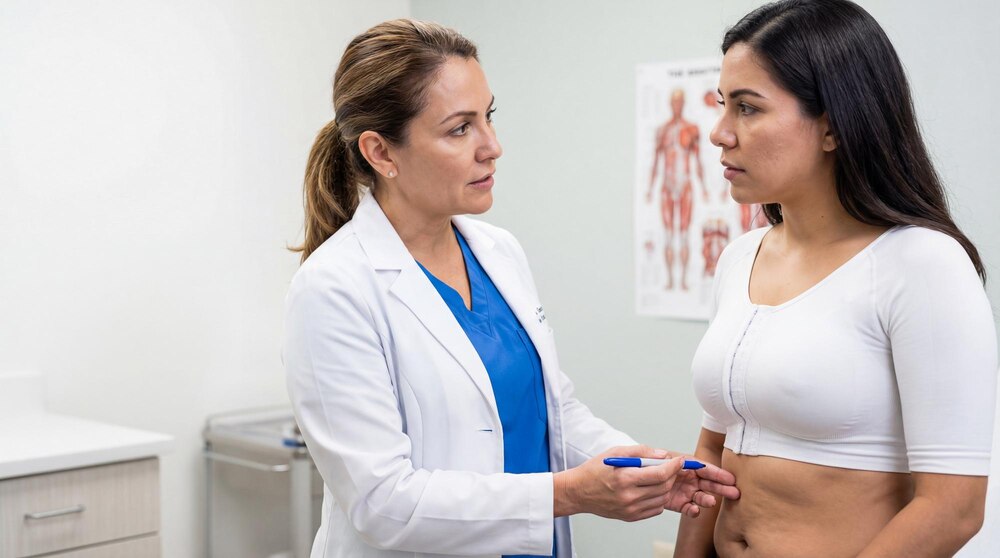
A body contouring consultation begins with a comprehensive review of the patient’s weight loss history, current medications including GLP-1 therapy, overall health status, and aesthetic goals. The surgeon evaluates skin quality, tissue laxity, and body proportions to determine which procedures will address the patient’s primary concerns.
Based on this assessment, a customized treatment plan is developed that may include surgical procedures, nonsurgical treatments, or a hybrid approach. The plan outlines recommended staging if multiple procedures are needed, estimated recovery timelines, and pricing. Patients considering post-GLP-1 body contouring can explore available treatment options and current specials at NW Laser and schedule a consultation to begin developing their personalized plan.
Frequently Asked Questions About Post-GLP-1 Body Contouring
Can You Get Body Contouring While Still Taking Ozempic or Wegovy?
Body contouring surgery may be possible while on GLP-1 medications, but most surgeons require patients to pause semaglutide or tirzepatide for one to three weeks before surgery due to anesthesia safety concerns related to delayed gastric emptying. The decision to temporarily stop medication should be coordinated between the prescribing physician and the plastic surgeon to minimize both surgical risk and the possibility of weight regain during the pause.
What Happens If You Regain Weight After Body Contouring?
Weight regain after body contouring can compromise surgical results, though the degree of impact depends on how much weight is regained. Moderate fluctuations of 10 to 15 pounds typically do not significantly affect outcomes. Larger weight gains can stretch remaining skin and soft tissue, potentially requiring additional procedures. Maintaining a stable weight through balanced nutrition, regular activity, and continued GLP-1 therapy if appropriate is the best strategy for preserving long-term results.
Are Nonsurgical Treatments Enough to Tighten Skin After Major Weight Loss?
Nonsurgical skin tightening treatments are generally not sufficient to correct significant skin laxity resulting from major weight loss of 50 pounds or more. These technologies work best for mild to moderate skin looseness and are most effective as complementary treatments that enhance surgical results or address areas where surgery is not needed. Patients with severe excess skin hanging in folds will achieve the most dramatic improvement through surgical removal.
How Soon After Reaching Your Goal Weight Can You Have Surgery?
Most plastic surgeons recommend waiting a minimum of three to six months after reaching goal weight before scheduling body contouring surgery. This waiting period ensures weight has stabilized, allows the skin to contract as much as it naturally will, and gives the surgeon the most accurate assessment of how much excess tissue remains. Some surgeons prefer patients to maintain stable weight for six months or longer, particularly after losses exceeding 75 to 100 pounds.
What Is the Difference Between a Tummy Tuck and a Body Lift?
A tummy tuck and a body lift differ primarily in scope and incision pattern. The following comparison clarifies how these procedures differ for post-GLP-1 patients.
| Feature | Tummy Tuck (Abdominoplasty) | Circumferential Body Lift |
|---|---|---|
| Target area | Front of abdomen only | Entire trunk – abdomen, flanks, back, and buttocks |
| Incision | Hip to hip across lower abdomen | 360-degree incision around the entire torso |
| Muscle repair | Typically includes abdominal muscle tightening | May include muscle repair along with circumferential tissue removal |
| Recovery | 4 – 6 weeks | 8 – 12 weeks |
| Best for | Patients with excess skin primarily on the front of the abdomen | Patients with significant excess skin around the entire midsection |
A board-certified plastic surgeon determines which procedure is appropriate based on the distribution and severity of excess skin. Many post-GLP-1 patients with losses of 75 pounds or more benefit from a body lift rather than a tummy tuck alone.
What Is the Next Step If You Are Considering Post-GLP-1 Body Contouring?
Post-GLP-1 body contouring in 2026 represents a significant and growing area of cosmetic surgery driven by the millions of patients who have achieved life-changing weight loss through medications like Ozempic, Wegovy, and Mounjaro. Whether addressing excess abdominal skin with a tummy tuck, restoring facial volume lost during rapid weight reduction, or developing a comprehensive GLP-1 makeover plan combining surgical and regenerative treatments, the key to excellent outcomes is working with an experienced, board-certified plastic surgeon.
Spring 2026 is an ideal time to begin the consultation process for patients who want to complete recovery before summer. With procedure demand at historic levels, early planning ensures access to preferred surgical dates and allows time for medication management, health optimization, and thoughtful treatment planning.
Patients ready to explore their options can schedule a consultation at NW Laser to receive a personalized assessment and treatment plan tailored to their unique post-GLP-1 body contouring goals.
Frequently Asked Questions
How long should your weight be stable before body contouring after GLP-1 weight loss?
Most board-certified plastic surgeons recommend maintaining a stable weight – fluctuating no more than five to ten pounds – for a minimum of three to six months before undergoing body contouring surgery. This waiting period allows skin to contract naturally and ensures surgical results are predictable and long-lasting. Patients still actively losing weight risk needing revision surgery if additional loss creates new skin laxity.
Do you have to stop taking Ozempic or Wegovy before body contouring surgery?
Most surgeons require patients to pause semaglutide or tirzepatide for one to three weeks before surgery involving general anesthesia. GLP-1 medications slow gastric emptying, which increases aspiration risk during anesthesia. The decision to temporarily stop medication should be coordinated between the prescribing physician and the plastic surgeon to balance surgical safety with the risk of weight regain.
What is the difference between a tummy tuck and a circumferential body lift?
A tummy tuck removes excess skin from the front of the abdomen with a hip-to-hip incision and typically includes muscle tightening. A circumferential body lift uses a 360-degree incision around the entire torso to remove excess skin from the abdomen, flanks, back, and buttocks. Body lifts require longer recovery – eight to twelve weeks versus six to eight weeks – and are best for patients with significant excess skin around the full midsection.
Can nonsurgical skin tightening treatments replace surgery after major GLP-1 weight loss?
Nonsurgical skin tightening treatments are generally not sufficient for patients who have lost 50 pounds or more on GLP-1 medications. Technologies like radiofrequency and ultrasound work best for mild to moderate skin looseness. Patients with severe excess skin hanging in folds achieve the most dramatic improvement through surgical removal. Nonsurgical options are most effective as complementary treatments that enhance surgical results or address areas with less severe laxity.
What is Ozempic face and how is it treated?
Ozempic face refers to facial volume loss, sunken cheeks, deeper folds, and a hollowed appearance caused by rapid depletion of facial fat pads during GLP-1-mediated weight loss. Effective treatments include facial fat grafting, biostimulatory fillers like Sculptra and Radiesse, micro filler techniques with hyaluronic acid, PRP and PRF for skin quality improvement, and minimally invasive facelifts for significant jowling or neck laxity.
How much does body contouring cost after GLP-1 weight loss?
Post-GLP-1 body contouring costs range from approximately $5,000 for a single procedure to $25,000 or more for combined or circumferential procedures. Cost depends on the number and type of procedures, surgical complexity, anesthesia duration, facility fees, surgeon expertise, and geographic location. Insurance typically does not cover cosmetic contouring, though medically necessary skin removal such as panniculectomy may qualify for partial coverage with proper documentation.
What results should you expect from post-GLP-1 body contouring?
Post-GLP-1 body contouring removes excess hanging skin, tightens underlying tissue, and restores body proportions after significant weight loss. Results are long-lasting when patients maintain a stable weight. Recovery requires two to twelve weeks depending on procedure scope, with compression garments and activity restrictions during healing. Patients should understand that surgical scars are part of the outcome, and a hybrid plan combining surgery with regenerative treatments often produces the most comprehensive improvement.
