

Last updated: February 18, 2026
Sun spots are one of the most common cosmetic concerns among adults over 30, and they rarely fade on their own. Whether you call them age spots, liver spots, or solar lentigines, these flat, pigmented marks are a visible record of cumulative sun exposure. This guide covers the most effective professional treatments available in 2026, how to choose the right approach for your skin, and why this time of year is ideal to start.
What Are Sun Spots and What Causes Them?
Sun spots, clinically known as solar lentigines, are flat, brown to dark brown patches of skin caused by years of ultraviolet (UV) radiation exposure. They develop when melanocytes – the cells responsible for skin pigment – overproduce melanin in concentrated clusters, typically on the face, hands, chest, and shoulders. Sun spots are benign but are among the most visible signs of photoaging.
Unlike a tan, which results from a temporary and relatively even increase in melanin production, sun spots represent permanent structural changes in the skin. Each episode of UV exposure triggers additional melanin deposits, and over decades those deposits accumulate into the distinct flat marks most people notice in their 30s, 40s, and beyond. Genetics, skin type, and geographic sun exposure patterns all influence how early and how prominently sun spots appear.
It is worth noting that sun spots are not caused by liver dysfunction despite one of their common names. They are purely a result of photodamage – a point that often causes unnecessary confusion.
Are Sun Spots the Same as Age Spots or Liver Spots?
Yes. Sun spots, age spots, and liver spots are different names for the same condition: solar lentigines. The term “age spots” reflects the fact that they become more common with age, while “liver spots” is an outdated name unrelated to liver health. Dermatologists and plastic surgeons use “solar lentigines” as the precise clinical term.
The reason these spots are closely associated with aging is straightforward. The longer you live, the more cumulative UV exposure your skin absorbs. According to the American Academy of Dermatology, solar lentigines are most prevalent in adults over age 50, though they frequently appear earlier in individuals with lighter skin tones or significant sun exposure histories. Laser treatment for liver spots and sun spots addresses these blemishes regardless of which name patients use for them.
When Should You Be Concerned About a Sun Spot?
Most sun spots are completely harmless, but any pigmented lesion that changes rapidly in size, shape, color, or texture warrants prompt evaluation. Warning signs include irregular borders, multiple colors within a single spot, a diameter larger than a pencil eraser, and any spot that itches, bleeds, or becomes raised.
These characteristics overlap with the ABCDEs of melanoma detection – a well-established screening framework used by board-certified dermatologists and plastic surgeons. Actinic keratoses, which are rough, scaly patches caused by sun damage, also deserve clinical attention because they can progress to squamous cell carcinoma. A professional skin evaluation before any cosmetic treatment ensures that suspicious lesions are identified and managed appropriately.
Why Is Late Winter the Best Time to Treat Sun Spots?
Late winter and early spring offer the safest and most effective window for sun spot treatment because UV exposure is at its lowest, reducing the risk of post-treatment hyperpigmentation. Scheduling treatments in February or March also allows the skin to complete its full healing cycle well before peak summer sun. This seasonal timing strategy is a standard recommendation among dermatologists and aesthetic practitioners.
Most light-based and laser treatments for pigmentation work by targeting melanin in the skin. When treated skin is subsequently exposed to strong UV radiation during the healing phase, there is a measurable risk of new pigment irregularities forming. By beginning a treatment series now – during the Pacific Northwest’s cloudiest months – patients minimize that risk and give their skin the best possible conditions for recovery.
Additionally, many professional sun spot treatments require two to four sessions spaced several weeks apart. Starting in late winter means the entire series can be completed before summer, allowing patients to enjoy clearer, more even-toned skin during the months when it is most visible.
What Are the Best Professional Treatments for Sun Spots in 2026?
The most effective professional treatments for sun spots in 2026 include BroadBand Light (BBL) therapy, hybrid fractional lasers such as HALO, medical-grade chemical peels, intense pulsed light (IPL), and prescription topical agents. Each modality targets pigmentation through a different mechanism, and the best choice depends on spot severity, skin type, and treatment goals.
The following table provides a quick comparison of the most commonly used treatment options at a plastic surgery practice with a med spa:
| Treatment | Mechanism | Typical Sessions | Downtime |
|---|---|---|---|
| BBL (BroadBand Light) | Targets melanin with filtered light energy | 2 – 4 | 3 – 5 days (mild) |
| HALO Hybrid Laser | Combines ablative and non-ablative wavelengths | 1 – 2 | 5 – 7 days |
| Chemical Peel (TCA/Jessner) | Removes pigmented surface layers chemically | 2 – 4 | 5 – 10 days |
| IPL (Intense Pulsed Light) | Broad-spectrum light targets superficial pigment | 3 – 5 | 1 – 3 days |
| Topical Agents | Inhibits melanin production over time | Ongoing | None |
How Does BBL (BroadBand Light) Therapy Remove Sun Spots?
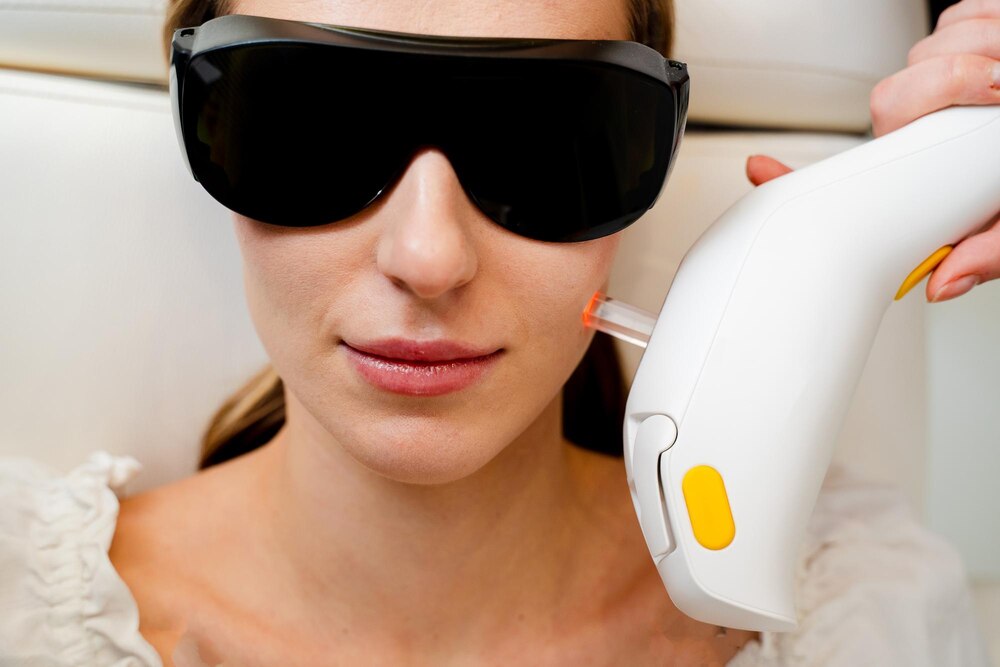
BBL therapy delivers precisely filtered light energy into the skin, where it is preferentially absorbed by melanin in sun-damaged cells. The targeted pigment heats and fragments, rising to the skin’s surface over the following days before flaking away naturally. BBL is widely regarded as a gold standard for treating photoaging and sun spots due to its effectiveness, safety profile, and minimal downtime.
During a BBL session, patients typically feel a warm snapping sensation. Each treatment takes approximately 20 to 30 minutes for the full face. In the days following treatment, sun spots characteristically darken – sometimes appearing like coffee grounds on the skin – before shedding within five to seven days. Most patients achieve optimal clearing with two to four sessions spaced three to four weeks apart.
Research from Stanford University published in the Journal of Investigative Dermatology demonstrated that regular BBL treatments not only reduce visible pigmentation but also influence gene expression patterns associated with younger skin, making BBL a compelling choice for patients seeking both corrective and preventive benefits.
Can Laser Treatments Like HALO Fix Sun Damage?
HALO is a hybrid fractional laser that combines two wavelengths – ablative and non-ablative – in a single treatment to address both surface pigmentation and deeper textural irregularities. This dual approach makes HALO particularly effective for patients with sun spots accompanied by fine lines, enlarged pores, or uneven skin tone.
Because HALO creates controlled micro-injuries at multiple skin depths, it stimulates collagen remodeling while simultaneously clearing pigmented lesions. The result is smoother, more evenly toned skin after just one to two treatments. Downtime is moderate, with most patients experiencing redness and mild peeling for five to seven days.
For patients with significant photodamage, practitioners often recommend combining HALO with BBL in a staged protocol – using BBL first to clear surface pigmentation and following with HALO to address texture and deeper discoloration.
What About Chemical Peels for Sun Spots?
Medical-grade chemical peels accelerate the removal of pigmented skin cells by applying controlled acid solutions to the skin’s surface. Trichloroacetic acid (TCA) peels and Jessner solution peels are among the most commonly used formulations for sun spot treatment, penetrating to the appropriate depth to target melanin deposits without excessive damage.
Chemical peels work best for mild to moderate sun spots and are frequently used as an adjunct to light-based treatments. A medium-depth TCA peel, for example, can enhance results when performed between BBL sessions. Peels also offer the advantage of improving overall skin texture, reducing fine lines, and promoting cellular turnover simultaneously.
The peeling process itself typically lasts five to ten days, during which the skin sheds visibly. Strict sun avoidance during this period is essential to prevent complications.
Does IPL (Intense Pulsed Light) Work for Sun Spots?
IPL uses broad-spectrum light to target superficial pigmentation and is effective for mild sun spots, particularly on lighter skin tones. While IPL and BBL both use light energy, BBL delivers more precise wavelength control and higher peak power, which generally translates to more consistent results for moderate to severe pigmentation.
IPL remains a reasonable option for patients with scattered, light sun spots who prefer a gentler approach with minimal downtime. Three to five sessions are typically needed to achieve meaningful improvement. Patients with deeper or more resistant pigmentation often benefit from transitioning to BBL or laser-based treatments.
Are Topical Treatments Enough to Fade Sun Spots?
Prescription and medical-grade topical treatments – including hydroquinone, tretinoin (retinoids), vitamin C serums, and tranexamic acid – can gradually lighten sun spots by inhibiting melanin production and accelerating skin cell turnover. However, topical agents alone are rarely sufficient to fully resolve moderate to severe sun spots and are most effective as maintenance therapy following professional treatments.
Hydroquinone remains the most studied topical depigmenting agent, though its use is typically limited to cycles of three to six months under clinical supervision. Retinoids enhance results by increasing cellular turnover, while vitamin C provides antioxidant protection against further UV-induced pigment changes. In clinical practice, the most successful long-term outcomes combine procedural treatments with a targeted topical regimen.
How Do You Choose the Right Sun Spot Treatment for Your Skin?
Choosing the right sun spot treatment depends on skin type, pigmentation severity, downtime tolerance, budget, and long-term goals. A board-certified provider evaluates these factors during a consultation to recommend the safest and most effective approach. No single treatment is universally ideal – personalization is what drives the best outcomes.
The Fitzpatrick skin type scale – a six-point classification system based on how skin responds to UV exposure – plays a central role in treatment selection. Patients with lighter skin (Fitzpatrick I-III) generally have the widest range of safe options, while patients with darker skin tones require more careful modality and parameter selection to avoid complications.
Does Skin Tone Affect Which Sun Spot Treatment Is Safest?
Skin tone significantly influences treatment safety. Light-based treatments such as BBL and IPL carry a higher risk of post-inflammatory hyperpigmentation or hypopigmentation in patients with Fitzpatrick IV-VI skin types because the device energy can be absorbed by surrounding melanin, not just the targeted spots.
For darker skin tones, lower-energy settings, specific wavelength selection, and longer pulse durations help mitigate these risks. Chemical peels and certain laser wavelengths (such as Nd:YAG at 1064nm) tend to be safer for melanin-rich skin. A provider experienced in treating diverse skin types is essential for patients with medium to dark complexions.
Can You Combine Multiple Treatments for Better Results?
Combination therapy often produces superior results compared to any single modality. Common protocols pair BBL with medical-grade chemical peels, or follow a laser treatment series with a prescription topical regimen to maintain pigment suppression. Layered approaches address pigmentation at multiple depths and through different mechanisms simultaneously.
For example, a patient with moderate sun spots on the face might undergo two BBL sessions to clear surface pigment, followed by a HALO treatment to address residual discoloration and textural damage, and then maintain results with a daily vitamin C serum and retinoid. This kind of structured, multi-phase protocol is a hallmark of treatment planning at a medical practice.
What Should You Expect During and After Sun Spot Treatment?
During most professional sun spot treatments, patients experience a warm or snapping sensation that is generally well-tolerated, especially with topical numbing. After treatment, sun spots typically darken and appear more prominent for three to seven days before flaking off to reveal clearer skin beneath. Full results develop progressively over two to six weeks depending on the modality used.
It is important to understand that the initial darkening of treated spots is a normal and expected part of the healing process – not a sign that treatment has failed. This reaction confirms that the targeted pigment has absorbed the treatment energy and is being expelled by the body’s natural skin turnover cycle.
How Long Does It Take for Sun Spots to Fade After Treatment?
The timeline for visible improvement varies by treatment type:
- BBL: Spots darken within 24 hours and flake off within 5 – 7 days. Significant clearing is visible after the first session, with continued improvement over 2 – 4 weeks.
- HALO: Initial redness and peeling resolve within 5 – 7 days, with pigmentation fading progressively over 2 – 4 weeks.
- Chemical Peels: Peeling occurs over 5 – 10 days, with improved tone visible within 2 – 3 weeks.
- Topicals: Gradual lightening over 8 – 12 weeks of consistent use.
Patients receiving a multi-session treatment series should expect the most dramatic improvement after the second or third session, with cumulative benefits building over the full course.
What Aftercare Do You Need Following Sun Spot Removal?
Post-treatment care directly affects outcomes and complication risk. Essential aftercare protocols include:
- Apply broad-spectrum SPF 30 or higher sunscreen daily, reapplying every two hours when outdoors.
- Keep the treated area moisturized with a gentle, fragrance-free product.
- Avoid direct sun exposure and tanning beds for at least two weeks.
- Do not pick at darkened spots or peeling skin – allow them to shed naturally.
- Pause active ingredients such as retinoids and exfoliating acids until your provider advises resuming them.
- Attend all scheduled follow-up appointments to assess healing and plan subsequent sessions.
How Can You Prevent Sun Spots from Coming Back?
Preventing sun spot recurrence requires consistent daily sun protection, antioxidant skincare, protective clothing, and periodic maintenance treatments. Without ongoing prevention, new sun spots will develop because the underlying cause – UV exposure – remains a constant factor in daily life. Prevention is the most important component of any long-term pigmentation management plan.
Even after successful treatment, the melanocytes responsible for pigment production remain in the skin. They can be re-activated by UV exposure at any time, which is why sunscreen is non-negotiable for anyone who has invested in sun spot removal.
What SPF and Sunscreen Type Works Best to Prevent Sun Spots?
Mineral (physical) sunscreens containing zinc oxide or titanium dioxide are generally preferred after pigmentation treatments because they reflect UV rays immediately upon application without requiring a chemical activation period. A broad-spectrum SPF of at least 30 is the minimum recommendation, though SPF 50 provides a meaningful additional margin of protection.
Reapplication every two hours during outdoor activity is critical. Even on overcast Pacific Northwest days, up to 80 percent of UV radiation penetrates cloud cover. Tinted mineral sunscreens offer the added benefit of blocking visible light, which has been shown to contribute to pigmentation in darker skin tones.
How Often Should You Schedule Maintenance Treatments?
Most practitioners recommend annual or biannual maintenance BBL or light-based treatments to address early pigment changes before they become established sun spots. These maintenance sessions also support collagen production and overall skin health, making them a worthwhile investment in long-term skin quality.
Based on treating hundreds of patients with photodamage over the past decade, clinical experience consistently shows that patients who commit to annual maintenance sessions and daily sun protection maintain their results far more effectively than those who treat episodically.
Frequently Asked Questions About Sun Spot Treatment
How Much Does Professional Sun Spot Removal Cost?
Professional sun spot removal costs vary based on treatment type, area size, and number of sessions required. BBL treatments typically range from $300 to $600 per session, HALO laser treatments from $1,000 to $2,500, and medical-grade chemical peels from $150 to $500. A consultation provides an accurate quote based on individual treatment plans.
Many practices offer package pricing for multi-session protocols, which can reduce the per-session cost significantly. The total investment depends on the severity of pigmentation and the chosen treatment approach.
Is Sun Spot Treatment Painful?
Most patients describe sun spot treatment as tolerable, with sensations ranging from mild warmth to a rubber-band snap against the skin. Topical numbing cream is applied before more intensive treatments such as HALO, and integrated cooling systems built into BBL and IPL devices further reduce discomfort. The majority of patients do not require any oral pain medication.
Can Sun Spots Be Removed Permanently?
Existing sun spots can be effectively eliminated with professional treatment, but the removal is not technically permanent because new sun spots can form with continued UV exposure. The melanocytes in treated skin remain capable of producing excess pigment if stimulated by sunlight. With proper sun protection and maintenance treatments, patients can maintain clear, even-toned skin for years.
Who Is a Good Candidate for Sun Spot Treatment?
Good candidates for sun spot treatment are adults with visible solar lentigines who are in overall good health, are not actively tanning, and are committed to post-treatment sun protection. Contraindications include pregnancy, certain photosensitizing medications, active skin infections in the treatment area, and recent unprotected sun exposure. A consultation with a board-certified provider determines candidacy and the safest approach for each individual.
Why Should You Choose a Plastic Surgery Practice with a Med Spa for Sun Spot Treatment?
A plastic surgery practice with an integrated med spa offers the highest level of medical oversight, advanced treatment technology, and customized protocols for sun spot removal. Board-certified plastic surgeons and trained clinical staff bring a depth of knowledge about skin anatomy, wound healing, and complication management that distinguishes medical practices from retail spas and at-home devices.
At a medical practice, every treatment plan begins with a thorough skin assessment that rules out concerning lesions, evaluates skin type, and identifies the most appropriate treatment modality. Equipment is maintained to clinical standards, and protocols are regularly updated based on current evidence. This level of care matters – particularly for patients with complex pigmentation, darker skin tones, or a history of skin cancer.
If you are noticing sun spots on your face, hands, or chest, this is an ideal time of year to schedule a consultation and begin treatment while UV exposure remains low. A personalized evaluation at NW Laser’s sun spot and liver spot treatment page provides the starting point for a clear, evidence-based plan tailored to your skin.
Frequently Asked Questions
What is the best treatment for sun spots on the face?
BroadBand Light (BBL) therapy is widely considered the gold standard for treating sun spots on the face. BBL delivers filtered light energy that targets melanin, causing pigmented spots to darken and flake off within five to seven days. Most patients see significant clearing after two to four sessions spaced three to four weeks apart, with minimal downtime of three to five days per session.
How long does it take for sun spots to go away after laser treatment?
Sun spots typically darken within 24 hours of laser or light-based treatment and flake off within five to seven days. Significant visible clearing appears after the first session, with full results developing over two to four weeks. Patients receiving multiple sessions see the most dramatic improvement after the second or third treatment as cumulative benefits build throughout the series.
Can sun spots be permanently removed?
Existing sun spots can be effectively eliminated with professional treatments like BBL or HALO laser, but removal is not technically permanent. The melanocytes in treated skin remain capable of producing excess pigment when exposed to ultraviolet radiation. With consistent daily sunscreen use and annual maintenance treatments, patients can maintain clear, even-toned skin for years after their initial treatment series.
Why is winter the best time to get sun spot treatment?
Late winter and early spring offer the safest treatment window because UV exposure is at its lowest, reducing the risk of post-treatment hyperpigmentation. Starting treatments in February or March allows the skin to complete its full healing cycle before peak summer sun. Most treatment protocols require two to four sessions spaced several weeks apart, so beginning in winter means the entire series finishes before summer.
How much does professional sun spot removal cost?
Professional sun spot removal costs vary by treatment type and number of sessions. BBL treatments typically range from $300 to $600 per session, HALO hybrid laser treatments from $1,000 to $2,500, and medical-grade chemical peels from $150 to $500. Many practices offer package pricing for multi-session protocols that reduce the per-session cost. A consultation provides an accurate quote based on individual needs.
Is sun spot treatment safe for darker skin tones?
Sun spot treatment is possible for darker skin tones but requires careful modality selection by an experienced provider. Light-based treatments like BBL and IPL carry a higher risk of post-inflammatory hyperpigmentation in Fitzpatrick IV through VI skin types. Safer options for melanin-rich skin include chemical peels, Nd:YAG lasers at 1064nm wavelength, and lower-energy device settings with longer pulse durations to protect surrounding tissue.
What aftercare is needed after sun spot removal treatment?
Essential aftercare includes applying broad-spectrum SPF 30 or higher sunscreen daily, keeping treated skin moisturized with a gentle fragrance-free product, and avoiding direct sun exposure for at least two weeks. Patients should not pick at darkened spots or peeling skin and should pause active ingredients like retinoids until cleared by their provider. Attending all scheduled follow-up appointments ensures proper healing and optimal results.
