

Last updated: January 20, 2026
Cellulite affects the vast majority of women at some point in their lives, regardless of body type or fitness level. For Vancouver residents exploring treatment options in 2026, the landscape has evolved significantly with new technologies and clinically proven approaches now available locally. This guide examines the most effective cellulite reduction treatments, what the research shows about their results, and how to choose the right option for your goals.
What Is Cellulite and Why Does It Affect So Many People?
Cellulite is a structural skin condition where fat deposits push through connective tissue bands beneath the skin, creating a dimpled or uneven texture most commonly on the thighs, buttocks, and abdomen. Between 80 and 90 percent of post-pubertal women develop cellulite at some point, making it one of the most common cosmetic concerns worldwide. The condition results from the interaction between fat cells, fibrous tissue, and skin elasticity rather than weight alone.
Understanding cellulite as a structural issue rather than simply a fat problem helps explain why diet and exercise alone rarely eliminate it. The fibrous bands that create the dimpled appearance are part of the body’s natural architecture, which is why targeted treatments addressing these bands have become the focus of modern cellulite therapy.
What Causes Cellulite to Form?
Cellulite formation involves multiple factors working together. Fat cells beneath the skin enlarge and push upward while fibrous connective tissue bands pull downward, creating the characteristic dimpling pattern. Hormonal influences – particularly estrogen – play a significant role in fat distribution and connective tissue structure, which explains why cellulite predominantly affects women.
Genetics determine skin structure, fat distribution patterns, and metabolic characteristics that influence cellulite development. Lifestyle factors including circulation, hydration, and muscle tone can affect how visible cellulite appears, though they rarely prevent it entirely. Age-related changes in skin elasticity and collagen production often make cellulite more noticeable over time.
Who Is Most Likely to Develop Cellulite?
Cellulite affects women across all body types, fitness levels, and backgrounds. Clinical data indicates that 80 to 90 percent of women experience cellulite regardless of their weight or activity level. This prevalence reflects the fundamental differences in how female bodies store fat and structure connective tissue compared to male bodies.
While cellulite can appear at any adult age, it often becomes more visible after puberty and may increase with hormonal changes during pregnancy or menopause. Men develop cellulite far less frequently due to differences in connective tissue architecture and fat distribution patterns.
What Are the Most Effective Cellulite Treatments Available in 2026?
The most effective cellulite treatments in 2026 target the fibrous bands and fat deposits responsible for skin dimpling, with vacuum-assisted subcision showing 93 percent improvement at one year and 94 percent patient satisfaction according to a 2024 systematic review published in Aesthetic Surgery Journal Open Forum. Injectable enzyme treatments and advanced energy-based devices offer additional proven options, each addressing cellulite through different mechanisms suited to varying patient needs and cellulite severity levels.
Treatment selection depends on cellulite grade, patient goals, tolerance for downtime, and budget considerations. The following sections examine the clinical evidence behind each major treatment category.
How Does Vacuum-Assisted Subcision Work for Cellulite?
Vacuum-assisted subcision mechanically releases the fibrous bands that pull skin downward and create dimpling. During the procedure, a specialized device uses suction to isolate the treatment area while a small blade cuts the restrictive bands beneath the skin surface. This release allows the skin to smooth naturally as the underlying structure no longer pulls it inward.
Clinical evidence from the 2024 systematic review demonstrates impressive durability with this approach. The following table summarizes key outcomes:
| Outcome Measure | Result | Timeframe |
|---|---|---|
| Overall Improvement | 93% | 1 year post-treatment |
| Patient Satisfaction | 94% | 1 year post-treatment |
This treatment typically requires local anesthesia and involves some bruising and recovery time, making it more involved than purely non-invasive options but potentially more dramatic in results.
What Is Collagenase Clostridium Histolyticum (CCH) Treatment?
Collagenase clostridium histolyticum is an injectable enzyme treatment that dissolves the collagen in fibrous bands causing cellulite dimples. The enzyme specifically targets the structural proteins in these restrictive bands, breaking them down so the skin can release and smooth. This approach received significant attention following clinical trials demonstrating measurable improvements in cellulite severity.
Research data from the 2024 systematic review shows:
| Measurement | Result | Timeframe |
|---|---|---|
| Cellulite Severity Scale Reduction | 29.5% | After single session |
| Patients Achieving 1+ Point CSS Improvement | 95% | 6 months post-treatment |
CCH treatment involves a series of injections directly into the cellulite dimples. Multiple treatment sessions may be recommended depending on the extent and severity of cellulite being addressed.
What Non-Invasive Technologies Are Now Available in Canada?
Health Canada approved several advanced non-invasive cellulite treatment devices, including the Venus Bliss MAX system which received its medical device license in July 2024. These technologies use combinations of radiofrequency energy, laser light, and mechanical manipulation to address fat cells and stimulate collagen production without incisions or injections.
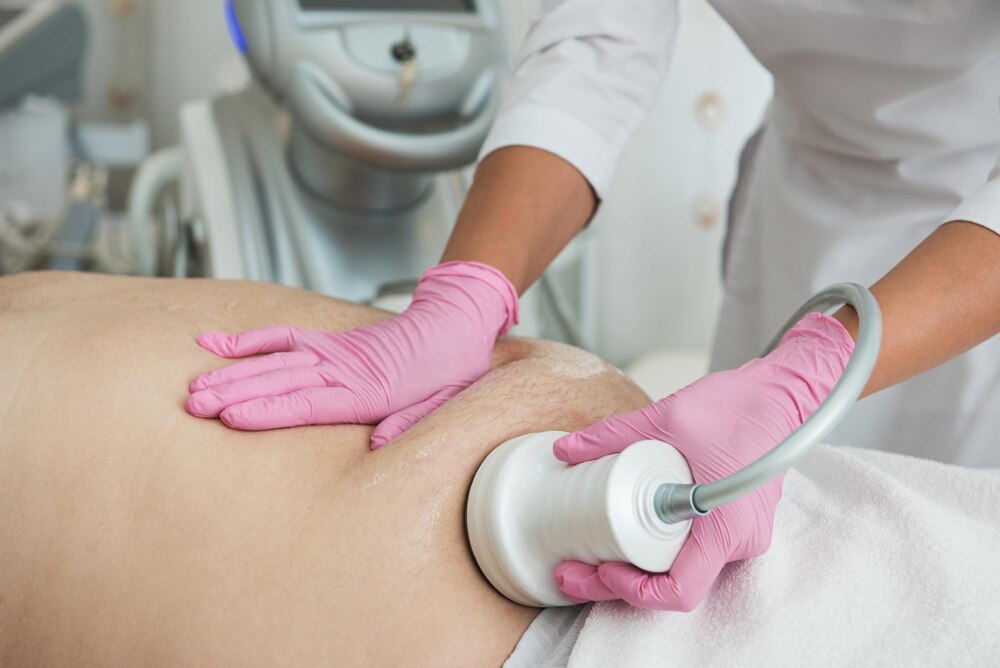
NW Laser offers SmoothShapes cellulite reduction treatment, which uses advanced photomology technology combining laser, light, and vacuum massage. This approach works to liquefy fat, improve circulation, and smooth cellulite appearance. The treatment requires no downtime and patients often describe the sensation as similar to a warm massage.
Non-invasive options typically require multiple treatment sessions to achieve optimal results, but they offer the advantage of no recovery period between appointments.
Why Are Non-Invasive Cellulite Treatments Growing in Popularity?
Non-invasive cellulite treatments are experiencing significant growth because they offer measurable results without surgery, extended recovery, or significant risk. The global cellulite treatment market reached USD 1.4 billion in 2022 and is projected to grow at an 11.1 percent compound annual growth rate through 2030 according to industry analysis, with North America leading adoption due to high awareness and technology availability. This growth reflects increasing patient preference for treatments that fit into busy lifestyles while delivering visible improvements.
Market projections indicate continued expansion, with the cellulite treatment market expected to reach USD 5.19 billion by 2032. This trajectory demonstrates both consumer demand and ongoing technological advancement in treatment options.
What Makes Non-Invasive Options Appealing to Patients?
Non-invasive treatments address several practical concerns that patients prioritize when considering cellulite reduction:
- Minimal to no downtime allowing immediate return to normal activities
- Reduced risk profile compared to surgical interventions
- No anesthesia requirements for most procedures
- Treatments can often be completed during lunch breaks
- Progressive improvement allowing adjustment of treatment plans
For many patients, the ability to address cellulite without taking time away from work or family responsibilities makes non-invasive options particularly attractive. SmoothShapes treatments at NW Laser, for example, also serve as beneficial complementary treatments before and after liposuction to enhance fat removal and reduce post-surgical swelling.
How Has Technology Improved Cellulite Treatment Results?
Advances in treatment technology have significantly improved both the efficacy and comfort of cellulite reduction procedures. Modern devices combine multiple energy modalities – such as radiofrequency, laser, and mechanical massage – to address cellulite from several angles simultaneously. This multi-modal approach targets fat cells, stimulates collagen remodeling, and improves circulation in ways that single-technology devices cannot match.
The North American cellulite treatment market leads globally with a projected compound annual growth rate of 11.2 percent, driven largely by the adoption of these advanced non-invasive technologies. Soft cellulite treatments represent approximately 46.4 percent of the market share, indicating strong demand for approaches that address the more common, less severe forms of cellulite.
What Should Vancouver Residents Know About Cellulite Treatment Options Locally?
Vancouver residents have access to the full range of modern cellulite treatments, including Health Canada approved devices and clinically proven procedures available at qualified medical spas and plastic surgery practices. Local providers offer both non-invasive technologies like SmoothShapes and more intensive options, allowing patients to choose approaches matched to their cellulite severity and treatment goals. Selecting a qualified provider with appropriate credentials ensures safe treatment and realistic outcome expectations.
The availability of advanced treatments locally eliminates the need for travel to access effective cellulite reduction options.
Why Is Choosing a Qualified Provider Important for Cellulite Treatment?
Provider qualifications directly impact both safety and results in cellulite treatment. Board-certified practitioners understand skin anatomy, can accurately assess cellulite severity, and select appropriate treatments for individual presentations. In clinical practice, proper patient assessment prevents both under-treatment and over-treatment while setting realistic expectations.
Key factors to evaluate when selecting a cellulite treatment provider include:
- Board certification in relevant specialties
- Experience with multiple cellulite treatment modalities
- Transparent discussion of expected outcomes and limitations
- Proper facility credentials and equipment maintenance
- Comprehensive consultation before treatment recommendations
What Can Patients Expect During a Cellulite Treatment Consultation?
A thorough consultation establishes the foundation for successful cellulite treatment. Providers assess cellulite severity using standardized scales, examine skin quality and elasticity, and discuss treatment goals and expectations. This evaluation determines which treatment approaches are most likely to achieve the patient’s desired outcomes.
During the consultation, patients should receive clear information about treatment options, expected number of sessions, anticipated results, and any limitations. Providers should explain how different treatments work, what sensations to expect during procedures, and realistic timelines for visible improvement.
Is Winter the Best Time to Start Cellulite Reduction Treatments?
Winter offers strategic advantages for beginning cellulite reduction treatments because the cooler months provide time to complete multi-session protocols before spring and summer when skin exposure increases. Starting treatment in January or February allows patients to undergo the recommended number of sessions with appropriate intervals between treatments, achieving optimal results by the time warmer weather arrives. This timing also means any temporary post-treatment effects like redness or bruising occur when covered by seasonal clothing.
The current winter season in Vancouver presents an ideal opportunity to begin a treatment plan with realistic timing expectations.
How Many Treatment Sessions Are Typically Needed?
Treatment session requirements vary significantly based on the approach selected and the severity of cellulite being addressed. The following table provides general guidelines:
| Treatment Type | Typical Sessions | Session Interval |
|---|---|---|
| Non-invasive energy devices | 6-10 sessions | 1-2 weeks apart |
| Injectable treatments | 2-3 sessions | 3-4 weeks apart |
| Subcision procedures | 1-2 sessions | As needed |
These timelines underscore why beginning treatment in winter allows completion of full protocols before summer months. Maintenance sessions may be recommended periodically to sustain results over time.
When Will Patients See Results from Cellulite Treatments?
Result timelines depend on the treatment mechanism and individual healing responses. Non-invasive treatments typically show gradual improvement over weeks to months as collagen remodeling occurs and fat cells respond to treatment. Some patients notice initial changes within two to four weeks, with continued improvement over the following months.
More intensive treatments like subcision may show faster initial improvement as the mechanical release of fibrous bands creates immediate structural change. However, full results still develop over time as tissue heals and settles. Clinical data showing 93 percent improvement at one year reflects the sustained nature of these structural corrections.
What Questions Should You Ask Before Getting Cellulite Treatment?
Before undergoing cellulite treatment, patients should ask providers about their experience with specific procedures, expected outcomes for their particular cellulite presentation, and realistic timelines for results. Questions about safety protocols, potential side effects, and what happens if results are unsatisfactory help ensure informed decision-making. Understanding the total treatment commitment – including number of sessions, costs, and maintenance requirements – prevents surprises and supports treatment adherence.
Prepared questions demonstrate engagement and help establish clear communication with your treatment provider.
How Do You Determine Which Cellulite Treatment Is Right for You?
Selecting the appropriate cellulite treatment involves weighing several personal factors:
- Cellulite severity and distribution patterns
- Tolerance for downtime and recovery periods
- Budget considerations and treatment costs
- Timeline for desired results
- Comfort level with different procedure types
Patients with mild cellulite may achieve satisfactory results from non-invasive treatments alone, while more severe presentations might benefit from combination approaches or more intensive procedures. A qualified provider can recommend options based on individual assessment.
What Results Are Realistic to Expect from Cellulite Reduction?
Modern cellulite treatments offer significant improvement but rarely achieve complete elimination of all cellulite appearance. Clinical data showing 93 to 95 percent improvement rates represents substantial visual change while acknowledging that some texture variation may remain. Patients who understand this distinction report higher satisfaction with their results.
Maintenance treatments may be needed over time as new cellulite can develop and treated areas may gradually return toward baseline. Discussing long-term management strategies during initial consultations helps establish realistic ongoing expectations.
Frequently Asked Questions About Cellulite Reduction
Does Cellulite Come Back After Treatment?
Cellulite can return after treatment because the underlying factors that cause it – fat distribution, connective tissue structure, and hormonal influences – remain present. Treatments that release fibrous bands create lasting structural change in treated areas, but new cellulite may develop elsewhere or the treated areas may gradually revert over years. Maintenance treatments help sustain initial results for many patients.
Are Cellulite Treatments Safe?
Modern cellulite treatments have established safety profiles when performed by qualified providers using appropriate equipment. Non-invasive treatments carry minimal risk, typically limited to temporary redness, bruising, or tenderness. More invasive procedures involve standard surgical risks including infection and scarring, though these remain uncommon with proper technique. Health Canada device approval, such as the Venus Bliss MAX license granted in July 2024, indicates regulatory review of safety and efficacy data.
How Much Do Cellulite Treatments Cost in Vancouver?
Cellulite treatment costs vary significantly based on the procedure type, number of sessions required, and treatment area size. Non-invasive treatments generally require multiple sessions with per-session pricing, while more intensive procedures involve higher single-treatment costs. Consultation appointments allow providers to assess individual needs and provide specific pricing based on recommended treatment plans.
Can Exercise and Diet Eliminate Cellulite?
Exercise and diet can improve overall body composition and may reduce cellulite visibility, but they cannot eliminate cellulite entirely. Because cellulite results from structural factors – the relationship between fat cells, fibrous bands, and skin – rather than excess weight alone, even individuals at optimal fitness levels frequently have cellulite. Healthy lifestyle habits support treatment results but typically do not replace targeted cellulite procedures for those seeking significant improvement.
What Is the Next Step for Cellulite Treatment in Vancouver?
Taking the first step toward cellulite reduction begins with a professional consultation to assess your specific presentation and discuss appropriate treatment options. Vancouver residents interested in exploring cellulite treatment can schedule an evaluation to determine which approaches align with their goals, timeline, and preferences.
With winter providing optimal timing to begin treatment protocols, now presents an excellent opportunity to start the process. A qualified provider can develop a personalized treatment plan designed to achieve visible improvement by the warmer months ahead. Contact NW Laser to schedule a consultation and learn which cellulite reduction options may be right for you.
Frequently Asked Questions
How effective are modern cellulite treatments?
Modern cellulite treatments show significant effectiveness, with vacuum-assisted subcision demonstrating 93% improvement at one year and 94% patient satisfaction according to 2024 clinical research. Injectable enzyme treatments achieve 29.5% reduction on the Cellulite Severity Scale, with 95% of patients seeing meaningful improvement at six months. Results vary based on treatment type and cellulite severity.
How many cellulite treatment sessions will I need?
Treatment session requirements depend on the approach selected. Non-invasive energy devices typically require 6 to 10 sessions spaced 1 to 2 weeks apart. Injectable treatments usually involve 2 to 3 sessions at 3 to 4 week intervals. Subcision procedures may require only 1 to 2 sessions. Your provider will recommend a specific plan based on your cellulite severity.
When will I see results from cellulite reduction treatments?
Results timelines vary by treatment type. Non-invasive treatments show gradual improvement over weeks to months as collagen remodels, with initial changes often visible within 2 to 4 weeks. More intensive procedures like subcision create faster initial structural changes, though full results develop over time as tissue heals. Clinical studies show sustained improvement at one year.
Does cellulite return after treatment?
Cellulite can return after treatment because underlying causes – including fat distribution patterns, connective tissue structure, and hormonal influences – remain present. Treatments that release fibrous bands create lasting structural changes in treated areas, but new cellulite may develop elsewhere over time. Periodic maintenance treatments help many patients sustain their initial results long-term.
Can diet and exercise eliminate cellulite completely?
Diet and exercise cannot eliminate cellulite completely because cellulite results from structural factors rather than excess weight alone. The relationship between fat cells, fibrous connective bands, and skin creates dimpling even in individuals at optimal fitness levels. Healthy lifestyle habits support treatment results but typically cannot replace targeted medical procedures for significant improvement.
Are non-invasive cellulite treatments safe?
Non-invasive cellulite treatments have established safety profiles when performed by qualified providers using Health Canada approved equipment. Side effects are typically limited to temporary redness, bruising, or tenderness. The Venus Bliss MAX system received Health Canada medical device approval in July 2024, indicating regulatory review of safety and efficacy data for Canadian patients.
Why is winter a good time to start cellulite treatment?
Winter offers strategic advantages for cellulite treatment because cooler months provide time to complete multi-session protocols before spring and summer. Starting in January or February allows patients to undergo recommended sessions with appropriate intervals, achieving optimal results when warmer weather arrives. Any temporary post-treatment effects like redness or bruising remain covered by seasonal clothing.
