

Dealing with persistent acne can feel frustrating, especially when over-the-counter products fail to deliver results. Chemical peels for acne offer a proven, science-backed solution that goes beyond surface-level treatment to address the root causes of breakouts. Whether you’re battling active pimples, lingering dark spots, or textured scarring, professional chemical peels provide customizable options for virtually every skin type and concern.
At NW Laser, we understand that choosing the right peel can feel overwhelming. Glycolic acid, salicylic acid, mandelic acid – each serves a different purpose and works best for specific skin types. This comprehensive guide compares traditional and newer peel options, helping you understand which professional acne treatment might deliver the clearer skin you’re seeking.
From patients with oily, acne-prone skin to those with darker complexions concerned about hyperpigmentation, chemical peels offer targeted solutions. Let’s explore how these treatments work and which options might be right for your unique skin.
How Do Chemical Peels Treat Active Acne and Prevent Breakouts?
Chemical peels work by applying controlled acid solutions to the skin, triggering a renewal process that addresses multiple acne-causing factors simultaneously. Unlike topical creams that sit on the surface, professional peels penetrate deeper to clear congested pores, reduce excess oil, and promote healthier skin cell turnover.
The result is a multi-pronged attack on acne. Peels remove dead skin cells that trap oil and bacteria, reduce inflammation that causes redness and swelling, and help normalize the skin’s natural exfoliation process. Over a series of treatments, many patients notice fewer breakouts, improved texture, and a more even skin tone.
Exfoliation and Pore Clearing Benefits
The primary mechanism behind chemical peels involves controlled exfoliation of the outer skin layer. Dead skin cells naturally shed over time, but in acne-prone skin, this process often becomes sluggish. Cells accumulate in hair follicles, mixing with sebum to create the plugs that become blackheads, whiteheads, and inflamed pimples.
Chemical peels accelerate this shedding process. By dissolving the bonds between dead cells, acids help clear existing congestion while preventing new blockages from forming. This pore-clearing action makes peels particularly effective for comedonal acne – those stubborn blackheads and whiteheads that resist other treatments.
The exfoliation also creates a smoother skin surface, allowing other acne-fighting products to penetrate more effectively. Many patients find their entire skincare routine works better after incorporating professional peels.
Oil Reduction and Sebaceous Gland Targeting
Excess oil production sits at the heart of most acne concerns. Sebaceous glands, when overactive, produce more sebum than the skin needs, creating the oily environment where acne bacteria thrive. Certain chemical peels directly target this issue.
Salicylic acid and mandelic acid stand out for their ability to penetrate into pores and regulate oil production at the source. These lipophilic (oil-loving) acids dissolve sebum buildup while helping normalize sebaceous gland activity over time. Patients often notice their skin appears less shiny and feels less greasy between treatments.
This oil-reducing benefit makes specific peels ideal for those with consistently oily skin, not just occasional breakouts. By addressing the underlying cause rather than just the symptoms, these treatments provide longer-lasting results.
Comparing Traditional Chemical Peels for Acne: Glycolic Acid vs. Salicylic Acid
When considering the best chemical peel for acne scars and active breakouts, glycolic acid and salicylic acid remain the most widely studied and frequently used options. Understanding the differences between glycolic acid vs salicylic acid for acne helps ensure you choose the right treatment for your specific concerns.
Clinical research has demonstrated both acids effectively improve acne, though they work through different mechanisms and suit different skin types. Generally, salicylic acid produces faster visible results for active acne, while glycolic acid excels at addressing texture and mild discoloration.
Glycolic Acid Peels: Best Uses and Skin Type Considerations
Glycolic acid belongs to the alpha-hydroxy acid (AHA) family, derived from sugarcane. As the smallest AHA molecule, it penetrates skin efficiently to stimulate cell turnover and collagen production. These properties make glycolic peels excellent for improving overall skin texture, reducing fine lines, and fading mild hyperpigmentation.
For acne specifically, glycolic acid works best on mild to moderate cases, particularly when post-acne marks are a primary concern. The acid helps shed pigmented surface cells while encouraging fresh, evenly-toned skin to emerge. Patients often see improvements in both active blemishes and the dark spots they leave behind.
However, glycolic acid does carry higher risks for those with darker skin tones. The acid can trigger post-inflammatory hyperpigmentation in Fitzpatrick skin types IV-VI if used at high concentrations or without proper preparation. For these patients, gentler alternatives often prove safer and equally effective.
Salicylic Acid Peels: Why They Work Faster for Oily, Acne-Prone Skin
Salicylic acid, a beta-hydroxy acid (BHA), offers unique advantages for acne treatment. Unlike water-soluble glycolic acid, salicylic acid is oil-soluble, allowing it to penetrate through sebum and into clogged pores. This property makes it exceptionally effective for oily, acne-prone skin.
Research comparing the two acids has found that salicylic acid often produces faster visible improvement in active acne. The acid’s ability to dissolve the oil and debris inside pores – rather than just exfoliating the surface – means it addresses breakouts at their source. Patients frequently notice reduced inflammation and fewer new pimples within the first few treatments.
Salicylic acid also offers natural anti-inflammatory and antibacterial properties, calming red, irritated skin while combating acne-causing bacteria. For those struggling with painful, inflamed cystic acne or persistent oiliness, salicylic acid peels typically deliver more dramatic initial results than glycolic alternatives.
Newer Chemical Peel Options for Acne: Mandelic, Pyruvic, and Azelaic Acid
Beyond the traditional glycolic and salicylic options, newer chemical peel ingredients have emerged as valuable tools in acne treatment. These alternatives fill important gaps, particularly for patients with sensitive skin, darker complexions, or adult-onset acne that hasn’t responded to standard treatments.
Mandelic Acid Peels for Sensitive and Darker Skin Tones
Mandelic acid peel for acne has gained significant attention as a gentler yet effective option, especially for those with Fitzpatrick skin types IV-V. Derived from bitter almonds, mandelic acid features a larger molecular structure than glycolic acid, meaning it penetrates skin more slowly and evenly.
This slower penetration translates to less irritation and a lower risk of triggering hyperpigmentation – a crucial consideration for patients with darker skin tones. Despite its gentleness, mandelic acid still delivers meaningful results for acne. Like salicylic acid, it’s lipophilic, allowing it to cut through oil and clear congested pores effectively.
Mandelic acid also offers antibacterial properties that directly combat acne-causing bacteria. For patients who’ve experienced irritation or uneven results with stronger acids, mandelic peels provide a safer pathway to clearer skin without compromising efficacy.
Pyruvic Acid vs. Azelaic Acid for Adult Acne
Adult acne presents unique challenges. Breakouts often occur alongside concerns like fine lines, dullness, and melasma – issues that require thoughtful treatment selection. Pyruvic and azelaic acids have both shown promise for this demographic.
Pyruvic acid, an alpha-keto acid, penetrates deeply while also offering keratolytic (dead skin dissolving) and sebostatic (oil-reducing) effects. It converts to lactic acid in the skin, providing additional moisturizing benefits that aging skin appreciates.
Azelaic acid brings anti-inflammatory, antibacterial, and melanin-inhibiting properties to acne treatment. Clinical studies have found both pyruvic and azelaic acid equally effective for treating adult acne, making the choice often depend on secondary concerns. Azelaic acid may edge ahead for patients also dealing with rosacea or significant hyperpigmentation.
Which Chemical Peel Is Best for Post-Acne Hyperpigmentation and Scarring?
Once active acne clears, many patients find themselves facing a new challenge: the marks it left behind. Post-inflammatory hyperpigmentation (dark spots) and textured scarring require targeted treatment approaches. The best chemical peel for acne scars depends largely on the severity and type of scarring present.
Mild Hyperpigmentation: Glycolic and Lactic Acid Options
For mild discoloration and superficial marks, gentler peels often provide excellent results with minimal downtime. Glycolic acid effectively fades surface-level pigmentation by accelerating cell turnover and promoting even skin tone. A series of treatments gradually lightens dark spots while improving overall radiance. Learn how light chemical peels gently resurface skin and what to expect from treatments with minimal downtime.
Lactic acid offers another option, particularly for those with dry or sensitive skin. As a larger AHA molecule, it works more gently than glycolic acid while still providing meaningful exfoliation and brightening benefits. Lactic acid also helps improve skin hydration, addressing the dryness that sometimes accompanies acne treatment.
For patients with darker skin tones concerned about worsening hyperpigmentation, these milder options – used at appropriate concentrations and frequencies – typically prove safer than jumping directly to aggressive treatments.
Stubborn Scars and Dark Spots: TCA and Jessner’s Peel Considerations
When superficial peels don’t provide sufficient improvement, medium-depth options enter the conversation. TCA peel for hyperpigmentation has shown effectiveness for more stubborn discoloration and mild scarring, though it requires careful application, especially on darker skin.
Jessner’s solution – a combination of salicylic acid, lactic acid, and resorcinol – offers another medium-depth option. Studies comparing Jessner’s peel to salicylic acid 30% in darker-skinned patients have demonstrated both treatments can improve acne and post-acne marks, though Jessner’s may provide more dramatic results for significant discoloration.
Medium-depth peels involve more downtime and carry higher risks, particularly for post-inflammatory hyperpigmentation in darker skin tones. Professional assessment ensures you receive the appropriate peel strength for your skin type and concerns. For deeper acne scars, laser treatments for acne scars may be recommended alongside or instead of chemical peels for optimal results.
Why Professional Chemical Peels Deliver Better Results Than At-Home Options
The skincare market offers countless at-home peel products promising professional results. While some provide mild benefits, significant differences exist between DIY options and professional acne treatment at a med spa.
Concentration represents the most obvious distinction. Professional peels use significantly higher acid percentages than legally available for home use, allowing them to penetrate deeper and produce more substantial changes. A 30% salicylic acid peel performed by a trained provider simply cannot be replicated at home.
Beyond strength, professional treatments offer customization impossible to achieve with one-size-fits-all products. Your provider evaluates your skin type, concerns, and history to select the ideal acid, concentration, and application technique. They can combine peels, adjust treatment depth across different facial zones, and modify protocols based on your skin’s response.
Safety provides another compelling reason to choose professional care. Improperly used chemical peels can cause burns, scarring, and severe hyperpigmentation. Trained providers understand contraindications, recognize adverse reactions, and know how to neutralize peels appropriately. This expertise proves especially valuable for patients with darker skin tones or sensitive complexions.
What to Expect During a Chemical Peel Treatment at NW Laser
Understanding the treatment process helps patients feel confident and prepared. Your chemical peel experience at NW Laser begins with a thorough consultation where we evaluate your skin, discuss concerns, and review your medical history. This assessment guides our recommendation for the most appropriate peel type and strength.
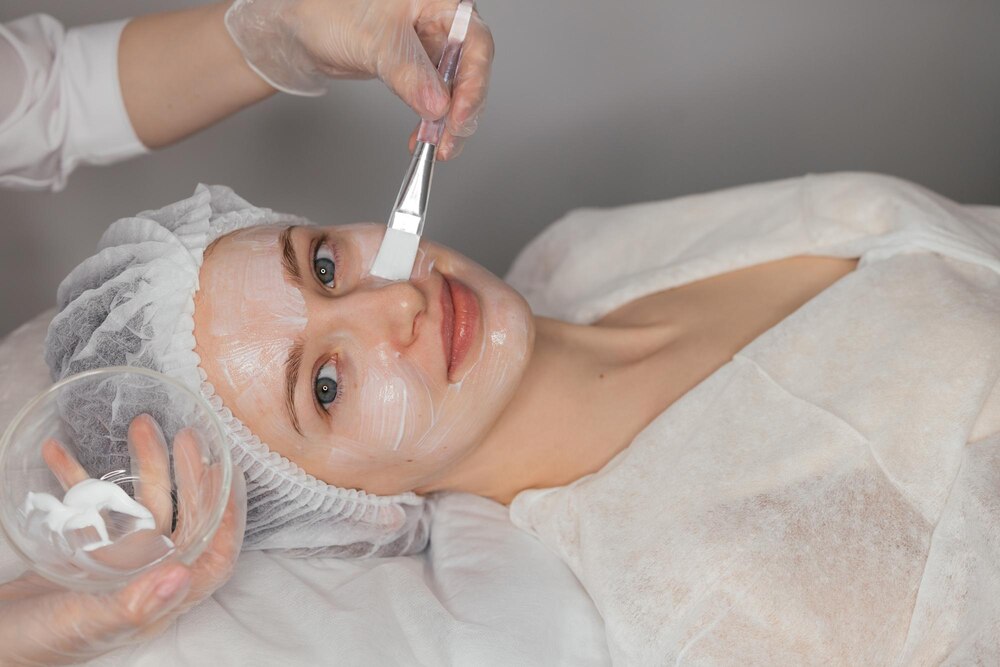
On treatment day, we cleanse your skin thoroughly to remove oils, makeup, and debris. The selected peel solution is then applied in layers, with careful attention to your skin’s response. You may feel tingling, warmth, or mild stinging – sensations that indicate the acid is working. For stronger peels, we may apply a neutralizing solution to stop the acid’s action at the optimal moment.
Post-treatment instructions vary based on peel depth. Superficial peels typically involve mild redness and flaking for a few days, while medium-depth peels require more significant downtime. We provide detailed aftercare guidance, including sun protection requirements and product recommendations to support healing and maximize results.
Most acne patients benefit from a series of treatments spaced several weeks apart. We track your progress and adjust protocols as your skin improves, ensuring each session builds on previous results.
Schedule Your Acne Chemical Peel Consultation
Choosing the right chemical peel for your acne requires personalized assessment by experienced professionals. Whether you’re dealing with active breakouts, post-acne dark spots, or textured scarring, NW Laser offers comprehensive solutions tailored to your unique skin type and goals.
Our team stays current with the latest research on chemical peels for acne, ensuring you receive evidence-based treatment recommendations. From traditional glycolic and salicylic options to newer acids like mandelic and azelaic, we match the right peel to your specific concerns – including special considerations for sensitive skin and darker complexions.
Clear, healthy skin is achievable with the right professional guidance. Contact NW Laser today to schedule your consultation and discover which chemical peel treatment will help you achieve your clearest skin yet. Our experienced providers are ready to create a customized treatment plan that addresses your acne concerns while respecting your skin’s unique needs.
