

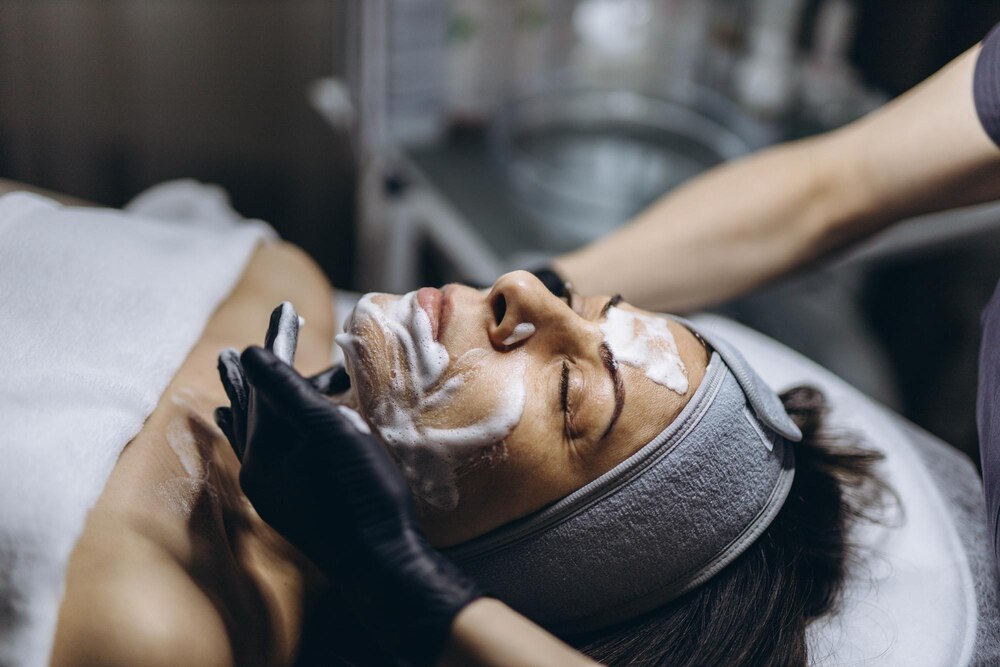
The skincare industry has witnessed explosive growth in retinol products, with the global market reaching $1.4 billion in 2024-2025 and projected to climb to $1.68 billion by 2029. Despite the abundance of over-the-counter options lining pharmacy shelves and dominating online beauty retailers, more patients are seeking professional retinol treatments at medical spas. This trend reflects a growing understanding that not all retinol treatments are created equal.
For those serious about addressing signs of aging, acne scarring, or persistent skin concerns, the choice between professional retinol peels and at-home treatments represents more than just a price comparison. Professional treatments offer concentrated formulations, expert application techniques, and medical supervision that can dramatically accelerate results while minimizing the trial-and-error approach often associated with over-the-counter products. Understanding these differences helps patients make informed decisions about their skincare investments.
Understanding Retinol Peels in Medical Settings
Professional retinol peels represent a sophisticated evolution in skincare treatment that bridges the gap between gentle daily retinol use and more aggressive chemical peeling procedures. Unlike standard over-the-counter retinol products that typically contain 0.25% to 1% retinol, medical-grade retinol peels utilize higher concentrations and specialized delivery systems designed to maximize penetration and cellular turnover.
These professional treatments differ fundamentally from both traditional chemical peels and retail retinol products in their formulation and application method. While a typical at-home retinol serum works gradually on the skin’s surface layers, professional retinol peels are designed to deliver a concentrated dose of vitamin A derivatives deeper into the skin structure, triggering accelerated cellular renewal and collagen production.
The Science Behind Professional-Grade Retinol
The potency difference between professional and consumer-grade retinol products extends beyond simple concentration numbers. Research indicates that retinol is approximately 20 times less potent than prescription tretinoin, meaning professional formulations must compensate through enhanced delivery mechanisms and optimized pH levels to achieve therapeutic results.
Medical-grade retinol peels often incorporate advanced penetration enhancers and stabilizing compounds that protect the active ingredient from degradation while ensuring deeper absorption. This sophisticated formulation allows practitioners to achieve in one or two sessions what might take months of daily over-the-counter application, making professional treatments particularly appealing for patients seeking visible improvements within specific timeframes.
How Retinol Peels Differ from Traditional Chemical Peels
While both retinol peels and traditional acid-based chemical peels promote skin renewal, their mechanisms of action differ significantly. Traditional chemical peels work by dissolving the bonds between dead skin cells using acids like glycolic, salicylic, or trichloroacetic acid, creating controlled damage that triggers healing and regeneration.
Retinol peels, conversely, work at the cellular level by binding to specific receptors in skin cells, altering gene expression to normalize cell turnover and boost collagen production. This biological approach means retinol peels often produce less immediate visible peeling but deliver more comprehensive long-term improvements in skin texture, tone, and elasticity. The recovery period typically involves less dramatic shedding but may include several days of mild redness and sensitivity.
Benefits of Professional Retinol Peels at Med Spas
The controlled environment and medical expertise available at med spas transform retinol peels from a simple skincare treatment into a precision therapeutic intervention. Professional supervision ensures optimal results while minimizing the risks of irritation, purging, or adverse reactions that often plague at-home retinol users during their adjustment period.
Beyond safety considerations, professional retinol peels offer accelerated timelines for visible improvement. Patients typically observe significant changes in skin texture and clarity within two to three weeks following treatment, compared to the three to six months often required to see comparable results from daily over-the-counter retinol use.
Enhanced Results Through Professional Application
Board-certified dermatologist Dr. Terence Keaney emphasizes that “Professional peels tend to be stronger and penetrate deeper, resulting in improved results as well as increased risk and supervision required.” This deeper penetration capability means professional treatments can address concerns that surface-level products simply cannot reach, including deeper wrinkles, stubborn hyperpigmentation, and textural irregularities.
The professional application process also incorporates techniques that maximize product efficacy. Med spa practitioners use specific application patterns, timing protocols, and neutralization methods that ensure even coverage and optimal absorption. They may also employ pre-treatment preparation steps like gentle exfoliation or pH balancing that prime the skin for maximum retinol uptake.
Customization and Safety Under Medical Supervision
Every patient’s skin responds differently to retinol, and professional treatments allow for real-time adjustments that at-home users cannot replicate. Practitioners assess factors including skin thickness, sensitivity levels, previous retinoid exposure, and concurrent medications to customize treatment parameters including concentration, contact time, and neutralization timing.
This personalized approach extends to managing potential complications. While over-the-counter users must navigate side effects through trial and error, medical professionals can immediately identify and address issues like excessive irritation or unexpected reactions. They also provide prescription-strength aftercare products and detailed recovery protocols that minimize downtime and optimize healing.
Professional Retinol Peels vs At-Home Retinol Products
The retail retinol market continues its impressive growth trajectory, expanding at a 6.11% compound annual growth rate from $1.02 billion in 2025 toward a projected $1.74 billion by 2034. This growth reflects increasing consumer awareness of retinol’s benefits, but it also highlights the confusion many face when choosing between professional treatments and the overwhelming array of over-the-counter options.
Understanding the fundamental differences between these treatment modalities helps patients align their choices with their specific goals, timelines, and budgets. While both approaches utilize vitamin A derivatives to improve skin health, the concentration, delivery method, and expected outcomes vary significantly.
Concentration and Potency Differences
The concentration gap between professional and over-the-counter formulations represents more than just numbers on a label. Since 2016, when adapalene 0.1% became the first FDA-approved over-the-counter topical retinoid, consumers have had access to prescription-strength ingredients. However, most retail retinol products contain significantly lower concentrations, typically ranging from 0.01% to 0.3% pure retinol.
Professional retinol peels may utilize concentrations up to 1% or higher, often combined with penetration enhancers and complementary ingredients that amplify effectiveness. More importantly, medical-grade formulations frequently incorporate more potent retinoid variants like retinaldehyde or even prescription-strength tretinoin in controlled-release systems, delivering results unattainable through consumer products.
Treatment Frequency and Downtime Considerations
At-home retinol products require daily or near-daily application over several months to achieve visible results, demanding patience and consistency that many users struggle to maintain. Professional retinol peels, performed every four to six weeks, compress this timeline significantly while requiring less ongoing commitment from patients.
The downtime equation also differs substantially. Daily over-the-counter retinol use often involves weeks of adjustment marked by dryness, flaking, and sensitivity. Professional peels concentrate these effects into a more intense but shorter recovery period of five to seven days, after which patients can resume their normal skincare routine without the prolonged adjustment phase.
Who Makes the Best Candidate for Professional Retinol Peels
Not every skincare concern warrants professional intervention, and understanding candidacy criteria helps patients invest wisely in their treatment plans. Ideal candidates typically present with specific skin conditions that benefit from accelerated cellular turnover or have struggled to achieve desired results through over-the-counter products alone.
Age, skin type, and lifestyle factors all influence whether professional retinol peels represent the optimal treatment choice. Patients with darker skin tones, for instance, may benefit from professional supervision to minimize risks of post-inflammatory hyperpigmentation, while those with sensitive skin conditions might require the graduated approach that medical supervision provides.
Skin Conditions That Benefit Most
Professional retinol peels excel at addressing moderate to severe photoaging, including deep wrinkles, significant sun damage, and age spots that resist topical treatments. The concentrated formulations penetrate deeply enough to stimulate collagen remodeling in the dermis, creating structural improvements that surface-level products cannot achieve.
Acne scarring and persistent adult acne also respond particularly well to professional retinol treatments. The accelerated cellular turnover helps resurface indented scars while preventing new breakouts through normalized sebum production and pore refinement. Patients with melasma or post-inflammatory hyperpigmentation often see dramatic improvements when professional peels are combined with appropriate pre- and post-treatment protocols.
When to Choose Professional Treatment Over OTC Options
Several scenarios indicate professional treatment as the preferred option. Patients preparing for special events who need visible improvements within specific timeframes benefit from the accelerated results of professional peels. Similarly, those who have plateaued with over-the-counter products after six months of consistent use often find professional treatments break through this resistance.
Budget considerations extend beyond simple cost comparison. While professional treatments require higher upfront investment, they may prove more economical for patients who would otherwise purchase multiple high-end retail products attempting to replicate professional results. The supervised approach also reduces waste from abandoned products due to irritation or ineffectiveness.
What to Expect During Your Retinol Peel Treatment
Understanding the professional treatment process helps patients prepare mentally and physically for their med spa experience. Unlike applying a serum at home, professional retinol peels involve multiple steps designed to maximize safety and efficacy while minimizing discomfort and downtime.
The entire process typically takes 30 to 45 minutes, though consultation and preparation may extend the initial appointment. Most patients describe the treatment as mildly uncomfortable rather than painful, with sensations ranging from slight tingling to moderate warmth depending on the formulation strength.
Pre-Treatment Preparation
Proper preparation begins days or even weeks before the actual peel appointment. Practitioners typically recommend discontinuing other active ingredients to prevent over-sensitization. As one expert notes, patients should consider “skipping out on ingredients like retinol and other active serums on days you choose to exfoliate,” and this principle extends to the pre-peel period.
Many med spas provide pre-treatment products designed to prime the skin for optimal peel results. These might include gentle cleansers, mild exfoliants, or even low-concentration retinol products that begin the acclimatization process. Patients are advised to avoid sun exposure, waxing, and other potentially irritating procedures in the week leading up to treatment.
The Treatment Process and Aftercare
The actual peel application follows a precise protocol beginning with thorough cleansing and degreasing to ensure even product penetration. The retinol solution is applied in thin, controlled layers, with timing carefully monitored based on skin response and treatment goals. Some practitioners use fan cooling or cold compresses to manage any warming sensations during application.
Post-treatment care proves crucial for optimal results and minimal complications. Patients receive detailed instructions covering cleansing techniques, approved moisturizers, and mandatory sun protection. The typical recovery involves three to five days of mild redness and peeling, though some patients experience minimal visible shedding. Most practitioners schedule follow-up appointments to assess results and plan subsequent treatments.
Combining Retinol Peels with Other Med Spa Treatments
Strategic treatment combinations can amplify results beyond what single modalities achieve alone. However, timing and sequencing prove critical to avoid over-treatment and ensure each procedure contributes optimally to overall skin improvement goals.
Understanding which treatments complement retinol peels and which require careful spacing helps patients maximize their med spa investments while maintaining skin health throughout their treatment journey.
Complementary Treatments and Timing
Certain treatments pair beautifully with retinol peels when properly sequenced. Hydrating facials performed one to two weeks before a peel can strengthen the skin barrier, improving tolerance and recovery. Similarly, LED light therapy sessions between peels can enhance collagen production and reduce inflammation without adding irritation.
Treatments requiring careful coordination include microneedling, laser resurfacing, and other chemical peels. Most practitioners recommend spacing these procedures at least four weeks apart from retinol peels to allow complete skin recovery. Injectable treatments like Botox or dermal fillers can typically proceed two weeks before or after retinol peels, though individual protocols vary based on treatment intensity and patient factors.
Making the Investment: Cost Considerations and Results Timeline
Professional retinol peels typically range from $150 to $400 per session, with most patients requiring three to six treatments for optimal results. While this represents a significant investment compared to a $30 bottle of retinol serum, the accelerated timeline and enhanced outcomes often justify the expense for appropriate candidates.
Results unfold progressively over several weeks following each treatment. Initial improvements in skin texture and brightness appear within seven to ten days, with continued enhancement over the following month as collagen remodeling progresses. Full treatment series results become apparent three to six months after the final peel, with many patients maintaining improvements through annual or biannual touch-up treatments combined with quality home care.
Conclusion: Choosing the Right Retinol Treatment Path
The decision between professional retinol peels and at-home treatments ultimately depends on individual goals, timeline, budget, and skin characteristics. While the convenience and lower cost of over-the-counter options appeal to many, professional treatments offer accelerated results, enhanced safety, and customized protocols that address specific concerns more effectively.
Consulting with qualified med spa professionals provides personalized guidance based on skin assessment and treatment history. Whether choosing professional peels, at-home products, or a combination approach, understanding the distinctions between these options empowers patients to make informed decisions that align with their skincare goals and lifestyle. As the retinol market continues its impressive growth, having clear information about professional versus consumer options becomes increasingly valuable for anyone serious about skin health and rejuvenation.
