

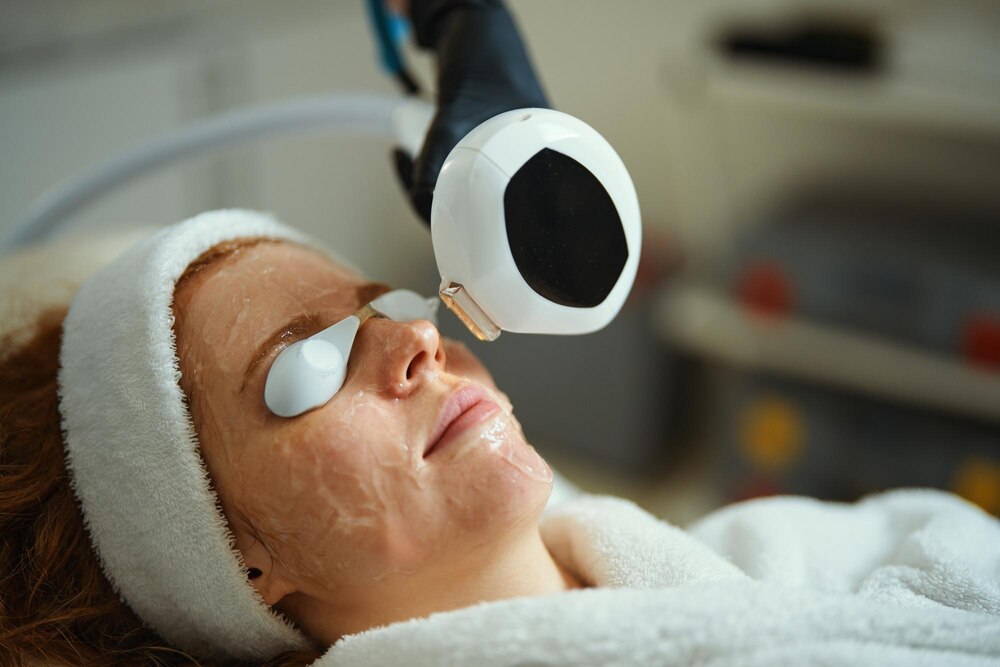
The evolution of laser technology has transformed how dermatologists and medical spa practitioners approach sensitive skin treatment in 2025. Where traditional laser systems once posed significant risks for reactive skin types, today’s advanced technologies offer unprecedented safety profiles while delivering exceptional results. Understanding which laser treatments work best for sensitive skin – and how to properly prepare for them – can mean the difference between transformative results and unnecessary complications.
Recent clinical data reveals that approximately 17% of patients experience post-treatment skin sensitivity following laser procedures, with darker skin types facing even higher risks of complications. This reality has driven the development of revolutionary laser systems specifically engineered to minimize irritation while maximizing therapeutic benefits. From picosecond technology to combination therapies enhanced with exosome treatments, the landscape of safe laser options for sensitive skin has expanded dramatically.
Understanding Sensitive Skin Reactions to Laser Treatments
Sensitive skin responds differently to laser energy compared to resilient skin types, requiring careful consideration of multiple factors before treatment. The skin’s protective barrier function, melanin content, and inflammatory response patterns all influence how laser energy is absorbed and processed. When these factors aren’t properly assessed, what should be a rejuvenating treatment can trigger excessive inflammation, prolonged redness, or hyperpigmentation.
The mechanism behind sensitivity reactions involves both immediate thermal effects and delayed inflammatory cascades. As laser energy converts to heat within targeted tissues, sensitive skin often exhibits an exaggerated response due to compromised barrier function or heightened nerve reactivity. This amplified reaction can manifest as persistent erythema, swelling, or discomfort that extends well beyond typical recovery periods.
Individual variation in sensitivity thresholds makes standardized treatment protocols challenging. Factors including genetic predisposition, environmental exposure history, concurrent medications, and underlying skin conditions all contribute to sensitivity levels. Modern assessment techniques now incorporate these variables to create personalized treatment parameters that respect each patient’s unique sensitivity profile.
Post-Treatment Sensitivity Statistics
Clinical studies demonstrate that post-treatment sensitivity affects a significant portion of laser patients, with rates varying based on treatment type and skin characteristics. Research indicates that approximately 17% of patients experience notable skin sensitivity following laser procedures, ranging from mild irritation to more pronounced reactions requiring intervention.
The occurrence of post-inflammatory hyperpigmentation (PIH) represents another critical consideration for treatment planning. Studies show PIH develops in 10-30% of laser patients overall, with rates influenced by laser type, energy settings, and pre-treatment skin condition. These statistics underscore the importance of selecting appropriate technologies and protocols for sensitive skin patients.
Recovery timeframes also extend for sensitive skin types, with many patients requiring additional days or weeks to achieve complete healing. This extended recovery period impacts treatment scheduling and necessitates more comprehensive post-care support to ensure optimal outcomes without complications.
Risk Factors for Darker Skin Types
Darker skin types face unique challenges with laser treatments due to higher melanin concentrations that compete for laser energy absorption. PIH risk increases to 30-40% in patients with darker complexions, making technology selection crucial for safe treatment delivery. Traditional laser systems that readily absorb melanin can cause significant burns or pigmentation changes in these patients.
The Fitzpatrick skin type classification system helps practitioners assess risk levels and adjust treatment parameters accordingly. Patients with types IV-VI skin require specialized protocols that account for increased melanin absorption while still delivering therapeutic energy to target tissues. This balance demands precise wavelength selection and energy calibration to avoid collateral damage.
Advanced cooling systems and longer wavelengths have improved safety profiles for darker skin types, but careful patient selection remains essential. Pre-treatment testing and conservative initial settings help identify individual response patterns before proceeding with more aggressive protocols.
2025’s Safest Laser Technologies for Sensitive Skin
The latest generation of laser systems incorporates sophisticated safety features specifically designed to accommodate sensitive skin requirements. These technologies utilize ultra-short pulse durations, selective wavelengths, and advanced cooling mechanisms to minimize thermal damage while maximizing therapeutic effects. The result is a new standard of care that makes laser treatments accessible to previously excluded patient populations.
Innovation in beam delivery systems has also contributed to improved safety profiles. Fractional technologies that treat microscopic zones while leaving surrounding tissue intact accelerate healing and reduce complication risks. Combined with real-time skin monitoring capabilities, these systems provide unprecedented control over treatment parameters.
Picosecond Laser Technology (PicoWay)
Picosecond lasers represent a quantum leap in sensitive skin treatment capabilities, delivering energy in trillionths of a second to minimize heat accumulation. This ultra-rapid pulse duration creates a photoacoustic effect that shatters pigment particles without generating excessive thermal energy that triggers sensitivity reactions. The PicoWay system exemplifies this technology, offering multiple wavelengths to address various skin concerns while maintaining exceptional safety margins.
Clinical outcomes with picosecond technology demonstrate consistent results across all skin types, including those prone to sensitivity or PIH. The minimal thermal effect preserves surrounding tissue integrity, allowing for faster recovery and reduced risk of adverse reactions. Patients typically experience only mild redness that resolves within hours rather than days.
Treatment versatility extends beyond pigmentation concerns to include acne scarring, fine lines, and overall skin rejuvenation. This broad application range makes picosecond lasers particularly valuable for sensitive skin patients seeking comprehensive improvement without multiple treatment modalities.
Pico Sculpting for Deep Tightening
Pico Sculpting technology advances traditional picosecond capabilities by targeting deeper dermal layers without disrupting surface skin. This selective depth penetration stimulates collagen remodeling and tissue tightening while bypassing the epidermis where sensitivity reactions typically originate. The technique provides lifting and contouring effects previously achievable only through more aggressive interventions.
The mechanism involves creating controlled micro-injuries within the dermis that trigger natural healing cascades. Because surface skin remains intact, patients avoid the prolonged redness and peeling associated with traditional resurfacing procedures. This preservation of barrier function is particularly beneficial for sensitive skin types prone to irritation.
Results develop gradually over several months as collagen production increases and tissue architecture reorganizes. This progressive improvement aligns well with sensitive skin treatment philosophies that prioritize gentle, cumulative effects over dramatic single-session transformations.
Smaller Diameter Laser Coring (270 µm)
Recent studies demonstrate that laser coring with 270 µm diameter wounds achieves comparable results to larger 350 µm treatments while significantly reducing trauma. This refined approach creates microscopic channels that facilitate product penetration and stimulate regeneration without overwhelming sensitive skin’s healing capacity.
The smaller wound size translates to faster epithelialization and reduced inflammatory response. Sensitive skin patients benefit from shortened downtime and decreased risk of post-treatment complications including infection or scarring. The precision of modern coring devices ensures consistent depth and spacing for predictable outcomes.
Application flexibility allows practitioners to customize treatment density based on individual sensitivity levels. Lower density patterns provide gentle stimulation for highly reactive skin, while gradual density increases accommodate improving tolerance over sequential sessions.
Non-Invasive Alternatives Using Radiofrequency and Ultrasound
For patients with extreme sensitivity or those seeking zero-downtime options, radiofrequency and ultrasound technologies offer compelling alternatives to traditional lasers. These energy-based treatments bypass the optical absorption characteristics that can trigger sensitivity reactions in susceptible individuals. Instead, they utilize different physics principles to achieve skin tightening and rejuvenation without surface disruption.
The absence of chromophore dependency makes these modalities particularly suitable for all skin types, including those with unpredictable laser responses. Treatment comfort levels typically exceed laser procedures, with most patients describing sensations as warming rather than stinging or burning.
Next-Generation Plasma Technology
Plasma technology represents an emerging frontier in sensitive skin treatment, utilizing ionized gas to deliver controlled energy without direct tissue contact. This non-chromophore-dependent approach stimulates fibroblast activity and collagen production through unique cellular signaling pathways. The result is comprehensive skin rejuvenation without the thermal peaks associated with laser treatments.
Treatment protocols can be precisely calibrated to match individual sensitivity thresholds, with multiple pass techniques allowing gradual energy accumulation. The absence of bulk heating minimizes discomfort and eliminates the need for aggressive cooling or anesthesia in most cases. Post-treatment recovery typically involves minimal redness that resolves within hours.
Clinical applications continue expanding as practitioners recognize plasma’s versatility for addressing multiple concerns simultaneously. From texture improvement to pigmentation correction, plasma treatments offer sensitive skin patients a gentler path to aesthetic enhancement.
Radiofrequency vs Ultrasound for Skin Tightening
Radiofrequency technology delivers controlled heating to dermal and subdermal layers through electromagnetic waves, triggering immediate collagen contraction and long-term remodeling. Modern bipolar and multipolar configurations provide precise depth control while protecting surface skin from excessive heat. This selective heating profile makes radiofrequency ideal for sensitive patients seeking lifting effects without aggressive intervention.
Ultrasound-based treatments utilize focused acoustic energy to create thermal coagulation points at specific depths, bypassing superficial layers entirely. The ability to visualize treatment planes in real-time ensures accurate energy delivery while avoiding sensitive structures. Recovery involves minimal to no downtime, with most patients resuming normal activities immediately.
Choosing between radiofrequency and ultrasound often depends on individual anatomy and treatment goals rather than sensitivity alone. Radiofrequency typically provides more comfortable treatments with gradual results, while ultrasound delivers more dramatic single-session improvements with slightly higher sensation levels. Both modalities can be combined or alternated for synergistic effects.
Combination Therapies That Minimize Sensitivity
Strategic treatment combinations leverage complementary mechanisms to achieve superior results while distributing energy loads across multiple modalities. This approach reduces the intensity required from any single technology, thereby minimizing sensitivity risks. Modern combination protocols incorporate precise timing and sequencing to optimize healing cascades and cellular responses.
The synergy between different energy sources often produces outcomes exceeding the sum of individual treatments. For sensitive skin patients, this multiplicative effect allows practitioners to use gentler settings while still achieving transformative results.
BBL HERO + HALO Hybrid Approach
The combination of BroadBand Light HERO technology with HALO hybrid fractional laser creates a comprehensive treatment strategy that addresses multiple skin concerns simultaneously. BBL HERO’s advanced cooling and rapid pulse delivery minimize discomfort while targeting pigmentation and vascular irregularities. When paired with HALO’s tunable ablative and non-ablative wavelengths, practitioners can customize treatment intensity to match sensitivity levels.
This dual-modality approach allows for strategic energy distribution, with BBL addressing superficial concerns while HALO targets deeper structural issues. The result is complete skin rejuvenation without overwhelming sensitive skin’s tolerance threshold. Recovery typically involves mild redness and minimal peeling compared to traditional aggressive resurfacing.
Treatment sequencing can be adjusted based on individual response patterns, with some patients benefiting from same-day combination while others prefer staged protocols. This flexibility ensures optimal outcomes regardless of baseline sensitivity levels.
Exosome Therapy Enhancement
Exosome therapy represents a breakthrough in post-laser recovery optimization, particularly beneficial for sensitive skin types. Clinical data demonstrates that exosome treatment accelerates wound healing by 30-40% compared to controls, significantly reducing the vulnerability period when sensitivity reactions typically occur. This accelerated recovery translates to improved patient comfort and reduced complication risks.
Beyond recovery enhancement, exosomes amplify treatment results through growth factor delivery and cellular communication optimization. Studies show wrinkle reduction of 23-36% after 12 weeks with exosome therapy, suggesting powerful regenerative effects that complement laser-induced remodeling. For sensitive skin patients, this means achieving desired outcomes with less aggressive laser settings.
Application protocols typically involve immediate post-treatment exosome application followed by home care regimens. The biocompatible nature of exosomes minimizes irritation risk while maximizing therapeutic benefit, making them ideal adjuncts for sensitive skin laser treatments.
Pre-Treatment Preparation for Sensitive Skin
Comprehensive pre-treatment preparation establishes the foundation for successful laser treatments in sensitive skin patients. This preparatory phase extends beyond basic sun avoidance to include barrier function optimization, sensitivity threshold assessment, and inflammatory pathway modulation. The investment in proper preparation directly correlates with improved treatment tolerance and outcomes.
Timing considerations play crucial roles in preparation success, with most protocols requiring two to four weeks of conditioning before laser treatment. This timeline allows for meaningful skin barrier improvement while identifying any product sensitivities that could complicate post-treatment recovery.
Skin Barrier Strengthening Protocols
Barrier function enhancement begins with gentle cleansing routines that preserve natural lipids while removing impurities. Incorporating ceramide-rich moisturizers and barrier repair complexes helps restore optimal hydration and resilience. For particularly compromised barriers, prescription treatments may be necessary to achieve adequate preparation.
Dietary modifications supporting skin health include increased omega-3 fatty acid intake and antioxidant supplementation. These nutritional interventions reduce baseline inflammation and improve cellular repair capacity. Hydration optimization through adequate water intake further supports barrier function and recovery potential.
Environmental protection measures minimize additional stressors during the preparation phase. This includes consistent sunscreen use, avoidance of harsh weather conditions, and reduction of exposure to potential irritants. Creating a controlled environment for skin conditioning maximizes pre-treatment improvements.
Patch Testing and Consultation Requirements
Thorough consultation processes identify individual risk factors and establish realistic treatment expectations for sensitive skin patients. Experienced practitioners assess medical history, current medications, and previous treatment responses to develop personalized protocols. This comprehensive evaluation helps predict potential sensitivity reactions and guide technology selection.
Patch testing provides valuable insights into individual laser response patterns before committing to full treatment. Small area tests using proposed energy settings reveal sensitivity thresholds and healing characteristics. This information allows for protocol refinement that optimizes results while minimizing adverse reactions.
Documentation of baseline skin conditions through photography and standardized assessments establishes reference points for tracking progress. These records prove invaluable for adjusting treatment parameters and demonstrating improvement over time.
Post-Treatment Care and Recovery Expectations
Post-treatment care protocols for sensitive skin extend beyond standard recommendations to address heightened reactivity and prolonged healing timelines. Success depends on immediate intervention to minimize inflammatory cascades followed by sustained support throughout the recovery phase. Understanding realistic recovery expectations helps patients navigate the healing process without unnecessary anxiety.
Immediate Post-Treatment Protocol
The first 24-72 hours following laser treatment represent critical periods for sensitive skin management. Immediate cooling with specialized masks or cold compresses helps dissipate residual heat and reduce inflammatory responses. Gentle cleansing with pH-balanced, fragrance-free products maintains hygiene without disrupting healing processes.
Barrier restoration begins immediately with application of occlusive moisturizers and healing accelerators. Products containing growth factors, peptides, or exosomes provide additional support for sensitive skin recovery. Avoiding active ingredients like retinoids or acids during this acute phase prevents unnecessary irritation.
Environmental control measures include sleeping on clean pillowcases, avoiding direct water pressure during cleansing, and maintaining optimal room humidity. These seemingly minor factors significantly impact sensitive skin recovery trajectories.
Long-Term Maintenance and Protection
Sustained results require ongoing attention to skin health and protection strategies. Daily sunscreen application becomes non-negotiable, with mineral-based formulations often better tolerated by sensitive post-laser skin. Regular moisturization maintains barrier integrity achieved through treatment.
Gradual reintroduction of active skincare ingredients supports continued improvement while respecting sensitivity limits. Starting with low concentrations and slowly increasing frequency allows skin to adapt without triggering reactions. Professional guidance ensures appropriate product selection and timing.
Maintenance treatment schedules vary based on individual response patterns and treatment goals. Some sensitive skin patients benefit from more frequent, gentler sessions rather than aggressive periodic treatments. This approach maintains results while minimizing cumulative irritation risk.
Choosing the Right Provider for Sensitive Skin Laser Treatments
Provider selection significantly impacts treatment outcomes for sensitive skin patients requiring specialized expertise and technology access. Beyond basic credentials, evaluating experience with sensitive skin populations and available technology options ensures optimal care. The consultation process itself often reveals provider suitability through attention to detail and customization willingness.
Facility accreditation and safety protocols provide additional quality indicators. Practices maintaining rigorous standards typically deliver more consistent results with fewer complications. Investment in advanced technologies demonstrates commitment to offering diverse treatment options for challenging cases.
Questions to Ask During Consultation
Essential consultation inquiries should address specific experience treating sensitive skin types similar to your own. Understanding the provider’s approach to test patches, parameter selection, and complication management reveals their expertise depth. Requesting before-and-after photos of sensitive skin patients provides visual confirmation of realistic outcomes.
Technology availability questions help determine treatment options and flexibility. Facilities offering multiple laser platforms and alternative modalities can better customize protocols for individual needs. Understanding backup plans if initial treatments prove too aggressive demonstrates comprehensive planning.
Post-treatment support availability ensures adequate care throughout recovery. This includes emergency contact protocols, follow-up scheduling, and product recommendations. Comprehensive treatment centers often provide complementary services that support overall skin health between laser sessions.
Conclusion: Your Path to Safe Laser Treatment Results
The landscape of laser treatments for sensitive skin has transformed dramatically with 2025’s technological advances, offering unprecedented safety and efficacy for previously untreatable patients. From picosecond lasers that minimize thermal damage to exosome therapies that accelerate healing, today’s options provide multiple pathways to achieve aesthetic goals without compromising skin health. Understanding these technologies and their applications empowers sensitive skin patients to make informed treatment decisions.
Success ultimately depends on matching individual sensitivity profiles with appropriate technologies and protocols under expert guidance. By prioritizing thorough consultation, proper preparation, and comprehensive post-care, sensitive skin patients can confidently pursue laser treatments that once seemed impossible. The key lies in partnering with experienced providers who understand the unique requirements of sensitive skin and possess the advanced tools necessary to deliver safe, transformative results.
